Award-Winning Computer Science Tutors
serving Virginia Beach, VA
Computer Science
Tutors in Virginia Beach
Private 1-on-1 tutoring, weekly live classes for academic support, test prep & enrichment, practice tests and diagnostics, and more to elevate grades and test scores.
Based on 3.4M Learner Ratings
UniversitiesSchools & Universities
DeliveredHours Delivered
ProficiencyGrowth in Proficiency
Who needs tutoring?
No obligation. Takes ~1 minute.
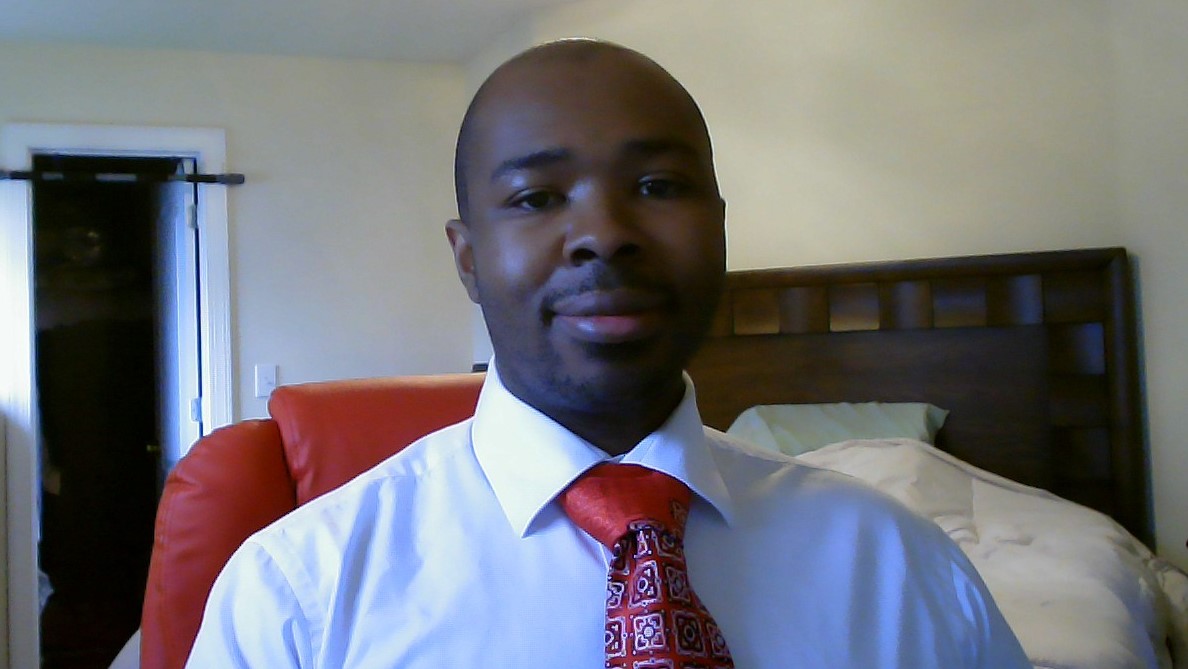
I have been coaching students to their best performance in math for seven years. I am fluent in all levels of math, primary, secondary, and freshman/sophomore university level. I am also fluent with the mathematics which one may find on the ACT, SAT, GRE, ASVAB, CLEP test and most standardized test. My background in Engineering also gives me a level of confidence with computer science and general sciences such as physics and chemistry. I have over a year of study in each myself. Overall, I have had much success working with students in various languages and levels of computer programming.
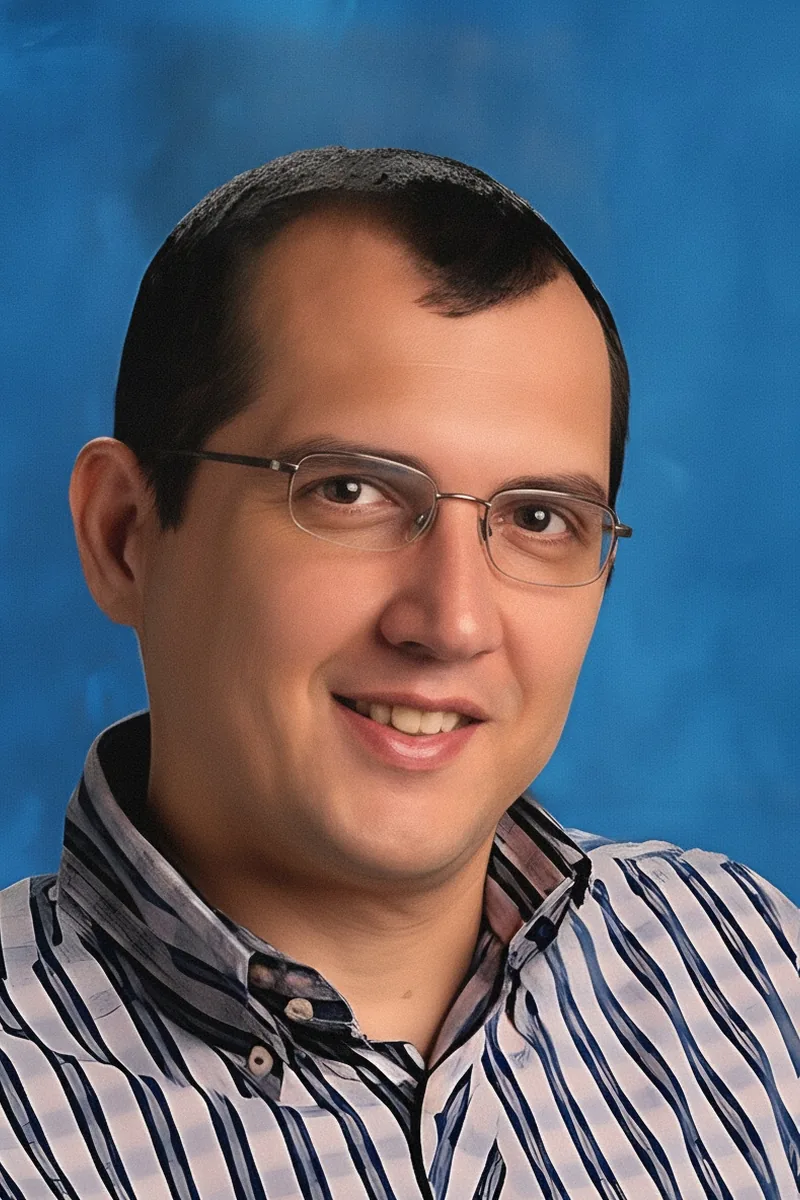
Philosophy trained Calin to build rigorous logical arguments; his math and CS degrees taught him to express that logic in C++ and JavaScript. That combination means he teaches programming concepts — from algorithm design to data structure selection — as exercises in precise reasoning, where every line of code follows from a clear chain of thought. Rated 5.0 by students.
Andrew's computer science background comes from the engineering side — writing code to solve physical problems, model systems, and process data. That practical angle means he teaches programming concepts like loops, conditionals, and data structures through real applications rather than abstract exercises. Rated 4.8 by students.
Hi! I am a l graduate of the University of Virginia! I have years of experience tutoring students in Math, English, and Science. I additionally can help prepare students with SAT and ACT Prep. I am eager to work with all type of students utilizing different study strategies. Let me know how I can help!
Pursuing a CS master's at Penn while TAing discrete math means Keenan lives in both the theoretical and practical sides of computer science every day. He unpacks core topics like algorithm complexity, data structure tradeoffs, and computational logic in a way that connects abstract ideas to real code. Rated 5.0 across all sessions.
From data structures and algorithms to computational complexity, Victoria covers the core CS concepts that show up in both coursework and technical interviews. Studying computer science and math simultaneously at WashU gave her a knack for explaining the mathematical reasoning behind topics like recursion, sorting efficiency, and graph traversal. She holds a 5.0 rating from students.
As a computer science major at Boston University, Irene is immersed in the subject daily — from data structures and algorithms to object-oriented design. She breaks down abstract programming concepts into concrete steps, walking through how to trace logic, debug code, and think like a developer rather than just memorize syntax.
Studying Computer Science alongside Math/Stats at Carleton College, Thomas lives at the intersection of algorithms, data structures, and mathematical reasoning. He digs into topics like recursion, sorting algorithms, and object-oriented design by building understanding from first principles rather than rote code memorization.
Eric treats coding problems the same way he treats logical puzzles — by breaking them apart, finding the pattern, and building a solution step by step. As a CS major at Washington University in St. Louis, he's deep in Java and JavaScript right now, which means he can walk students through everything from writing their first function to structuring a full object-oriented program. His approach emphasizes learning to think through problems algorithmically before jumping to syntax.
Recursion, data structures, algorithmic complexity — these topics trip up students who try to memorize patterns without understanding why they work. Kevin holds both a bachelor's and master's in computer science from NYU, and he's the kind of tutor who will explain a concept three different ways until the logic genuinely lands. Rated 4.8 by students.
From data structures and algorithms to computational complexity, Michelle covers the core CS curriculum with the depth you'd expect from a Duke CS graduate heading into a PhD at Michigan. She's especially strong at explaining abstract concepts like recursion and graph traversal by connecting them to concrete, visual examples that make the logic intuitive.
Benjamin's finance and economics training at Notre Dame means he learned to code as a problem-solving tool — building models, analyzing datasets, and automating calculations — rather than through a traditional CS curriculum. That pragmatic entry point makes him effective at teaching programming logic and computational thinking to students who want to understand how code actually gets used in business and quantitative fields. Rated 5.0 by students.
Between a master's in Computer Science, an active PhD program, and a full-time software development career, Daniel lives this subject from multiple angles — theoretical and applied. He unpacks everything from algorithmic complexity and data structures to systems-level thinking, tailoring the depth to wherever a student currently sits in their CS journey.
Biomedical engineering at Rice requires heavy computational coursework, so Theresa has tackled core computer science concepts — from object-oriented programming and data structures to algorithm complexity — in the context of solving real problems. She explains abstract ideas like recursion and sorting algorithms by connecting them to concrete examples rather than letting students drown in theory. Rated 5.0 by students.
Studying computer science at Cornell, Eric tackles everything from algorithm analysis and Big-O notation to systems-level concepts like memory management and recursion. He breaks down problems the way a CS student actually encounters them — whiteboarding a solution, tracing through edge cases, then translating logic into clean code. His 5.0 rating speaks to how clearly that approach lands.
From data structures and algorithms to systems-level thinking, computer science covers enormous ground. John earned a BS in Computer Science and codes in Java, C++, and SQL, giving him the range to dig into whatever topic is causing trouble — whether that's recursion, Big-O analysis, or database design.
Testimonials
Because the right Computer Science tutor makes all the difference.
Average Session Rating – Based on 3.4M Learner Ratings
Other Virginia Beach Tutors
Related Technology and Coding Tutors in Virginia Beach
Frequently Asked Questions
Your first session is all about understanding your current level and goals. A tutor will ask about your programming experience, what you're working on in class, and whether you're interested in web development, game design, data science, or another area. They'll also identify specific challenges—whether that's debugging errors, understanding algorithms, or grasping how data structures work—so they can tailor future sessions to what you actually need.
Debugging is one of the most valuable skills a tutor can help you develop. Rather than just fixing errors for you, tutors teach you how to read error messages, use debugging tools, and think through your code logically to find problems yourself. This approach builds your problem-solving skills so you can tackle unfamiliar bugs independently—a skill that matters far beyond any single assignment.
Syntax is the specific rules of a programming language—like how to write a loop or declare a variable. Logic is the thinking behind it—how to break down a problem and design a solution. Many students struggle because they focus too much on syntax and not enough on algorithmic thinking. Tutors help you build strong logical foundations first, which makes learning any new language much easier.
Data structures like arrays, linked lists, and hash tables are fundamental to writing efficient code and solving complex problems. They're also notoriously tricky to visualize and understand. Tutors can walk through real examples, help you trace through code step-by-step, and show you how to choose the right structure for different problems—making an abstract concept concrete and practical.
Building real projects—whether a web app, game, or data analysis tool—is one of the best ways to learn. Tutors can guide you through the design process, help you break projects into manageable pieces, review your code, and suggest improvements. This hands-on approach helps you apply what you're learning in class to something tangible and builds a portfolio you can actually be proud of.
Yes. Varsity Tutors connects you with tutors who understand Virginia's computer science standards and the specific courses taught in Virginia Beach schools. Whether you're in an introductory programming class, AP Computer Science Principles, AP Computer Science A, or a specialized track like web development or cybersecurity, tutors can align their instruction with what your school is teaching.
Absolutely. If you're not sure whether you're more interested in web development, game design, artificial intelligence, cybersecurity, or data science, tutors can help you explore different areas through small projects and guided learning. This exploration helps you figure out what genuinely interests you before committing to a specific path in high school or college.
Start by being honest about what's confusing you—is it the syntax, the logic, specific concepts like loops or functions, or the overall problem-solving process? A tutor will start from wherever you are, rebuild foundational concepts if needed, and use a pace that works for you. Many students who felt lost find that personalized instruction makes computer science click in ways a large classroom can't.
Let’s find your perfect tutor
Answer a few quick questions. We’ll recommend the right plan and match you with a top 5% tutor.