Award-Winning AP Art History Tutors
serving Irving, TX
AP Art History
Tutors in Irving
Private 1-on-1 tutoring, weekly live classes for academic support, test prep & enrichment, practice tests and diagnostics, and more to elevate grades and test scores.
Based on 3.4M Learner Ratings
UniversitiesSchools & Universities
DeliveredHours Delivered
ProficiencyGrowth in Proficiency
Who needs tutoring?
No obligation. Takes ~1 minute.

MiMi is currently pursuing the same degree the AP Art History exam was built around — Art History, Criticism, and Conservation — at Stanford, which means she's actively studying the critical methodologies and conservation debates that underpin the course's approach to the 250-image set. Her coursework in modern languages also strengthens her ability to teach students how non-Western and cross-cultural works communicate meaning through form and context. A 34 ACT reflects the kind of sharp analytical reading that translates directly to the exam's timed essays.
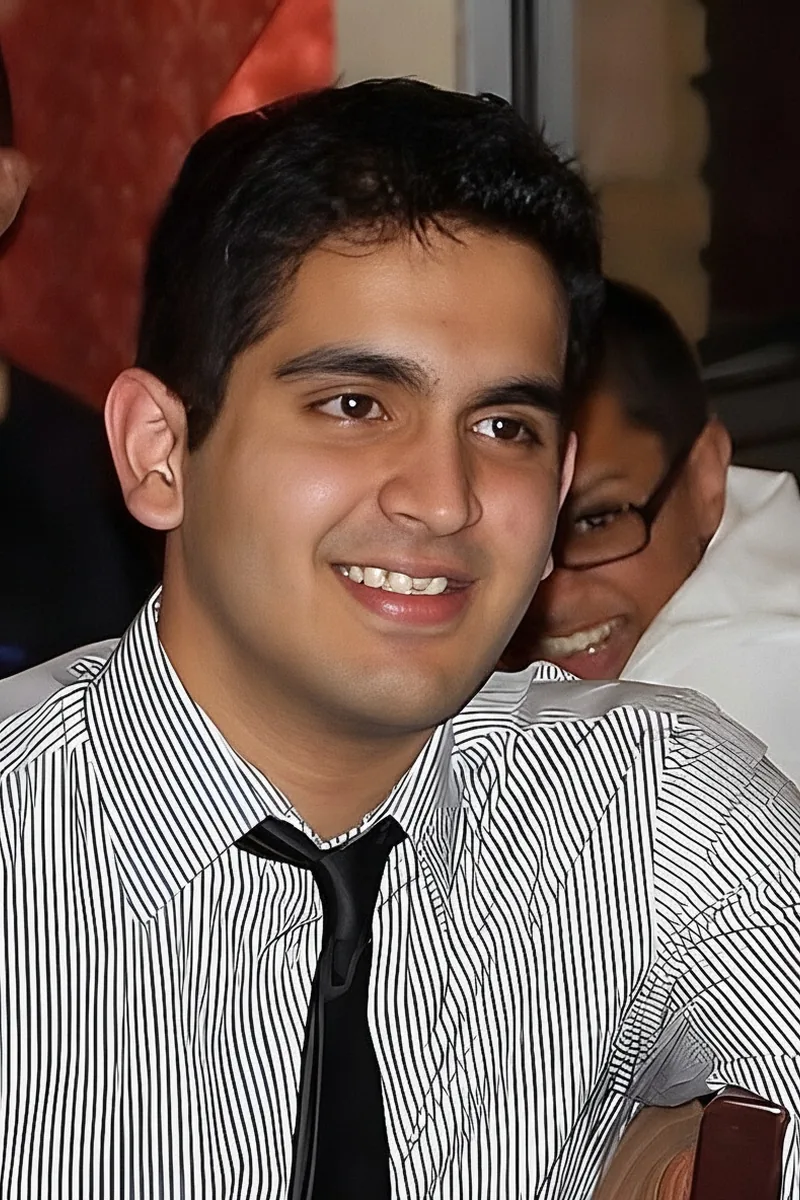
Most students walk into AP Art History thinking they need to memorize 250 images. Muhammad shifts the focus to the analytical frameworks — how to discuss form, function, content, and context — so that encountering an unfamiliar work on the exam feels manageable rather than paralyzing.
Frances's Master's in Literature and the Humanities means she's spent years tracing how intellectual movements, religious thought, and political upheaval shape creative expression — the exact kind of contextual reasoning AP Art History's essay prompts demand. She teaches students to read a work's iconography and formal choices as arguments rooted in a specific cultural moment, then translate that analysis into structured, evidence-driven prose. Rated 5.0 by students.
Most students walk into AP Art History expecting to memorize 250 images and call it a day. Rachel reframes the course around the questions the exam actually asks: how context shapes artistic choices, how form communicates meaning, and how to write a sharp comparative analysis under time pressure. Her background in political science adds depth when discussing art tied to power, propaganda, and social movements.
Public health is fundamentally about how societies organize around shared values — sanitation, access, equity — and that same lens applies surprisingly well to AP Art History, where students need to explain how cultural priorities and social structures shaped everything from Egyptian funerary art to WPA murals. Shripal teaches students to read works as artifacts of the communities that produced them, connecting form and function to the public forces behind them. Rated 5.0 by students.
This is Shelby's home turf. As Assistant Curator of Visual Resources in Vanderbilt's History of Art department, she works daily with the kinds of images, architectural plans, and cultural objects that appear on the AP Art History exam. She breaks down the 250-image set by teaching students to compare works across time periods using formal analysis vocabulary — line, composition, patronage, function — rather than brute-force memorization.
Traveling extensively across cultures gave Mat a firsthand sense of how art functions differently depending on its social and historical setting — the kind of cross-cultural thinking that drives AP Art History's contextual analysis questions. His history minor at NYU's Stern School of Business sharpened his ability to connect artistic production to broader economic and political forces, especially around patronage and trade. He teaches students to build arguments that link formal details to these larger narratives, which is where the exam's free-response points actually live.
Few tutors bring Lee's combination of a University of Maryland studio art degree and a scientist's analytical rigor to AP Art History. He teaches students to move beyond identifying artistic periods and instead analyze how formal elements — composition, color, materiality — encode the cultural and political contexts the exam actually tests.
Volunteering at an ancient art museum, Sophie designed classes and presentations that taught visitors to read objects in their historical and cultural context — exactly the skill AP Art History's free-response questions test. Her Yale Humanities curriculum immerses her in the cross-disciplinary thinking the exam demands, from philosophical frameworks to political systems that shaped artistic patronage and production. Rated 5.0 by students.
Growing up as the person who dragged her parents through art museums, Charlotte developed an instinct for contextualizing visual works within the stories and power structures behind them — the exact skill AP Art History's exam is built to measure. Her NYU Drama training sharpened her ability to read imagery as performance, teaching students to analyze how artists stage meaning through composition, space, and symbolism for the free-response essays.
Most students walk into AP Art History expecting a slide-memorization marathon and quickly discover the exam actually tests contextual analysis — explaining how a Benin bronze reflects trade networks or why Baroque architecture served Counter-Reformation goals. Sarah's interdisciplinary background in political science and her love of art give her a natural framework for connecting visual works to the power structures and cultural movements behind them. She teaches students to build the kind of comparative arguments the free-response questions demand.
Studying ancient Mediterranean civilizations at Carleton means Emma lives in the material AP Art History covers — Greek temple architecture, Roman sculptural programs, Near Eastern reliefs. She connects visual analysis to the historical and cultural contexts that the AP exam rewards, teaching students to write comparative essays that go beyond surface-level description.
David's liberal arts training in English and critical reading translates well to AP Art History, where the real challenge isn't memorizing the 250-image set but writing tightly argued essays that connect visual evidence to cultural context. He treats each work like a text to be read — teaching students to identify formal choices, ask what they communicate, and build that analysis into the kind of structured prose the free-response questions reward.
Most students walk into AP Art History expecting to memorize 250 images, but the exam actually rewards contextual analysis — explaining why a Gothic cathedral or a Mughal miniature looks the way it does. Terry's curiosity for museums and cultural exploration gives him genuine enthusiasm for connecting artworks to their historical moments. He teaches students to structure visual analysis essays around function, materials, and patronage rather than surface-level description.
Studying architecture at Columbia means Andrew doesn't just recognize Bernini's colonnade or Le Corbusier's Villa Savoie — he understands the structural, cultural, and theoretical ideas behind them. That depth is exactly what AP Art History requires, since the exam asks students to analyze visual evidence and connect works to broader historical contexts across global traditions. He walks students through how to write concise comparative essays that earn full marks.
Studying for a degree in secondary history and government education with an art history minor at the University of Kansas, Emma is building the exact academic foundation this exam covers — the intersections of political systems, cultural movements, and artistic production. She's especially effective at teaching students how debates over power and governance show up in visual culture, from ancient civic architecture to Cold War–era public art. Rated 5.0 by students.
Two master's degrees from Yale and Duke — one in Religious Studies with an ancient history focus, the other grounding him in the intersection of religion, culture, and visual tradition — mean Justin can contextualize sacred and devotional works across the 250-image set with real scholarly depth, from Hindu temple complexes to Gothic cathedrals to Islamic calligraphic programs. He teaches students to build arguments that link iconography and ritual function to the broader cultural narratives the AP exam's free-response questions actually score on. Rated 5.0 by students.
Testimonials
Because the right AP Art History tutor makes all the difference.
Average Session Rating – Based on 3.4M Learner Ratings
Practice AP Art History
Free practice tests, flashcards, and AI tutoring for AP Art History
Nearby AP Art History Tutors
Other Irving Tutors
Related Social Studies Tutors in Irving
Frequently Asked Questions
Varsity Tutors matches Irving students with expert AP Art History tutors for 1-on-1 instruction. We pair each student with a tutor based on their specific needs, learning style, and goals.
Whether you need homework help, exam prep, or want to get ahead, our AP Art History tutors are ready to help.
Common challenges include gaps from earlier material, difficulty with specific concepts, and trouble applying learning to new problems. These issues can snowball quickly in AP Art History.
A tutor identifies where you're stuck, fills in gaps, and provides targeted practice. The 1-on-1 format means you get help exactly where you need it.
Tutors work with your student's actual coursework—homework assignments, class notes, and upcoming tests. This keeps tutoring directly relevant to what's happening in the classroom.
When you share information about your student's school and curriculum, we can match you with a tutor who has relevant experience.
All tutors complete background checks, credential verification, and teaching evaluation. Many of our AP Art History tutors hold advanced degrees or have years of teaching experience.
You can review tutor profiles to find someone with the right background for your student's level and needs.
Many students see improved grades within a few weeks, along with better understanding of AP Art History concepts and more confidence tackling challenging material.
Tutors track progress and adjust their approach to ensure continued improvement.
Most students benefit from 1-2 sessions per week. More frequent sessions help if your student is significantly behind or has an important exam coming up.
Your tutor can recommend a schedule based on your student's specific situation and goals.
Tutoring is purchased in packages of hours, with rates varying by tutor experience. Varsity Tutors offers several options to fit different budgets and needs.
You can discuss pricing during your consultation to find what works best.
Your tutor will assess where your student is, discuss goals, and start working on priority areas. Most students bring current homework or upcoming test material to focus on.
By the end, you'll have a clear sense of how the tutor can help and a plan for moving forward.
Let’s find your perfect tutor
Answer a few quick questions. We’ll recommend the right plan and match you with a top 5% tutor.