Award-Winning AP Art History Tutors
serving Austin, TX
AP Art History
Tutors in Austin
Private 1-on-1 tutoring, weekly live classes for academic support, test prep & enrichment, practice tests and diagnostics, and more to elevate grades and test scores.
Based on 3.4M Learner Ratings
UniversitiesSchools & Universities
DeliveredHours Delivered
ProficiencyGrowth in Proficiency
Who needs tutoring?
No obligation. Takes ~1 minute.
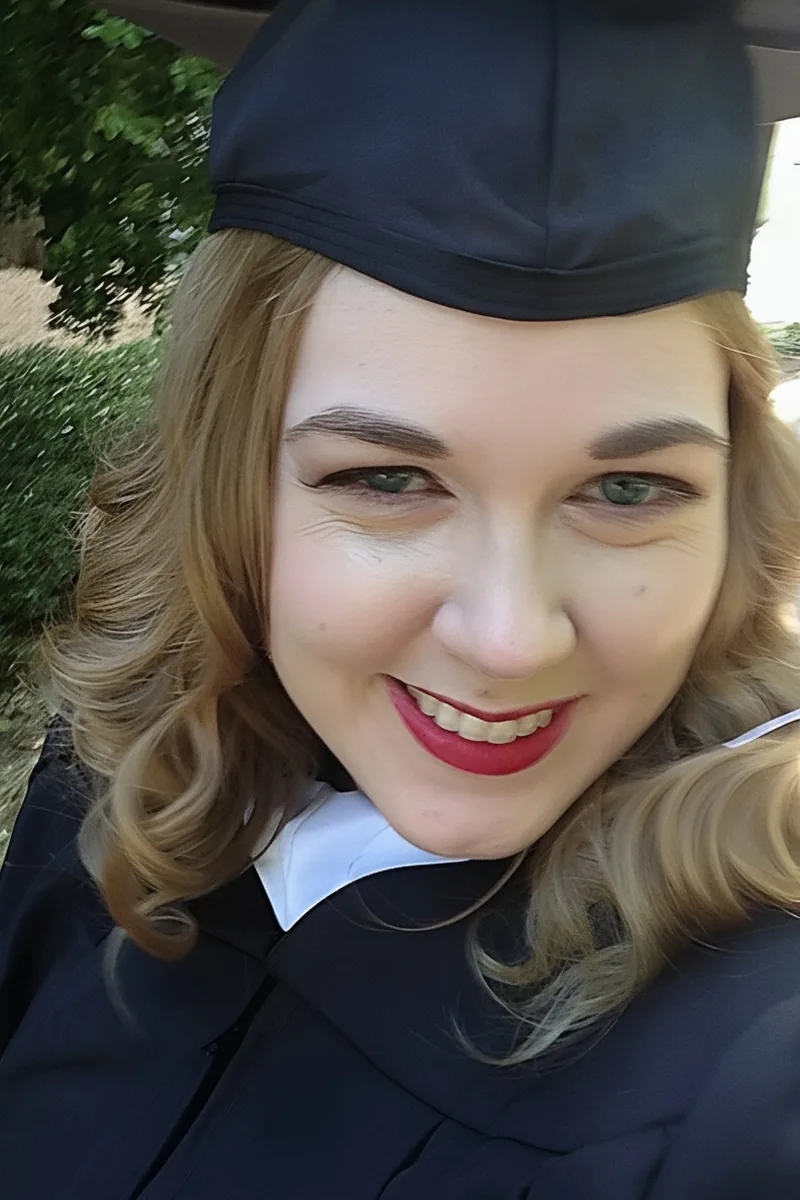
Frances's Master's in Literature and the Humanities means she's spent years tracing how intellectual movements, religious thought, and political upheaval shape creative expression — the exact kind of contextual reasoning AP Art History's essay prompts demand. She teaches students to read a work's iconography and formal choices as arguments rooted in a specific cultural moment, then translate that analysis into structured, evidence-driven prose. Rated 5.0 by students.

Most students walk into AP Art History expecting to memorize 250 images and call it a day. Rachel reframes the course around the questions the exam actually asks: how context shapes artistic choices, how form communicates meaning, and how to write a sharp comparative analysis under time pressure. Her background in political science adds depth when discussing art tied to power, propaganda, and social movements.
MiMi is currently pursuing the same degree the AP Art History exam was built around — Art History, Criticism, and Conservation — at Stanford, which means she's actively studying the critical methodologies and conservation debates that underpin the course's approach to the 250-image set. Her coursework in modern languages also strengthens her ability to teach students how non-Western and cross-cultural works communicate meaning through form and context. A 34 ACT reflects the kind of sharp analytical reading that translates directly to the exam's timed essays.
Most students walk into AP Art History thinking they need to memorize 250 images. Muhammad shifts the focus to the analytical frameworks — how to discuss form, function, content, and context — so that encountering an unfamiliar work on the exam feels manageable rather than paralyzing.
Public health is fundamentally about how societies organize around shared values — sanitation, access, equity — and that same lens applies surprisingly well to AP Art History, where students need to explain how cultural priorities and social structures shaped everything from Egyptian funerary art to WPA murals. Shripal teaches students to read works as artifacts of the communities that produced them, connecting form and function to the public forces behind them. Rated 5.0 by students.
Studying for a degree in secondary history and government education with an art history minor at the University of Kansas, Emma is building the exact academic foundation this exam covers — the intersections of political systems, cultural movements, and artistic production. She's especially effective at teaching students how debates over power and governance show up in visual culture, from ancient civic architecture to Cold War–era public art. Rated 5.0 by students.
Finance might seem worlds apart from art history, but Victor's training in valuation and market analysis translates surprisingly well to understanding how patronage, trade routes, and economic power shaped artistic production — from Medici-funded Renaissance commissions to the global ivory trade behind Benin bronzes. He teaches students to read works through those economic and political lenses, which is exactly the kind of contextual argument the AP exam's free-response questions reward.
Studying art history at Vanderbilt means Elena doesn't just recognize a Bernini sculpture or a Mughal miniature — she can explain the cultural, religious, and political contexts that produced them. AP Art History covers 250 required works spanning global traditions, and Elena teaches students to analyze visual evidence using formal vocabulary like contrapposto, chiaroscuro, and iconography. She turns what feels like overwhelming memorization into a set of analytical patterns.
Christianna holds a master's in architecture, which means she doesn't just teach AP Art History's required works — she can explain the structural innovations behind the Pantheon's dome, the flying buttresses at Chartres, or Le Corbusier's use of reinforced concrete. That firsthand design knowledge turns memorization of periods and styles into genuine understanding of how and why art was made.
Having earned a degree in both Studio Art and English, Julia sits at the exact intersection AP Art History tests — she knows what it means to make art and can articulate in writing why formal choices matter within cultural and historical contexts. She's especially strong on teaching students how to translate close visual observation into the kind of evidence-based prose the free-response questions reward.
Erica's English and Latin degrees from Oberlin give her a surprisingly useful toolkit for AP Art History — she can parse the cultural and literary contexts behind Classical and Renaissance works while teaching students to write the precise analytical prose the exam's free-response questions demand. Her experience across both humanities writing and K-12 instruction means she knows how to break down a comparison essay into manageable steps. Rated 5.0 by students.
Varun's Government and Film and Media Studies degrees give him two angles that converge neatly in AP Art History — he understands how political power and visual storytelling shape the production and reception of art across cultures. He teaches students to analyze works from the 250-image set through the lens of propaganda, patronage, and media, turning the contextual essay prompts into something that feels more like building an argument than recalling facts. Rated 4.8 by students.
Two master's degrees from Yale and Duke — one in Religious Studies with an ancient history focus, the other grounding him in the intersection of religion, culture, and visual tradition — mean Justin can contextualize sacred and devotional works across the 250-image set with real scholarly depth, from Hindu temple complexes to Gothic cathedrals to Islamic calligraphic programs. He teaches students to build arguments that link iconography and ritual function to the broader cultural narratives the AP exam's free-response questions actually score on. Rated 5.0 by students.
Studying art history alongside history at the graduate level at the University of Chicago gave Ryan a dual fluency — he reads visual works through the same rigorous source-analysis methods he applies to written documents, which is precisely the skill AP Art History's contextual and comparison essays demand. His background means he's especially sharp on connecting artistic movements to the broader political and social narratives that produced them, from Reformation iconoclasm to Cold War abstraction. Rated 5.0 by students.
Eight years of ESL tutoring taught Danya something most AP Art History tutors skip — how to make unfamiliar cultural contexts accessible to students who don't share them, which is exactly what the exam demands when it asks students to interpret works across ten global content areas. Her English training at Columbia sharpens the writing side, where she coaches students to build the kind of thesis-driven free-response essays that turn visual observations into persuasive cultural arguments.
Leading debates on Senate bills with high schoolers at the Edward M. Kennedy Institute taught Danlan how to make students argue from evidence about institutions, power, and policy — skills that transfer directly to AP Art History's free-response essays on patronage, governance, and the cultural forces behind artistic production. Her international relations degree adds genuine depth when students need to contextualize works across non-Western political and religious traditions. Rated 5.0 by students.
Iris's University of Chicago training in both Anthropology and History and Philosophy of Science means she naturally reads artworks as cultural artifacts — asking what a Jowo Rinpoche statue or a Ndop figure reveals about the society that produced it, which is exactly the kind of cross-cultural contextual thinking the AP Art History exam tests. She's especially well-suited to the Global Prehistory and Indigenous Americas content areas where anthropological knowledge turns unfamiliar works into readable arguments about ritual, power, and identity.
Testimonials
Because the right AP Art History tutor makes all the difference.
Average Session Rating – Based on 3.4M Learner Ratings
Practice AP Art History
Free practice tests, flashcards, and AI tutoring for AP Art History
Nearby AP Art History Tutors
Other Austin Tutors
Related Social Studies Tutors in Austin
Frequently Asked Questions
The AP Art History exam tests your knowledge of art and architecture across cultures and time periods, from prehistoric times to the present day. The exam includes a multiple-choice section (50% of your score) and a free-response section (50%) where you'll analyze artworks, compare pieces across cultures, and discuss historical context. Success requires both memorizing key works and artists and developing strong analytical skills to interpret unfamiliar images on test day.
A score of 3 or higher is considered passing and earns college credit at most universities, though some schools require a 4 or 5 for credit. The national average typically falls around a 2.5-2.8, so scoring a 3 puts you above average. Your target score depends on your college goals and the schools you're applying to—check specific college policies, as many competitive schools prefer scores of 4 or 5 for credit or placement.
Many students struggle with memorizing hundreds of artworks and their historical contexts, especially when exam questions ask you to analyze unfamiliar pieces using what you've learned. Time management is another common issue—the free-response section requires you to write detailed analyses quickly, and students often run out of time. Additionally, distinguishing between similar art movements or styles across cultures can be confusing without a clear organizational system and targeted practice.
Most students benefit from consistent preparation throughout the school year, with 5-7 hours of study per week during the regular course. In the final 4-6 weeks before the exam, increase to 8-10 hours weekly, focusing on practice tests, weak areas, and timed free-response writing. The key is spacing out your study rather than cramming—regular review of artworks and practice analyzing new images helps solidify memory and analytical skills.
For multiple-choice, practice eliminating obviously wrong answers first, and don't spend too long on any single question—flag difficult ones and return later. For free-response, carefully read the prompt, identify what's being asked (comparison, analysis, historical context), and structure your answer with a clear thesis before writing. Taking full-length practice tests under timed conditions is essential—it builds speed, helps you identify which question types trip you up, and reduces test-day anxiety.
Personalized 1-on-1 instruction lets a tutor identify which art periods, regions, or analytical skills are giving you trouble and focus your study time there, rather than reviewing material you already know. Tutors can also teach you organizational systems for memorizing artworks, coach you through timed practice essays, and help you develop confidence in analyzing unfamiliar pieces—skills that directly transfer to test day. With Austin's 14.9:1 average student-teacher ratio in schools, working with a tutor gives you the individualized attention that helps you move from understanding concepts to applying them under pressure.
Varsity Tutors connects you with expert tutors in Austin who specialize in AP Art History and understand the specific demands of the exam. When you get matched with a tutor, you can discuss your current strengths and weaknesses, your target score, and your timeline so they can customize a study plan. Whether you need help with memorization strategies, essay writing, or building confidence with unfamiliar artworks, tutors work with you at your pace to build the skills you need.
Your first session is typically a chance to get to know your tutor and establish what you need help with—whether that's organizing your knowledge of art movements, developing essay-writing strategies, or tackling specific weak areas. The tutor will likely assess your current understanding, learn about your target score and timeline, and outline a personalized study plan. Come ready to discuss which topics feel confusing and what study methods have or haven't worked for you so far.
Let’s find your perfect tutor
Answer a few quick questions. We’ll recommend the right plan and match you with a top 5% tutor.