Award-Winning AP Art History Tutors
serving McAllen, TX
AP Art History
Tutors in McAllen
Private 1-on-1 tutoring, weekly live classes for academic support, test prep & enrichment, practice tests and diagnostics, and more to elevate grades and test scores.
Based on 3.4M Learner Ratings
UniversitiesSchools & Universities
DeliveredHours Delivered
ProficiencyGrowth in Proficiency
Who needs tutoring?
No obligation. Takes ~1 minute.
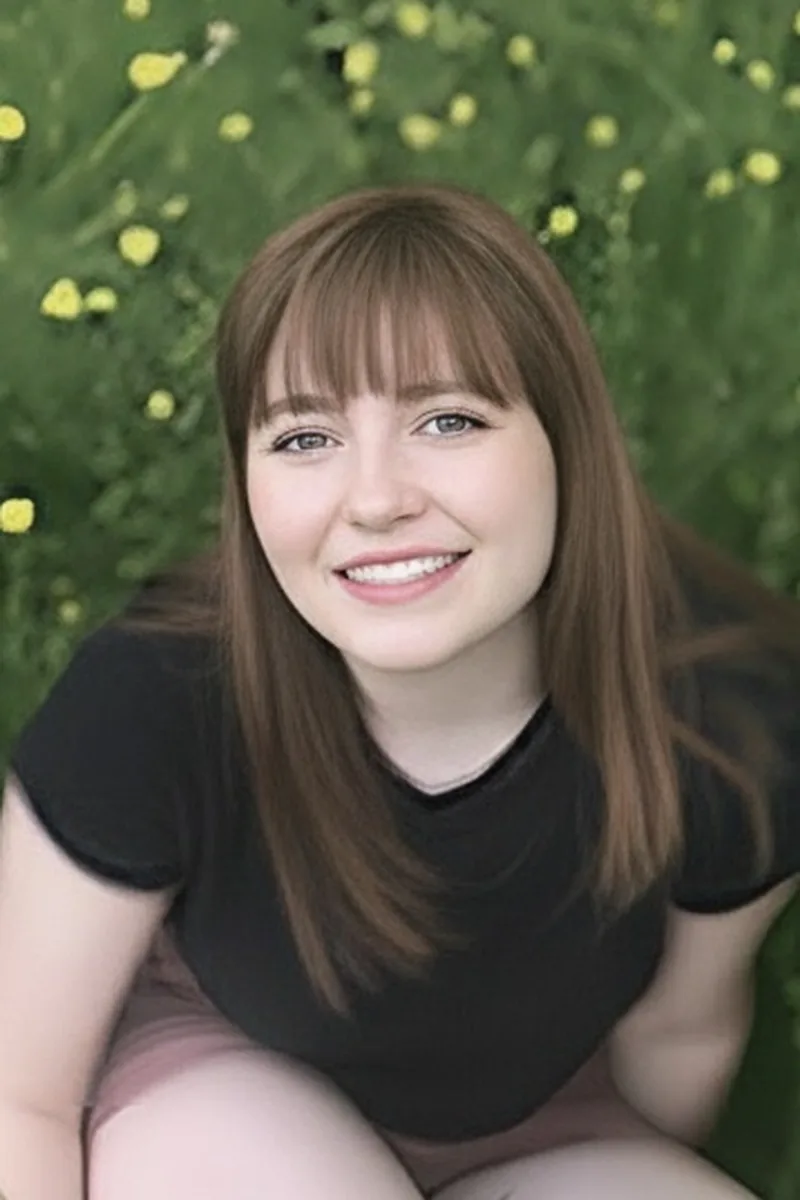
MiMi is currently pursuing the same degree the AP Art History exam was built around — Art History, Criticism, and Conservation — at Stanford, which means she's actively studying the critical methodologies and conservation debates that underpin the course's approach to the 250-image set. Her coursework in modern languages also strengthens her ability to teach students how non-Western and cross-cultural works communicate meaning through form and context. A 34 ACT reflects the kind of sharp analytical reading that translates directly to the exam's timed essays.
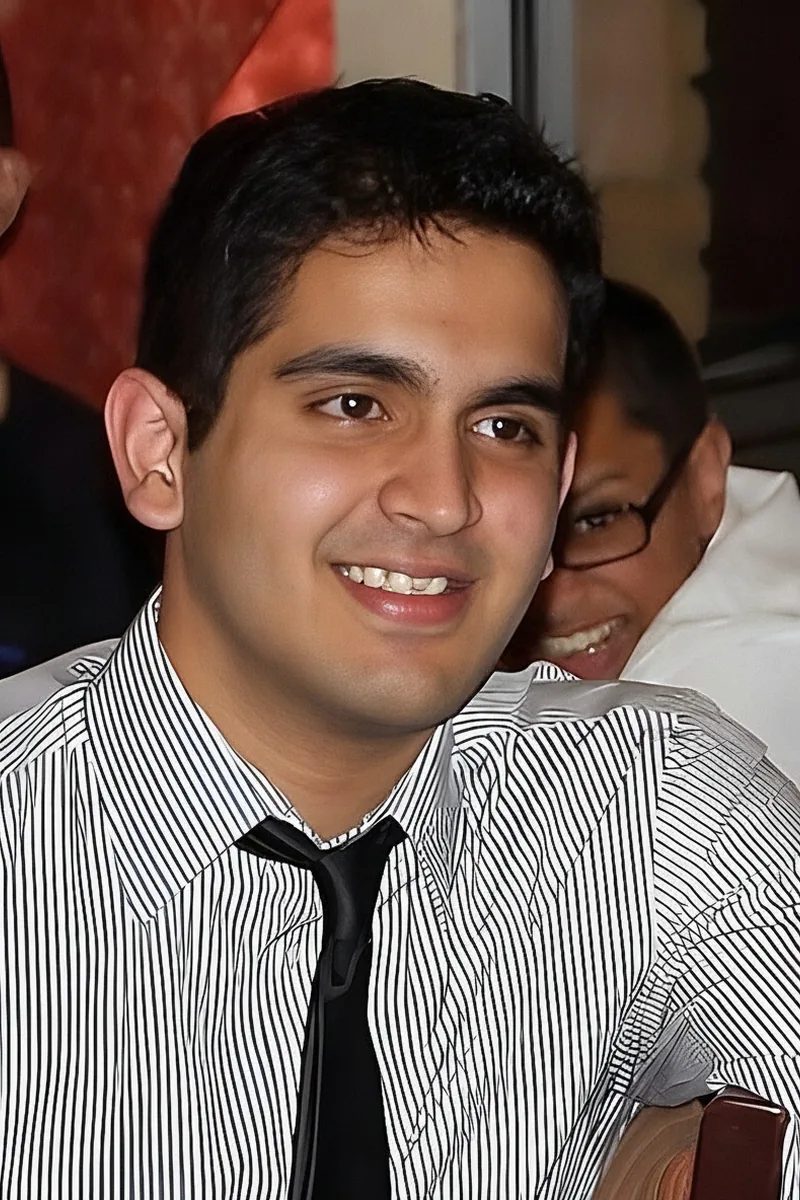
Most students walk into AP Art History thinking they need to memorize 250 images. Muhammad shifts the focus to the analytical frameworks — how to discuss form, function, content, and context — so that encountering an unfamiliar work on the exam feels manageable rather than paralyzing.
Frances's Master's in Literature and the Humanities means she's spent years tracing how intellectual movements, religious thought, and political upheaval shape creative expression — the exact kind of contextual reasoning AP Art History's essay prompts demand. She teaches students to read a work's iconography and formal choices as arguments rooted in a specific cultural moment, then translate that analysis into structured, evidence-driven prose. Rated 5.0 by students.
Most students walk into AP Art History expecting to memorize 250 images and call it a day. Rachel reframes the course around the questions the exam actually asks: how context shapes artistic choices, how form communicates meaning, and how to write a sharp comparative analysis under time pressure. Her background in political science adds depth when discussing art tied to power, propaganda, and social movements.
Public health is fundamentally about how societies organize around shared values — sanitation, access, equity — and that same lens applies surprisingly well to AP Art History, where students need to explain how cultural priorities and social structures shaped everything from Egyptian funerary art to WPA murals. Shripal teaches students to read works as artifacts of the communities that produced them, connecting form and function to the public forces behind them. Rated 5.0 by students.
Currently pursuing degrees in Art Education, Art History, and Community Arts at Temple, Madeleine is studying the very material this exam covers — she's immersed daily in the visual analysis, cultural contextualization, and critical frameworks that drive the 250-image set. That community arts focus also gives her a practical understanding of how art functions within social and institutional spaces, which sharpens her teaching on the exam's questions about patronage, audience, and purpose.
I'm a native Spanish and English speaker. I graduated with Honors in Art History and Philosophy from the University of Chicago. As a trilingual, I easily understand the difficulties and processes involved in learning a new language! I have been teaching Spanish and English to students worldwide for years. I am passionate about teaching languages as I have been blessed by life-changing opportunities by speaking fluidly with people from other cultures.
Jennifer's East Asian studies coursework at Brown gives her genuine depth in the non-Western content areas that trip up many AP Art History students — she can contextualize Chinese bronzes, Buddhist sculpture, and scroll paintings within the cultural traditions that produced them, not just identify them from the 250-image set. Her biochemistry major also means she's comfortable with the systematic, detail-oriented thinking the exam's comparison essays demand, where connecting formal elements across two very different works requires precision, not just appreciation.
Iris's University of Chicago training in both Anthropology and History and Philosophy of Science means she naturally reads artworks as cultural artifacts — asking what a Jowo Rinpoche statue or a Ndop figure reveals about the society that produced it, which is exactly the kind of cross-cultural contextual thinking the AP Art History exam tests. She's especially well-suited to the Global Prehistory and Indigenous Americas content areas where anthropological knowledge turns unfamiliar works into readable arguments about ritual, power, and identity.
A practicing photographer with an MFA from SCAD, Emily brings real fluency in visual analysis to AP Art History — she teaches students to move past surface description and articulate how form, context, and function intersect in works from the Global Prehistory image set through contemporary installations. Her background in both studio art and academic writing makes the comparison essay feel far less intimidating.
Trudy's master's dissertation at the University of Edinburgh focused on early modern South Asian and Islamic art — two content areas that consistently challenge AP Art History students who've had mostly Western-focused coursework. She brings firsthand research depth to those non-Western sections of the 250-image set while teaching students how to write the kind of cross-cultural contextual arguments the exam's free-response prompts demand.
The AP Art History exam asks students to do something surprisingly difficult: look at an image they may have never seen and write a convincing argument about its cultural context in minutes. Monitha's philosophy background at Michigan sharpened exactly that skill — constructing tight, evidence-based claims under pressure. She teaches students to move between visual analysis and historical argumentation without losing the thread.
Having earned a degree in both Studio Art and English, Julia sits at the exact intersection AP Art History tests — she knows what it means to make art and can articulate in writing why formal choices matter within cultural and historical contexts. She's especially strong on teaching students how to translate close visual observation into the kind of evidence-based prose the free-response questions reward.
Studying art history alongside history at the graduate level at the University of Chicago gave Ryan a dual fluency — he reads visual works through the same rigorous source-analysis methods he applies to written documents, which is precisely the skill AP Art History's contextual and comparison essays demand. His background means he's especially sharp on connecting artistic movements to the broader political and social narratives that produced them, from Reformation iconoclasm to Cold War abstraction. Rated 5.0 by students.
Co-curating the TCRWP Classroom Libraries Project taught Molly how to organize vast collections of material into coherent thematic frameworks — a skill that maps directly onto navigating AP Art History's 250-image set across ten content areas. Her special education background also means she's especially good at breaking down the exam's dense contextual analysis questions into concrete, repeatable steps for students who feel overwhelmed by the sheer volume of works, periods, and cultural connections.
Studying film production gave Isaiah a trained eye for visual composition, which translates directly to the kind of formal analysis AP Art History demands. He teaches students to move beyond identifying a work's period and instead articulate how line, space, color, and context create meaning. That skill turns the exam's image-based questions from intimidating to manageable.
Varun's Government and Film and Media Studies degrees give him two angles that converge neatly in AP Art History — he understands how political power and visual storytelling shape the production and reception of art across cultures. He teaches students to analyze works from the 250-image set through the lens of propaganda, patronage, and media, turning the contextual essay prompts into something that feels more like building an argument than recalling facts. Rated 4.8 by students.
Testimonials
Because the right AP Art History tutor makes all the difference.
Average Session Rating – Based on 3.4M Learner Ratings
Practice AP Art History
Free practice tests, flashcards, and AI tutoring for AP Art History
Nearby AP Art History Tutors
Other McAllen Tutors
Related Social Studies Tutors in McAllen
Frequently Asked Questions
AP Art History spans art from prehistory to the present day across multiple global regions and cultures. The course is organized into four units: Early Humans to 1000 CE, 1000 to 1500 CE, 1500 to 1800 CE, and 1800 to Present. Students study diverse art forms including painting, sculpture, architecture, photography, and decorative arts from Africa, the Americas, Asia, Europe, and the Middle East. A strong foundation in visual analysis, historical context, and cultural significance is essential for success on the exam.
The AP Art History exam consists of two main sections: a 50-minute multiple-choice and short-answer section (40% of your score) and a 60-minute free-response section (60% of your score). The free-response section includes three essays where you'll analyze artworks, compare pieces across time periods and cultures, and discuss broader themes. Success requires both quick visual recognition skills and the ability to write detailed, well-organized analytical essays under time pressure.
Many students struggle with memorizing hundreds of artworks and their historical contexts, especially when learning to identify pieces by style, period, and cultural origin. Time management is another major challenge—you need to analyze unfamiliar artworks quickly and write coherent essays in limited time. Additionally, students often find it difficult to move beyond simple descriptions and develop the deeper analytical skills needed to discuss artistic significance, cultural impact, and connections across different periods and regions.
Varsity Tutors connects you with expert tutors who can create a customized study plan based on your strengths and weaknesses. A tutor can help you develop efficient strategies for visual recognition and artwork memorization, teach you how to structure analytical essays quickly, and provide targeted practice with exam-style questions. Regular sessions also build confidence in discussing art across different cultures and time periods, which is essential for both the multiple-choice and free-response sections.
AP scores range from 1 to 5, with 3 or higher generally considered passing and earning college credit at most institutions. Many colleges grant credit or advanced placement for scores of 4 or 5. Your target score depends on your college goals and the specific requirements of schools you're interested in—we recommend checking with your target colleges about their AP credit policies. With focused preparation and personalized tutoring, many students improve their performance significantly from their initial practice tests.
Most students benefit from starting preparation 3-4 months before the exam, though this depends on your current knowledge level and comfort with art history. A consistent study schedule—ideally 5-7 hours per week—works better than cramming. Working with a tutor helps you use that time more efficiently by focusing on your specific gaps rather than reviewing material you've already mastered. Regular practice tests and timed essay writing are crucial components of any study plan.
Varsity Tutors connects you with expert tutors who specialize in AP Art History and understand the exam's unique demands. You can specify your goals, schedule preferences, and learning style, and we'll match you with a tutor who fits your needs. Whether you need help with specific artworks, essay writing, test-taking strategies, or comprehensive exam preparation, you'll work with someone experienced in helping students succeed on this challenging exam.
Your first session is focused on understanding your current level, identifying your strengths and weaknesses, and creating a personalized study plan. Your tutor will likely assess your visual analysis skills, review your understanding of major artworks and periods, and discuss your goals and timeline. This foundation helps your tutor design targeted lessons that address your specific challenges—whether that's memorization strategies, essay structure, or managing test anxiety—so you make the most of every session.
Let’s find your perfect tutor
Answer a few quick questions. We’ll recommend the right plan and match you with a top 5% tutor.