Award-Winning AP Art History Tutors
serving Denton, TX
AP Art History
Tutors in Denton
Private 1-on-1 tutoring, weekly live classes for academic support, test prep & enrichment, practice tests and diagnostics, and more to elevate grades and test scores.
Based on 3.4M Learner Ratings
UniversitiesSchools & Universities
DeliveredHours Delivered
ProficiencyGrowth in Proficiency
Who needs tutoring?
No obligation. Takes ~1 minute.
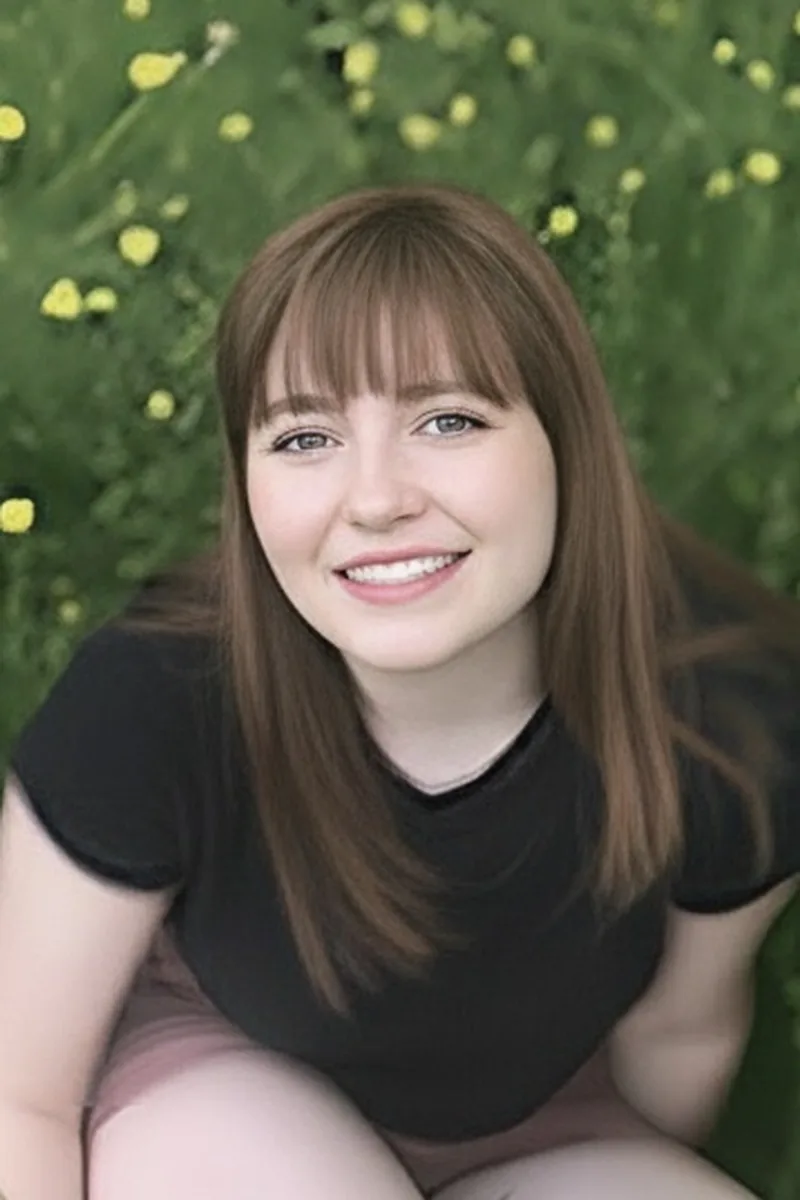
MiMi is currently pursuing the same degree the AP Art History exam was built around — Art History, Criticism, and Conservation — at Stanford, which means she's actively studying the critical methodologies and conservation debates that underpin the course's approach to the 250-image set. Her coursework in modern languages also strengthens her ability to teach students how non-Western and cross-cultural works communicate meaning through form and context. A 34 ACT reflects the kind of sharp analytical reading that translates directly to the exam's timed essays.
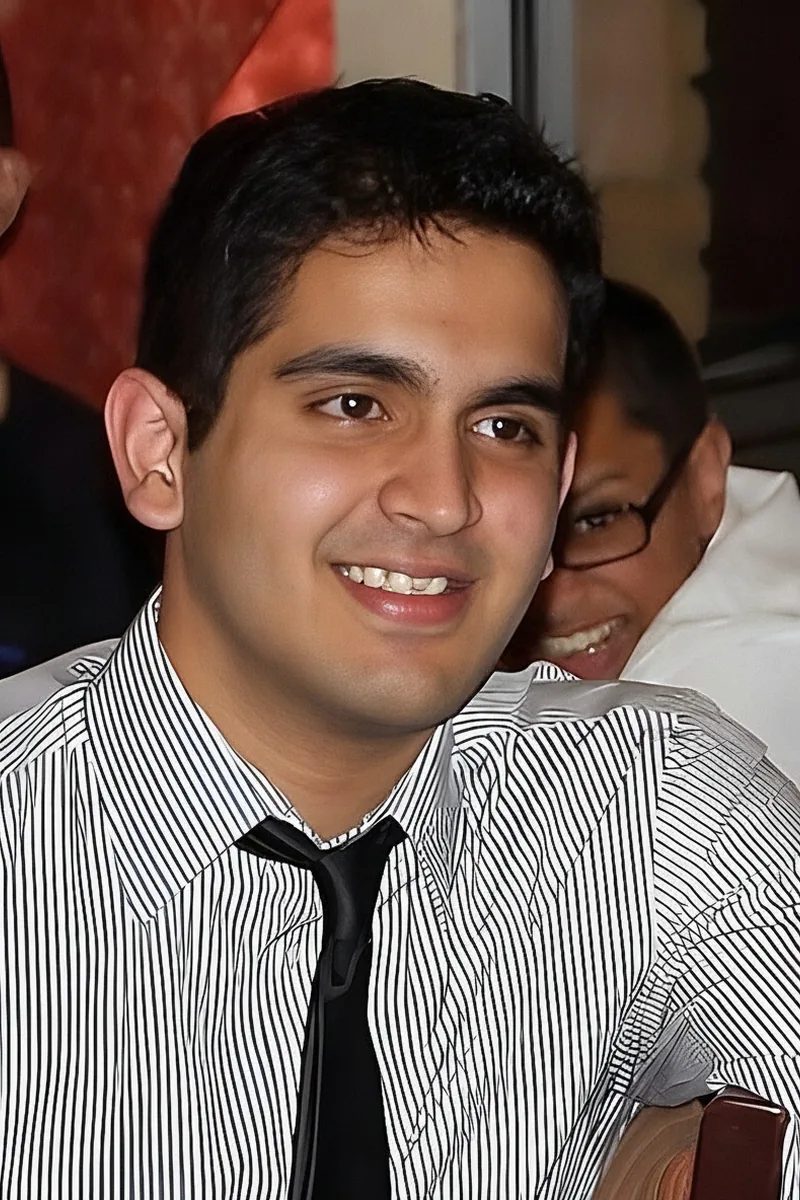
Most students walk into AP Art History thinking they need to memorize 250 images. Muhammad shifts the focus to the analytical frameworks — how to discuss form, function, content, and context — so that encountering an unfamiliar work on the exam feels manageable rather than paralyzing.
Frances's Master's in Literature and the Humanities means she's spent years tracing how intellectual movements, religious thought, and political upheaval shape creative expression — the exact kind of contextual reasoning AP Art History's essay prompts demand. She teaches students to read a work's iconography and formal choices as arguments rooted in a specific cultural moment, then translate that analysis into structured, evidence-driven prose. Rated 5.0 by students.
Most students walk into AP Art History expecting to memorize 250 images and call it a day. Rachel reframes the course around the questions the exam actually asks: how context shapes artistic choices, how form communicates meaning, and how to write a sharp comparative analysis under time pressure. Her background in political science adds depth when discussing art tied to power, propaganda, and social movements.
Public health is fundamentally about how societies organize around shared values — sanitation, access, equity — and that same lens applies surprisingly well to AP Art History, where students need to explain how cultural priorities and social structures shaped everything from Egyptian funerary art to WPA murals. Shripal teaches students to read works as artifacts of the communities that produced them, connecting form and function to the public forces behind them. Rated 5.0 by students.
Christianna holds a master's in architecture, which means she doesn't just teach AP Art History's required works — she can explain the structural innovations behind the Pantheon's dome, the flying buttresses at Chartres, or Le Corbusier's use of reinforced concrete. That firsthand design knowledge turns memorization of periods and styles into genuine understanding of how and why art was made.
Volunteering at an ancient art museum, Sophie designed classes and presentations that taught visitors to read objects in their historical and cultural context — exactly the skill AP Art History's free-response questions test. Her Yale Humanities curriculum immerses her in the cross-disciplinary thinking the exam demands, from philosophical frameworks to political systems that shaped artistic patronage and production. Rated 5.0 by students.
An accounting background might seem far from art history, but Amy's economics training at Purdue taught her to analyze how trade, wealth, and patronage systems shaped artistic production — exactly the kind of contextual thinking the AP Art History exam rewards. She pairs that with a genuine love of art and reading to teach students how to connect works from the 250-image set to the economic and cultural forces behind them.
Having earned a degree in both Studio Art and English, Julia sits at the exact intersection AP Art History tests — she knows what it means to make art and can articulate in writing why formal choices matter within cultural and historical contexts. She's especially strong on teaching students how to translate close visual observation into the kind of evidence-based prose the free-response questions reward.
A Yale-trained art historian with a degree in Art History, Criticism, and Conservation, Moses brings the exact academic background this exam was designed to test — he can unpack how conservation practices and critical theory shape the way we interpret works across the 250-image set. He's particularly strong on teaching students to move from identifying formal elements to building the kind of contextual arguments the free-response questions reward. Rated 5.0 by students.
This is Shelby's home turf. As Assistant Curator of Visual Resources in Vanderbilt's History of Art department, she works daily with the kinds of images, architectural plans, and cultural objects that appear on the AP Art History exam. She breaks down the 250-image set by teaching students to compare works across time periods using formal analysis vocabulary — line, composition, patronage, function — rather than brute-force memorization.
Teaching art history in museums, classrooms, and community spaces across New York, Chicago, and Vienna gave Sarah a cross-cultural fluency that maps directly onto the AP exam's global content areas — she can contextualize a Shinto shrine and a Bauhaus building within the same analytical framework. Her anthropology degree sharpens that further, turning the 250-image set's questions about function, patronage, and cultural meaning into the kind of fieldwork-style inquiry she was trained in. Rated 5.0 by students.
Currently pursuing degrees in Art Education, Art History, and Community Arts at Temple, Madeleine is studying the very material this exam covers — she's immersed daily in the visual analysis, cultural contextualization, and critical frameworks that drive the 250-image set. That community arts focus also gives her a practical understanding of how art functions within social and institutional spaces, which sharpens her teaching on the exam's questions about patronage, audience, and purpose.
Working as a museum educator at the Hudson River Museum, Vivian does daily what the AP Art History exam asks students to do on paper — she walks people through artworks and teaches them to see how historical context, religious function, and patronage shaped what ended up on the wall. Her Fordham training in theology, philosophy, and Medieval Studies gives her particular depth with the sacred and medieval works in the 250-image set, where understanding iconography and liturgical purpose is the difference between describing a work and actually analyzing it. Rated 5.0 by students.
David's liberal arts training in English and critical reading translates well to AP Art History, where the real challenge isn't memorizing the 250-image set but writing tightly argued essays that connect visual evidence to cultural context. He treats each work like a text to be read — teaching students to identify formal choices, ask what they communicate, and build that analysis into the kind of structured prose the free-response questions reward.
Few tutors bring Lee's combination of a University of Maryland studio art degree and a scientist's analytical rigor to AP Art History. He teaches students to move beyond identifying artistic periods and instead analyze how formal elements — composition, color, materiality — encode the cultural and political contexts the exam actually tests.
I am not tutoring, I enjoy reading fiction, going to the movies, and spending time with my friends and family in the sunshine.
Testimonials
Because the right AP Art History tutor makes all the difference.
Average Session Rating – Based on 3.4M Learner Ratings
Practice AP Art History
Free practice tests, flashcards, and AI tutoring for AP Art History
Nearby AP Art History Tutors
Other Denton Tutors
Related Social Studies Tutors in Denton
Frequently Asked Questions
AP Art History spans works of art from prehistory through the present day, organized into four global regions: Europe and Americas, Africa, West and Central Asia, and East Asia. The course emphasizes visual analysis, historical context, and understanding how art reflects cultural values. Students learn to identify artworks, analyze their significance, and connect them to broader historical movements—skills that are tested through multiple-choice questions, short-answer responses, and essay writing on the AP exam.
Personalized 1-on-1 instruction helps you develop strong visual analysis skills, build a comprehensive knowledge of required artworks, and practice the specific question formats you'll encounter on test day. Tutors can help you create a study schedule that covers all four regions systematically, identify which artworks and time periods you find most challenging, and refine your essay-writing technique under timed conditions. With focused practice and feedback, you'll gain the confidence and skills needed to perform well on the exam.
Many students struggle with memorizing the large number of required artworks and their historical contexts, or with analyzing unfamiliar works they haven't studied before. Others find it difficult to write cohesive essays that connect specific artworks to broader historical themes within the time constraints. Time management during the exam is also a challenge—balancing careful analysis with the need to complete all sections. A tutor can help you develop memory strategies, practice analyzing unfamiliar works, and build essay-writing speed through targeted practice.
Your first session is designed to assess your current knowledge, understand your goals, and identify areas where you need the most support. A tutor will likely ask about your background in art history, review sample artworks with you, and gauge your comfort with visual analysis and essay writing. From there, you'll work together to create a personalized study plan that targets your specific weaknesses, whether that's memorizing artworks, understanding historical contexts, or improving your exam technique.
Score improvement depends on your starting point, how consistently you work with a tutor, and how much time you dedicate to practice between sessions. Students who begin tutoring early in the school year and engage actively in their study plan typically see meaningful gains—often moving from a 2 or 3 to a 4 or 5. However, improvement requires commitment; even the best tutoring works best when paired with regular practice, review of artworks, and consistent effort on your own.
Varsity Tutors connects you with expert tutors who have deep knowledge of AP Art History and understand the exam's specific demands. When you get matched with a tutor, you can review their background, experience with AP students, and teaching approach. Look for tutors who can demonstrate strong visual analysis skills, familiarity with the required artworks across all four regions, and experience helping students improve their exam scores.
Strong AP Art History essays require you to analyze specific artworks in detail while connecting them to larger historical themes—all within a limited timeframe. A tutor can teach you a structured approach to essay planning, help you practice selecting the most relevant artworks to support your arguments, and give you feedback on your analysis and writing style. Practicing timed essays regularly, with feedback from someone who understands the exam rubric, is one of the most effective ways to build both skill and confidence.
Practice tests are most valuable when you use them strategically—taking full practice exams under timed conditions helps you identify weak areas and build stamina for test day. Rather than taking practice tests randomly, work with a tutor to space them throughout your study plan, review your mistakes carefully to understand what went wrong, and adjust your study focus based on patterns you notice. This approach turns practice tests into a diagnostic tool that guides your preparation rather than just a way to measure progress.
Let’s find your perfect tutor
Answer a few quick questions. We’ll recommend the right plan and match you with a top 5% tutor.