Award-Winning AP Chinese Language and Culture Tutors
serving Austin, TX
AP Chinese Language and Culture
Tutors in Austin
Private 1-on-1 tutoring, weekly live classes for academic support, test prep & enrichment, practice tests and diagnostics, and more to elevate grades and test scores.
Based on 3.4M Learner Ratings
UniversitiesSchools & Universities
DeliveredHours Delivered
ProficiencyGrowth in Proficiency
Who needs tutoring?
No obligation. Takes ~1 minute.

I'm Jay! I'm currently going to college at the University of Texas at Austin. I am majoring in fine arts and I am also in the pre-medical program. Even though I'm not done with college, I have already published papers in the field of epigenetics since my freshmen year of college. Even though I consider myself to have an expertise in languages, I decided to teach areas in the field of natural sciences because those are the subjects that I am most passionate about.
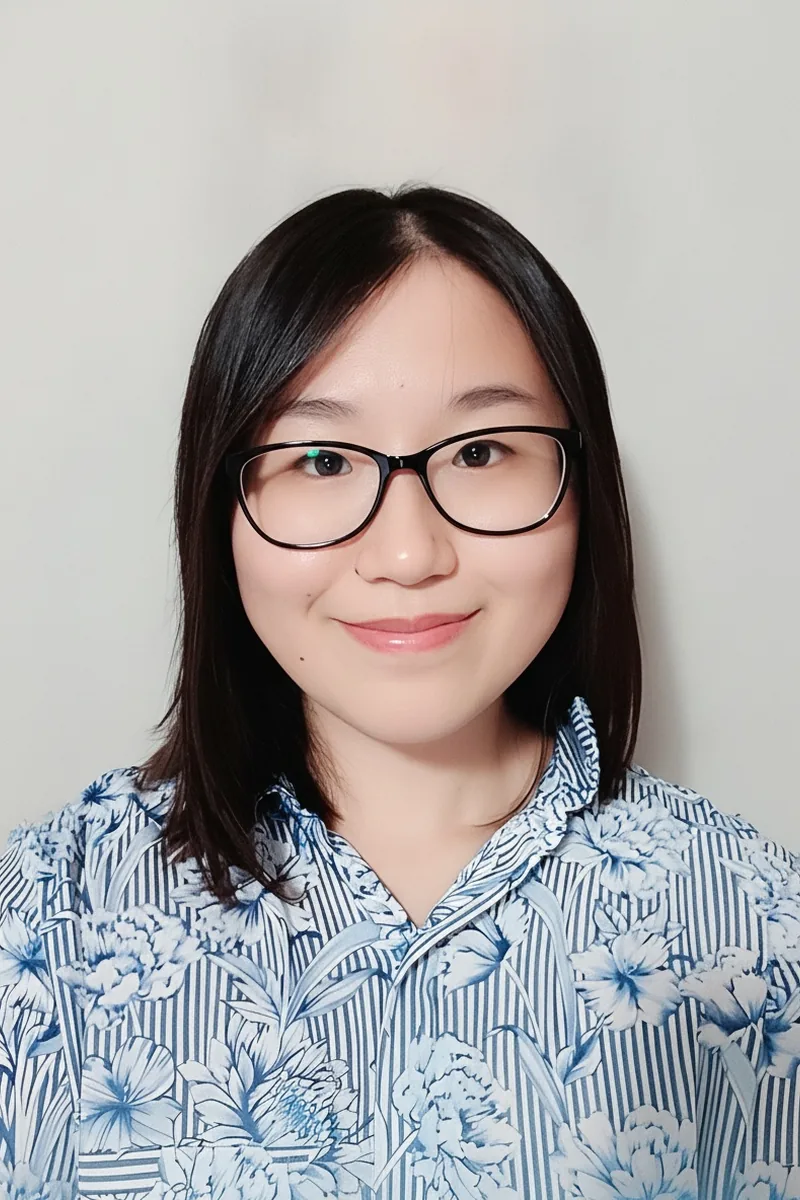
Patricia's favorite subjects to tutor include beginner's and intermediate Chinese, and she brings that same enthusiasm to AP-level prep — particularly the listening comprehension and reading sections where students need to parse formal written Mandarin beyond everyday conversation. She also teaches across multiple Mandarin levels, so she can quickly identify which foundational gaps in grammar or vocabulary are holding a student back on timed exam tasks.
Eight years of teaching Chinese language and culture across elementary, middle, and high school levels — plus directing a K-12 language enrichment program — makes Amanda one of the rare tutors who understands the full arc of the AP Chinese exam. She tackles the interpersonal and presentational speaking tasks head-on, coaching students to respond with cultural nuance and grammatical precision under timed conditions. Rated 5.0 by students.
The AP Chinese exam tests far more than vocabulary recall — it demands cultural knowledge, formal register in writing, and the ability to compare Chinese and American perspectives in presentational speaking. Daniel, who has studied Mandarin through advanced levels, breaks down each exam section so students know exactly what the graders are looking for in their responses.
Fluent in Mandarin and experienced with the AP Chinese exam format, JF tackles the presentational writing and interpersonal speaking components that trip up even heritage speakers. He digs into the cultural comparison prompts specifically, showing students how to structure responses that hit every rubric criterion.
The AP Chinese Language and Culture exam tests far more than vocabulary — it demands cultural fluency, the ability to compare perspectives, and comfort producing spoken and written Mandarin under timed pressure. Hannah holds a master's degree in Chinese Studies and is fully fluent in reading, writing, and spoken Mandarin, so she can prepare students for every section of the exam with real cultural context behind each response.
Jing teaches across all four levels of Mandarin Chinese and brings a computer engineering student's systematic mindset to AP Chinese prep — building targeted drills for the listening comprehension passages where students need to process rapid, formal Mandarin in real time. Her 5.0 rating and perfect GPA at Rutgers suggest the same discipline she applies to coaching the exam's presentational speaking prompts, where clear tonal control and organized delivery under time pressure make the difference between a 4 and a 5.
Most AP Chinese prep zeroes in on language mechanics, but the exam's interpersonal speaking prompts also reward the kind of natural conversational flow that comes from genuine cultural immersion — something Yuyi brings as a native Mandarin speaker who also studied English and psychology at the university level. That dual-language academic background makes her especially effective at coaching students through the interpretive reading section, where parsing formal written Mandarin requires more than character recognition.
The AP Chinese Language and Culture exam tests more than vocabulary — it requires students to compare cultural practices, narrate stories in real time, and write structured responses under pressure. Yiyu, educated in Beijing before earning her M.S. in Education, unpacks the cultural knowledge embedded in each task type and drills the specific speaking and writing patterns that earn top scores.
Scoring well on the AP Chinese exam means toggling between reading comprehension, cultural knowledge, and spontaneous speaking — all in one test. Nicole is fluent in both Mandarin and Cantonese and teaches students to navigate the interpersonal and presentational communication tasks the exam demands. She puts particular emphasis on the cultural comparison essay, where strong structure makes all the difference.
The AP Chinese exam's cultural comparison essays reward students who can draw on genuine cross-cultural experience — and as a Mandarin Chinese speaker studying at the University of Minnesota, Amy lives that dual perspective daily. She also teaches across multiple Mandarin levels, so she can identify gaps in a student's formal written register or listening comprehension and target those specific weaknesses before exam day.
Jason is a Mandarin speaker who understands both the linguistic and cultural dimensions the AP Chinese exam tests — from formal vs. informal register in presentational writing to the cultural comparisons required in the free-response section. He walks students through listening comprehension strategies and character recognition alongside the cultural knowledge that earns top scores.
Growing up as a native Mandarin speaker and now studying computer science at Georgia Tech, Caleb brings an analytical mindset to the AP Chinese exam's listening comprehension section — breaking down how to process rapid formal Mandarin by isolating key structural cues rather than trying to translate every word. He's especially useful for students who speak conversational Mandarin at home but struggle with the exam's academic register and the presentational speaking prompts that demand organized, formal delivery under time pressure.
Charles speaks both Cantonese and Mandarin and teaches across all four Mandarin Chinese levels, which means he can pinpoint exactly where a student's tonal accuracy or grammatical structure needs tightening before exam day. His strongest contribution to AP Chinese prep is the interpersonal response tasks — he runs rapid-fire conversational drills that build the kind of spontaneous, register-appropriate Mandarin the exam scores highest.
The AP Chinese Language and Culture exam rewards students who can think culturally, not just linguistically — comparing traditions, explaining customs, and narrating personal experiences in natural Mandarin. Lauren lived in Nanjing and studied at Nanjing University, so she brings real-world cultural fluency to the interpersonal and presentational tasks that trip up even strong speakers. Her linguistics degree also means she can explain tricky grammar patterns with unusual clarity.
After a decade teaching middle schoolers in a Chinese immersion school in California, Ruth knows exactly where students' spoken Mandarin starts to buckle under the pressure of timed AP tasks — especially the presentational speaking prompts that demand formal structure and clear tonal precision on the fly. She also taught History and Theater entirely in Chinese, which means her students get exposure to the kind of cross-disciplinary cultural vocabulary that the exam's reading and listening passages actually test. Rated 5.0 by students.
Testimonials
Because the right AP Chinese Language and Culture tutor makes all the difference.
Average Session Rating – Based on 3.4M Learner Ratings
Nearby AP Chinese Language and Culture Tutors
Other Austin Tutors
Related Languages Tutors in Austin
Frequently Asked Questions
The AP Chinese Language and Culture exam tests proficiency across five key areas: interpersonal communication (conversations), interpretive listening and reading, and presentational writing and speaking. The exam emphasizes real-world language use, cultural understanding, and communication in Mandarin Chinese. For students in Austin preparing for this exam, understanding the balance between language skills and cultural knowledge is essential to performing well across all sections.
AP scores range from 1 to 5, with a 3 or higher typically considered passing for college credit. Most colleges award credit for scores of 4 or 5. Your target score depends on your college goals and the specific requirements of schools you're applying to—some programs may require a 4 or 5 for language credit. Varsity Tutors can connect you with tutors who help you understand your current level and develop a realistic improvement plan based on your baseline and timeline.
The speaking portion of AP Chinese requires clear pronunciation, natural pacing, and grammatically accurate responses. Many students struggle with spontaneous speaking under timed conditions. Personalized tutoring focuses on building confidence through repeated practice with real exam-style prompts, recording and reviewing your responses, and receiving targeted feedback on grammar and fluency. Regular practice with a tutor helps you develop the automaticity needed to speak naturally during the exam.
These interpretive sections require rapid comprehension and the ability to identify key details and main ideas in authentic Chinese materials. Many students find the listening section challenging due to natural speech patterns and regional accents. Effective preparation involves practicing with authentic materials, learning to recognize common question formats, and developing strategies for managing time. Tutors can help you identify whether you're missing vocabulary, struggling with grammar structures, or simply need more exposure to native-speed audio.
The writing section requires you to compose emails, articles, and other formatted responses with proper grammar, tone, and cultural appropriateness. Many students underestimate how much practice this section needs—ideally, you should be writing regularly and getting feedback on structure, vocabulary use, and character accuracy. A tutor can review your writing samples, identify patterns in your errors, and help you develop editing strategies so you can catch mistakes during the timed exam.
Most students benefit from 3-6 months of focused preparation, though this depends on your current proficiency level and how frequently you study. If you're starting from a lower baseline, you may want to begin earlier. Consistency matters more than cramming—regular practice with a tutor over several months allows you to build both language skills and test-taking confidence. Your tutor can help you create a study schedule that balances all five skill areas and accounts for your other commitments.
Yes—full-length practice tests are invaluable for understanding pacing, identifying weak areas, and building test-day stamina. Most students should take at least 2-3 full practice tests during their preparation period, starting 6-8 weeks before exam day. After each test, review your mistakes carefully to spot patterns. Tutors can help you analyze your practice test results, determine whether errors stem from knowledge gaps or test-taking strategy issues, and adjust your study plan accordingly.
Look for tutors with native or near-native proficiency in Mandarin Chinese, strong understanding of the AP exam format, and experience helping students improve their scores. Ideally, they should be familiar with common student mistakes, cultural nuances, and effective teaching strategies for each skill area. Varsity Tutors connects you with experienced tutors who understand the specific demands of AP Chinese Language and Culture and can tailor instruction to your needs.
Let’s find your perfect tutor
Answer a few quick questions. We’ll recommend the right plan and match you with a top 5% tutor.