Award-Winning AP Chinese Language and Culture Tutors
serving Fort Worth, TX
AP Chinese Language and Culture
Tutors in Fort Worth
Private 1-on-1 tutoring, weekly live classes for academic support, test prep & enrichment, practice tests and diagnostics, and more to elevate grades and test scores.
Based on 3.4M Learner Ratings
UniversitiesSchools & Universities
DeliveredHours Delivered
ProficiencyGrowth in Proficiency
Who needs tutoring?
No obligation. Takes ~1 minute.
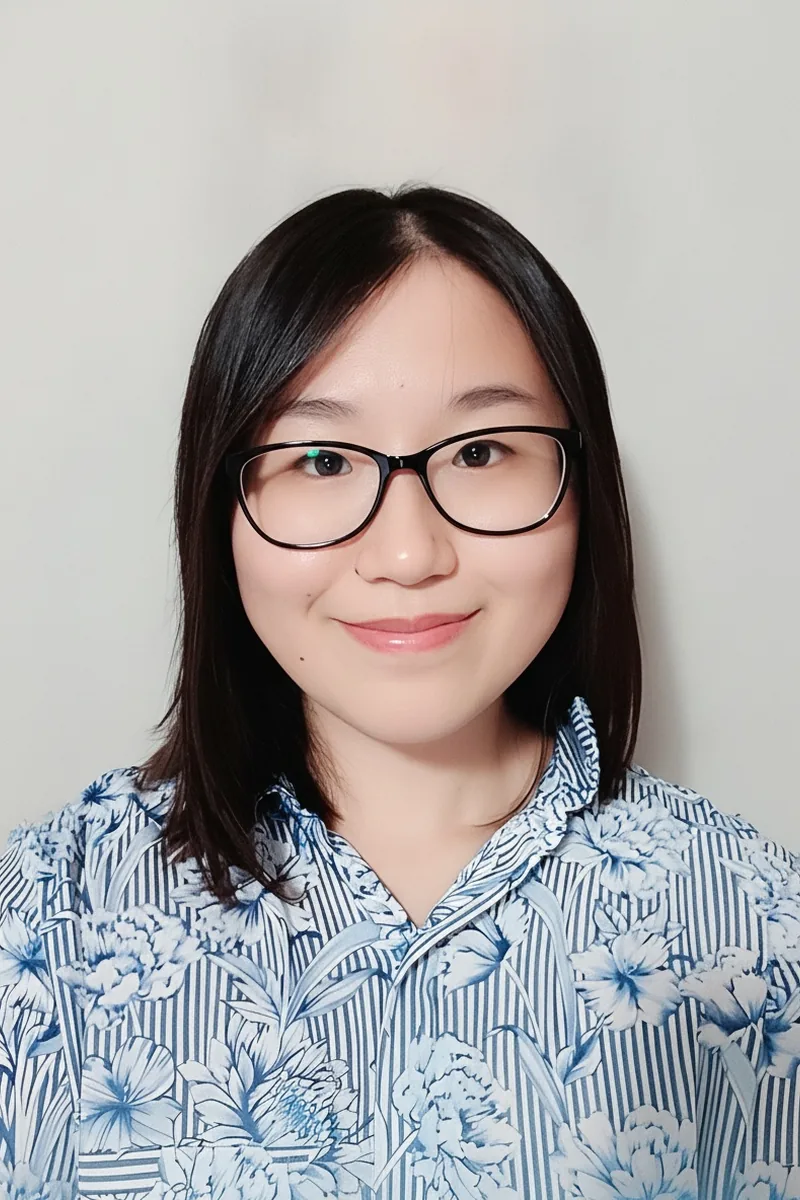
Patricia's favorite subjects to tutor include beginner's and intermediate Chinese, and she brings that same enthusiasm to AP-level prep — particularly the listening comprehension and reading sections where students need to parse formal written Mandarin beyond everyday conversation. She also teaches across multiple Mandarin levels, so she can quickly identify which foundational gaps in grammar or vocabulary are holding a student back on timed exam tasks.
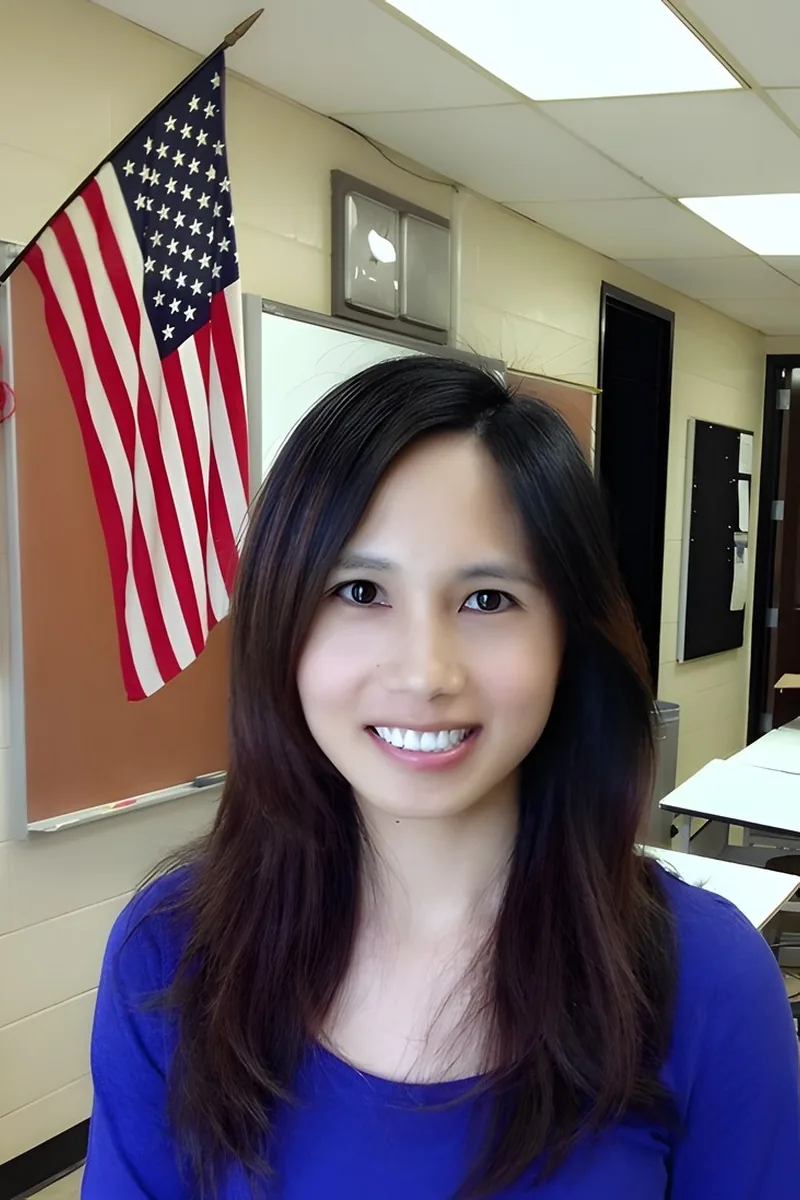
Eight years of teaching Chinese language and culture across elementary, middle, and high school levels — plus directing a K-12 language enrichment program — makes Amanda one of the rare tutors who understands the full arc of the AP Chinese exam. She tackles the interpersonal and presentational speaking tasks head-on, coaching students to respond with cultural nuance and grammatical precision under timed conditions. Rated 5.0 by students.
The AP Chinese exam tests far more than vocabulary recall — it demands cultural knowledge, formal register in writing, and the ability to compare Chinese and American perspectives in presentational speaking. Daniel, who has studied Mandarin through advanced levels, breaks down each exam section so students know exactly what the graders are looking for in their responses.
I'm Jay! I'm currently going to college at the University of Texas at Austin. I am majoring in fine arts and I am also in the pre-medical program. Even though I'm not done with college, I have already published papers in the field of epigenetics since my freshmen year of college. Even though I consider myself to have an expertise in languages, I decided to teach areas in the field of natural sciences because those are the subjects that I am most passionate about.
Having tutored the SAT Subject Test in Chinese with Listening and spent time working in Hong Kong, Asta understands both the linguistic and cultural dimensions the AP Chinese exam tests. She digs into the presentational writing and interpersonal speaking tasks that trip up even heritage speakers, breaking down how to structure responses that earn top marks on the rubric.
Having grown up in China and studied at both UW-Madison and Bonn University in Germany, Mingxi brings native Mandarin fluency and a multilingual learner's awareness of how language structures differ — an edge that's especially useful for the AP Chinese exam's interpersonal response tasks, where students must produce natural, register-appropriate Mandarin on the spot. She also teaches across three levels of Mandarin Chinese, so she can quickly diagnose whether a student's weak spots are tonal, grammatical, or rooted in limited exposure to formal written conventions. Rated 4.7 by students.
Most AP Chinese prep zeroes in on language mechanics, but the exam's interpersonal speaking prompts also reward the kind of natural conversational flow that comes from genuine cultural immersion — something Yuyi brings as a native Mandarin speaker who also studied English and psychology at the university level. That dual-language academic background makes her especially effective at coaching students through the interpretive reading section, where parsing formal written Mandarin requires more than character recognition.
Barry grew up in China, took the AP Chinese Language and Culture exam himself, and spent years tutoring Chinese 4 students in high school. He knows exactly where the exam tests cultural nuance — from interpreting idiomatic expressions to navigating the presentational writing and speaking prompts — and prepares students for those specific demands.
The AP Chinese Language and Culture exam tests far more than vocabulary — it demands cultural fluency, the ability to compare perspectives, and comfort producing spoken and written Mandarin under timed pressure. Hannah holds a master's degree in Chinese Studies and is fully fluent in reading, writing, and spoken Mandarin, so she can prepare students for every section of the exam with real cultural context behind each response.
Because Karen teaches both traditional and simplified characters — and has tutored business Chinese alongside academic prep — her AP Chinese students get comfortable with the full range of written forms and registers the exam throws at them, from formal presentational writing to the interpretive reading passages that mix literary and contemporary styles. As a native Mandarin speaker with direct experience preparing students for the AP level, she zeroes in on the tonal precision and grammatical control that separate a 4 from a 5.
Throughout the ages, the religious and philosophical leaders of the Far East considered teaching the noblest occupation-- one of true wisdom and selflessness. Having had the great fortune to experience the transformative power of wonderful teachers, I've come to agree with this viewpointI've found my calling in education. I haven't always known that teaching was the vocation for me. Even though I've always taught, on some level, as a T.A., a private tutor, a classroom teacher, or a friend, I tried different jobs in the private sector for several years. However, upon much introspectionmy own enlightenmentI realized that teaching is my true calling. I have a passion for teaching, which is unmatched by any other field. Why do I teach? I teach because I know that I will learn something new from each teaching experience, with every student, with every day, without exception, and because this path is one that I know is beneficial to others and to society as a whole. I teach, because I believe I can do it well. I approach the job with a balance of both diligence and patience, and confidence and humility, with extreme focus and an open mind. I am very patient, which is incredibly important, because learning takes time and involves challenges. When I teach I project a sense of confidence, because as a lifelong perfectionist, I really do my homework! Before each lesson, I make sure I am thoroughly prepared so that I can teach lucidly and coherently and know how to anticipate questions and readily answer them. My confidence helps establish my authority in the classroom. I also strive to make what I teach relevant to my students' lives by drawing on my experiences as a student and teacher. I strive to be an educator like my own favorite teachersa teacher who is passionate about and has profound knowledge of his specialty, who believes in the unparalleled importance of education, and who inspires his students with his devotion.
The cultural presentation component of AP Chinese Language and Culture catches many students off guard because it requires genuine knowledge of Chinese traditions, geography, and social customs — not just language proficiency. Christine grew up in Shanghai and brings firsthand cultural context to topics like festival traditions, family structures, and regional differences that students need for both the exam and the interpersonal tasks. Her native fluency means she can coach pronunciation and tonal accuracy in real time.
Ten years teaching Mandarin in public schools — from absolute beginners through AP — means Paulkey has watched hundreds of students hit the same walls on the AP Chinese exam, especially the interpersonal response tasks where students freeze up trying to produce spontaneous, culturally appropriate Mandarin in real time. He pairs that classroom experience with a computer science background that makes his prep unusually structured: timed drills, systematic vocabulary review, and targeted practice on the listening comprehension passages that reward quick processing over perfect translation.
Most AP Chinese prep zeroes in on language mechanics, but the exam's interpersonal speaking prompts reward the kind of natural, idiomatic Mandarin that only comes from native fluency — and Tracy grew up speaking it at home. She also teaches across multiple Mandarin levels and competed in math competitions using bilingual problem-solving skills, so she understands how to bridge the gap between conversational comfort and the formal register the exam demands. Rated 4.9 by students.
Charles speaks both Cantonese and Mandarin and teaches across all four Mandarin Chinese levels, which means he can pinpoint exactly where a student's tonal accuracy or grammatical structure needs tightening before exam day. His strongest contribution to AP Chinese prep is the interpersonal response tasks — he runs rapid-fire conversational drills that build the kind of spontaneous, register-appropriate Mandarin the exam scores highest.
Eric teaches across three levels of Mandarin Chinese and coaches AP Chinese Language and Culture with a particular edge on the interpersonal speaking tasks, where his conversational fluency and 36 ACT verbal instincts help students think on their feet during timed prompts. His biomedical engineering coursework at Duke also means he can introduce technical and academic vocabulary that gives cultural comparison essays unexpected depth — discussing China's healthcare system, STEM education culture, or scientific collaboration norms rather than recycling the same festival examples every other student writes about.
Testimonials
Because the right AP Chinese Language and Culture tutor makes all the difference.
Average Session Rating – Based on 3.4M Learner Ratings
Nearby AP Chinese Language and Culture Tutors
Other Fort Worth Tutors
Related Languages Tutors in Fort Worth
Frequently Asked Questions
The AP Chinese Language and Culture exam tests proficiency across three communication modes: interpersonal (conversations and written exchanges), interpretive (reading and listening comprehension), and presentational (speaking and writing). The exam includes sections on listening, reading, writing, and speaking, with questions focused on Chinese culture, current events, and everyday communication scenarios. Success requires both strong language skills and cultural knowledge, which is why many students benefit from personalized instruction tailored to their specific weak areas.
Score improvements depend on your starting point and commitment level, but students typically see meaningful gains—often 1-2 score points—when they work with a tutor to target specific sections where they struggle. For example, if listening comprehension or timed writing is holding you back, focused practice with expert feedback can help you develop the strategies and confidence needed to perform better on test day. The key is identifying your weak areas early and practicing consistently with guidance from someone who understands the exam format.
The AP Chinese exam has strict time limits for each section, and pacing is a common challenge—especially for the reading and writing portions where students often underestimate how long responses take. A tutor can help you practice under timed conditions, teach you to prioritize questions strategically, and develop shortcuts for common question types so you're not rushing through the exam. Regular practice tests with realistic timing are essential for building the speed and accuracy you need.
The listening section challenges many students because it requires processing natural-speed Chinese with various accents and dialects, and you can't replay the audio during the actual exam. The key to improvement is consistent exposure to authentic listening materials combined with active note-taking strategies and practice identifying main ideas versus supporting details. A tutor can guide you through listening passages, help you recognize common patterns and question types, and teach you techniques to stay focused even when you miss individual words.
The writing and speaking sections require you to produce language rather than just comprehend it, which is why many students find them more intimidating than reading and listening. Effective preparation involves practicing timed writing responses, recording yourself speaking to identify pronunciation or grammar issues, and getting detailed feedback on your work. Varsity Tutors connects you with expert tutors who can review your written essays and speaking samples, point out specific areas for improvement, and help you develop the confidence and fluency needed to perform well under pressure.
Cultural knowledge is woven throughout the AP Chinese exam—it's not just a bonus but a core component that appears in reading passages, listening materials, and speaking/writing prompts. You'll encounter questions about Chinese history, traditions, current events, and social practices, so building cultural literacy alongside language skills is essential. A tutor can help you connect language learning with cultural context, making both easier to understand and remember.
Most students benefit from consistent, focused study over several months rather than cramming—ideally starting preparation 3-4 months before the exam. A realistic schedule might include 5-7 hours per week of practice, with time split between listening, reading, writing, and speaking. Working with a tutor helps you use that study time efficiently by targeting your specific weak areas and avoiding wasted effort on topics you've already mastered.
The best AP Chinese tutors have strong language proficiency, deep knowledge of the exam format and scoring rubric, and experience helping students improve their scores. For students in Fort Worth, finding a tutor who understands your individual learning style and can adapt their teaching approach is crucial—whether you need help with listening comprehension, writing fluency, or cultural knowledge. Varsity Tutors connects you with expert tutors who specialize in AP Chinese and can create a personalized study plan based on your current level and goals.
Let’s find your perfect tutor
Answer a few quick questions. We’ll recommend the right plan and match you with a top 5% tutor.