Award-Winning Microbiology Tutors
serving Columbia, SC
Microbiology
Tutors in Columbia
Private 1-on-1 tutoring, weekly live classes for academic support, test prep & enrichment, practice tests and diagnostics, and more to elevate grades and test scores.
Based on 3.4M Learner Ratings
UniversitiesSchools & Universities
DeliveredHours Delivered
ProficiencyGrowth in Proficiency
Who needs tutoring?
No obligation. Takes ~1 minute.
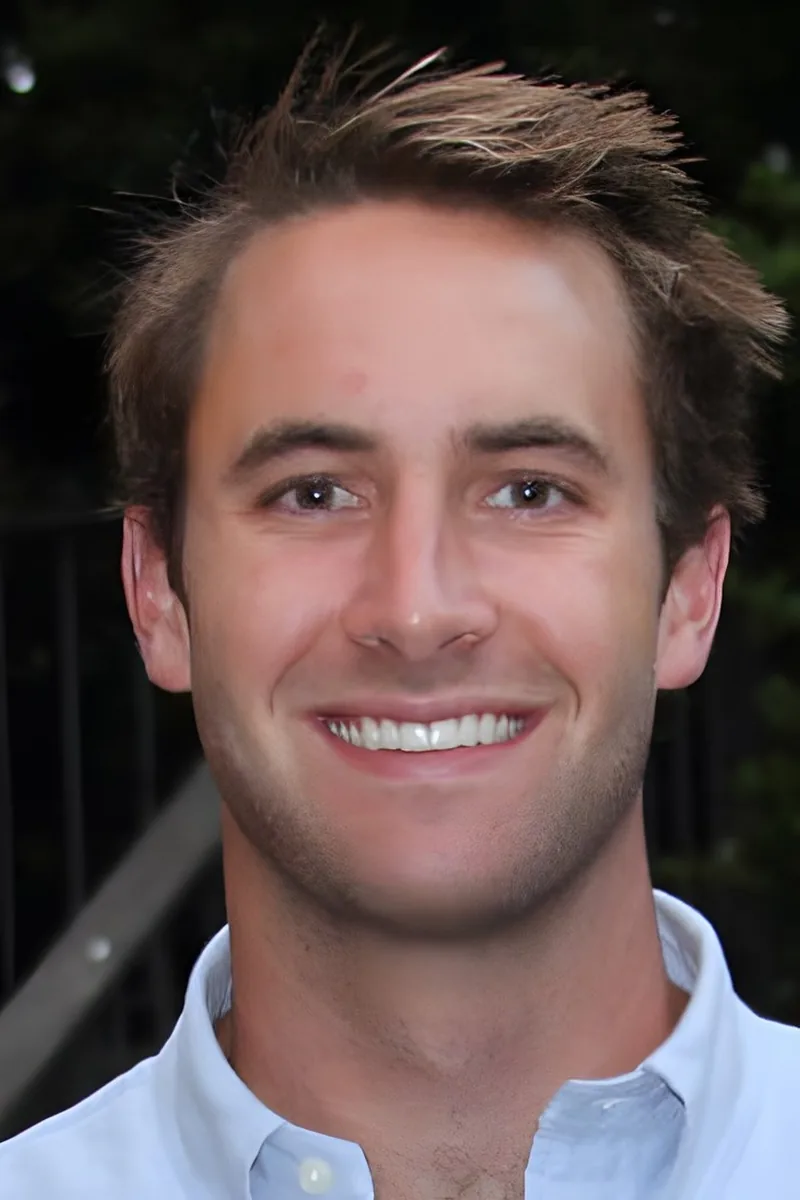
Ryan's master's work in cellular and molecular biology at Stanford, combined with hands-on synthetic biology research at NASA Ames, gave him deep fluency in microbial genetics, metabolic pathways, and laboratory techniques like PCR and gene cloning. He unpacks topics like bacterial pathogenesis and antimicrobial resistance by connecting them to the molecular mechanisms driving each process. Rated 5.0 by students.
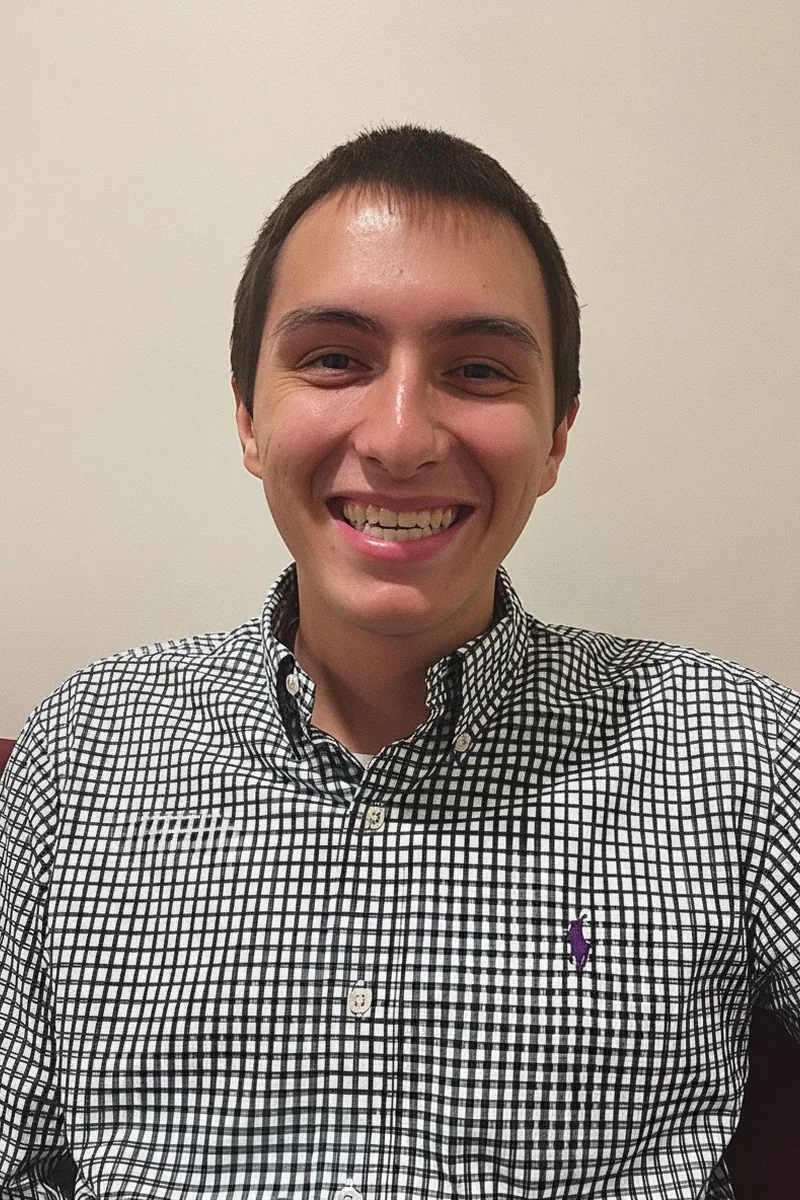
As a biology major at Boston College, Andrew's coursework in cell biology and lab science gave him hands-on experience with the microbial world — bacterial structure, growth dynamics, and the metabolic differences that determine how organisms thrive in different environments. His parallel study of chemistry strengthens how he explains topics like cell membrane function and nutrient uptake at the molecular level, turning dense material into something students can actually reason through. Rated 5.0 by students.
Studying cancer biology at the University of Chicago means Jessica spends time with microbial mechanisms at the cellular and molecular level — bacterial gene regulation, pathogenesis, and immune evasion strategies. She unpacks these dense topics by tying them to specific experimental techniques students encounter in their own coursework.
Understanding microbiology means getting comfortable with organisms you can't see — bacterial cell structure, viral replication cycles, and the metabolic pathways that keep microbes alive. Varuna's graduate work in biomedical engineering at Tufts involved the biological mechanisms that underpin infection and immunity, giving her a practical lens for teaching concepts like gram staining, antibiotic resistance, and microbial genetics.
Gram stains, bacterial metabolic pathways, and viral replication cycles all require a kind of systematic memorization that falls apart without conceptual scaffolding. Anni's graduate work in biomedical sciences at UMDNJ gave her direct experience with microbial concepts, and she teaches them by linking each organism's structure to its clinical significance.
Anurag studied microbiology as part of his biology degree at VCU and reinforced that knowledge as a Cell Biology and Genetics preceptor, where bacterial cell structure, metabolic pathways, and microbial genetics came up constantly. He unpacks dense topics like gram staining mechanisms, viral replication cycles, and antibiotic resistance by connecting them to the underlying cell biology that makes each process logical.
Studying chemistry at Vanderbilt gave Elsa a strong molecular-level lens for understanding microbial processes — from bacterial cell structure and metabolic pathways to mechanisms of antibiotic resistance. She approaches microbiology by connecting cellular machinery to the chemical reactions driving it, which makes topics like gram staining or viral replication cycles easier to retain.
Bacterial genetics, microbial metabolism, and pathogenesis mechanisms can feel like an overwhelming amount of detail to absorb at once. Akarsh earned both his bachelor's and master's degrees in cellular and molecular biology, so he unpacks microbiology at the molecular level — connecting gene regulation to virulence factors and metabolic pathways in ways that make the material stick.
Medical school demands a granular understanding of pathogens — bacterial cell wall differences, viral replication cycles, antibiotic resistance mechanisms. Daniel earned his M.D. and brings that clinical lens to microbiology, connecting each organism's structure and behavior to the disease processes students are expected to know for exams.
Studying microbiology in preparation for medical school gave Nishad a detailed command of bacterial physiology, viral replication cycles, and immune response pathways. He teaches students to connect structure to function — understanding why Gram-negative bacteria resist certain antibiotics, for instance, by tracing the architecture of their outer membrane.
Bacterial classification, viral replication cycles, and host-pathogen interactions are central to both microbiology coursework and clinical medicine. As a medical student at UMKC, Evelyn encounters these concepts in a clinical context every week, which means she can explain the difference between gram-positive and gram-negative organisms — or how antibiotic resistance develops — with real diagnostic scenarios in mind.
Her global health minor at Cornell meant Emily spent real time studying how pathogens spread, how immune responses work, and why microbial ecology matters beyond the lab. She digs into topics like bacterial cell structure, viral replication cycles, and antimicrobial resistance with the kind of context that makes memorization-heavy material more intuitive.
Testimonials
Because the right Microbiology tutor makes all the difference.
Average Session Rating – Based on 3.4M Learner Ratings
Nearby Microbiology Tutors
Other Columbia Tutors
Related Science Tutors in Columbia
Frequently Asked Questions
Microbiology courses generally cover cell structure and function, metabolism, genetics, growth and reproduction of microorganisms, and how bacteria, viruses, fungi, and protozoans affect human health and the environment. Many courses also include laboratory work focusing on culturing, staining, and identifying microorganisms. For students in Columbia, a tutor can help connect these concepts to real-world applications like disease prevention, food safety, and biotechnology.
Personalized tutoring helps you understand the scientific reasoning behind lab procedures, interpret results accurately, and troubleshoot when experiments don't go as planned. A tutor can explain why certain techniques matter, help you visualize what's happening at the microscopic level, and strengthen your lab report writing skills. This deeper understanding makes lab time more productive and helps you develop real scientific thinking skills beyond just following instructions.
Many students struggle with visualizing microscopic structures and processes they can't see with the naked eye, balancing chemical equations in metabolic pathways, and understanding the relationships between structure and function at the cellular level. Others find it difficult to distinguish between similar microorganisms or remember the vast amount of terminology. Varsity Tutors connects you with expert tutors who can break down these abstract concepts into clear, understandable explanations tailored to how you learn best.
While microbiology does involve learning terminology and facts, success really depends on understanding how and why microorganisms behave the way they do. When you grasp the underlying concepts—like how bacterial cell walls differ from plant cell walls, or why certain antibiotics target specific organisms—the facts become easier to retain and apply. Personalized tutoring focuses on building conceptual understanding so you can reason through problems and apply knowledge to new situations, rather than just memorizing isolated facts.
During your first session, a tutor will assess your current understanding of microbiology concepts, identify specific areas where you need support, and learn about your learning style and goals. Together, you'll develop a personalized plan that might include reviewing difficult topics, preparing for exams, strengthening lab skills, or improving your ability to think scientifically about microbial processes. This foundation helps ensure every subsequent session is focused and productive.
A tutor can help you identify which concepts you've mastered and which need more work, then use targeted practice and explanations to fill those gaps. They'll help you practice applying concepts to different scenarios, understand exam question formats, and develop strategies for tackling complex problems. This approach builds both confidence and the ability to think critically about microbiology concepts under test conditions.
Look for tutors with strong backgrounds in microbiology or related sciences, ideally with experience teaching or tutoring the specific level you're studying (high school, college, or graduate). They should be able to explain complex concepts clearly, have experience with lab work, and understand current microbiology curriculum standards. Varsity Tutors connects you with expert tutors who have demonstrated expertise and a track record of helping students succeed in microbiology.
Microbiology is foundational for careers in medicine, public health, pharmaceutical development, food safety, environmental science, and biotechnology. Understanding how microorganisms cause disease, produce medicines, or affect ecosystems opens doors to meaningful work in healthcare, research, and industry. A tutor can help you see these connections throughout your course, making the material more relevant and helping you appreciate why mastering these concepts matters beyond just earning a grade.
Let’s find your perfect tutor
Answer a few quick questions. We’ll recommend the right plan and match you with a top 5% tutor.