Award-Winning Microbiology Tutors
serving Greenville, SC
Microbiology
Tutors in Greenville
Private 1-on-1 tutoring, weekly live classes for academic support, test prep & enrichment, practice tests and diagnostics, and more to elevate grades and test scores.
Based on 3.4M Learner Ratings
UniversitiesSchools & Universities
DeliveredHours Delivered
ProficiencyGrowth in Proficiency
Who needs tutoring?
No obligation. Takes ~1 minute.
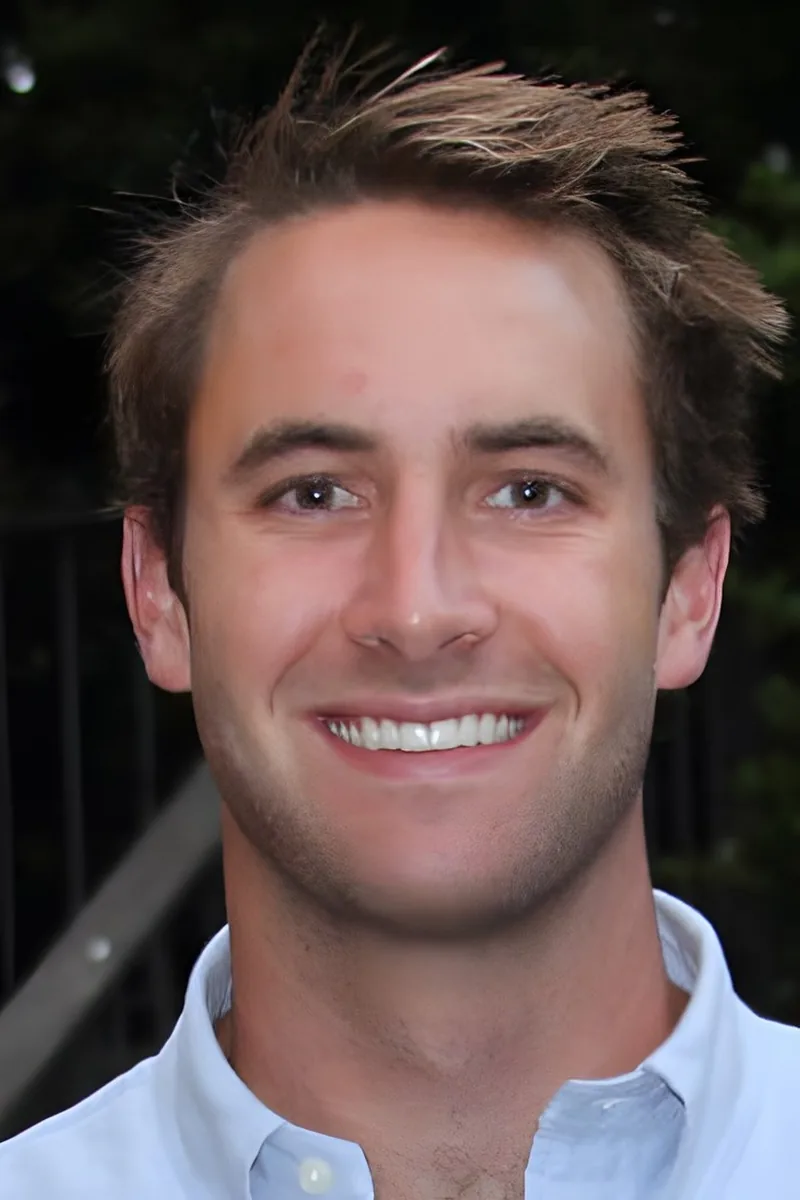
Ryan's master's work in cellular and molecular biology at Stanford, combined with hands-on synthetic biology research at NASA Ames, gave him deep fluency in microbial genetics, metabolic pathways, and laboratory techniques like PCR and gene cloning. He unpacks topics like bacterial pathogenesis and antimicrobial resistance by connecting them to the molecular mechanisms driving each process. Rated 5.0 by students.
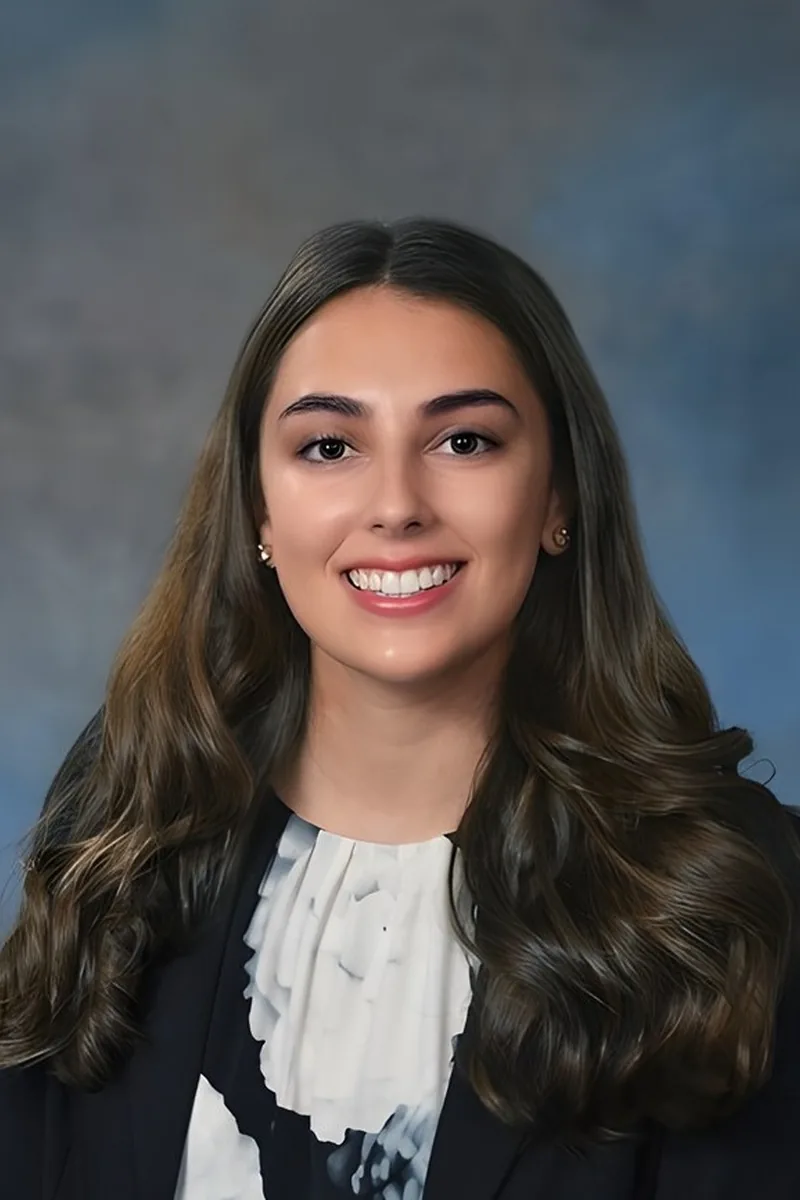
Medical school gave Amanda a front-row seat to microbiology that matters — bacterial pathogenesis, viral replication cycles, immune evasion strategies, and antimicrobial resistance. She teaches microbiology by organizing organisms around the mechanisms that make them dangerous or clinically important, which turns a subject that can feel like pure memorization into a set of logical patterns. Students preparing for exams or applying to health professions get a tutor who knows exactly how this material shows up later.
Garrett's biology degree paired with his coursework in physiology and anatomy means he understands microorganisms in the context of the systems they infect — not as isolated names on a flashcard. He walks through topics like microbial cell structure, pathogen life cycles, and immune evasion strategies by anchoring each organism to the tissue-level damage it actually causes, which turns a massive taxonomy into something students can reason through.
Studying cancer biology at the University of Chicago means Jessica spends time with microbial mechanisms at the cellular and molecular level — bacterial gene regulation, pathogenesis, and immune evasion strategies. She unpacks these dense topics by tying them to specific experimental techniques students encounter in their own coursework.
Studying microbiology in preparation for medical school gave Nishad a detailed command of bacterial physiology, viral replication cycles, and immune response pathways. He teaches students to connect structure to function — understanding why Gram-negative bacteria resist certain antibiotics, for instance, by tracing the architecture of their outer membrane.
Between her molecular biology degree and her current biomedical science graduate program, Sierra has spent years working with bacterial physiology, microbial genetics, and host-pathogen interactions. She explains dense topics like gram staining protocols, metabolic pathways, and antimicrobial resistance mechanisms by tying them back to real clinical and research scenarios that make the material stick.
Between her Columbia nutrition degree and her PA training at Rutgers, Victoria has spent years studying bacterial metabolism, host-pathogen interactions, and immune responses at the cellular level. She unpacks microbiology concepts like gram staining protocols, virulence factors, and microbial genetics by tying them to clinical scenarios that make the material stick.
Few tutors have a dedicated microbiology credential — Felix earned an Associate in Science specifically in microbiology and taught biology at the university level as a TA. He digs into bacterial morphology, staining techniques, metabolic pathways, and microbial genetics with the kind of detail that lecture halls often gloss over. Whether it's understanding biofilm formation or interpreting antibiotic susceptibility results, he connects lab concepts to the underlying theory.
Neuroscience at Brown doesn't let you skip the micro — Owen's coursework in biology and chemistry built a working understanding of how microorganisms operate at the cellular level, from membrane transport to metabolic regulation. He brings that mechanistic thinking to topics like bacterial growth curves and immune evasion, breaking down each process into the molecular steps that actually explain it.
Josef's life sciences research at Cornell gave him hands-on familiarity with microbial systems, from bacterial cell structure and gram staining to pathogenic mechanisms and antibiotic resistance. He teaches microbiology by linking each organism's biology to its clinical or ecological significance, which makes classification and virulence factors far easier to retain.
Rebecca tutored microbiology throughout her time at Cornell while completing her biological sciences degree, so she knows exactly where students get lost — distinguishing bacterial metabolic pathways, interpreting Gram stain results, or connecting virulence factors to clinical outcomes. She teaches the subject by building a logical framework around microbial structure and function, which makes memorizing hundreds of organisms far more manageable.
An environmental biology degree means Andrew spent real time studying how microbial communities shape ecosystems — from soil bacteria driving decomposition to waterborne microorganisms cycling nutrients through aquatic systems. That ecological grounding lets him teach concepts like microbial metabolism and population dynamics by connecting them to the environmental processes students can actually visualize, rather than treating them as isolated textbook definitions.
Testimonials
Because the right Microbiology tutor makes all the difference.
Average Session Rating – Based on 3.4M Learner Ratings
Nearby Microbiology Tutors
Other Greenville Tutors
Related Science Tutors in Greenville
Frequently Asked Questions
Microbiology tutoring covers the full range of coursework including bacterial and viral structure, cellular processes, metabolic pathways, genetics, ecology, and immunology. Tutors help students master both foundational concepts—like how microorganisms function at the cellular level—and applied topics such as fermentation, antibiotic resistance, and disease transmission. Whether you're studying for AP Microbiology, a college course, or general science requirements, personalized instruction adapts to your specific curriculum and learning goals.
One of the biggest challenges in microbiology is visualizing processes happening at scales invisible to the naked eye. Expert tutors use diagrams, 3D models, animations, and real microscope images to make abstract concepts concrete—breaking down how bacterial flagella work, how viruses replicate, or how enzyme-substrate interactions occur. By connecting these visual representations to the underlying chemistry and biology, tutors help you build mental models that make the concepts stick, rather than just memorizing facts.
Yes. Tutors help you understand the scientific reasoning behind lab procedures, interpret results, and connect experiments back to core concepts. Whether you're preparing for a lab practical, troubleshooting unexpected results, or learning how to properly use microscopes and culturing techniques, personalized instruction strengthens both your technical skills and your understanding of why each step matters. This bridges the gap between classroom theory and hands-on application.
Students often struggle with understanding metabolic pathways (like glycolysis and the citric acid cycle in microorganisms), distinguishing between similar organisms or structures, and grasping how genetics and evolution apply at the microbial level. Many also find it challenging to balance memorization—learning names, structures, and processes—with developing the deeper conceptual understanding needed for problem-solving and exams. Tutors address both sides by helping you identify what you truly understand versus what you've just memorized, then building stronger foundations.
Your first session focuses on understanding your current level, learning style, and specific goals—whether that's improving test scores, mastering difficult concepts, or preparing for lab practicals. The tutor will likely assess what you already know, identify knowledge gaps, and discuss which topics feel most confusing. From there, you'll work together to create a personalized plan that targets your biggest challenges and builds on your strengths.
Rather than drilling facts, expert tutors use the Socratic method—asking questions that guide you to discover connections and reasoning on your own. They help you build mental frameworks for how microorganisms work, why certain processes happen, and how different concepts relate to each other. This approach develops scientific thinking skills that transfer across topics, so you can tackle unfamiliar problems on exams instead of relying on rote memory.
Varsity Tutors connects you with expert tutors who have strong backgrounds in microbiology and proven experience teaching the specific level and curriculum you need. The matching process considers your learning style, goals, schedule, and any particular topics you need to focus on. You'll work with a tutor whose expertise and teaching approach align with how you learn best.
Many students notice improved clarity on difficult concepts within the first few sessions, especially when tutoring targets specific knowledge gaps. Meaningful grade improvements typically follow as understanding deepens—usually within 2-4 weeks of consistent, focused work. The timeline depends on where you're starting, how frequently you meet, and how actively you apply what you learn between sessions. Personalized tutoring accelerates progress because instruction is tailored directly to your needs, not a one-size-fits-all approach.
Let’s find your perfect tutor
Answer a few quick questions. We’ll recommend the right plan and match you with a top 5% tutor.