Award-Winning Biochemistry Tutors
serving Columbia, SC
Biochemistry
Tutors in Columbia
Private 1-on-1 tutoring, weekly live classes for academic support, test prep & enrichment, practice tests and diagnostics, and more to elevate grades and test scores.
Based on 3.4M Learner Ratings
UniversitiesSchools & Universities
DeliveredHours Delivered
ProficiencyGrowth in Proficiency
Who needs tutoring?
No obligation. Takes ~1 minute.
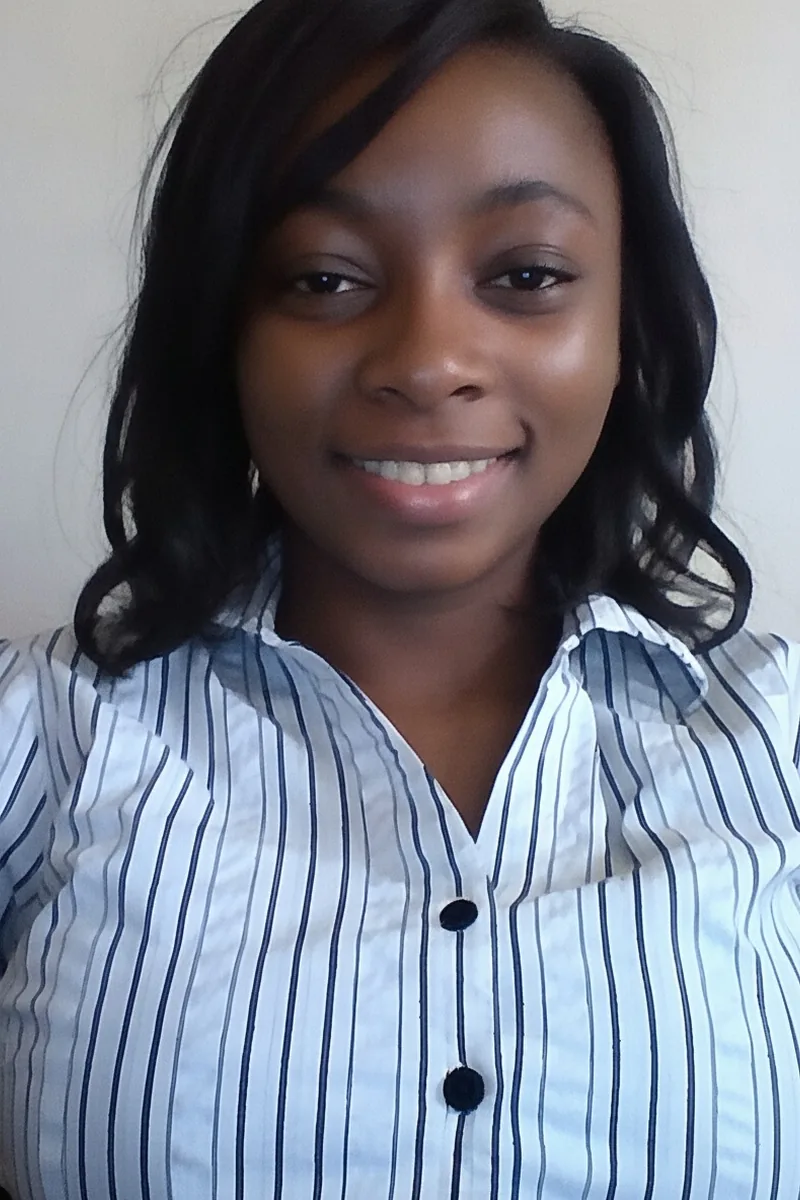
Studying biomedical engineering at the University of South Carolina means Janay lives in the overlap of biology and chemistry — enzyme kinetics, metabolic pathways, and protein structure are part of her regular coursework. She breaks down complex topics like amino acid chemistry and signal transduction by connecting molecular details to the bigger biological picture.
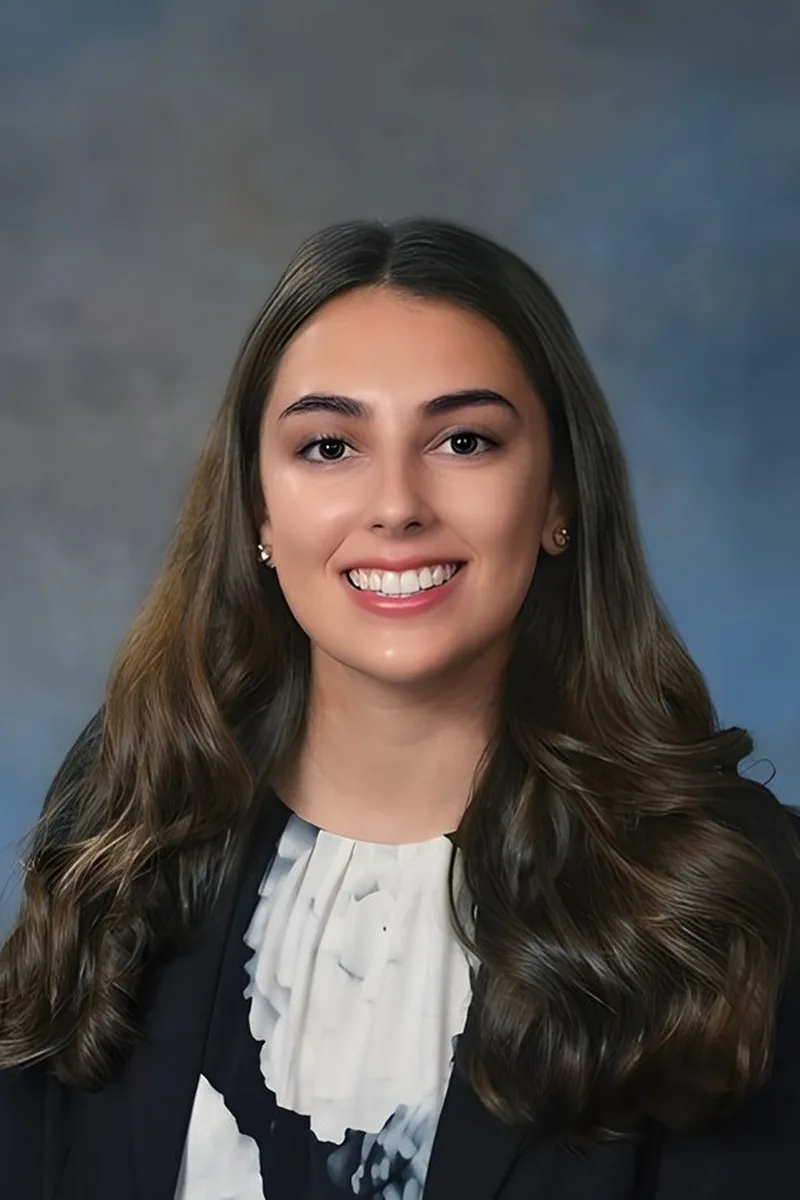
Four years of medical school gave Amanda a particular edge with the biochemistry that underpins clinical reasoning — she's internalized how disruptions in lipid metabolism or glycogen storage pathways manifest as actual disease states. Her biology degree and public health training add breadth, letting her teach topics like nucleotide biosynthesis or enzyme regulation by zooming out to the physiological stakes behind each reaction. Rated 4.7 by students.
Having worked in biochemical laboratories alongside his dual bachelor's degrees — including one in biochemistry — and his architecture studies at Columbia, Andrew brings a rare structural intuition to topics like protein folding and macromolecular assembly. He teaches metabolic pathways by building them up from their organic chemistry foundations, so students see each reaction as a logical next step rather than an isolated arrow on a diagram. Rated 4.9 by students.
Claire's chemistry degree and incoming medical school training at the University of Illinois College of Medicine mean she's worked through biochemistry from both the bench and the clinical side — enzyme mechanisms, metabolic regulation, and the molecular logic connecting organic chemistry to living systems. She breaks down dense pathways like the citric acid cycle or amino acid catabolism by mapping each step back to the underlying reaction chemistry, so students can reconstruct a pathway from principles instead of flashcards. Rated 5.0 by students.
Recent MCAT preparation gave Eric a sharp, up-to-date command of the biochemistry topics that trip students up most: enzyme kinetics, metabolic pathway regulation, and the interplay between protein structure and function. His graduate work in chemistry provides the molecular-level intuition that makes memorizing pathways feel less like brute force and more like following a logical story.
Pre-med coursework at Northwestern means Manideep is actively working through the toughest parts of biochemistry right now — amino acid structures, membrane transport mechanisms, and the regulatory logic behind major metabolic pathways. That proximity to the material gives him a sharp sense of where students get stuck, especially when translating organic chemistry principles into biological contexts. Rated 5.0 by students.
Earning a BS in Biochemistry from Boston College and then completing a PhD in molecular biology means Monika has spent years immersed in enzyme kinetics, metabolic pathways, and protein structure-function relationships. She tackles tough topics like the citric acid cycle and Michaelis-Menten kinetics by connecting each reaction to its biological purpose, turning rote memorization into logical storytelling.
A chemistry degree from Rhodes College plus hands-on clinical internships — including work at Methodist Transplant Institute — means Eric has encountered biochemistry from both the bench and the bedside. He tackles topics like amino acid structure and metabolic regulation by walking through the underlying organic chemistry step by step, so reaction pathways read as logical progressions rather than disconnected diagrams.
Preparing for medical school at UT Houston while finishing a chemistry degree at Rice means Asad has been living in biochemistry from both sides — the rigorous organic and physical chemistry foundations and the biological systems they plug into. He's especially sharp on the MCAT-relevant intersections, like how enzyme mechanisms tie back to organic reaction logic or how metabolic pathway regulation connects to thermodynamic principles. Rated 4.7 by students.
David's neuroscience training at Yale meant wrestling with biochemistry from the nervous system's perspective — neurotransmitter synthesis, ion channel biophysics, and the metabolic demands that make the brain consume a disproportionate share of the body's glucose. Now pursuing a graduate degree in bioethics, he brings that mechanistic grounding to topics like amino acid chemistry and membrane transport, connecting each reaction to the biological system it supports. Holds a 5.0 rating.
Enzyme kinetics, metabolic pathways, protein structure — biochemistry demands that students hold molecular-level detail and big-picture biological function in their heads simultaneously. Yasheen earned dual degrees in biology and cellular/molecular biology from Yale and now works in a cancer biology lab, so she lives in this material daily. She's particularly sharp on topics like amino acid chemistry, Michaelis-Menten kinetics, and the regulation of glycolysis and the citric acid cycle.
Cassandra's biology degree gives her the cellular and molecular grounding to teach biochemistry from the chemistry up — she walks through topics like enzyme regulation and metabolic intermediates by connecting each reaction to the organic chemistry driving it. Seven years of tutoring math and science across middle school through college means she's seen where students lose the thread, especially when pathways like gluconeogenesis start layering on exceptions and reversals. Rated 4.9 by students.
Zachary earned both his BS in Biology and a master's in Molecular Biology, which means he's traced biochemical pathways from two different altitudes — the broad cellular view and the granular molecular detail. That dual training comes through when he unpacks topics like lipid metabolism or allosteric enzyme regulation, building each concept from its chemical logic so the bigger metabolic map starts to make sense on its own.
Testimonials
Because the right Biochemistry tutor makes all the difference.
Average Session Rating – Based on 3.4M Learner Ratings
Practice Biochemistry
Free practice tests, flashcards, and AI tutoring for Biochemistry
Nearby Biochemistry Tutors
Other Columbia Tutors
Related Science Tutors in Columbia
Frequently Asked Questions
Biochemistry combines chemistry and biology to study how molecules and chemical reactions work within living organisms. It's challenging because it requires understanding both abstract chemical concepts (like thermodynamics and bonding) and biological systems simultaneously. Students often struggle with visualizing molecular structures, balancing complex equations, and connecting theoretical concepts to real cellular processes.
During your first session, a tutor will assess your current understanding of biochemistry fundamentals, identify specific areas where you're struggling (whether that's protein folding, metabolic pathways, or enzyme kinetics), and learn your learning style. From there, they'll create a personalized plan that combines conceptual understanding with problem-solving practice, ensuring you build both knowledge and confidence.
Rather than pure memorization, biochemistry is best learned by understanding the logic behind pathways and structures. A tutor can help you see why molecules interact the way they do and how energy flows through systems, which makes remembering details much easier. Strategic memorization of key concepts and structures combined with deep understanding of mechanisms is the most effective approach for both exams and real-world application.
Tutors can help bridge the gap between theory and hands-on lab work by explaining the scientific reasoning behind experiments, what you should expect to observe, and how results connect to biochemical principles. They can also help you troubleshoot lab techniques, understand data analysis, and develop stronger scientific thinking skills that make experiments more meaningful rather than just following procedures.
Students often struggle with visualizing molecular structures and reaction mechanisms, balancing complex biochemical equations, understanding energy transfer in metabolic pathways, and connecting isolated topics into a coherent picture of cellular chemistry. Many also find it difficult to move beyond memorizing facts to truly understanding how and why biochemical processes occur—which is essential for success in advanced coursework and science careers.
Look for tutors with strong backgrounds in chemistry and biology, ideally with experience in biochemistry coursework or research. Beyond credentials, the best tutors can explain complex concepts clearly, help you visualize abstract molecular processes, and adapt their teaching to your learning style. They should be able to connect biochemistry to real-world applications and help you develop problem-solving skills, not just provide answers.
A tutor can help you identify which concepts you truly understand versus which ones you've only memorized, then focus study time on areas where you're weakest. They'll work with you on practice problems, help you recognize question patterns, teach you strategies for complex multi-step problems, and build your confidence through targeted review. This approach typically leads to better retention and stronger exam performance than studying alone.
Varsity Tutors connects you with expert tutors who specialize in biochemistry and understand the specific challenges students face. You'll share your goals, current level, and what you need help with, and we'll match you with someone who fits your needs. From there, you'll work together on a personalized schedule that fits your life and academic timeline.
Let’s find your perfect tutor
Answer a few quick questions. We’ll recommend the right plan and match you with a top 5% tutor.