Award-Winning Biochemistry Tutors
serving Greenville, SC
Biochemistry
Tutors in Greenville
Private 1-on-1 tutoring, weekly live classes for academic support, test prep & enrichment, practice tests and diagnostics, and more to elevate grades and test scores.
Based on 3.4M Learner Ratings
UniversitiesSchools & Universities
DeliveredHours Delivered
ProficiencyGrowth in Proficiency
Who needs tutoring?
No obligation. Takes ~1 minute.
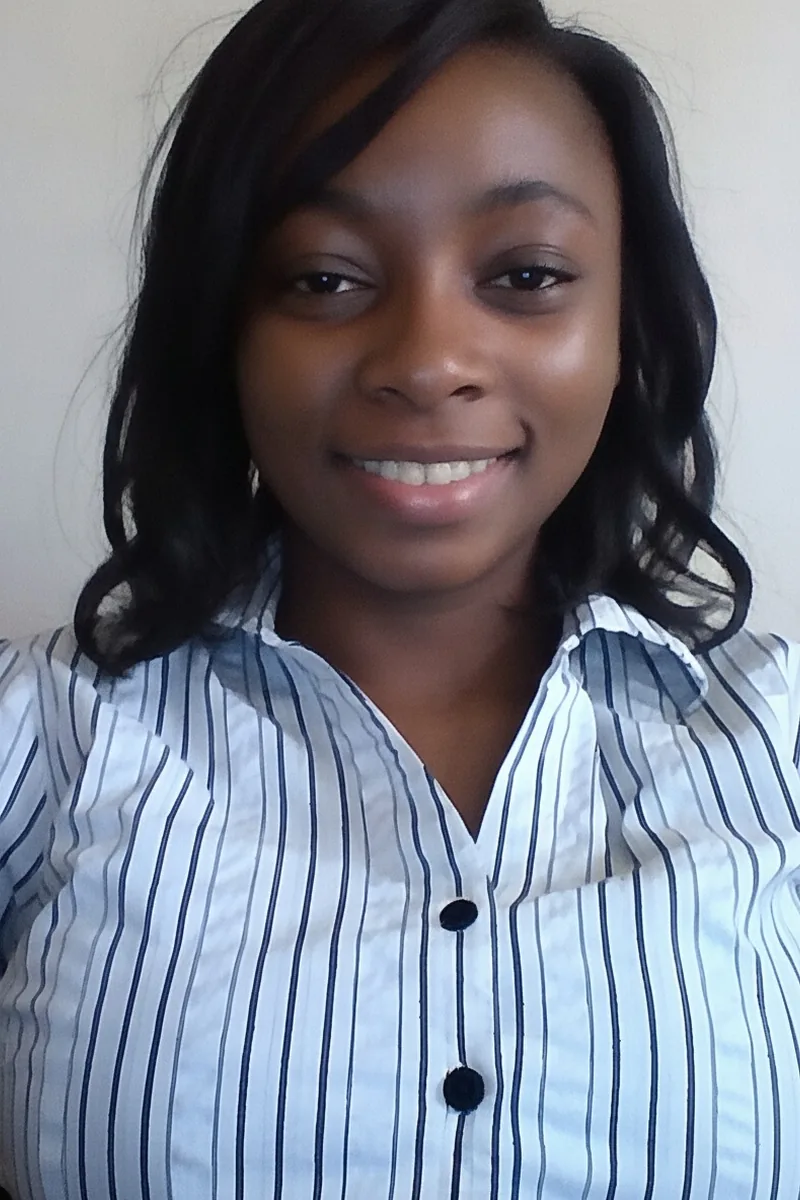
Studying biomedical engineering at the University of South Carolina means Janay lives in the overlap of biology and chemistry — enzyme kinetics, metabolic pathways, and protein structure are part of her regular coursework. She breaks down complex topics like amino acid chemistry and signal transduction by connecting molecular details to the bigger biological picture.
Two years as an Organic Chemistry Laboratory TA at the college level gave Maha the kind of mechanistic fluency that makes biochemistry's toughest material — reaction cascades in metabolic pathways, enzyme active-site chemistry, the logic behind cofactor requirements — click into place rather than blur together. Now a graduate student at Johns Hopkins Bloomberg School of Public Health with a dual background in chemistry and biology, she connects the organic chemistry driving each biochemical transformation to its broader physiological relevance. Rated 5.0 by students.
Enzyme kinetics, metabolic pathways, and protein structure sit right at the intersection of Aimee's two degrees — chemical engineering and biosystems engineering. She unpacks topics like Michaelis-Menten kinetics and amino acid chemistry by tying them to the biomedical research context she works in at Georgia Tech, making dense material feel purposeful.
Preparing for medical school at UT Houston while finishing a chemistry degree at Rice means Asad has been living in biochemistry from both sides — the rigorous organic and physical chemistry foundations and the biological systems they plug into. He's especially sharp on the MCAT-relevant intersections, like how enzyme mechanisms tie back to organic reaction logic or how metabolic pathway regulation connects to thermodynamic principles. Rated 4.7 by students.
Matt's graduate work in human nutrition required him to trace every major metabolic pathway from the molecular level up — how macronutrients get broken down, shuttled through the citric acid cycle, and ultimately converted to usable energy. That nutritional biochemistry lens means he teaches topics like lipid metabolism and amino acid catabolism with a constant eye on physiological context, making reaction sequences feel purposeful rather than arbitrary. Holds a 5.0 rating.
A chemistry degree from Rhodes College plus hands-on clinical internships — including work at Methodist Transplant Institute — means Eric has encountered biochemistry from both the bench and the bedside. He tackles topics like amino acid structure and metabolic regulation by walking through the underlying organic chemistry step by step, so reaction pathways read as logical progressions rather than disconnected diagrams.
UCLA's biological sciences program gave Arshia a solid grounding in the molecular machinery of life — protein structure, metabolic pathways, and the organic chemistry that ties them together. She also tutors MCAT prep across multiple sections, which means she's used to explaining concepts like enzyme kinetics and amino acid properties at the level of detail that college biochemistry courses actually demand. Rated 5.0 by students.
Dental students live in biochemistry — enzyme kinetics, metabolic pathways, amino acid structures — and Josh is right in the middle of that curriculum at Penn. He unpacks topics like glycolysis and protein folding by tying each reaction to a biological consequence, which turns a wall of chemical structures into a story that's far easier to retain.
Enzyme kinetics, metabolic pathways, protein structure — biochemistry asks students to think in three dimensions and across multiple reaction steps simultaneously. Kimanthi's biomedical engineering degree and graduate work in biomedical sciences gave her daily exposure to these concepts in both classroom and lab settings. She breaks down mechanisms like glycolysis and oxidative phosphorylation into logical sequences rather than memorization marathons.
Pre-med coursework at Northwestern means Manideep is actively working through the toughest parts of biochemistry right now — amino acid structures, membrane transport mechanisms, and the regulatory logic behind major metabolic pathways. That proximity to the material gives him a sharp sense of where students get stuck, especially when translating organic chemistry principles into biological contexts. Rated 5.0 by students.
Studying cognitive science on a pre-med track at Rice means Natalie lives in the overlap between biology and chemistry every semester — enzyme kinetics, metabolic pathways, and protein structure are part of her daily coursework. She unpacks biochemistry by anchoring molecular details to the bigger biological question they answer, which makes dense material like the citric acid cycle far more digestible.
Enzyme kinetics, metabolic pathways, protein structure — biochemistry asks students to think about molecules as dynamic systems, not static diagrams. Tina's engineering background at Cornell and her pre-med preparation mean she can unpack topics like Michaelis-Menten kinetics or amino acid chemistry with both quantitative rigor and biological context.
Enzyme kinetics, metabolic pathways, and protein structure all demand a student who can think across chemistry and biology simultaneously — which is exactly what Aleeza's biology degree and MCAT preparation trained her to do. She unpacks topics like Michaelis-Menten kinetics and amino acid chemistry by tying molecular details to the bigger biological picture. Students studying for upper-level biochemistry exams or the MCAT get someone who recently mastered this material herself.
Testimonials
Because the right Biochemistry tutor makes all the difference.
Average Session Rating – Based on 3.4M Learner Ratings
Practice Biochemistry
Free practice tests, flashcards, and AI tutoring for Biochemistry
Nearby Biochemistry Tutors
Other Greenville Tutors
Related Science Tutors in Greenville
Frequently Asked Questions
Biochemistry tutoring covers the structure and function of biological molecules (proteins, carbohydrates, lipids, nucleic acids), enzyme kinetics, metabolic pathways like glycolysis and the citric acid cycle, photosynthesis, cellular respiration, and how chemical reactions sustain life. Tutors help students understand both the theoretical principles and how these concepts apply to real-world biological processes, from drug metabolism to disease mechanisms.
Memorization alone doesn't build biochemistry mastery—understanding the 'why' behind reactions is what sticks. Expert tutors focus on connecting individual concepts to larger systems, using visual models and real-world examples (like how cells use ATP or why enzyme inhibitors affect drug effectiveness) to help you see the logic rather than just the facts. This deeper understanding makes it easier to apply knowledge to new problems and exams.
Biochemistry deals with invisible molecular interactions that are hard to grasp without visualization. Tutors use molecular models, diagrams, and 3D representations to help you see how atoms bond, how enzyme active sites work, and how protein folding affects function. Being able to mentally picture these structures transforms abstract concepts into concrete understanding, making it easier to predict reaction outcomes and solve complex problems.
Biochemistry tutoring bridges the gap between classroom theory and hands-on lab experience by explaining the science behind your experiments. Tutors help you understand why you're following specific protocols, how to interpret lab results, and how experimental observations connect to biochemical principles. This context makes lab work more meaningful and helps you develop stronger scientific reasoning skills alongside technical competency.
Students often struggle with balancing complex chemical equations, understanding metabolic pathway sequences and their regulation, and connecting isolated concepts into a coherent picture of cellular chemistry. Many also find it challenging to apply biochemical principles to clinical scenarios or novel problems. Personalized tutoring targets these specific gaps, building confidence in both content knowledge and the scientific reasoning needed to tackle unfamiliar questions.
Your first session focuses on understanding your current level, identifying specific challenges (whether it's enzyme kinetics, metabolic pathways, or exam preparation), and assessing how you learn best. The tutor will likely work through a problem or concept with you to see where gaps exist, then create a personalized plan that addresses your priorities—whether that's building foundational understanding, improving problem-solving skills, or preparing for an exam.
Biochemistry tutors help you move beyond cramming by building genuine understanding of core concepts and their connections. They teach you how to approach complex, multi-step problems systematically, practice with realistic exam questions, and identify your weak spots before test day. For MCAT preparation specifically, tutors can help you master biochemistry content while also developing the reasoning skills needed to apply that knowledge to novel scenarios.
Look for tutors with strong backgrounds in biochemistry or related sciences (chemistry, biology, or biochemistry degrees), ideally with experience teaching or tutoring the subject. The best tutors can explain complex concepts clearly, use effective visualization techniques, and understand common student misconceptions. Varsity Tutors connects you with expert tutors who have demonstrated expertise in biochemistry and a track record of helping students develop both content knowledge and scientific thinking skills.
Let’s find your perfect tutor
Answer a few quick questions. We’ll recommend the right plan and match you with a top 5% tutor.