Award-Winning Biochemistry Tutors
serving Charleston, SC
Biochemistry
Tutors in Charleston
Private 1-on-1 tutoring, weekly live classes for academic support, test prep & enrichment, practice tests and diagnostics, and more to elevate grades and test scores.
Based on 3.4M Learner Ratings
UniversitiesSchools & Universities
DeliveredHours Delivered
ProficiencyGrowth in Proficiency
Who needs tutoring?
No obligation. Takes ~1 minute.
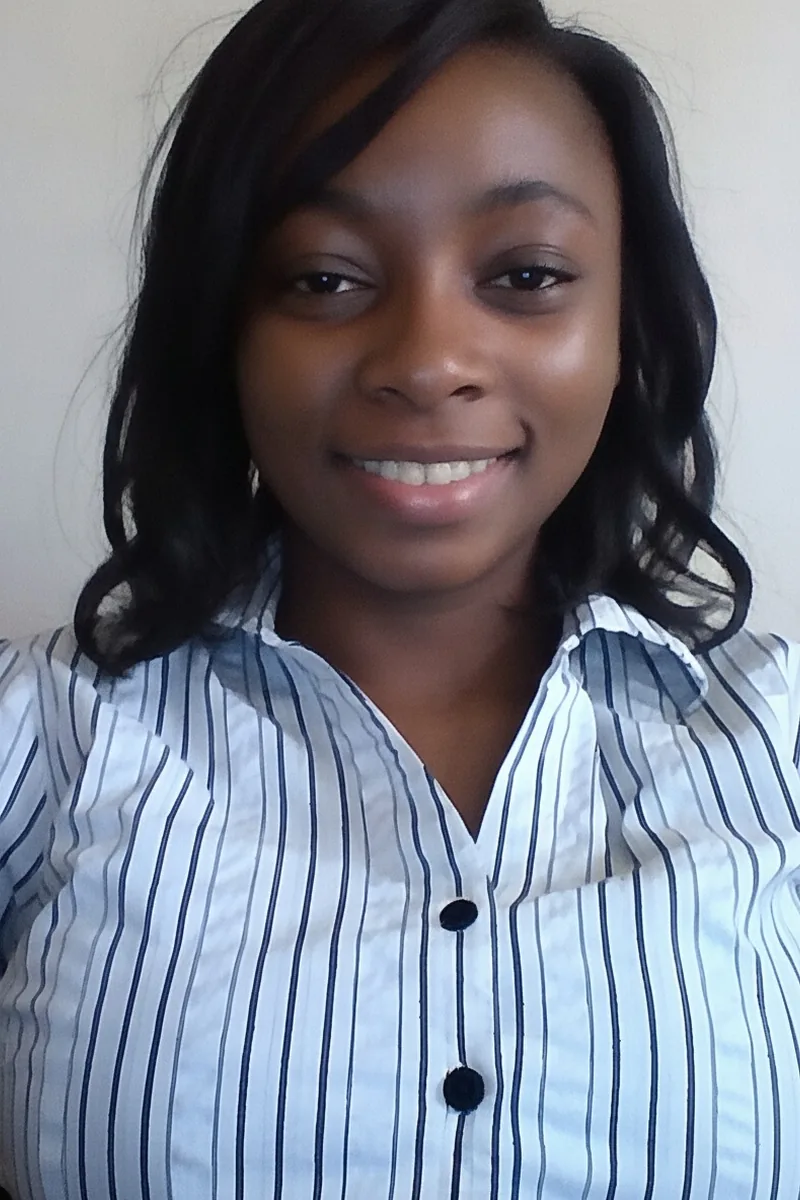
Studying biomedical engineering at the University of South Carolina means Janay lives in the overlap of biology and chemistry — enzyme kinetics, metabolic pathways, and protein structure are part of her regular coursework. She breaks down complex topics like amino acid chemistry and signal transduction by connecting molecular details to the bigger biological picture.
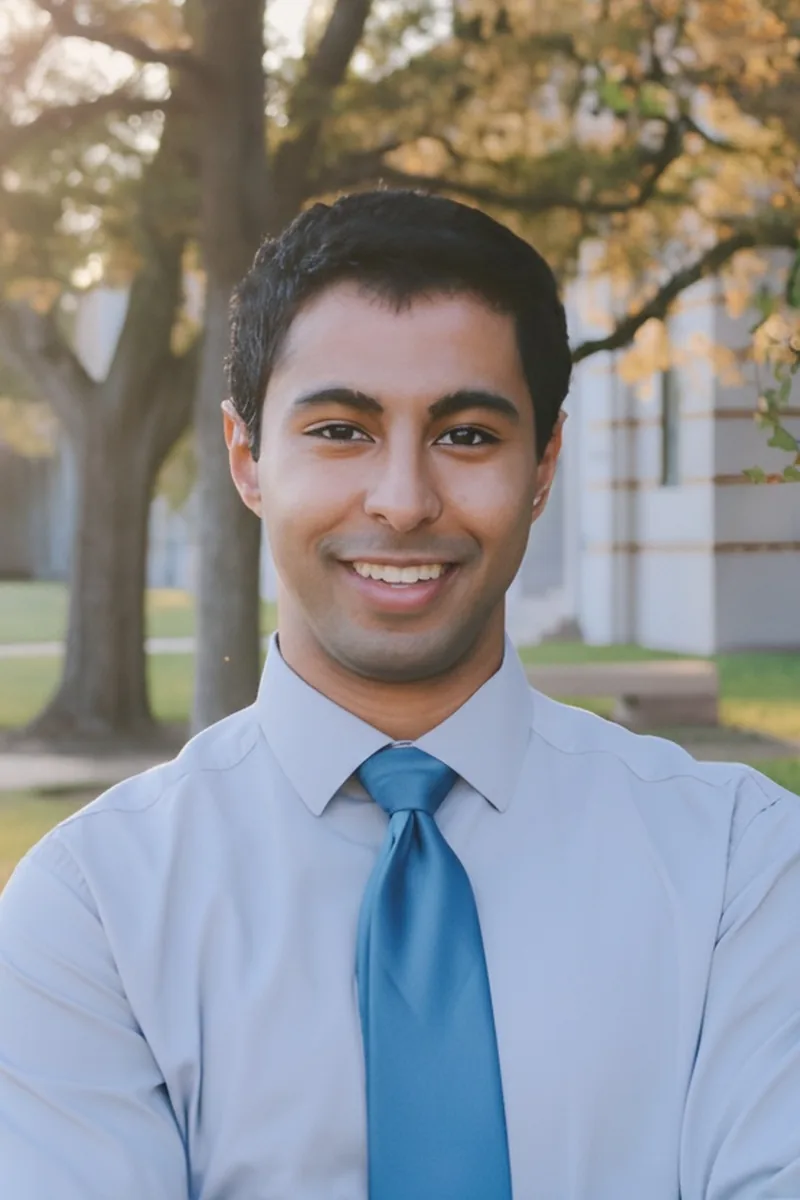
Preparing for medical school at UT Houston while finishing a chemistry degree at Rice means Asad has been living in biochemistry from both sides — the rigorous organic and physical chemistry foundations and the biological systems they plug into. He's especially sharp on the MCAT-relevant intersections, like how enzyme mechanisms tie back to organic reaction logic or how metabolic pathway regulation connects to thermodynamic principles. Rated 4.7 by students.
Marc earned his bachelor's in biochemistry before entering an MD/PhD program, so enzyme kinetics, metabolic pathways, and protein structure aren't abstract topics for him — they're daily tools. He breaks down dense material like the citric acid cycle or amino acid chemistry into logical sequences that stick without brute-force memorization.
Studying neuroscience at Vanderbilt means Avi lives in biochemistry — enzyme kinetics, metabolic pathways, and protein structure are part of his daily coursework. He unpacks topics like the citric acid cycle or amino acid chemistry by tracing the logic of each reaction rather than asking students to memorize arrows on a diagram.
Studying organismal physiology at Drexel meant Steven spent serious time with enzyme kinetics, metabolic pathways, and protein structure-function relationships — the core of any biochemistry course. He unpacks topics like the citric acid cycle and amino acid chemistry by tying each reaction back to its biological purpose, which makes the dense material easier to retain.
Enzyme kinetics, metabolic pathways, protein structure — biochemistry sits at the intersection of two subjects David studied formally, with a bachelor's in chemistry and graduate-level exposure to biomolecular engineering. He digs into mechanisms like glycolysis and the citric acid cycle by connecting each step's chemistry to its biological purpose, so students retain the logic instead of just the diagram. That approach has earned him a 4.9 student rating.
Enzyme kinetics, metabolic pathways, protein structure, nucleic acid chemistry — biochemistry demands that students hold molecular detail and big-picture logic in their heads simultaneously. Sugi graduated summa cum laude with a biochemistry degree from Rice and now applies that knowledge daily in medical school at Baylor. She teaches each pathway as a narrative with clear inputs, outputs, and regulatory checkpoints rather than a list to memorize.
Enzyme kinetics, metabolic pathways, amino acid chemistry — biochemistry asks students to think like both a biologist and a chemist simultaneously. Ivan's background spanning cognitive science and the biological sciences, plus his MCAT teaching experience, means he can unpack reaction mechanisms and protein structure in ways that connect molecular detail to bigger physiological stories.
Enzyme kinetics, amino acid structures, metabolic pathways — Biochemistry demands that students hold molecular details and big-picture biological function in their heads simultaneously. Ibi is actively studying these topics in her premedical post-bac program, so she explains concepts like Michaelis-Menten curves and lipid metabolism with the fluency of someone who just worked through them herself. That recency makes a real difference when a student is stuck at 11 p.m. before an exam.
Hello! I am an Arizona State University graduate with a Bachelors of Science in Biological Science. My academic background is grounded in both technical problem-solving and a deep curiosity about how systems, whether digital or human, function. Outside the classroom, I've had the opportunity to work with students across a range of ages and abilities, from mentoring engineering and premed undergraduates at ASU to tutoring high schoolers in SAT/ACT prep, as well as K-12 students through Teach for America. I am comfortable with a range of subjects and am willing to work to meet your needs. Below are some of courses I have successfully tutored for in the past. K12 Subjects Elementary School (K5) Math (Basic Arithmetic, Word Problems) Reading & Phonics Writing & Grammar Science Social Studies Study & Organization Skills Middle School (68) Pre-Algebra Algebra I General Science (Life, Earth, Physical) English Language Arts (Reading, Writing) U.S. History & World History Intro to Coding / Computer Science High School (912) Algebra I & II Geometry Trigonometry Pre-Calculus Calculus AB/BC Biology (General, Honors) Chemistry (General, Honors) Physics (Conceptual, Algebra-Based) English Literature & Composition Essay Writing & Editing U.S. History & World History Psychology Economics & Government Health / Human Development Ethics / Philosophy Study Skills / Test Prep Standardized Test Prep SAT: Math, Reading, Writing & Language, Essay ACT: Math, Science, English, Reading, Essay PSAT MCAT (Content review & strategy) TOEFL / ESL (Certified ESL experience) AP Subjects AP Biology AP Chemistry AP Physics 1 AP Environmental Science AP Calculus AB AP Statistics AP English Language and Composition AP English Literature and Composition AP Psychology AP U.S. History AP World History AP U.S. Government & Politics AP Human Geography AP Macroeconomics / Microeconomics AP Computer Science Principles AP Seminar / Research College-Level Subjects STEM & Premed General Biology I & II Cell Biology Genetics Human Anatomy & Physiology General Chemistry I & II Organic Chemistry I & II Biochemistry Physics I & II (Algebra-Based) Calculus I & II Statistics (Introductory / Biostats) Humanities & Social Sciences Intro to Psychology Intro to Sociology Scientific Writing & Critical Thinking Medical Ethics Bioethics Philosophy of Science / Biology Research Writing & Academic Essays Business & Economics Intro to Macroeconomics Intro to Microeconomics Principles of Finance Financial Literacy / Budgeting Basics
Enzyme kinetics, metabolic pathways, protein structure — biochemistry asks students to think in three dimensions and across multiple reaction steps simultaneously. Kimanthi's biomedical engineering degree and graduate work in biomedical sciences gave her daily exposure to these concepts in both classroom and lab settings. She breaks down mechanisms like glycolysis and oxidative phosphorylation into logical sequences rather than memorization marathons.
Enzyme kinetics, metabolic pathways, amino acid chemistry — biochemistry sits right at the intersection of Alex's Bio-Organic Chemistry training. He teaches students to trace the logic of each pathway, connecting molecular structure to biological function so that something like the citric acid cycle becomes a series of predictable chemical transformations rather than an overwhelming diagram to memorize.
Enzyme kinetics, metabolic pathways, and protein structure all demand a student who can think across chemistry and biology simultaneously — which is exactly what Aleeza's biology degree and MCAT preparation trained her to do. She unpacks topics like Michaelis-Menten kinetics and amino acid chemistry by tying molecular details to the bigger biological picture. Students studying for upper-level biochemistry exams or the MCAT get someone who recently mastered this material herself.
Testimonials
Because the right Biochemistry tutor makes all the difference.
Average Session Rating – Based on 3.4M Learner Ratings
Practice Biochemistry
Free practice tests, flashcards, and AI tutoring for Biochemistry
Nearby Biochemistry Tutors
Other Charleston Tutors
Related Science Tutors in Charleston
Frequently Asked Questions
Biochemistry is the study of chemical processes within living organisms—how molecules like proteins, lipids, and carbohydrates interact to sustain life. It bridges chemistry and biology, making it essential for students pursuing careers in medicine, pharmacy, biotechnology, and research. Understanding biochemistry gives you insight into everything from how your cells produce energy to how diseases develop at the molecular level.
Many students struggle with visualizing abstract molecular structures and metabolic pathways that can't be seen with the naked eye. Balancing chemical equations, understanding enzyme kinetics, and connecting theoretical concepts to real-world biological applications are also frequent pain points. Additionally, biochemistry requires both memorization of structures and deep conceptual understanding—many students focus too heavily on one at the expense of the other, which limits their ability to apply knowledge to new problems.
Personalized 1-on-1 instruction allows tutors to identify whether you're struggling with visualization, conceptual understanding, or problem-solving strategy—and address each gap specifically. Expert tutors can use models, diagrams, and real-world examples to make abstract concepts concrete, help you develop effective study strategies for both memorization and application, and guide you through complex problem sets step-by-step. This targeted approach is especially valuable in biochemistry, where understanding the 'why' behind reactions is just as important as knowing the pathway.
Your first session is an opportunity for a tutor to understand your current level, identify specific areas where you need support, and learn your learning style. The tutor will likely review your course materials, discuss what topics feel most challenging, and assess whether you're struggling with memorization, conceptual understanding, problem-solving, or a combination. From there, you'll develop a personalized plan to tackle your goals—whether that's improving exam performance, mastering metabolic pathways, or building confidence with lab calculations.
Yes. Tutoring can help you understand the theory behind lab procedures, interpret experimental results, and connect what you're observing in the lab to the biochemical principles you're learning in class. Tutors can also guide you through scientific reasoning—how to design experiments, form hypotheses, and troubleshoot when results don't match expectations. This support bridges the gap between classroom learning and hands-on application, making lab work feel less overwhelming and more purposeful.
Not everything—and that's actually the key to success. While you do need to know major pathways, enzyme names, and key structures, memorization without understanding will hurt you on exams and in advanced courses. The most effective approach is to understand the logic behind pathways (why reactions occur in a certain sequence) and use that understanding to reconstruct or predict information rather than relying on pure memorization. A tutor can help you develop this conceptual foundation so you're memorizing less but understanding more.
Varsity Tutors connects you with expert tutors for students in Charleston who have strong backgrounds in biochemistry and experience teaching the subject. When you reach out, you can share your specific needs—whether you're in a pre-med program, taking AP Biology, or preparing for the MCAT—and you'll be matched with a tutor whose expertise aligns with your goals. The personalized matching process ensures you get instruction tailored to your level and learning style.
Many students see noticeable improvement in understanding and confidence within 3-4 sessions, especially when they're working with a tutor on specific concepts they've been struggling with. Exam performance improvements typically follow once conceptual gaps are filled and problem-solving strategies are practiced. The timeline depends on your starting point and how consistently you work with your tutor, but personalized 1-on-1 instruction accelerates learning because every minute is focused on your actual needs rather than a one-size-fits-all approach.
Let’s find your perfect tutor
Answer a few quick questions. We’ll recommend the right plan and match you with a top 5% tutor.