Award-Winning Phonics Tutors
serving Portland, OR
Phonics
Tutors in Portland
Private 1-on-1 tutoring, weekly live classes for academic support, test prep & enrichment, practice tests and diagnostics, and more to elevate grades and test scores.
Based on 3.4M Learner Ratings
UniversitiesSchools & Universities
DeliveredHours Delivered
ProficiencyGrowth in Proficiency
Who needs tutoring?
No obligation. Takes ~1 minute.
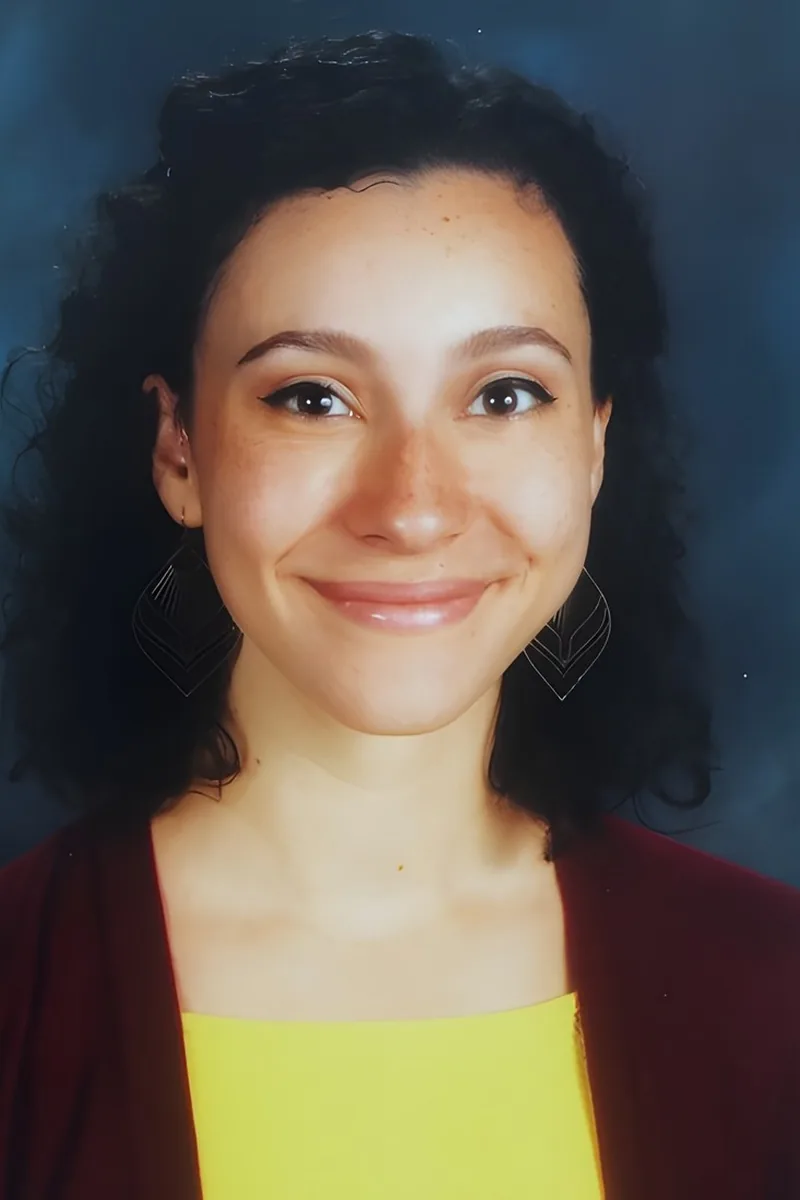
Early readers need someone who understands the logic behind letter-sound relationships, not just the rules. Sophia's Master's in Education and her background in children's literature give her a systematic approach to phonemic awareness, blending, and decoding — building the skills that turn sounding out words into fluent reading. She keeps sessions active and playful, which matters a lot when your student is five.
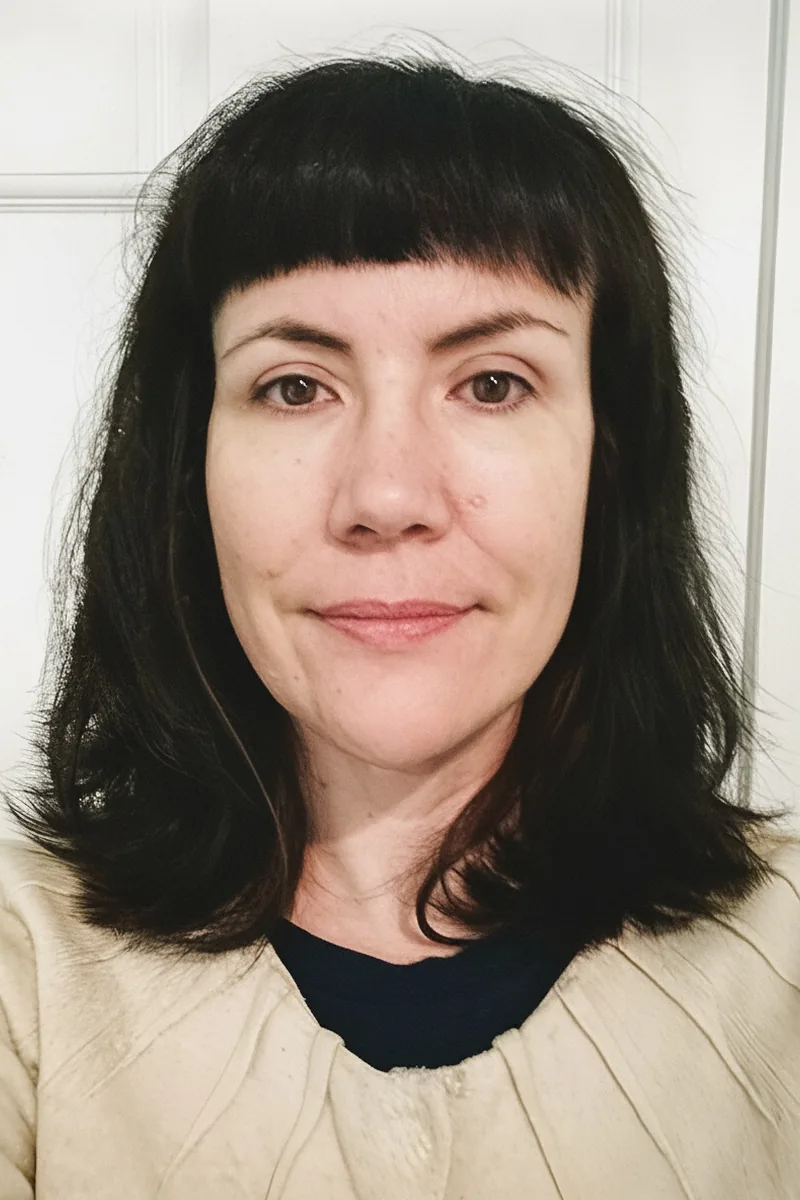
Early readers need someone who can make letter-sound relationships click — connecting blends, digraphs, and vowel patterns to words kids actually recognize. Robin teaches phonics by layering skills systematically, starting with individual sounds and building toward decoding multisyllabic words, so each lesson reinforces what came before.
Teaching phonics to kindergarteners in Southeast Asia — where English sound patterns clash with tonal languages — gave Gabriel an unusually detailed understanding of how learners decode letter-sound relationships from scratch. He breaks down blends, digraphs, and vowel teams using multisensory techniques that make the logic of English spelling visible rather than arbitrary.
Early readers need someone who can make the connection between letters and sounds feel intuitive, not mechanical. Beth's Master's in Education included literacy development research, and she uses multisensory techniques — blending games, word families, decodable readers — to build fluency one phoneme pattern at a time. She's especially skilled at spotting when a child is guessing from pictures rather than actually decoding, and redirecting that habit early.
Three years of teaching English composition and Latin to 3rd–6th graders gave Rosanne a close-up view of how spelling patterns and sound-letter relationships click differently for each age group — and Latin roots, in particular, help older elementary readers decode unfamiliar multisyllabic words by recognizing familiar building blocks. She structures phonics practice around word families and patterns students encounter in their actual reading and writing, so decoding skills reinforce what they're already doing in class.
Teaching kindergarten internationally — where many of her students were learning English as an additional language — forced Esme to get creative with how she introduced letter-sound relationships to children who couldn't yet rely on familiar vocabulary as an anchor. Her special education training sharpened that instinct, giving her structured techniques for breaking decoding into smaller steps when a child needs more time with individual sounds before tackling blends or digraphs. She draws on both experiences to build phonics lessons that match each reader's pace without losing momentum.
Teaching phonics well means knowing exactly where a child's decoding breaks down — whether it's blending consonant clusters, distinguishing long and short vowel patterns, or tackling silent-e rules. Nicole taught K-5 students in small group settings through AmeriCorps, giving her hands-on experience adapting phonics instruction to each learner's reading level. She makes sounding out words feel like puzzle-solving rather than a chore.
Early readers need someone patient enough to sit with the building blocks — letter-sound correspondence, blending, digraphs, sight words — and make each small victory feel like a big deal. Alex's bilingual background gives him particular insight into how sounds map differently across languages, which is especially useful for young learners in multilingual households.
Early reading clicks when a child can reliably map sounds to letter patterns, and John approaches phonics with the same structured patience he brings to every subject. He moves systematically through blends, digraphs, and vowel teams, building decoding confidence one skill at a time.
Understanding how the brain processes language isn't just theory for Giovanna — her Penn degree in Cognitive Neuroscience covered the science behind how children learn to decode words. She applies that knowledge to phonics instruction, teaching letter-sound relationships, blending, and digraphs in a systematic way that builds real reading fluency.
Reading and writing have been lifelong passions for Sarah, and she brings that enthusiasm to phonics instruction — breaking down letter-sound relationships, blending patterns, and vowel teams so young readers can decode new words independently. Her experience mentoring students one-on-one means she adapts quickly to each learner's pace, whether they're tackling digraphs or working through multisyllabic words.
Ben pairs his background as a history teacher — where reading is the foundation of everything — with a lifelong love of books to make phonics instruction stick for early readers. He connects letter-sound relationships, blending, and sight-word recognition to actual stories kids want to read, turning decoding practice into something that feels more like discovery than drill.
Teaching Pre-K through 5th grade for years means JeKaya has watched hundreds of early readers move from recognizing individual letter sounds to blending them into words — and she knows exactly where that process tends to stall, whether it's vowel teams or tricky consonant clusters. Her master's in education and ESL/ELL experience also sharpen her ability to teach sound-letter mapping to children whose home language may not share English's vowel system.
Years of ESL teaching at the elementary level gave Madison firsthand experience with how phonics instruction actually works in practice — blending, segmenting, and decoding unfamiliar words one sound at a time. She knows which letter patterns trip kids up most (silent e rules, vowel teams, r-controlled vowels) and uses repetition and word-building games to make those patterns stick. Her patience with early readers shows in her 4.9 rating.
Early readers need to hear and manipulate individual sounds before printed words start making sense, and that's exactly where phonics instruction begins. Jeanette teaches letter-sound correspondence, blending, and segmenting through structured, repetitive practice that builds genuine decoding skills. Her patience and psychology training make her especially attuned to how young learners process new information.
Early readers need someone patient enough to sit with the mechanics of decoding — blending consonant clusters, recognizing vowel teams, and building sight-word fluency one page at a time. John's teaching range spans elementary math through SAT prep, which means he understands how to calibrate his energy and explanations for younger learners. He makes phonics practice feel like a game rather than a chore.
Teaching phonics effectively means building a child's ability to connect letter patterns to sounds in a systematic, confidence-building sequence — blends, digraphs, vowel teams, and eventually multisyllabic decoding. Varuna's experience tutoring students as young as first grade gives her a feel for pacing these skills so early readers don't get overwhelmed. She keeps sessions interactive and uses repetition that feels like play rather than drill.
Early readers need someone who can make the connection between letters and sounds feel intuitive, not mechanical. Kheya breaks phonics into manageable pieces — blending consonant clusters, recognizing long and short vowel patterns, decoding multi-syllable words — and reinforces each skill with plenty of repetition and encouragement. Her experience reading with third graders gives her a natural sense of pacing for young learners.
Testimonials
Because the right Phonics tutor makes all the difference.
Average Session Rating – Based on 3.4M Learner Ratings
Nearby Phonics Tutors
Other Portland Tutors
Related English Tutors in Portland
Frequently Asked Questions
Phonics is the foundational skill of connecting letters and letter combinations to their sounds, enabling students to decode words and build reading fluency. Strong phonics skills are essential because they help students transition from learning to read to reading to learn—typically by late first or second grade. Without solid phonics foundations, students often struggle with comprehension and confidence in reading across all subjects.
Most students begin phonics instruction in kindergarten or early first grade, though readiness varies by child. Many Portland-area schools follow a structured literacy approach that introduces letter-sound relationships around age 5-6. Personalized tutoring can help determine where your child is developmentally and accelerate progress if they're behind, or provide enrichment if they're ready to advance faster than classroom pace allows.
In a classroom with Portland's average student-teacher ratio of 17.2:1, phonics instruction follows a set pace that works for the group but may not match your child's individual learning speed. Personalized 1-on-1 phonics instruction allows tutors to focus on your child's specific challenges—whether that's blending sounds, recognizing digraphs, or applying phonics to multisyllabic words—and adjust teaching methods based on what works best for them. This targeted approach often leads to faster skill development and greater confidence.
Many students struggle with blending sounds together into words, distinguishing between similar letter sounds (like /b/ and /d/), or understanding irregular words that don't follow standard phonics patterns. Others have difficulty with advanced phonics concepts like vowel teams, r-controlled vowels, or syllable division. Personalized instruction helps identify exactly where a student is getting stuck and provides targeted practice to build mastery.
Yes, expert tutors connected through Varsity Tutors can align instruction with your child's specific school curriculum and the phonics sequence their Portland-area school uses. Whether your child's school follows a structured literacy approach, Orton-Gillingham method, or another phonics program, tutors can reinforce classroom learning, fill gaps, and provide additional practice in the areas your child needs most.
Consider tutoring if your child struggles to sound out unfamiliar words, frequently guesses at words rather than decoding them, has difficulty rhyming or identifying letter sounds, or is falling behind peers in reading fluency. Early intervention is key—students who get support with phonics in kindergarten or first grade often catch up quickly and avoid more serious reading difficulties later. Personalized assessment can confirm whether tutoring would help.
During the first session, a tutor will typically assess your child's current phonics skills—which sounds they know, how well they can blend, and where gaps exist. They'll also learn about your child's learning style, interests, and any specific concerns you have. From there, the tutor creates a personalized plan targeting your child's needs and goals, whether that's catching up to grade level or advancing beyond it.
Many students show noticeable progress within 4-6 weeks of consistent, personalized phonics instruction—especially if they're receiving tutoring 1-2 times per week. The timeline depends on your child's starting point, frequency of tutoring, and how much they practice between sessions. With focused 1-on-1 instruction, students often advance faster than they would in a classroom setting because every minute is tailored to their specific needs.
Let’s find your perfect tutor
Answer a few quick questions. We’ll recommend the right plan and match you with a top 5% tutor.