Award-Winning English Tutors
serving Tulsa, OK
English
Tutors in Tulsa
Private 1-on-1 tutoring, weekly live classes for academic support, test prep & enrichment, practice tests and diagnostics, and more to elevate grades and test scores.
Based on 3.4M Learner Ratings
UniversitiesSchools & Universities
DeliveredHours Delivered
ProficiencyGrowth in Proficiency
Who needs tutoring?
No obligation. Takes ~1 minute.
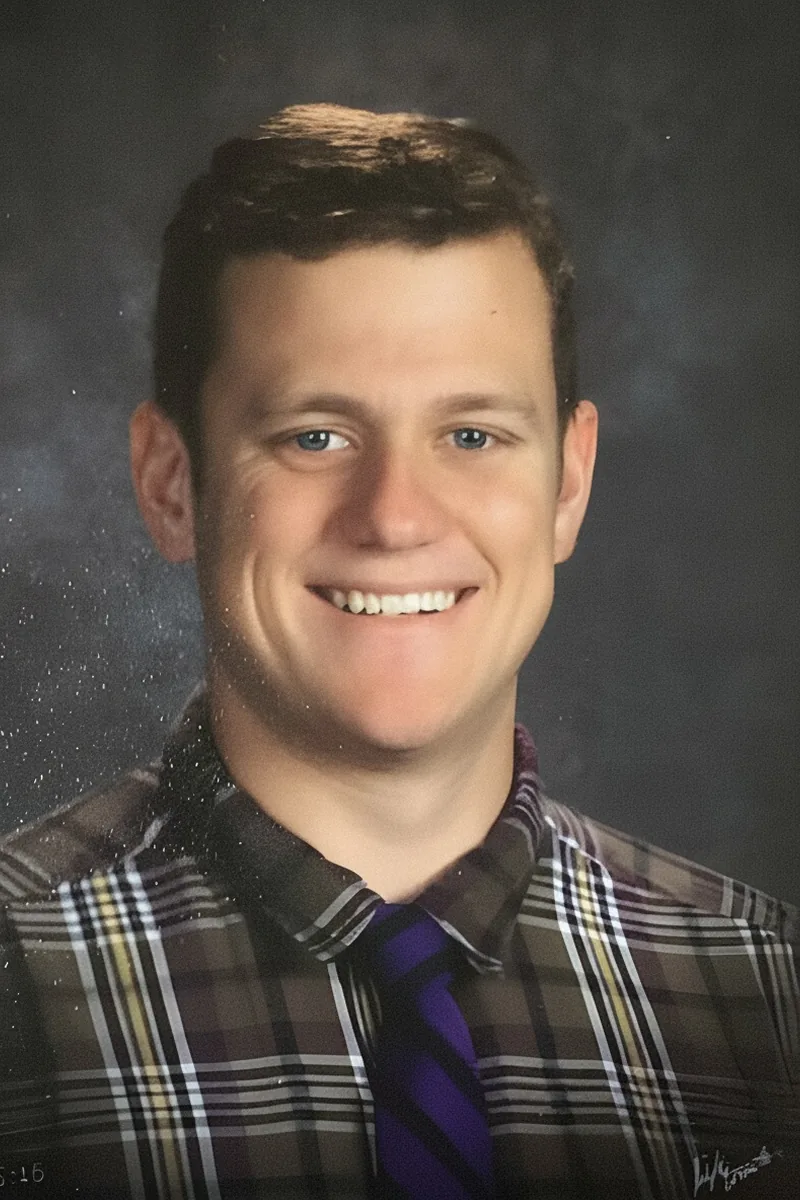
I am excited to be working with Varsity Tutors. I currently teach middle and high school social studies at Bishop Dunne Catholic School in Dallas. I teach 8th Grade US History, Spanish 3, AP Microeconomics, and Economics. I also have experience tutoring middle school Math while in college.

Between Columbia seminars in History and American Studies and her IB training, Rachel has spent years breaking down complex texts and building arguments from evidence — exactly the skills that define strong English performance. She digs into everything from thesis construction and close reading to grammar mechanics, tailoring her approach to whether a student needs help interpreting literature or tightening their own prose. Rated 4.9 by students.
Because her background is rooted in mathematics, Shanta brings an unusually structured approach to English — she treats essay construction like building a logical argument, where every paragraph has a clear function and every claim needs supporting evidence. Her experience editing college essays and teaching literature means she can tackle both analytical writing and close reading of texts.
Fluent in both Mandarin and English, Barry approaches the English language with the analytical precision of an engineer and the cultural sensitivity of someone who has navigated two very different literary traditions. He's particularly effective at teaching students how to close-read a passage for tone and argument, then translate that analysis into clear, well-organized written responses.
A Stanford American Studies major with a Creative Writing minor, Emily brings both analytical and stylistic chops to English tutoring — whether the task is dissecting an author's argument, tightening paragraph structure, or nailing the difference between a semicolon and an em dash. She treats reading and writing as connected skills, so students who work on close-reading passages with her tend to see their own prose sharpen in parallel.
A published author with an MFA, Brandy treats English as an integrated discipline where reading comprehension, analytical thinking, and clear writing reinforce each other. She regularly presents on student success strategies at professional organizations, and she brings that same structured, goal-oriented approach to everything from close reading poetry to crafting a thesis statement.
I am a 26 year old who obtained a Bachelors of Science in Biology in 2017 and a Masters of Science in Medical Science in 2020. My masters research was in the field of immunology where I studied Bisphosphonate Related Osteonecrosis of the Jaw (BRONJ), however I have knowledge in a wide range of subject matters. I have lived and studied in a variety of places including Scotland, Germany, Cambodia, and Alaska, and bring a unique world view to tutoring. I am so passionate about making tutoring an accessible, non-intimidating, super effective, and fun experience for all of my students. I look forward to being a part of your educational journey!
Four years of teaching at Navy Nuclear Power School required Madeline to evaluate written work constantly, sharpening her eye for argument structure, clarity, and evidence use. She takes that same analytical lens into English tutoring, walking students through how to close-read a passage, identify an author's rhetorical moves, and build a thesis that actually says something specific.
Kate approaches English through the lens of building an argument — every paragraph a student writes or reads is making a claim and supporting it with evidence. Her experience teaching college courses and mentoring students with learning disabilities like dyslexia means she can adapt reading comprehension and writing strategies to fit how each student actually processes language. Rated 4.5 by past students.
An avid reader and writer outside the classroom, Daniyal brings genuine enthusiasm to close reading, literary analysis, and essay construction. He teaches students to identify how an author's choices — tone shifts, figurative language, narrative structure — build meaning, then translate those observations into clear, well-supported written arguments.
College essays and literary analysis both require a skill most students underestimate: building an argument sentence by sentence, where each paragraph earns the next. Cory's chemical engineering background might seem unrelated, but it sharpened his ability to teach thesis development, close reading, and evidence-based writing with a logical structure that resonates with students who struggle to organize their ideas.
Growing up in a homeschool environment where individualized instruction was the norm, Jordan learned early that reading comprehension, analytical writing, and close textual interpretation click differently for every student. His Letters degree from the University of Oklahoma immersed him in literary analysis and argumentation — skills he now brings to everything from essay structure and thesis development to unpacking tone and rhetorical strategy in complex texts.
Between her literature coursework at Pepperdine and her current PhD research, Meredith has spent years breaking down dense texts and constructing written arguments under deadline pressure. She teaches students how to move from a vague first impression of a passage to a specific, evidence-driven thesis — the skill that separates adequate English students from strong ones. Rated 4.5 by her students.
Strong English skills tie together reading comprehension, analytical writing, and command of language — and Blake tackles all three by connecting them rather than treating them as separate checklists. A student analyzing a passage learns to identify rhetorical strategies and then use those same techniques in their own writing. His background spans creative and scientific writing, which gives him a practical range most English tutors don't naturally carry.
Between tutoring literature, editing college essays, and thinking across two languages daily, Lina approaches English as a subject where clear thinking and clear writing reinforce each other. She tackles everything from thesis development to close reading by teaching students to ask better questions about a text before they start writing about it.
From phonics and elementary reading to college essays and literature analysis, Anna has taught English at virtually every level, which means she can pinpoint exactly where a student's skills diverge from where they need to be. She's especially effective at connecting reading comprehension to writing — teaching students to notice how an author builds an argument so they can replicate that structure in their own work.
Most people don't associate a petroleum engineering degree with English tutoring, but Adam's 1480 SAT score speaks to genuine verbal ability alongside his math and science strengths. He teaches reading comprehension as a systematic process — identifying the author's purpose, tracking how an argument develops paragraph by paragraph, and distinguishing evidence from opinion.
Between his background in American literature and his ongoing research into political writing, Nathan reads and edits analytically — always asking what a text is doing and how it achieves that effect. He teaches students to build thesis-driven essays by first dissecting how published authors use evidence, tone, and structure to make an argument land.
Between literature coursework and writing multiple personal statements for medical school admissions, Bailey has developed a sharp eye for argument structure and textual analysis. She teaches students to read actively — annotating for tone, identifying an author's purpose, and pulling specific evidence to support a claim rather than summarizing plot.
Between writing college essays and serving as a teaching assistant at Northwestern, Naythen learned how to communicate complex ideas clearly on the page. He tackles English by treating reading comprehension and written arguments as skills you can practice deliberately — identifying a thesis, tracing how evidence supports it, and crafting responses with sharper structure.
Richard's subject range — from Spanish literature to college essays to ACT prep — means he's constantly switching between reading closely, writing clearly, and explaining grammar rules on the fly. That versatility shows up in his English tutoring, where he connects grammar mechanics to real communication goals so corrections actually stick. Rated 4.7 by students.
Between college essays, honors coursework, and literature analysis, Nathaniel has spent years sharpening the reading and writing skills that form the backbone of English instruction. He digs into how authors build arguments and use rhetorical strategies, then shows students how to mirror those techniques in their own analytical essays and close-reading responses.
Between a bachelor's in English Writing and a master's in Professional Writing, Marisa has spent more time inside the architecture of the English language than most people spend thinking about it. She tackles everything from close reading and thesis development to the nuts and bolts of paragraph structure, drawing on real experience as a journalist, ghostwriter, and technical writer to show students what polished prose actually looks like in practice.
Robert's love of learning new languages and reading across subjects gives him a genuine curiosity about how texts work — from analyzing an author's argument structure to unpacking figurative language in a novel. He connects literary analysis to clear, logical thinking, teaching students to support interpretive claims with specific textual evidence rather than vague impressions.
Reading comprehension and clear writing depend on the same skill: following a logical thread from beginning to end. Greg leans on his analytical training to teach students how to identify an author's central argument, trace supporting evidence, and organize their own ideas into coherent paragraphs with strong topic sentences.
Isabel's English Composition background gives her a sharp eye for the full arc of the subject — from close reading and literary analysis to crafting thesis-driven essays with clean, purposeful prose. She breaks down how to move from annotating a text to building an argument around it, a skill that transfers across every English class a student will take.
Most people don't associate aerospace engineering with strong English skills, but Riley's background in college essays and literature tutoring tells a different story. Reading complex texts closely and constructing clear, evidence-driven arguments are skills Riley practices daily in technical contexts and translates effectively to literary analysis and expository writing.
Reading a novel and actually analyzing it are two very different skills, and Alexander zeroes in on the analytical side — teaching students to identify how an author's choices in structure, diction, and point of view create meaning. Rather than lecturing about themes, he asks layered questions that lead students to build their own interpretations and defend them with textual evidence. That approach pays off across essays, class discussions, and timed writing alike.
One of Joseph's favorite books is Tim O'Brien's *The Things They Carried*, and that love of literature shapes how he approaches English — through close reading, attention to voice, and building arguments from textual evidence. He teaches students to move from gut reactions to structured analysis, whether they're annotating a novel or drafting a thesis statement. Rated 5.0 by students.
Between mentoring middle schoolers through Loveworks Leadership and chairing events for Campus Activities Council, Lily spends a lot of time crafting clear, persuasive communication — skills she brings directly to English tutoring. She digs into thesis development, textual analysis, and argument structure, teaching students how to move from a vague reaction to a reading into a sharp, well-supported essay.
I am a graduate of the University of Oklahoma. I received by Bachelor of Science in Chemical Engineering. I have mostly tutored privately on my own time in one on one sessions. I mostly enjoy helping others with math and science related problems. Education is necessary to improve life and I want others to realize this. In my spare time I enjoy thought provoking literature.
Scientific writing taught Susan something most English tutors learn the hard way: clarity is a skill you build sentence by sentence. She walks students through everything from thesis development and paragraph organization to close reading of literary texts, emphasizing how strong analytical thinking translates directly into stronger writing. Her experience editing essays and teaching across multiple grade levels means she can adjust her approach whether a student is tackling a college application essay or a high school poetry analysis.
Carson's philosophy of art specialization means he reads literature the way it rewards being read: slowly, with attention to how an author's choices create meaning. He unpacks everything from figurative language in poetry to narrative structure in novels, connecting close-reading techniques to the kind of analytical writing that earns strong marks in English courses. His 4.9 rating speaks to how well that approach lands with students.
Between literature analysis, essay structure, and the mechanics of strong sentences, English class asks students to juggle a lot at once. Amber breaks those pieces apart — teaching a student how to build an argument around a text, tighten their prose, or read more critically depending on what the assignment actually demands. Her education training at OSU keeps her approach organized and adaptive.
A lifelong reader and writer with a PhD-level command of academic prose, Andrew brings an analytical rigor to English that many tutors lack — breaking down thesis construction, argument structure, and grammar with the same precision he applies to his STEM research. His background in essay writing and editing means he can pinpoint exactly where a paragraph loses its logic or a sentence buries its point.
Having worked as a Writing Consultant during undergrad and earned a PhD in Spanish and Iberian Studies, Renee has spent years living inside the mechanics of language — grammar, syntax, argumentation — across two languages at once. That bilingual lens sharpens how she teaches English grammar and essay construction, since she can explain why a rule works, not just that it exists. Her SAT tutoring background also means she knows how to prep students for the reading and writing demands of timed assessments.
Between literature coursework, college essay coaching, and extensive technical writing, Zosia engages with English from multiple angles — close reading, argument construction, and revision craft. She's particularly effective at teaching students how to build a thesis that does real analytical work and then support it with textual evidence that goes beyond surface-level summary. Her writing-intensive Yale education gave her the tools to break down both fiction and nonfiction with precision.
Reading a novel and actually analyzing it are two very different skills, and Maya bridges that gap by teaching students to identify rhetorical strategies, track thematic development, and write claims that go beyond plot summary. Her Yale liberal arts training and seven years of tutoring readers at every level — including differently-abled learners — give her a wide toolkit to draw from.
Between his senior thesis at Harvard, his SAT Writing coaching, and his background in American literature, Henry brings a deep well of reading and writing experience to English tutoring. He's especially strong at teaching students how to build a thesis from a close reading — pulling specific textual evidence and weaving it into an argument that actually says something, rather than summarizing the plot.
Testimonials
Because the right English tutor makes all the difference.
Average Session Rating – Based on 3.4M Learner Ratings
Nearby English Tutors
Other Tulsa Tutors
Related English Tutors in Tulsa
Frequently Asked Questions
Students in Tulsa schools often struggle with reading comprehension, essay writing, and grammar fundamentals—especially as they progress through middle and high school. With an average student-teacher ratio of 20.8:1 across Tulsa's 14 school districts, many students benefit from personalized 1-on-1 instruction to address gaps in foundational skills like sentence structure, thesis development, and literary analysis that classroom instruction alone may not fully address.
Personalized 1-on-1 instruction allows tutors to focus entirely on your student's specific weaknesses—whether that's struggling with essay organization, understanding complex texts, or building confidence in class discussions. Rather than moving at a classroom pace, tutors can slow down to reinforce foundational skills, speed up for advanced concepts, and tailor examples and practice to your student's interests and learning style, leading to faster, more meaningful progress.
Varsity Tutors connects students with expert tutors across all grade levels—from elementary reading and writing fundamentals through high school AP English Literature and Language. Tutors work with students on everything from phonics and sentence writing in elementary grades, to essay structure and literary analysis in middle and high school, to test prep for the ACT English section and college-level composition.
Strong writing comes from understanding structure, receiving targeted feedback, and practicing repeatedly—things that are difficult in a classroom setting. Tutors work with students to develop thesis statements, organize ideas logically, revise drafts for clarity and impact, and master grammar and style conventions. With personalized instruction, students see measurable improvements in essay grades, writing confidence, and their ability to express ideas clearly across different formats.
Yes—tutors help students develop strategies for understanding complex texts, identifying themes and symbolism, and supporting interpretations with textual evidence. Many students struggle with reading comprehension because they lack active reading strategies or confidence in analyzing literature. Personalized instruction breaks down difficult texts, teaches annotation techniques, and builds the critical thinking skills students need to excel in English class and standardized tests.
Yes—Varsity Tutors connects students with tutors who specialize in ACT English prep. The ACT English section tests grammar, punctuation, sentence structure, and rhetorical skills, and tutors help students master these concepts, build test-taking strategies, and practice with real ACT-style questions. With focused preparation, students typically see significant score improvements on the English section (which is scored 1-36).
The first session is about understanding your student's strengths, challenges, and goals. Tutors will assess current skills, ask about specific areas of struggle (like essay writing, reading comprehension, or grammar), and discuss what success looks like. From there, tutors create a personalized plan and start building the foundational skills or tackling the specific topics your student needs help with most.
Varsity Tutors matches you with expert tutors based on your student's grade level, specific needs, and learning preferences. You'll provide information about what your student is struggling with—whether it's essay writing, reading comprehension, grammar, or test prep—and we'll connect you with a tutor who has experience in that area and understands how to work with students in Tulsa's schools. The process is straightforward, and you can get started quickly.
Let’s find your perfect tutor
Answer a few quick questions. We’ll recommend the right plan and match you with a top 5% tutor.