Award-Winning College Chemistry Tutors
serving Canton, OH
College Chemistry
Tutors in Canton
Private 1-on-1 tutoring, weekly live classes for academic support, test prep & enrichment, practice tests and diagnostics, and more to elevate grades and test scores.
Based on 3.4M Learner Ratings
UniversitiesSchools & Universities
DeliveredHours Delivered
ProficiencyGrowth in Proficiency
Who needs tutoring?
No obligation. Takes ~1 minute.
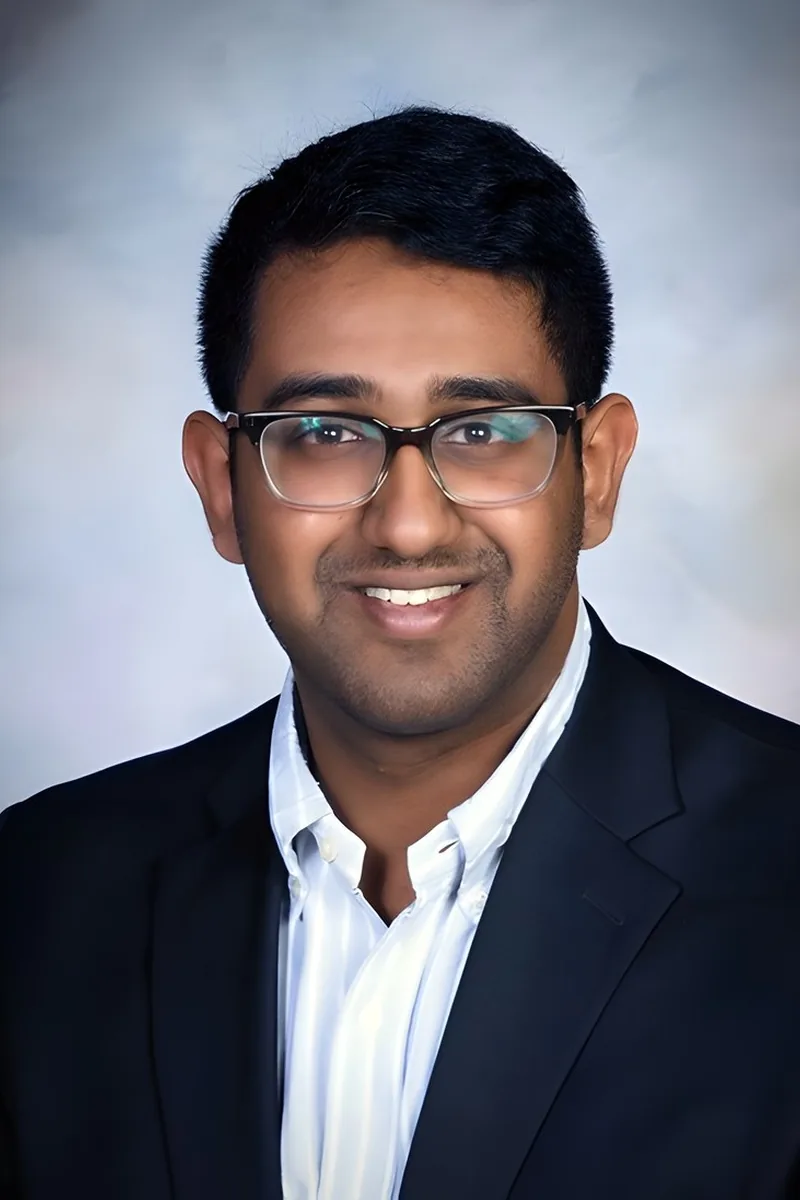
Thermodynamics is Rahul's favorite corner of chemistry — and as a Cornell chemical engineering graduate (magna cum laude), he's applied concepts like enthalpy, Gibbs free energy, and reaction spontaneity far beyond the gen chem textbook, through upper-level coursework in physical chemistry and process design. He pushes students to grasp the conceptual reasoning behind each problem before touching the math, so topics like calorimetry and equilibrium stop feeling like disconnected formula exercises. Rated 4.9 by students.
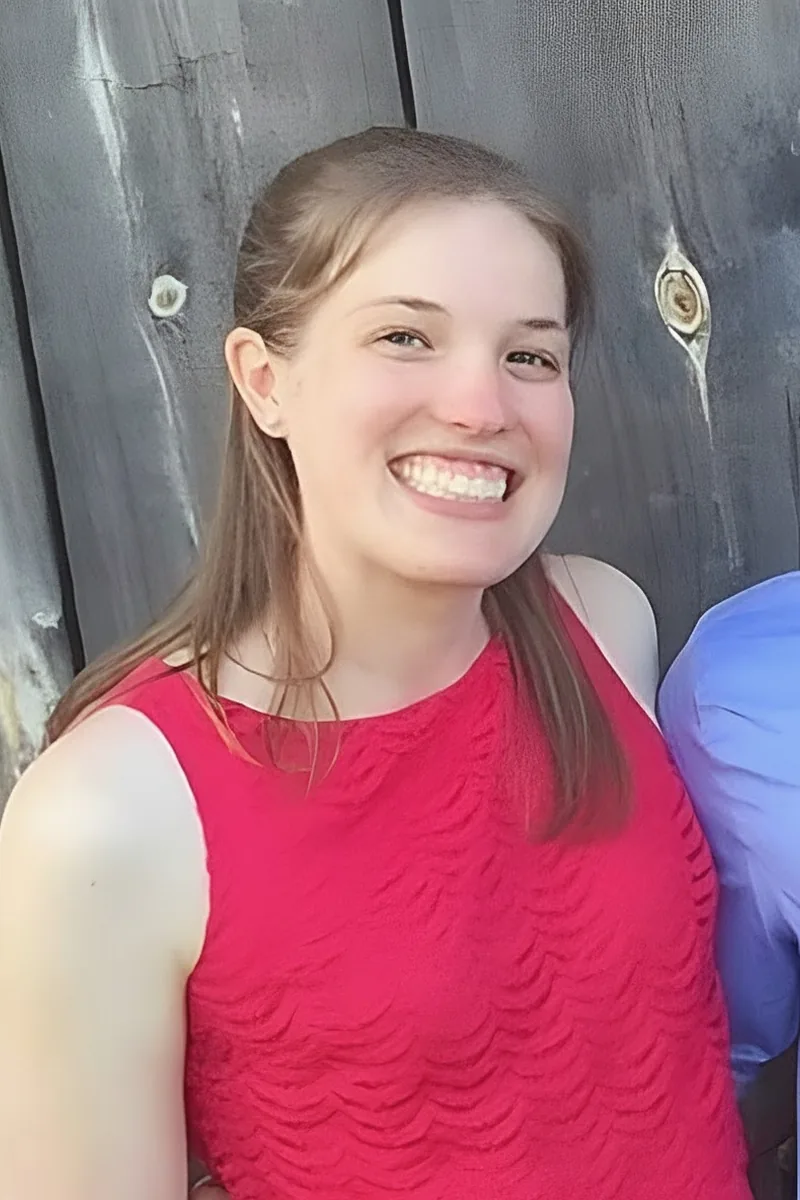
Forty-plus students tutored in general and AP Chemistry, a bachelor's in chemistry, and a master's in environmental toxicology — Amy has seen college-level chemical concepts from the classroom side and the research side, where sloppy equilibrium reasoning or shaky thermodynamics understanding actually costs you results. She walks through problems like calorimetry, solution preparation, and reaction stoichiometry with an emphasis on dimensional analysis and unit tracking, which is where most gen chem mistakes quietly start. Rated 5.0 by students.
Data analytics coursework at Ohio State forced Vishank through the quantitative side of chemistry — the stoichiometry, molarity math, and equilibrium expressions that feel more like algebra problems than science to most students. His database management background means he's wired to organize information systematically, which translates directly to tackling multi-step problems where students lose track of units, sig figs, or conversion factors halfway through. Rated 4.9 by students.
Biomedical engineering training means Kevin has wrestled with college chemistry concepts like reaction thermodynamics, solution equilibria, and molecular bonding in contexts where getting the chemistry wrong meant getting the engineering wrong — so he teaches gen chem with an emphasis on genuine understanding over formula memorization. He's particularly effective at breaking down multi-concept problems where students can't tell if they're stuck on the chemistry or the math underneath it. Holds a 5.0 rating.
Biochemistry at the undergraduate level means Lyndsey didn't just pass gen chem — she immediately had to apply concepts like reaction kinetics, acid-base equilibria, and thermodynamics in upper-level biochem courses where shaky foundations get exposed fast. That gives her a sharp sense of which college chemistry topics need the most careful attention early on, especially for students heading into biology or pre-med tracks. Rated 5.0 by students.
Having taken AP Chemistry and AP Biology before pursuing a psychology degree with neuroscience coursework, William knows college chemistry from the life-sciences student's perspective — where topics like molecular polarity, acid-base reactions, and solution chemistry feel abstract until you see them drive biological processes. He teaches gen chem by anchoring each concept to something tangible, whether that's how electronegativity shapes drug interactions or why buffer systems matter in physiology. Rated 4.5 by students.
Working as a research associate before medical school, Sunny applies gen chem concepts like reaction kinetics and acid-base chemistry in a lab setting daily — so when a student gets stuck on something like buffer calculations or Le Chatelier's principle, he can ground the explanation in how those ideas actually behave at the bench. His biology and economics double major means he's comfortable switching between quantitative problem-solving and conceptual reasoning, which is exactly the split college chemistry demands. Rated 5.0 by students.
Five years of tutoring chemistry at Ohio State — where he's also pursuing his chemistry degree — means Ricardo has seen firsthand which gen chem topics send students to office hours: Lewis structures that contradict formal charge rules, calorimetry problems where sign errors cascade, and equilibrium expressions that fall apart when solids or liquids sneak in. He teaches each concept by rebuilding the reasoning from scratch rather than patching over confusion with shortcuts. Rated 4.6 by students.
Alexander earned his PhD in Chemical Engineering, which means college chemistry concepts like equilibrium, thermodynamics, and reaction kinetics aren't abstract ideas to him — they're tools he's used daily in research. He breaks down topics like electrochemistry and molecular orbital theory by connecting them to real applications students can visualize. Rated 4.9 by students.
Susie's biochemistry major at Swarthmore meant she didn't just pass gen chem — she lived in it, applying concepts like reaction kinetics, acid-base chemistry, and thermodynamics daily through upper-level coursework and research at the Cleveland Clinic. Her NIH work reinforced that same quantitative thinking, so she teaches college chemistry by connecting each problem to the molecular-level reasoning behind it. Holds a 5.0 rating.
Thermodynamics, kinetics, acid-base equilibria — college chemistry demands that students think quantitatively and conceptually at the same time. Ryan's graduate training in medical physiology keeps him immersed in applied chemistry daily, and his prior experience teaching general chemistry at the undergraduate level means he knows how to unpack dense material into clear, step-by-step explanations.
Currently enrolled in Biochemistry and navigating medical school applications, Robert tackles college chemistry with the perspective of someone actively using it — from thermodynamics and equilibrium calculations to reaction kinetics and acid-base titrations. He connects general chemistry concepts to the biological systems they underpin, which makes abstract ideas like Gibbs free energy and Le Chatelier's principle click faster.
Chad holds a master's degree in chemistry, which means he's tackled college-level coursework from thermodynamics and quantum mechanics to electrochemistry and kinetics — not just once as a student, but repeatedly as a tutor. He breaks down intimidating topics like molecular orbital theory and equilibrium calculations into steps that actually make sense on an exam.
General chemistry at the college level moves at roughly double the pace of high school, and Jennifer knows exactly where that speed causes problems because she's the one teaching it. She digs into the topics that derail the most students — thermochemistry calculations, orbital theory, and multi-step equilibrium problems — and builds the quantitative reasoning skills that carry through organic chemistry and beyond. Rated 4.9 by students.
I am always willing to help and I will try my best to help students who desire further understanding of the subject at hand.
A physics teaching degree and a master's in technology and engineering education mean Heather has spent years working at the intersection of math-heavy science and clear instruction — exactly what college chemistry demands when students hit quantitative topics like kinetics rate laws or Hess's law calculations. She teaches the problem-solving logic behind each step rather than letting students white-knuckle their way through formulas. Rated 5.0 by students.
Biochemistry forced Emeric to internalize gen chem — not just pass it — because every upper-level course assumed fluency with concepts like molecular bonding, reaction thermodynamics, and acid-base chemistry. He teaches college chemistry by pulling from that deeper context, showing students how a topic like electronegativity or Le Chatelier's principle actually behaves when the material gets more advanced. Rated 5.0 by students.
Exercise physiology coursework at Ohio University put Adam through the full gen chem gauntlet — stoichiometry, solution chemistry, acid-base equilibria — alongside biological sciences classes that showed him how those principles actually apply in living systems. That dual exposure means he can explain something like molarity or reaction energetics in concrete, physiological terms that make the abstract math feel grounded. He's especially strong at walking through multi-step calculation problems where units and conversions tend to trip students up.
College-level chemistry demands a jump in rigor — suddenly, approximations matter, sig figs aren't optional, and problems layer multiple concepts like thermodynamics and kinetics into a single question. Aaron's B.S. in Chemistry prepared him for exactly this level of complexity, and he's especially effective at breaking down multi-step quantitative problems that trip students up on exams.
Being a Genetics Head Teaching Assistant at Brown while on the immunobiology track means Jessica has applied gen chem concepts like molecular interactions, reaction energetics, and acid-base chemistry in biological contexts where getting the fundamentals wrong isn't an option. She tackles college chemistry problems by pinpointing whether a student is stuck on the concept or the calculation — a distinction her years in math tutoring centers and science labs taught her to spot quickly. Rated 5.0 by students.
Between equilibrium expressions, thermodynamic calculations, and orbital theory, college chemistry demands a level of abstraction that introductory courses don't always prepare students for. Amber digs into the quantitative backbone of these topics, connecting the math to the molecular-level reasoning so that concepts like Gibbs free energy or rate law derivations make sense rather than just get memorized. Her breadth across chemistry and advanced math gives her a rare versatility in tackling problem sets.
Balancing redox equations, predicting reaction spontaneity with Gibbs free energy, working through equilibrium problems — these are the topics that trip up most college chemistry students. Laura tackles them daily as a biology major at WashU, where the pre-med chemistry sequence demands real fluency with thermodynamics, kinetics, and acid-base chemistry. Rated 5.0 by students, she breaks down quantitative problems into clear, logical steps.
Tackling college-level chemistry means juggling thermodynamics, kinetics, and equilibrium all in the same problem set. Brittany was employed at the University of Pennsylvania's Tutoring Center specifically for General Chemistry I and II, where she worked with both undergraduates encountering the material for the first time and graduate students brushing up on fundamentals. That range sharpened her ability to adjust explanations to any level of preparation.
Tackling college chemistry topics like thermodynamics, kinetics, and electrochemistry is second nature for Greg, whose chemical engineering major at Vanderbilt requires him to apply these concepts in advanced contexts every semester. He breaks down intimidating derivations and multi-step problems by connecting them to the underlying physical intuition rather than treating each formula as something to memorize.
Chemical and biomolecular engineering at MIT means Natasha uses general chemistry concepts — equilibrium, kinetics, electrochemistry — as daily tools, not just exam topics. She talks through reaction mechanisms and stoichiometry problems out loud with students, treating each session more like a collaborative lab meeting than a lecture. Rated 4.9 by students.
Cognitive Studies at Vanderbilt gave Vy an unusual angle on college chemistry — she understands how students actually learn and retain dense, concept-heavy material like electron configurations, equilibrium shifts, and thermodynamic laws, not just the content itself. She uses that awareness to structure explanations around how the brain organizes new information, which makes a real difference when a student is drowning in a fast-paced gen chem course. Holds a 5.0 rating.
Studying chemistry at MIT means Max has tackled the same problem sets, lab reports, and conceptual leaps that trip up college chemistry students — quantum mechanical models, thermodynamic cycles, molecular orbital theory. He approaches each session by identifying the specific concept a student is stuck on and building understanding from the ground up, not just drilling practice problems. His 5.0 rating speaks to how well that method works at the college level.
Pre-med coursework at Duke forced Camille through the full gen chem gauntlet — stoichiometry, equilibrium, acid-base chemistry — while simultaneously juggling a humanities major, so she knows what it's like to learn dense quantitative material without the luxury of focusing on nothing else. That experience makes her especially effective with students who aren't pure STEM majors but still need to master college chemistry for their degree track. Rated 5.0 by students.
Computer science at Cornell Engineering required Ravnoor to grind through the same rigorous gen chem sequence that gates so many STEM majors — and his 5.0 rating suggests he retained more than enough to teach it. He tackles calculation-dense topics like stoichiometry and gas laws by decomposing them the way a programmer would: isolate the variables, track the units, and debug each step before moving forward.
Leading weekly peer mentor sessions for General Chemistry at WashU means Sarah doesn't just know college chemistry — she's actively teaching it, walking small groups through problem sets on equilibria, stoichiometry, and solution chemistry every week. That hands-on repetition sharpens her ability to spot exactly where a concept falls apart for each student and rebuild understanding from that point. Rated 5.0 by students.
Going from a Penn undergrad to medical school means Jessica sat through college chemistry twice — once as a prerequisite and again when biochemistry and pharmacology demanded she actually internalize concepts like reaction energetics, acid-base equilibria, and molecular interactions at a deeper level. That second pass gave her a clear sense of which gen chem topics students need to truly own versus merely survive, and she teaches accordingly. Rated 4.8 by students.
Testimonials
Because the right College Chemistry tutor makes all the difference.
Average Session Rating – Based on 3.4M Learner Ratings
Other Canton Tutors
Related Science Tutors in Canton
Frequently Asked Questions
Varsity Tutors matches Canton students with expert College Chemistry tutors for 1-on-1 instruction. We pair each student with a tutor based on their specific needs, learning style, and goals.
Whether you need homework help, exam prep, or want to get ahead, our College Chemistry tutors are ready to help.
Common challenges include gaps from earlier material, difficulty with specific concepts, and trouble applying learning to new problems. These issues can snowball quickly in College Chemistry.
A tutor identifies where you're stuck, fills in gaps, and provides targeted practice. The 1-on-1 format means you get help exactly where you need it.
Tutors work with your student's actual coursework—homework assignments, class notes, and upcoming tests. This keeps tutoring directly relevant to what's happening in the classroom.
When you share information about your student's school and curriculum, we can match you with a tutor who has relevant experience.
All tutors complete background checks, credential verification, and teaching evaluation. Many of our College Chemistry tutors hold advanced degrees or have years of teaching experience.
You can review tutor profiles to find someone with the right background for your student's level and needs.
Many students see improved grades within a few weeks, along with better understanding of College Chemistry concepts and more confidence tackling challenging material.
Tutors track progress and adjust their approach to ensure continued improvement.
Most students benefit from 1-2 sessions per week. More frequent sessions help if your student is significantly behind or has an important exam coming up.
Your tutor can recommend a schedule based on your student's specific situation and goals.
Tutoring is purchased in packages of hours, with rates varying by tutor experience. Varsity Tutors offers several options to fit different budgets and needs.
You can discuss pricing during your consultation to find what works best.
Your tutor will assess where your student is, discuss goals, and start working on priority areas. Most students bring current homework or upcoming test material to focus on.
By the end, you'll have a clear sense of how the tutor can help and a plan for moving forward.
Let’s find your perfect tutor
Answer a few quick questions. We’ll recommend the right plan and match you with a top 5% tutor.