Award-Winning AP Environmental Science Tutors
serving Canton, OH
AP Environmental Science
Tutors in Canton
Private 1-on-1 tutoring, weekly live classes for academic support, test prep & enrichment, practice tests and diagnostics, and more to elevate grades and test scores.
Based on 3.4M Learner Ratings
UniversitiesSchools & Universities
DeliveredHours Delivered
ProficiencyGrowth in Proficiency
Who needs tutoring?
No obligation. Takes ~1 minute.
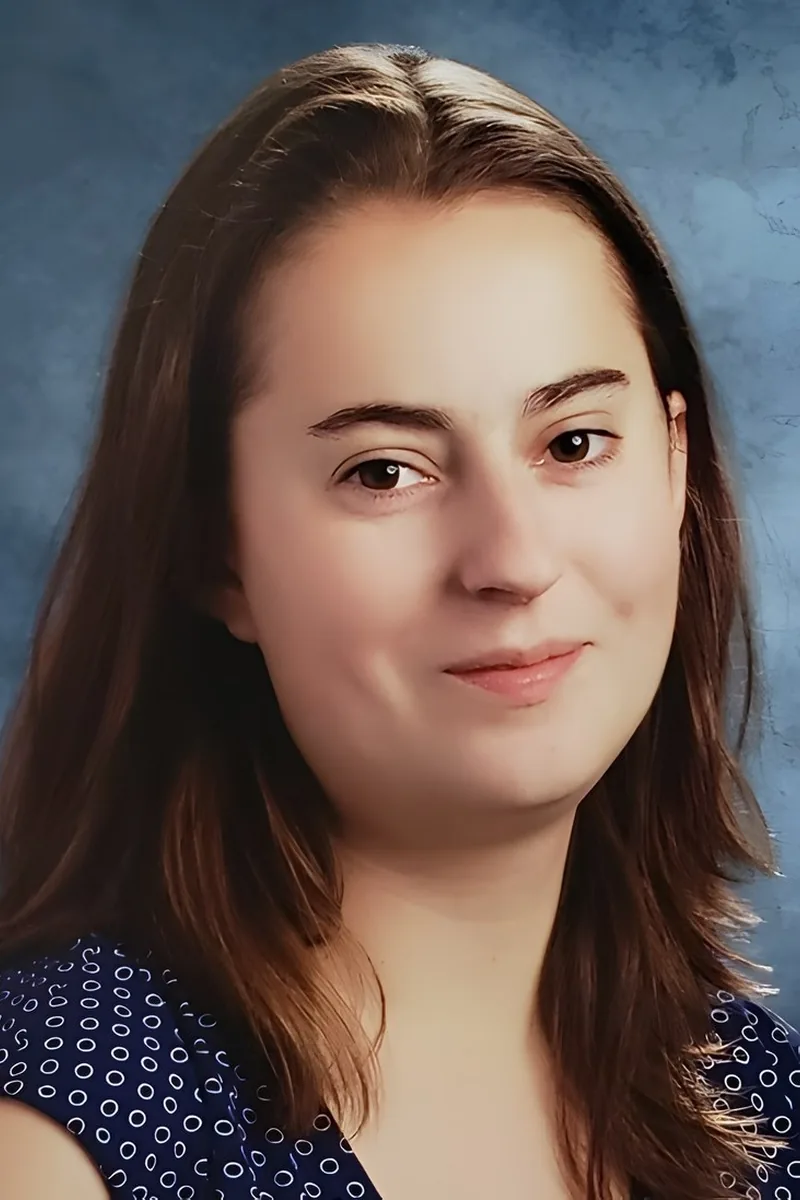
Between her psychology training and broad biology expertise — spanning ecology, cell biology, and environmental science — Emily approaches APES through the lens of how human behavior drives environmental problems, which is exactly the angle the exam's free-response questions on sustainability, resource use, and policy trade-offs demand. She unpacks topics like feedback loops in climate systems and biodiversity loss by connecting the underlying biology to the decision-making patterns that accelerate or mitigate them. Rated 5.0 by students.
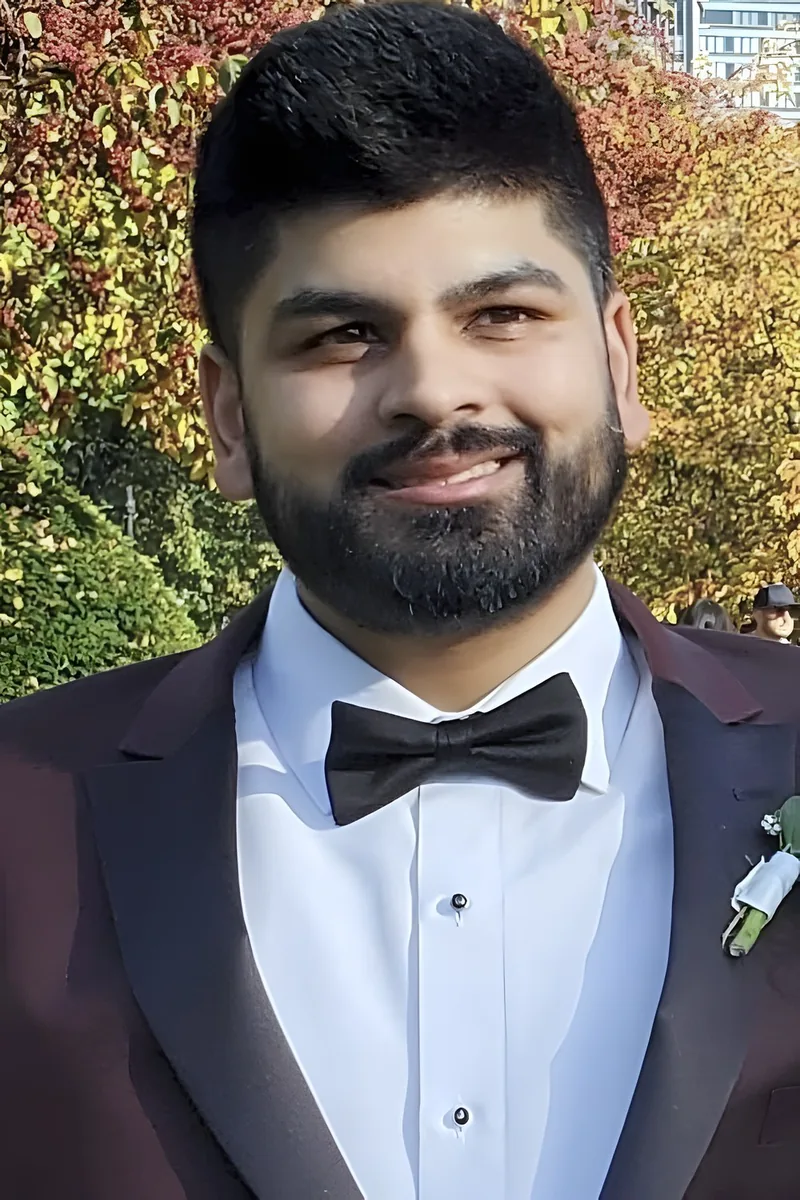
As a tutor for 20+ years, I bring ample experience and knowledge. I specialize in standardized testing (MCAT, SAT, ACT, GRE, & more), medical school and pre-med courses, and undergraduate STEM subjects. A former medical school student and Master of Public Health, I opted for what truly brings me joy: tutoring, teaching, and guiding students to lifelong academic success.
Primary care medicine means Kellyann sees the downstream effects of environmental problems daily — asthma exacerbated by air quality, waterborne pathogens, the health toll of industrial pollutants — which gives her a clinical lens on APES units covering pollution, toxicology, and human impact that pure ecology tutors often lack. She pairs that real-world perspective with nine years of science tutoring experience and a 4.9 rating, teaching students to trace environmental causes through biological systems the way a clinician would during a differential diagnosis.
Biomedical engineering trains you to think about how biological systems interact with their surroundings — and Huan brings that lens to APES topics like bioaccumulation, toxicology, and how pollutants move through food webs and water systems. His chemistry-focused coursework strengthens the quantitative side students often stumble on, from pH calculations in acid deposition problems to interpreting LD50 data on the free-response section. Rated 5.0 by students.
Chemical engineering coursework at Princeton drills material and energy balances — tracking what flows in, what transforms, and what flows out — which maps directly onto APES topics like biogeochemical cycles, pollution transport, and energy resource calculations. Satya applies that systems-level thinking to the exam's quantitative questions, breaking down ecological footprint math and efficiency problems with an engineer's precision. A perfect 36 ACT score speaks to the data-interpretation and scientific reasoning skills the free-response section demands.
An anthropology degree might seem like an unusual background for APES, but it's surprisingly relevant — Libby understands human-environment interactions, resource use patterns, and cultural dimensions of environmental policy, which are exactly the themes the exam's free-response questions probe. She teaches students to think about ecological problems through the lens of human systems, connecting topics like land use, pollution, and sustainability to the societal forces driving them. Rated 5.0 by students.
Sofia's ecology concentration at the University of Chicago means AP Environmental Science isn't a subject she just studied — it's her field. She unpacks FRQ-heavy topics like biogeochemical cycles, biodiversity loss, and energy resource tradeoffs with the depth of someone who does research in a neurobiology lab and thinks about ecosystems professionally. That firsthand scientific context makes the difference between memorizing vocabulary and actually understanding environmental systems.
Studying biological sciences means Liana is learning the underlying mechanisms — cellular respiration, nutrient cycling, population growth models — that APES questions are built on, rather than encountering them as isolated vocabulary terms. She breaks down topics like energy flow and species interactions using the same biological logic her college coursework demands, which pays off on free-response questions that ask students to explain processes rather than just name them. Rated 4.9 by students.
Stanford's Science, Technology, and Society major sits at the exact intersection APES lives in — where ecological science meets human systems, policy decisions, and technological trade-offs. Rithika's IB and National AP Scholar background means she's already navigated the kind of interdisciplinary, essay-heavy exams that APES models itself on, and she uses that experience to teach students how to connect scientific evidence to real-world environmental consequences in their free-response answers.
Running a marine biology summer camp means Zoey has taught kids to trace real ecological relationships — predator-prey dynamics, nutrient runoff in coastal systems, habitat loss from human development — which map directly onto the APES curriculum's core units. Her master's in marine biology gives her the field-level understanding of biodiversity, conservation, and ecosystem interactions that turns abstract exam topics into concrete examples students actually remember. Rated 4.9 by students.
Finance majors learn to model complex systems with multiple interacting variables — resource scarcity, cost-benefit trade-offs, long-term risk — and Rinky applies that same analytical framework to APES topics like resource depletion, environmental cost analysis, and sustainability trade-offs that show up heavily in free-response prompts. Her 1520 SAT and 5.0 tutoring rating speak to the precision she brings when walking through the data-interpretation and calculation questions that surprise students expecting a soft science course.
Kiera is majoring in Ecology and Evolutionary Biology at Dartmouth, which means she's studying biodiversity, population dynamics, and ecosystem interactions at a level well beyond what the APES exam requires — and her engineering modification adds the quantitative rigor needed for calculations like energy transfer efficiency and ecological footprint math. She scored a 35 on the ACT and holds a 5.0 tutoring rating, bringing that same precision to the data-analysis and experimental-design questions that make up the bulk of the free-response section.
Organismal physiology — Steven's concentration at Drexel — is essentially the study of how living systems respond to their environments, which maps directly onto APES topics like how pollutants move through organisms, how species adapt to habitat changes, and why bioaccumulation works the way it does. That biological depth, paired with a 34 ACT and 5.0 tutoring rating, means he can teach both the conceptual ecology and the math-heavy questions on energy calculations and resource analysis that the exam increasingly emphasizes.
Neuroscience teaches you to think about interconnected systems — how a single disruption cascades through networks of dependent processes — and Ankit applies that same framework to APES topics like trophic cascades, biogeochemical disruptions, and feedback loops in climate systems. His dual background in neuroscience and computer science at Duke, combined with a perfect 36 ACT, means he's comfortable with both the conceptual modeling and the quantitative problem-solving the exam demands.
Testimonials
Because the right AP Environmental Science tutor makes all the difference.
Average Session Rating – Based on 3.4M Learner Ratings
Practice AP Environmental Science
Free practice tests, flashcards, and AI tutoring for AP Environmental Science
Nearby AP Environmental Science Tutors
Other Canton Tutors
Related Science Tutors in Canton
Frequently Asked Questions
Varsity Tutors matches Canton students with expert AP Environmental Science tutors for 1-on-1 instruction. We pair each student with a tutor based on their specific needs, learning style, and goals.
Whether you need homework help, exam prep, or want to get ahead, our AP Environmental Science tutors are ready to help.
Common challenges include gaps from earlier material, difficulty with specific concepts, and trouble applying learning to new problems. These issues can snowball quickly in AP Environmental Science.
A tutor identifies where you're stuck, fills in gaps, and provides targeted practice. The 1-on-1 format means you get help exactly where you need it.
Tutors work with your student's actual coursework—homework assignments, class notes, and upcoming tests. This keeps tutoring directly relevant to what's happening in the classroom.
When you share information about your student's school and curriculum, we can match you with a tutor who has relevant experience.
All tutors complete background checks, credential verification, and teaching evaluation. Many of our AP Environmental Science tutors hold advanced degrees or have years of teaching experience.
You can review tutor profiles to find someone with the right background for your student's level and needs.
Many students see improved grades within a few weeks, along with better understanding of AP Environmental Science concepts and more confidence tackling challenging material.
Tutors track progress and adjust their approach to ensure continued improvement.
Most students benefit from 1-2 sessions per week. More frequent sessions help if your student is significantly behind or has an important exam coming up.
Your tutor can recommend a schedule based on your student's specific situation and goals.
Tutoring is purchased in packages of hours, with rates varying by tutor experience. Varsity Tutors offers several options to fit different budgets and needs.
You can discuss pricing during your consultation to find what works best.
Your tutor will assess where your student is, discuss goals, and start working on priority areas. Most students bring current homework or upcoming test material to focus on.
By the end, you'll have a clear sense of how the tutor can help and a plan for moving forward.
Let’s find your perfect tutor
Answer a few quick questions. We’ll recommend the right plan and match you with a top 5% tutor.