Award-Winning AP Environmental Science Tutors
serving Toledo, OH
AP Environmental Science
Tutors in Toledo
Private 1-on-1 tutoring, weekly live classes for academic support, test prep & enrichment, practice tests and diagnostics, and more to elevate grades and test scores.
Based on 3.4M Learner Ratings
UniversitiesSchools & Universities
DeliveredHours Delivered
ProficiencyGrowth in Proficiency
Who needs tutoring?
No obligation. Takes ~1 minute.
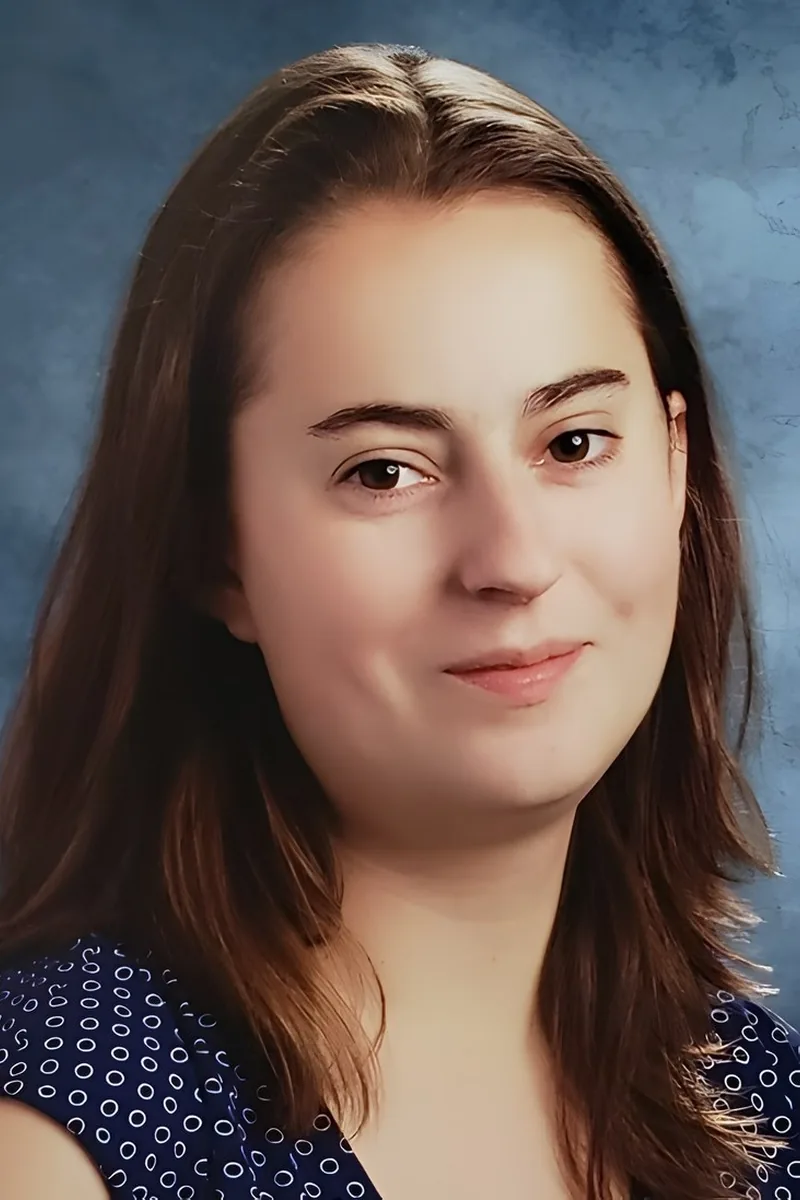
Between her psychology training and broad biology expertise — spanning ecology, cell biology, and environmental science — Emily approaches APES through the lens of how human behavior drives environmental problems, which is exactly the angle the exam's free-response questions on sustainability, resource use, and policy trade-offs demand. She unpacks topics like feedback loops in climate systems and biodiversity loss by connecting the underlying biology to the decision-making patterns that accelerate or mitigate them. Rated 5.0 by students.

As a tutor for 20+ years, I bring ample experience and knowledge. I specialize in standardized testing (MCAT, SAT, ACT, GRE, & more), medical school and pre-med courses, and undergraduate STEM subjects. A former medical school student and Master of Public Health, I opted for what truly brings me joy: tutoring, teaching, and guiding students to lifelong academic success.
An anthropology degree might seem like an unusual background for APES, but it's surprisingly relevant — Libby understands human-environment interactions, resource use patterns, and cultural dimensions of environmental policy, which are exactly the themes the exam's free-response questions probe. She teaches students to think about ecological problems through the lens of human systems, connecting topics like land use, pollution, and sustainability to the societal forces driving them. Rated 5.0 by students.
Cognitive science trains you to think in systems — how inputs, feedback loops, and cascading effects connect across complex networks — which maps surprisingly well onto APES topics like biogeochemical cycles, ecosystem disruption, and human-environment feedback. Zachary applies that systems-thinking lens to help students trace cause-and-effect chains across units, which is the skill that separates 3s from 5s on the free-response section. He scored a 32 on the ACT and carries a 4.8 tutoring rating.
As a PhD student researching microbial ecology, Isaac lives the material that AP Environmental Science covers — biogeochemical cycles, ecosystem dynamics, biodiversity loss, and human impact on natural systems. He brings current research context into exam prep, connecting FRQ strategies to the kind of scientific reasoning the College Board actually rewards. His 5.0 rating speaks to how well that approach lands with students.
Having earned her degree in Environmental Studies from Temple, Annie knows AP Environmental Science inside and out — from biogeochemical cycles and ecosystem energy flow to the policy and human-impact questions that dominate the free-response section. She also spent a gap year working on organic farms in New Zealand, which means topics like soil science, sustainable agriculture, and biodiversity loss come with firsthand context that sticks.
Eric's degree in Ecology & Evolutionary Biology means he studied the actual science behind APES — population ecology, species interactions, and ecosystem-level processes — not just the survey-course version. He teaches students to think about environmental problems the way an ecologist would, tracing how a disturbance like deforestation or nutrient loading ripples through trophic levels and feedback loops until the full picture clicks.
Having spent a year as a climate change researcher at the University of Helsinki — where she completed PhD-level atmospheric science coursework — Marika brings firsthand lab and field experience to AP Environmental Science. She digs into biogeochemical cycles, energy flow, and climate modeling with the depth the AP exam demands, connecting FRQ strategies to the actual science behind each topic.
Hello, students! My name is Pranav, and I'm so excited to be tutoring with Varsity Tutors. I have vast experience tutoring both personally and professionally; I've held officer positions in several nonprofit organizations, including STEMpals and The Do Re Mi Project, teaching courses ranging from biology to music theory. I took 16 AP courses throughout high school with all 5s, and I earned a 1570 on my SAT, so I'm pretty familiar with the majority of academic subjects! I have experience tutoring any and all skill levels, and I'm always open to expanding my horizons, so please don't hesitate to book your first lesson. I'm looking forward to meeting with you!
Medical training reshapes how you think about environmental health — Amanda's MD/MPH work means she understands toxicology pathways, epidemiological data, and the public health consequences of pollution at a clinical level, which gives her a distinctive angle on APES units covering air and water quality, disease vectors, and human impact. She teaches students to read dose-response data and environmental risk assessments the way a physician would, building the analytical reasoning the free-response section rewards.
A history and political science background turns out to be a real asset for the APES units on environmental legislation, resource policy, and the human-systems questions that dominate the free-response section — Andrew can explain why the Clean Air Act matters in both a political and ecological context. He also tutors across math and science, so he's comfortable walking through the quantitative problems like resource depletion rates and energy calculations that trip up students who expected a purely memorization-based course.
Before she ever tutored APES, Jenna was on the other side — she used tutoring herself in high school to push through tough coursework and earned a 31 ACT and full-tuition scholarship along the way. That experience gives her a sharp read on where students get stuck, especially on the policy and legislation units where environmental science intersects with the kind of big-picture cause-and-effect reasoning she sharpened across her humanities and writing coursework. Rated 4.9 by students.
Brett earned three bachelor's degrees and a master's in biology, which means topics like biogeochemical cycles, ecosystem energy flow, and population ecology aren't just APES vocabulary for him — they're concepts he studied repeatedly across multiple degree programs. He brings that layered understanding to the lab-design and data-analysis questions where students need to explain mechanisms, not just label diagrams. Rated 5.0 by students.
Between his dual majors in Statistics/Economics and Business Analytics at Carnegie Mellon, Nitin spends most of his time building and interpreting data models — which is exactly the skill set APES leans on when students have to calculate ecological footprints, analyze pollution trends, or interpret population growth curves on the exam. He approaches the course's free-response questions as data-driven arguments, teaching students to pull evidence from graphs and tables and structure answers that actually earn full credit.
Testimonials
Because the right AP Environmental Science tutor makes all the difference.
Average Session Rating – Based on 3.4M Learner Ratings
Practice AP Environmental Science
Free practice tests, flashcards, and AI tutoring for AP Environmental Science
Nearby AP Environmental Science Tutors
Other Toledo Tutors
Related Science Tutors in Toledo
Frequently Asked Questions
Score improvement depends on your starting point and study consistency, but students who work with expert tutors typically see meaningful gains—often 1-3 points on the AP scale. The most significant improvements come from targeted practice on the free-response section (which accounts for 40% of your score) and developing stronger data analysis skills. A tutor can help you identify which of the five units are dragging down your performance and focus your study time accordingly.
You can start tutoring at any point—whether you're just beginning the course or deep into exam prep. If you're early in the year, a tutor can help you build a strong foundation in the five major units (Earth Systems, Living World, Energy Resources, Human Populations, and Pollution) while keeping pace with your class. If you're closer to the exam, tutoring focuses on filling knowledge gaps, mastering question formats, and refining test-taking strategy.
The most common struggles are data interpretation (graphs, tables, and calculations appear frequently), distinguishing between similar environmental concepts, and managing the exam's time pressure—you have 180 minutes for 80 multiple-choice questions and 3 free-response questions. Many students also underestimate the quantitative side of the course; while it's not calculus-heavy, you need to be comfortable with percentages, ratios, and basic calculations. A tutor can break down these areas and build your confidence with targeted practice.
The free-response section rewards clear reasoning and specific examples—not just correct answers. Tutors help you develop a consistent structure: identify the concept being tested, explain the science behind it, and connect it to real-world applications. Practice with released AP prompts is essential; you'll learn that some questions ask you to calculate, others to explain cause-and-effect, and others to evaluate trade-offs. Working through these with feedback helps you avoid common mistakes like missing parts of multi-part questions.
For students in Toledo preparing for the May exam, most benefit from 1-2 tutoring sessions per week paired with 3-5 hours of independent study. If you're starting in the fall, this pace lets you build mastery unit-by-unit; if you're starting closer to the exam, you may want more frequent sessions to accelerate progress. Your tutor can help you create a realistic study plan based on your current level and target score.
Confidence comes from knowing the material and having a game plan. Tutors help reduce anxiety by familiarizing you with every question format you'll encounter, teaching you pacing strategies (like how long to spend on multiple-choice vs. free-response), and building your comfort with timed practice tests. Practicing under realistic exam conditions—with a timer and without notes—removes surprises on test day and helps you manage stress through preparation rather than panic.
Varsity Tutors connects students in Toledo with expert tutors who specialize in AP Environmental Science and understand the specific demands of the exam. You'll be matched with someone based on your schedule, learning style, and goals—whether you need help with a specific unit or comprehensive exam prep. The first session is a great opportunity to discuss your strengths, weaknesses, and target score so your tutor can tailor the approach to your needs.
Start by taking a full-length practice test under timed conditions and reviewing your results by unit and question type—you'll quickly see patterns (e.g., "I struggle with energy calculations" or "I miss questions about biogeochemical cycles"). Bring these results to your tutor, who can diagnose whether the issue is conceptual misunderstanding, careless mistakes, or time management. From there, your tutor designs targeted practice to strengthen those specific areas before moving on.
Let’s find your perfect tutor
Answer a few quick questions. We’ll recommend the right plan and match you with a top 5% tutor.