Award-Winning Biology Tutors
serving Charlotte, NC
Biology
Tutors in Charlotte
Private 1-on-1 tutoring, weekly live classes for academic support, test prep & enrichment, practice tests and diagnostics, and more to elevate grades and test scores.
Based on 3.4M Learner Ratings
UniversitiesSchools & Universities
DeliveredHours Delivered
ProficiencyGrowth in Proficiency
Who needs tutoring?
No obligation. Takes ~1 minute.
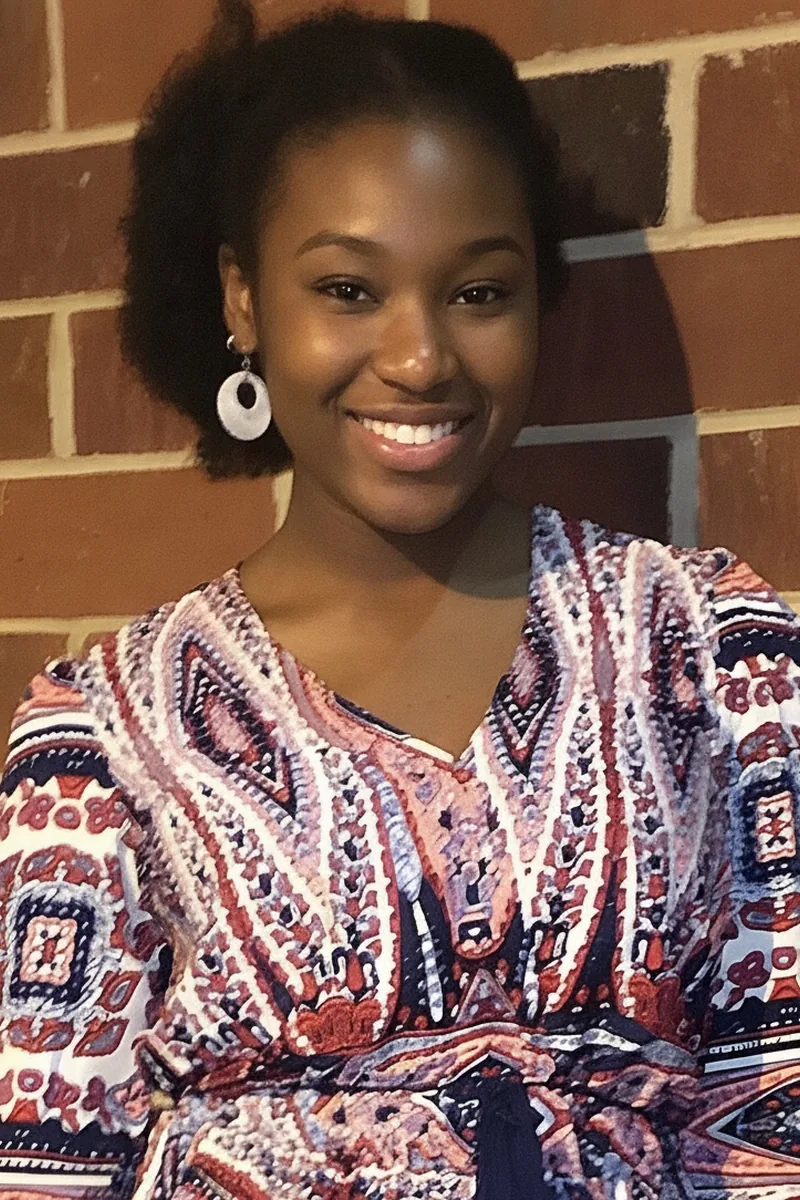
Economics might seem far from biology, but Ify's undergraduate coursework covers the quantitative reasoning and systems thinking that make topics like ecology, population dynamics, and feedback loops click — she approaches biological processes the same way she'd model an economic system, tracing cause and effect through each step. Her 5.0 rating speaks to a patient, adaptive teaching style that gives students room to ask questions and revisit tricky concepts like cellular energy flow or genetics until the logic genuinely lands.
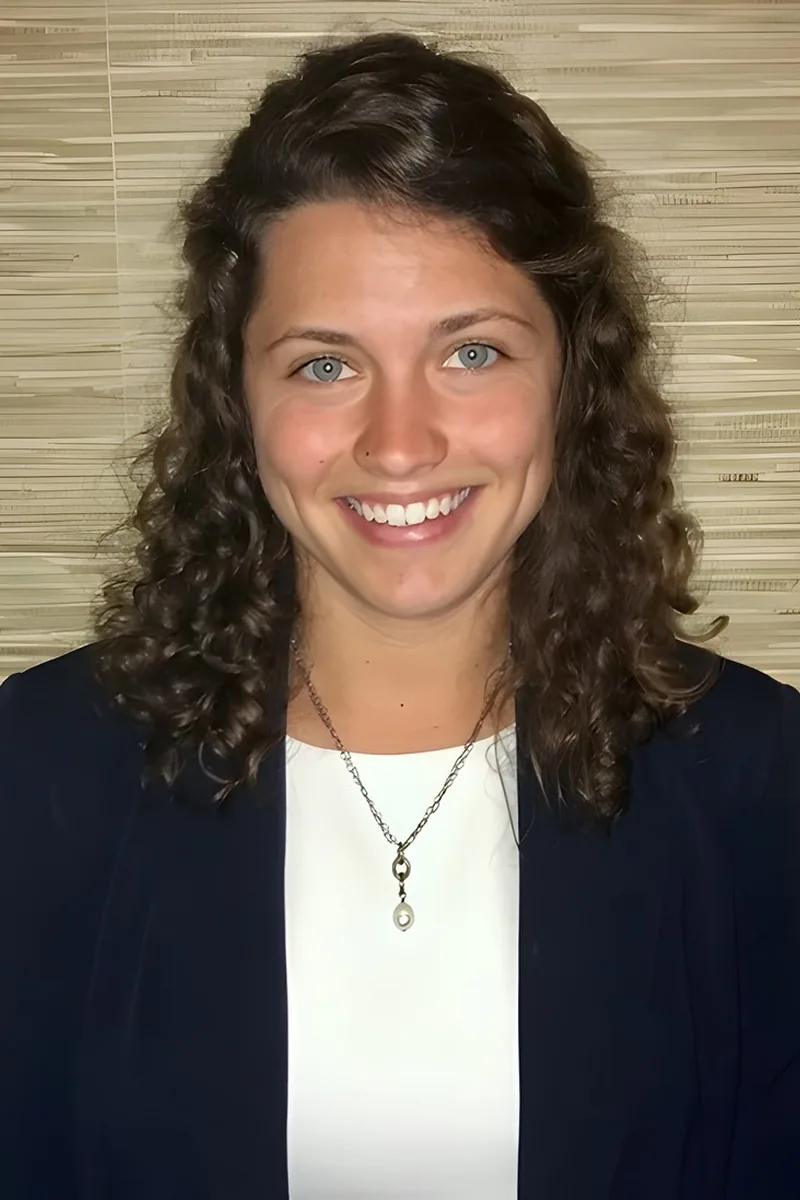
A fourth-year medical student with a physiology master's from Georgetown and a chemistry minor from UNC Chapel Hill, Morgan brings an unusual depth to biology tutoring. She unpacks everything from genetics and evolution to ecology by tying each concept back to underlying mechanisms — explaining not just what happens in a biological system but the chemistry and physics driving it. Rated 5.0 by students.
Cellular biology and botany are Madison's sweet spots — she's the kind of tutor who can sketch out a plant cell's organelles, then explain how each one contributes to processes like transpiration or photosynthetic electron transport, turning a static diagram into something that actually tells a story. Her biology degree at Guilford College and a 5.0 tutoring rating back up that visual, mechanism-first approach to teaching the subject.
Between her pre-med coursework and MCAT preparation, Cailee has been through the full sweep of biology — cell signaling, genetics, organ systems, ecology. She's especially sharp on molecular and cellular biology, connecting processes like transcription and the citric acid cycle to the bigger picture of how organisms function. Rated 5.0 by her students.
I'm a rising junior at the University of North Carolina at Chapel Hill. I was born and raised in Charlotte, NC, and I love helping others understand new subjects.
I am extremely passionate about teaching and I am considering becoming a professor of Chemistry. Don't ever hesitate to ask me questions! I'll be more than happy to answer them!
Three science bachelor's degrees plus medical school means Sydny has taken biology exams at nearly every level the subject offers — from introductory ecology and genetics through the histology and pathophysiology of clinical training. What stuck with her from that journey is how to think through a biological problem rather than just recall an answer, and she teaches that same reasoning process when tackling topics like inheritance patterns, cellular energy, or organ-system integration.
Between his biomedical engineering major and his AP Biology background, Eric sees biology as an interconnected system rather than a pile of vocabulary terms. He unpacks topics like cellular respiration, DNA replication, and homeostasis by explaining the 'why' behind each mechanism, which makes retention far easier than flashcard drilling.
Two biology-adjacent degrees gave Julie deep fluency with everything from molecular genetics to ecological modeling. She unpacks dense topics like cellular respiration, DNA replication, and evolutionary mechanisms by tying each one back to a concrete question — why does this pathway exist, and what breaks when it fails?
Tammy's biochemistry and cell biology degree wasn't just coursework — it fed directly into Duke medical school, where she's spent years applying concepts like signal transduction, gene expression, and metabolic regulation to real clinical problems. That progression means she can teach a topic like cellular respiration or protein synthesis with the kind of depth that makes exam questions feel predictable rather than surprising. Rated 5.0 by students.
Few biology tutors can draw on the kind of hands-on experience Emmanuel brings — he's a certified clinical simulations instructor with a respiratory therapy degree and current physician assistant training at Duke. Whether the topic is genetics, ecology, or organ systems, he connects textbook material to real physiological scenarios that make the content memorable.
Alisha's coursework spans an unusual combination — a BFA in Dance alongside minors in Psychology and Political Science — which means she understands biology through the lens of how the human body actually moves, breathes, and adapts. She's particularly effective at grounding topics like cellular respiration, muscle physiology, and homeostasis in tangible physical experience, making abstract processes feel concrete. Her 34 ACT reflects the kind of cross-disciplinary sharpness that keeps pace with both introductory and AP-level material.
Jordan's path from a Biochemistry and Molecular Biology degree through medical school means he's encountered biology at every level of complexity, from introductory cell structure to advanced physiology. He breaks down topics like DNA replication, membrane transport, and ecological relationships by connecting each concept to a bigger picture — often a clinical one — that makes the detail stick.
Professor Florence's applied mathematics background and PhD-level engineering work give her an unusual entry point into biology — she's strongest at helping students see the quantitative scaffolding behind topics like population dynamics, enzyme kinetics, and ecological modeling that trip up students who treat biology as pure memorization. Her teaching experience across multiple universities means she's seen how biology courses are structured at different levels, from introductory cell biology through upper-division coursework.
The jump from memorizing biological vocabulary to actually understanding how cells, organisms, and ecosystems function is where most students struggle. Jordan's bioengineering PhD gave him a quantitative, systems-level view of biology — he explains processes like mitosis, enzyme kinetics, or ecological modeling by showing the underlying logic rather than treating each topic as an isolated set of facts.
From running a marine biology summer camp to completing both undergraduate and graduate degrees in the life sciences, Zoey has taught biology across contexts where the stakes range from sparking a kid's first curiosity about tide pools to defending a master's thesis on marine ecosystems. That breadth gives her a particular strength in ecology and evolutionary biology — she teaches concepts like trophic cascades, speciation, and natural selection as interconnected narratives rather than disconnected vocabulary lists. Rated 4.9 by students.
Studying biological and physical sciences at Cornell means Katrina is actively working through the same material her students are — from cell biology and genetics to ecology and evolution — with the advantage of seeing how each topic connects across her coursework in real time. She scored a 35 on the ACT, which speaks to the kind of disciplined, systematic thinking she brings to breaking down dense biological processes like mitosis or gene expression into steps that actually stick. Rated 5.0 by students.
Kristina's neuroscience PhD from Washington University and postdoctoral research at Duke mean she's spent years working at the intersection of molecular biology and cell biology — specifically studying how brain cells build and maintain synapses. She brings that depth to biology tutoring, breaking down topics like cell signaling, gene expression, and membrane dynamics with the kind of mechanistic detail that comes from daily lab work. Rated 5.0 by students.
Sophia is a pre-med student at UNC Chapel Hill and a Carolina Research Scholar, so biology isn't just a subject she tutors — it's central to her academic life. She unpacks everything from cell structure and mitosis to ecology and evolution, and her peer tutoring in honors biology gave her practice explaining dense material in ways that stick. Her genetics minor adds particular depth when sessions turn to DNA replication, Mendelian inheritance, or gene expression.
Biochemistry majors see biology differently — Hunter learned genetics, cell biology, and ecology not as standalone chapters but as the molecular groundwork for the organic chemistry and metabolism courses that followed. That perspective lets him teach a topic like gene expression or signal transduction by anchoring it in the chemical logic underneath, which tends to make the material stick far longer than rote memorization. Rated 5.0 by students.
Victoria's coursework is recent enough that she remembers exactly which biology topics felt straightforward and which ones — like tracing energy through cellular respiration or keeping the stages of mitosis straight — required a different study approach to actually stick. She pairs that firsthand recall with a broad science background to connect biology concepts to the bigger picture, making dense material feel less like a wall of vocabulary and more like a system that makes sense.
A wildlife and wildlands science degree means Emily learned biology through the lens of living systems — population genetics, cellular respiration in field organisms, and ecological nutrient cycling. She breaks down dense topics like DNA replication and metabolic pathways by tying them to the organisms and ecosystems where those processes actually matter.
Chemical engineering coursework forced Catrina to internalize biology at the molecular level — reaction kinetics in living cells, mass transport across membranes, thermodynamic principles governing metabolism — which gives her a distinctly mechanistic way of explaining processes like cellular respiration or osmosis. She pairs that engineering rigor with a patient, analogy-driven teaching style, connecting abstract biological concepts to concrete examples students can actually picture.
A Duke biology degree means Amanda has been through the full gauntlet — from molecular genetics to ecology — and can explain how those layers connect. She's especially sharp on cellular respiration and photosynthesis, breaking the energy pathways into manageable steps instead of one intimidating diagram. Students rate her 5.0.
Minoring in both biology and chemistry at Duke while on the pre-med track gave Rayhan the kind of dual-lens perspective that makes topics like cellular respiration or enzyme function click — he can explain the biology and the chemistry happening simultaneously. That combination is especially useful when students hit the chapters where memorizing structures isn't enough and they need to understand the reactions driving each process. Rated 5.0 by students.
Rashmi's coursework in economics and computer science at UNC Chapel Hill might seem distant from biology, but the data-driven thinking she uses daily — pattern recognition, systems modeling, interpreting complex inputs and outputs — maps surprisingly well onto topics like genetics, ecology, and metabolic regulation. She teaches biology by turning sprawling processes into structured logic, which is especially effective for students who think analytically but struggle with the memorization-heavy way the subject is often presented. Rated 5.0 by students.
Julia's degree in Cellular and Molecular Biology means she doesn't just know the textbook definitions of processes like membrane transport or microbial pathogenesis — she studied them at the mechanistic level where chemistry and biology intersect. That molecular foundation lets her teach topics like gene regulation or immune response with a precision that makes dense material genuinely easier to reason through. Rated 4.8 by students.
Ritu's biology degree anchors a teaching range that stretches from cell biology and molecular biology through ecology-adjacent fields like plant biology and marine biology — breadth that lets her show students how a concept like ATP synthesis connects to organisms across wildly different environments. She's particularly strong at linking micro-level processes (gene expression, membrane dynamics) to the macro-level patterns students encounter in general biology courses. Rated 5.0 by students.
An Emory biology degree built around evolutionary biology, microbiology, and ecology gives Matthew a broad and deep command of the subject. He digs into the mechanisms behind concepts — not just that natural selection happens, but how allele frequencies shift in a population, or why a cell membrane's phospholipid bilayer behaves the way it does. That level of detail makes him effective whether the topic is molecular biology or organismal physiology.
Studying biology as her undergraduate major means Nicole isn't just revisiting old material — she's actively learning topics like ecology, cell biology, and genetics in real time, which keeps her sharp on exactly what's confusing the first time through. That proximity to the learning curve, combined with her strong science foundation across chemistry and AP Biology, makes her especially effective at translating dense processes like photosynthesis or meiosis into clear, step-by-step logic. Rated 5.0 by students.
Studying biostatistics at UNC Chapel Hill means Alex lives at the intersection of biology and data, which gives him a practical lens on everything from cellular respiration pathways to genetics probability problems. He unpacks dense biological processes by mapping out cause-and-effect chains rather than expecting students to memorize disconnected facts.
Emily's nursing education gave her deep roots in human biology — cell physiology, organ systems, genetics, and homeostatic mechanisms all featured heavily in her BSN and MSN coursework. She unpacks these topics by connecting molecular-level processes to what's actually happening inside the body, which turns memorization into understanding.
Two semesters as a teaching apprentice in UNC's introductory biology lab gave Caroline a front-row seat to the concepts students struggle with most — cell signaling pathways, Mendelian genetics, and the details of cellular respiration. She's pursuing a B.S. in Biology with a chemistry minor, so she can unpack the molecular-level reasoning that introductory courses increasingly demand. Her 5.0 rating speaks to how clearly she communicates dense material.
From cellular respiration's electron transport chain to Hardy-Weinberg equilibrium in population genetics, biology is full of concepts that look like memorization but actually require reasoning through processes. Kathleen's experience in neuroscience and bioinformatics gives her a research-informed perspective — she teaches students to trace cause and effect through biological systems rather than just labeling diagrams.
Two degrees from UNC Chapel Hill — one in biology, one in medical anthropology — gave Ashley an unusual lens on the life sciences: she understands organisms at the molecular level and within the broader context of human health and environment. She digs into topics like cell signaling, genetics, and evolutionary mechanisms by connecting them to real-world applications that make the material stick.
Chemistry majors often have an underrated edge in biology — Amanda's deep comfort with molecular structures and reaction energetics means she can teach topics like cellular respiration or enzyme function by grounding them in the chemical logic that actually drives each process. She's currently taking AP Biology-level and college-level bio coursework alongside her chemistry degree, so the material is fresh and actively reinforced every week.
Jaela earned her biology degree studying the full sweep of the discipline — ecology, genetics, cell biology, physiology — which means she can anchor a confusing topic like meiosis or energy flow through ecosystems in the bigger picture of how living systems actually operate. She's also sharp in chemistry and math, so when a biology concept hinges on something like pH buffering or exponential growth, she doesn't skip over it. Rated 4.8 by students.
As a dedicated tutor pursuing a Bachelor's in Biomedical Engineering from Duke University, I have over 5 years of experience in helping students excel in mathematics, including subjects like Algebra, Calculus, and Differential Equations. My teaching approach centers on fostering a supportive learning environment where students feel encouraged to explore concepts at their own pace. I believe that every student has the potential to succeed, and I strive to connect with each learner by tailoring my methods to their unique needs and learning styles. My passion for tutoring stems from witnessing my students' growth and confidence as they overcome challenges in math. Outside of tutoring, I enjoy being active and spending time with friends.
I am a freshman at the University of Pittsburgh looking to pursue the pre-med track as a Neuroscience major. In my free time, I enjoy playing tennis, playing the piano, writing, reading, listening to music, etc.
I am a Summa Cum Laude graduate of North Carolina State University. I received my Bachelor of Science in Marine Sciences with a concentration in Biological Oceanography and a minor in Biological Sciences. As a marine biologist, I have worked in scientific research labs studying shark ecology, nursery habitats for juvenile fishes, and coral reef ecology. I've been teaching STEM classes and labs for the past three years. While I tutor a variety of subjects, I am most passionate about Biology and Environmental/Marine Science. I started tutoring when I was in college, and I soon realized I loved helping classmates find their aha! moment. It was so rewarding! After this, I decided my career path was in both scientific research and higher education and I am working on graduate studies to make this dream a reality. I love working with students on study skills, problem solving, and mastering course content. My students and I have had the most fun with establishing good study skills and learning how to apply difficult concepts (with great results). I help students build foundational skills for learning that are applicable across disciplines. I strongly believe that education is the key to success, and I try to impart this appreciation to all my students. In my spare time, I enjoy reading, scuba diving, hiking, and spending time with my cats.
Testimonials
Because the right Biology tutor makes all the difference.
Average Session Rating – Based on 3.4M Learner Ratings
Practice Biology
Free practice tests, flashcards, and AI tutoring for Biology
Other Charlotte Tutors
Related Science Tutors in Charlotte
Frequently Asked Questions
Biology requires both memorization and deep conceptual understanding—students often struggle with balancing these two demands. Common pain points include visualizing microscopic structures like cells and molecules, understanding complex processes like photosynthesis and cellular respiration, and applying the scientific method to lab work and experiments. Personalized 1-on-1 instruction helps students move beyond rote memorization to truly grasp how biological systems work, which is essential for success in Charlotte's competitive school districts.
Your first session is focused on understanding your specific needs and learning style. A tutor will assess your current understanding of key concepts, identify areas where you're struggling, and discuss your goals—whether that's improving your grade, preparing for the AP Biology exam, or building stronger lab skills. From there, you'll develop a personalized learning plan that targets your biggest challenges and builds momentum from day one.
Absolutely. Beyond classroom content, tutors help students develop strong scientific reasoning and lab skills. This includes understanding experimental design, learning how to formulate hypotheses, interpreting data, and writing clear lab reports. Many students in Charlotte benefit from having someone explain the 'why' behind experiments—not just the procedure—which deepens their understanding of core biological concepts and prepares them for more advanced coursework.
One of tutoring's greatest strengths is breaking down abstract concepts into visual, understandable pieces. Tutors use diagrams, models, analogies, and step-by-step explanations to help you 'see' how cells divide, how DNA replicates, or how ecosystems interact. This visual and conceptual approach transforms confusing topics into clear mental models, which is especially helpful for students who struggle with the microscopic and molecular scales that Biology requires.
AP Biology tutoring focuses on mastering the College Board's core concepts while developing strong test-taking strategies. Tutors help you understand the connections between topics, practice free-response questions, review past exams, and build confidence in areas like genetics, evolution, and cellular processes. With personalized instruction, you can target your weaknesses and maximize your score—many students benefit from starting prep several months before the May exam.
Varsity Tutors connects you with expert tutors who have strong backgrounds in Biology—many hold science degrees, have taught Biology in schools, or have extensive tutoring experience. Each tutor is vetted to ensure they can explain complex concepts clearly and adapt their teaching to your learning style. You can discuss a tutor's background and teaching approach before your first session to make sure it's the right fit.
Tutors support students across all Biology levels, from introductory high school Biology and Honors Biology to AP Biology and college-level courses. Whether you're building foundational knowledge, preparing for standardized tests, or tackling advanced topics, personalized instruction can help you master the material. With Charlotte's diverse school districts and varying curricula, having a tutor who can adapt to your specific course is invaluable.
Varsity Tutors offers flexible scheduling to fit your school calendar and extracurricular commitments. Whether you need intensive help before an exam or consistent weekly sessions throughout the semester, you can customize your tutoring plan. Sessions can be tailored to focus on specific units, lab preparation, test review, or ongoing content support—whatever helps you succeed in your Biology course.
Let’s find your perfect tutor
Answer a few quick questions. We’ll recommend the right plan and match you with a top 5% tutor.