Award-Winning Special Education Tutors
serving Yonkers, NY
Special Education
Tutors in Yonkers
Private 1-on-1 tutoring, weekly live classes for academic support, test prep & enrichment, practice tests and diagnostics, and more to elevate grades and test scores.
Based on 3.4M Learner Ratings
UniversitiesSchools & Universities
DeliveredHours Delivered
ProficiencyGrowth in Proficiency
Who needs tutoring?
No obligation. Takes ~1 minute.
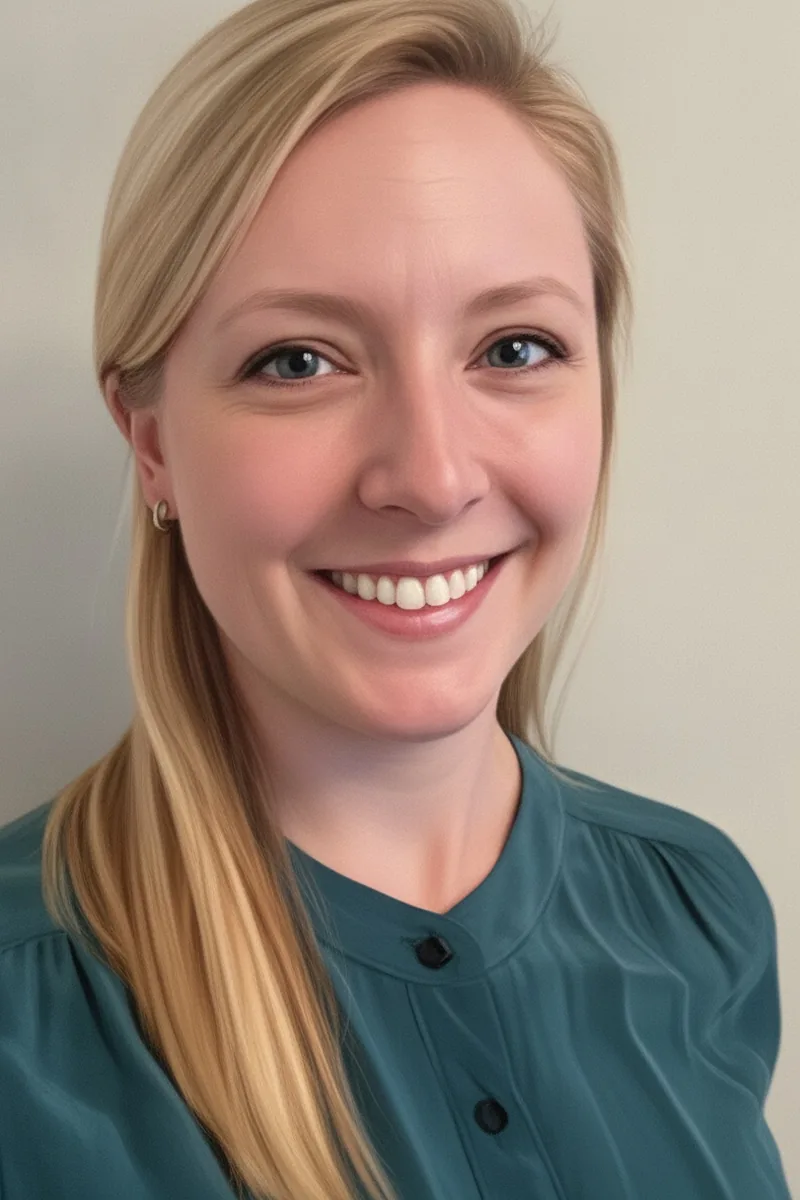
Liz holds a master's in Special Education (Mild to Moderate Disabilities, grades 5–12) from Simmons College and has worked extensively with students who have learning disabilities, ADHD, dyslexia, and emotional impairments. That clinical training, paired with her hands-on experience teaching and directing tutors at a charter school in Boston, means she knows how to adapt instruction on the fly — whether that's restructuring a math lesson for a student with dyscalculia or building reading fluency strategies for a student with dyslexia. She designs individualized approaches grounded in each student's IEP goals and actual learning profile.

Heather's psychology background gives her real insight into how different learners process information — whether a student needs material broken into smaller chunks, presented visually, or reinforced through repetition. She's especially effective with kids who get frustrated easily, building their confidence alongside their skills in reading, math, or writing. Rated 5.0 by families she's worked with.
Victoria spent three years as a certified classroom teacher through Teach for America, working with first through third graders who had a wide range of learning needs, including IEP-supported students. She adapts lessons to different processing styles and paces, breaking academic content into structured, manageable steps that build genuine understanding rather than frustration.
Every learner processes information differently — some through auditory explanation, some through visual mapping, others through hands-on activity — and Harry builds each session around identifying what actually works for that student. His background in theater and education at Northwestern trained him to read an audience and adapt in real time, a skill that translates directly to adjusting pacing, modality, and complexity for students with diverse learning needs.
Ivan holds a master's degree in both General and Special Education for grades 5–9 and has taught in self-contained classrooms, Collaborative Team Teaching settings, and Resource Rooms across New York City. That range means he can adapt pacing, modify assignments, and scaffold reading or writing tasks based on each student's IEP goals and learning profile. Rated 4.8 by families he's worked with.
Charles holds a Master's in Counseling Psychology, which means he understands how different learners process information — not just in theory, but in practice. He adapts pacing, materials, and instruction style to match each student's needs, whether that means breaking a reading passage into smaller chunks or reteaching a math concept through a completely different method.
Earning her Master's in Elementary Inclusive Education and Special Education at Columbia's Teachers College, Olivia is trained to differentiate instruction across learning profiles — whether a student has an IEP, a 504 plan, or simply learns differently than the standard classroom assumes. She breaks down academic content using multisensory techniques and scaffolded steps, connecting each lesson to the student's strengths rather than defaulting to one-size-fits-all methods.
Alison spent six years teaching diverse learners in Brooklyn public schools, including students with IEPs and varied learning profiles, so she knows how to adapt pacing, instructions, and materials on the fly. She pairs that classroom experience with formal mindfulness training, which gives her concrete strategies for students dealing with attention challenges, test anxiety, or sensory overwhelm. The goal is always building independence — not just getting through tonight's homework.
Colin is a certified special educator whose classroom experience spans multiple grade levels and learning profiles, from students with dyslexia and ADHD to those on the autism spectrum. He designs each session around a student's specific IEP goals and learning style — visual aids for one learner, movement-based activities for another — rather than applying a one-size-fits-all approach. That individualized structure builds both academic skills and the confidence students need to advocate for themselves in the classroom.
Jamie holds a Master's in Special Education, which means he doesn't just adapt lessons on the fly — he designs instruction around how each student processes, retains, and demonstrates understanding. Whether a learner has an IEP addressing executive function challenges, reading disabilities, or autism spectrum needs, Jamie builds structured, multi-sensory approaches that connect to the student's strengths rather than spotlighting gaps.
A PhD in neuropsychology means Bill understands learning differences — ADHD, dyslexia, processing speed challenges — at the neurological level, not just as labels on an IEP. He adapts his teaching to how each student's brain actually processes information, whether that means restructuring how material is presented or building in specific compensatory strategies for memory and attention.
Laura's low-pressure tutoring style is deliberate, not accidental — she paces sessions around each student's comfort level and adjusts explanations on the fly when something isn't landing. Her range across math, science, reading, and writing means she can support students with diverse learning needs without constantly switching tutors. That flexibility, combined with her 5.0 rating, speaks to her ability to adapt material rather than force a one-size-fits-all approach.
James holds a Master's in Education and brings deep experience adapting lessons for students with diverse learning needs, whether that means restructuring a math problem into smaller visual steps or reframing a reading assignment to reduce cognitive overload. He identifies where a student feels confident and builds outward from that anchor point. His 5.0 rating speaks to the trust and patience he brings to every session.
Every learner absorbs material differently, and Daniel's experience tutoring students from pre-K through 12th grade has given him a practical toolkit for adapting explanations on the fly. He breaks concepts into smaller, more concrete steps and uses real-world examples — from superhero storylines to song lyrics — to make abstract ideas tangible. His goal is always to build a student's confidence in finding answers independently, not just following instructions.
Liz has hands-on experience working with children and young adults with ADHD, autism spectrum needs, and other learning and behavioral differences. She adapts pacing, instructions, and materials to each student's processing style — whether that means building in movement breaks, using visual organizers, or restructuring a task so it feels less overwhelming. Rated 4.9 by families she's worked with.
I am always seeking out new adventures in New York!
Co-teaching in NYC public schools means Rhiannon designs lessons daily for classrooms where IEPs, 504 plans, and diverse learning profiles are the norm — not the exception. She breaks down academic content into scaffolded steps, builds in sensory and processing accommodations, and adjusts pacing based on how each student actually learns. That real-world experience with differentiated instruction translates directly into one-on-one sessions where modifications aren't an afterthought.
Every learner processes information differently, and Morgan's Psychology degree provides a grounded understanding of how cognitive and behavioral differences shape the way students engage with material. Morgan adapts explanations, pacing, and task structure to match each student's needs — whether that means breaking reading assignments into smaller chunks or using visual organizers to make abstract concepts concrete.
Katharine brings patience and adaptability to her work with students who have learning differences, adjusting her explanations and pacing based on how each student actually processes information. Her theater training makes her especially attuned to nonverbal cues and communication styles, and she uses multisensory techniques — reading aloud, visual mapping, kinesthetic exercises — to make concepts in reading, writing, and grammar accessible.
During her years as a certified teacher in New Jersey public schools, Sasha worked extensively with students on IEPs and 504 plans, adapting biology and science content for learners with a wide range of processing, attention, and executive-function needs. She knows how to break material into smaller chunks, build in frequent comprehension checks, and use multi-sensory strategies that make abstract concepts accessible without watering them down.
Rachel brings patience and adaptability to sessions with students who have IEPs or learning differences, adjusting pacing, breaking instructions into smaller steps, and using multisensory approaches to reinforce concepts. Her background in writing and literature means she's especially skilled at making reading and written expression accessible for learners who need material presented in more than one way.
Kay's undergraduate degree in Neuroscience and Behavior gives her a science-grounded understanding of how different learners process information, from attention differences to language processing challenges. Currently earning her Master of Arts in Teaching, she adapts pacing, scaffolding, and instructional strategies to match each student's specific needs rather than applying a one-size-fits-all approach.
Every learner processes information differently, and Kate's master's degree is specifically in Early Childhood Special and General Education — she didn't add special ed as an afterthought. She designs sessions around each student's IEP goals and learning profile, whether that means multisensory phonics instruction, modified math strategies, or executive functioning support. Her 5.0 rating speaks to the trust families place in her approach.
Rachel's degree in Communication Sciences & Disorders means she understands the cognitive and language-based challenges that affect learning, from processing delays to difficulties with reading comprehension. She adapts lessons to each student's specific needs, breaking down material into manageable steps and using multisensory strategies to reinforce concepts across subjects.
Amy's neuroscience training means she understands the cognitive and developmental differences behind how individual learners process information, from attention and working memory to executive function challenges. She adapts lesson pacing, breaks tasks into manageable steps, and builds routines that give students real independence rather than dependence on prompts.
Samantha's graduate work in speech-language pathology and her undergraduate counseling concentration give her clinical insight into learning differences that most tutors simply don't have. She's trained to identify how processing challenges — whether in language, attention, or executive function — show up in schoolwork, and she adapts lessons accordingly. Her volunteer work at Variety Child Learning Center provided direct experience supporting children with developmental disabilities.
Rebecca's psychology thesis at Bard College explored the neuroscience of empathy in atypical populations, giving her a research-grounded understanding of how different learners process information. She has taught creative writing and foundational reading skills to students on the autism spectrum, adapting lesson pacing, prompts, and sensory considerations to each student's needs. That combination of clinical knowledge and hands-on teaching experience shapes how she builds individualized strategies for students with learning differences.
Working as an instructor at Seven Hills Foundation, Will teaches students with diverse learning needs every day — adapting pace, breaking multi-step problems into manageable chunks, and finding the explanation style that clicks for each individual. That hands-on experience with IEP-aligned instruction means he knows how to adjust on the fly rather than relying on a one-size-fits-all approach.
Trained in special education at Vanderbilt and currently teaching in the field, Alexandra designs instruction around how each learner processes information — not around a one-size-fits-all curriculum. She adapts materials for students with learning disabilities, ADHD, and other differences, breaking academic content into manageable, scaffolded steps that build genuine understanding.
Certified in special education, Elise designs sessions around how each learner actually processes information — visual cues, hands-on activities, scaffolded instructions, or a mix of all three. She covers core academics like reading, writing, and math while building the self-advocacy skills that let students speak up for what they need in the classroom. Her background in studio arts adds a creative dimension that keeps learners engaged rather than overwhelmed.
Working professionally with young adults on the autism spectrum taught Hannah something most tutors learn slowly: every learner's brain organizes information differently, and instruction has to adapt in real time. She designs sessions around each student's specific processing style — whether that means breaking multi-step directions into visual checklists, adjusting pacing, or finding alternative ways into a concept that traditional instruction missed. Her 5.0 rating speaks to how well that individualized approach works.
Theresa adapts her teaching pace, format, and explanations to match how each learner actually processes information, whether that means visual organizers for reading comprehension or step-by-step scaffolding in math. Her range across subjects — from writing to algebra to study skills — means she can meet a student's needs without constantly switching tutors.
Kim's approach starts with identifying the specific barrier a student faces — whether it's processing speed, attention, or difficulty transferring skills across contexts — and then adapting instruction around it. Her background spanning anthropology and business gives her an unusually flexible toolkit for reframing concepts in ways that click for different learners. She holds a 5.0 rating across her students.
Creating a comfortable, low-pressure environment is central to how Adrian teaches — he's naturally attuned to students who need more processing time, alternative explanations, or simply patience that a crowded classroom doesn't offer. He adapts math and reading concepts into smaller, scaffolded steps, checking understanding at each stage before moving forward so nothing gets lost in translation.
Rosemary's graduate work in occupational therapy included extensive training in adaptive learning strategies, sensory processing, and task analysis — the clinical side of what special education looks like in practice. She volunteers regularly with the Down syndrome community, giving her hands-on experience tailoring instruction to different cognitive and developmental profiles. That combination means she doesn't just know accommodations exist; she knows how to implement them in real learning moments.
Hans completed his Northwestern economics degree in three years rather than four, which required him to develop precise study systems and organizational strategies — skills he now applies when building structured routines for students who need extra support with executive function, task management, and academic planning. His 5.0 rating and broad teaching range across math, reading, and writing mean he can identify where a student is struggling and adjust his approach across multiple subject areas in a single session.
Specializing in struggling learners and students with learning and developmental disabilities has been central to Lindsay's career as both a teacher and a researcher. Her Ph.D. work in Developmental and Educational Psychology at Boston College informs how she adapts instruction — whether that means restructuring a math problem for a student with dyscalculia or breaking a writing assignment into manageable steps for a student with executive function challenges.
Every learner processes information differently, and Jessica adapts her teaching style accordingly — breaking concepts into smaller steps, using visual organizers, or finding alternative explanations when the standard one doesn't click. Her science and economics training means she can support students across multiple subjects while keeping the focus on building confidence and independence. She's patient, structured, and attentive to what each individual student actually needs to move forward.
Testimonials
Because the right Special Education tutor makes all the difference.
Average Session Rating – Based on 3.4M Learner Ratings
Nearby Special Education Tutors
Other Yonkers Tutors
Frequently Asked Questions
Varsity Tutors matches Yonkers students with expert Special Education tutors for 1-on-1 instruction. We pair each student with a tutor based on their specific needs, learning style, and goals.
Whether you need homework help, exam prep, or want to get ahead, our Special Education tutors are ready to help.
Common challenges include gaps from earlier material, difficulty with specific concepts, and trouble applying learning to new problems. These issues can snowball quickly in Special Education.
A tutor identifies where you're stuck, fills in gaps, and provides targeted practice. The 1-on-1 format means you get help exactly where you need it.
Tutors work with your student's actual coursework—homework assignments, class notes, and upcoming tests. This keeps tutoring directly relevant to what's happening in the classroom.
When you share information about your student's school and curriculum, we can match you with a tutor who has relevant experience.
All tutors complete background checks, credential verification, and teaching evaluation. Many of our Special Education tutors hold advanced degrees or have years of teaching experience.
You can review tutor profiles to find someone with the right background for your student's level and needs.
Many students see improved grades within a few weeks, along with better understanding of Special Education concepts and more confidence tackling challenging material.
Tutors track progress and adjust their approach to ensure continued improvement.
Most students benefit from 1-2 sessions per week. More frequent sessions help if your student is significantly behind or has an important exam coming up.
Your tutor can recommend a schedule based on your student's specific situation and goals.
Tutoring is purchased in packages of hours, with rates varying by tutor experience. Varsity Tutors offers several options to fit different budgets and needs.
You can discuss pricing during your consultation to find what works best.
Your tutor will assess where your student is, discuss goals, and start working on priority areas. Most students bring current homework or upcoming test material to focus on.
By the end, you'll have a clear sense of how the tutor can help and a plan for moving forward.
Let’s find your perfect tutor
Answer a few quick questions. We’ll recommend the right plan and match you with a top 5% tutor.