Award-Winning Special Education Tutors
serving New York, NY
Special Education
Tutors in New York
Private 1-on-1 tutoring, weekly live classes for academic support, test prep & enrichment, practice tests and diagnostics, and more to elevate grades and test scores.
Based on 3.4M Learner Ratings
UniversitiesSchools & Universities
DeliveredHours Delivered
ProficiencyGrowth in Proficiency
Who needs tutoring?
No obligation. Takes ~1 minute.
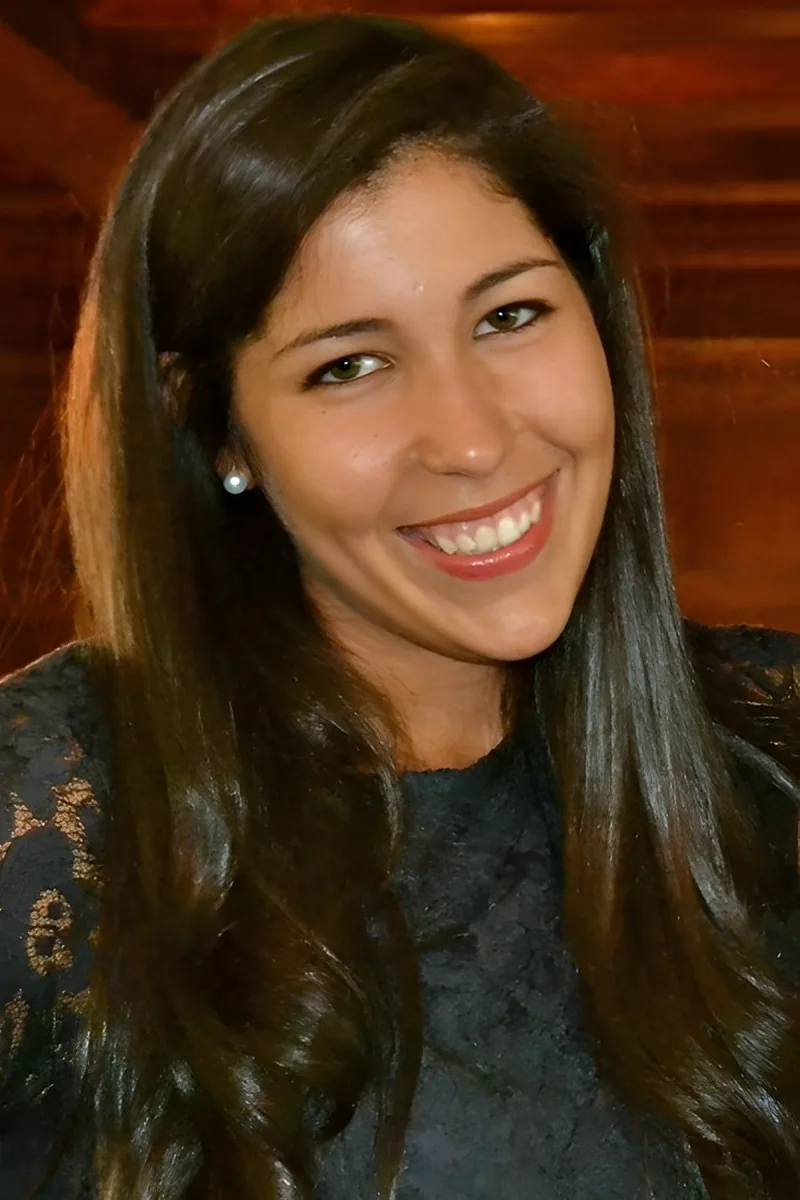
Victoria spent three years as a certified classroom teacher through Teach for America, working with first through third graders who had a wide range of learning needs, including IEP-supported students. She adapts lessons to different processing styles and paces, breaking academic content into structured, manageable steps that build genuine understanding rather than frustration.
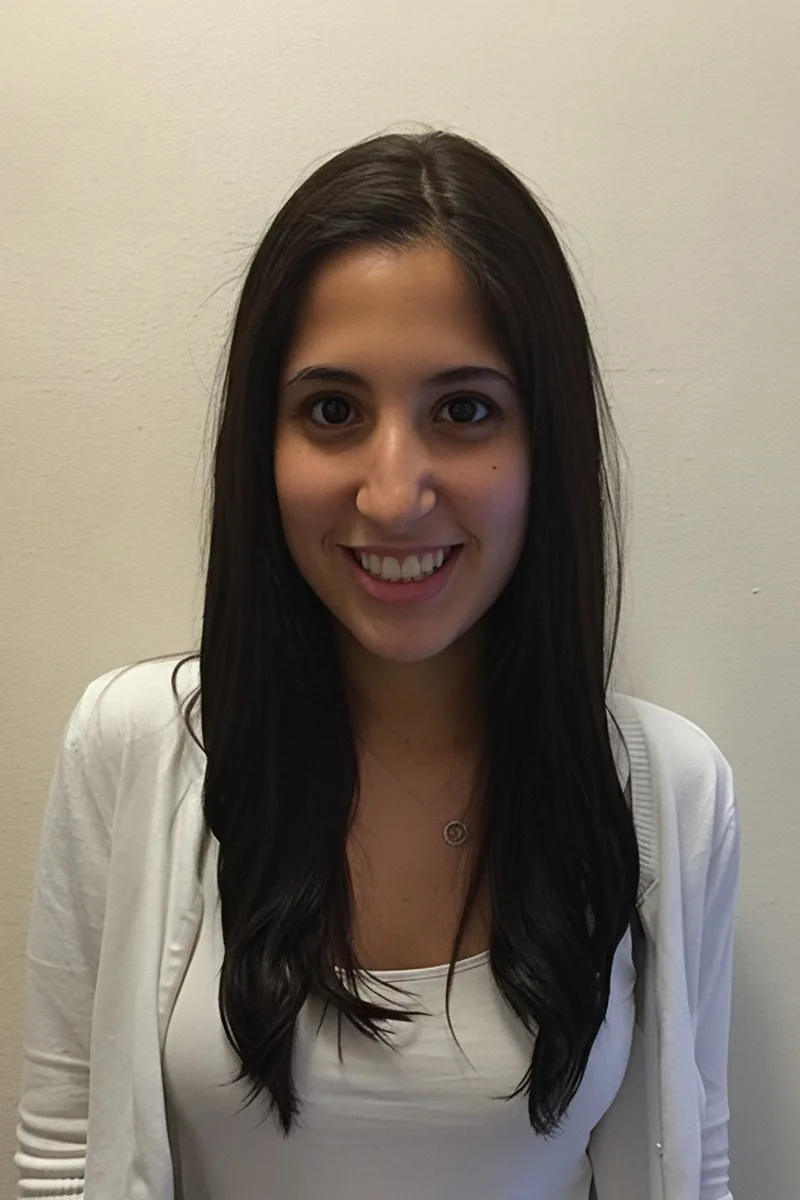
Earning her Master's in Elementary Inclusive Education and Special Education at Columbia's Teachers College, Olivia is trained to differentiate instruction across learning profiles — whether a student has an IEP, a 504 plan, or simply learns differently than the standard classroom assumes. She breaks down academic content using multisensory techniques and scaffolded steps, connecting each lesson to the student's strengths rather than defaulting to one-size-fits-all methods.
Charles holds a Master's in Counseling Psychology, which means he understands how different learners process information — not just in theory, but in practice. He adapts pacing, materials, and instruction style to match each student's needs, whether that means breaking a reading passage into smaller chunks or reteaching a math concept through a completely different method.
Every learner absorbs material differently, and Daniel's experience tutoring students from pre-K through 12th grade has given him a practical toolkit for adapting explanations on the fly. He breaks concepts into smaller, more concrete steps and uses real-world examples — from superhero storylines to song lyrics — to make abstract ideas tangible. His goal is always to build a student's confidence in finding answers independently, not just following instructions.
James holds a Master's in Education and brings deep experience adapting lessons for students with diverse learning needs, whether that means restructuring a math problem into smaller visual steps or reframing a reading assignment to reduce cognitive overload. He identifies where a student feels confident and builds outward from that anchor point. His 5.0 rating speaks to the trust and patience he brings to every session.
I am always seeking out new adventures in New York!
Every learner processes information differently, and Morgan's Psychology degree provides a grounded understanding of how cognitive and behavioral differences shape the way students engage with material. Morgan adapts explanations, pacing, and task structure to match each student's needs — whether that means breaking reading assignments into smaller chunks or using visual organizers to make abstract concepts concrete.
Co-teaching in NYC public schools means Rhiannon designs lessons daily for classrooms where IEPs, 504 plans, and diverse learning profiles are the norm — not the exception. She breaks down academic content into scaffolded steps, builds in sensory and processing accommodations, and adjusts pacing based on how each student actually learns. That real-world experience with differentiated instruction translates directly into one-on-one sessions where modifications aren't an afterthought.
Katharine brings patience and adaptability to her work with students who have learning differences, adjusting her explanations and pacing based on how each student actually processes information. Her theater training makes her especially attuned to nonverbal cues and communication styles, and she uses multisensory techniques — reading aloud, visual mapping, kinesthetic exercises — to make concepts in reading, writing, and grammar accessible.
Kay's undergraduate degree in Neuroscience and Behavior gives her a science-grounded understanding of how different learners process information, from attention differences to language processing challenges. Currently earning her Master of Arts in Teaching, she adapts pacing, scaffolding, and instructional strategies to match each student's specific needs rather than applying a one-size-fits-all approach.
Rachel's degree in Communication Sciences & Disorders means she understands the cognitive and language-based challenges that affect learning, from processing delays to difficulties with reading comprehension. She adapts lessons to each student's specific needs, breaking down material into manageable steps and using multisensory strategies to reinforce concepts across subjects.
Liz holds a master's in Special Education (Mild to Moderate Disabilities, grades 5–12) from Simmons College and has worked extensively with students who have learning disabilities, ADHD, dyslexia, and emotional impairments. That clinical training, paired with her hands-on experience teaching and directing tutors at a charter school in Boston, means she knows how to adapt instruction on the fly — whether that's restructuring a math lesson for a student with dyscalculia or building reading fluency strategies for a student with dyslexia. She designs individualized approaches grounded in each student's IEP goals and actual learning profile.
Heather's psychology background gives her real insight into how different learners process information — whether a student needs material broken into smaller chunks, presented visually, or reinforced through repetition. She's especially effective with kids who get frustrated easily, building their confidence alongside their skills in reading, math, or writing. Rated 5.0 by families she's worked with.
Every learner processes information differently — some through auditory explanation, some through visual mapping, others through hands-on activity — and Harry builds each session around identifying what actually works for that student. His background in theater and education at Northwestern trained him to read an audience and adapt in real time, a skill that translates directly to adjusting pacing, modality, and complexity for students with diverse learning needs.
Colin is a certified special educator whose classroom experience spans multiple grade levels and learning profiles, from students with dyslexia and ADHD to those on the autism spectrum. He designs each session around a student's specific IEP goals and learning style — visual aids for one learner, movement-based activities for another — rather than applying a one-size-fits-all approach. That individualized structure builds both academic skills and the confidence students need to advocate for themselves in the classroom.
Alison spent six years teaching diverse learners in Brooklyn public schools, including students with IEPs and varied learning profiles, so she knows how to adapt pacing, instructions, and materials on the fly. She pairs that classroom experience with formal mindfulness training, which gives her concrete strategies for students dealing with attention challenges, test anxiety, or sensory overwhelm. The goal is always building independence — not just getting through tonight's homework.
Ivan holds a master's degree in both General and Special Education for grades 5–9 and has taught in self-contained classrooms, Collaborative Team Teaching settings, and Resource Rooms across New York City. That range means he can adapt pacing, modify assignments, and scaffold reading or writing tasks based on each student's IEP goals and learning profile. Rated 4.8 by families he's worked with.
Jamie holds a Master's in Special Education, which means he doesn't just adapt lessons on the fly — he designs instruction around how each student processes, retains, and demonstrates understanding. Whether a learner has an IEP addressing executive function challenges, reading disabilities, or autism spectrum needs, Jamie builds structured, multi-sensory approaches that connect to the student's strengths rather than spotlighting gaps.
A PhD in neuropsychology means Bill understands learning differences — ADHD, dyslexia, processing speed challenges — at the neurological level, not just as labels on an IEP. He adapts his teaching to how each student's brain actually processes information, whether that means restructuring how material is presented or building in specific compensatory strategies for memory and attention.
Laura's low-pressure tutoring style is deliberate, not accidental — she paces sessions around each student's comfort level and adjusts explanations on the fly when something isn't landing. Her range across math, science, reading, and writing means she can support students with diverse learning needs without constantly switching tutors. That flexibility, combined with her 5.0 rating, speaks to her ability to adapt material rather than force a one-size-fits-all approach.
Liz has hands-on experience working with children and young adults with ADHD, autism spectrum needs, and other learning and behavioral differences. She adapts pacing, instructions, and materials to each student's processing style — whether that means building in movement breaks, using visual organizers, or restructuring a task so it feels less overwhelming. Rated 4.9 by families she's worked with.
During her years as a certified teacher in New Jersey public schools, Sasha worked extensively with students on IEPs and 504 plans, adapting biology and science content for learners with a wide range of processing, attention, and executive-function needs. She knows how to break material into smaller chunks, build in frequent comprehension checks, and use multi-sensory strategies that make abstract concepts accessible without watering them down.
Every learner processes information differently, and Kate's master's degree is specifically in Early Childhood Special and General Education — she didn't add special ed as an afterthought. She designs sessions around each student's IEP goals and learning profile, whether that means multisensory phonics instruction, modified math strategies, or executive functioning support. Her 5.0 rating speaks to the trust families place in her approach.
Rachel brings patience and adaptability to sessions with students who have IEPs or learning differences, adjusting pacing, breaking instructions into smaller steps, and using multisensory approaches to reinforce concepts. Her background in writing and literature means she's especially skilled at making reading and written expression accessible for learners who need material presented in more than one way.
Amy's neuroscience training means she understands the cognitive and developmental differences behind how individual learners process information, from attention and working memory to executive function challenges. She adapts lesson pacing, breaks tasks into manageable steps, and builds routines that give students real independence rather than dependence on prompts.
Samantha's graduate work in speech-language pathology and her undergraduate counseling concentration give her clinical insight into learning differences that most tutors simply don't have. She's trained to identify how processing challenges — whether in language, attention, or executive function — show up in schoolwork, and she adapts lessons accordingly. Her volunteer work at Variety Child Learning Center provided direct experience supporting children with developmental disabilities.
I am persuasive and capable of developing rapport and trust, as well as experienced in influencing the attitudes and ideas of others.
Navian has firsthand experience supporting a family member with autism, which shaped how he adapts explanations, pacing, and encouragement to each learner's needs. He breaks concepts into smaller, concrete steps and checks understanding frequently — building confidence alongside comprehension rather than rushing through material.
Creating a comfortable, low-pressure environment is central to how Adrian teaches — he's naturally attuned to students who need more processing time, alternative explanations, or simply patience that a crowded classroom doesn't offer. He adapts math and reading concepts into smaller, scaffolded steps, checking understanding at each stage before moving forward so nothing gets lost in translation.
Five years of working specifically with students who have learning differences — dyslexia, ADHD, processing disorders — taught Sydney that the content isn't usually the problem; it's the delivery. She redesigns how material is presented, using multisensory techniques and scaffolded instructions so that a student with an IEP or 504 plan can access the same curriculum their classmates see. Rated 4.9 by families.
Occupational therapy is fundamentally about adapting tasks so people can succeed despite neurological, developmental, or learning differences — and that's the perspective Alex brings to tutoring. Currently in Washington University's OT Doctorate program with a neuroscience background, Alex understands how conditions like ADHD, dyslexia, and sensory processing challenges affect learning and tailors strategies accordingly, from breaking assignments into smaller steps to using multisensory approaches for retention.
Every learner processes information differently, and Rosie adapts her teaching accordingly — whether that means using visual organizers for a student who struggles with sequencing, or breaking a multi-step math problem into smaller verbal prompts. Her coursework in healthcare deepened her understanding of how cognitive and developmental differences affect learning. She teaches across reading, writing, and math, so she can address multiple needs without switching tutors.
Annie's graduate training in counseling psychology gave her direct experience with IEPs, learning accommodations, and the cognitive frameworks behind conditions like dyslexia, ADHD, and processing disorders. She adapts lesson pacing, breaks tasks into smaller chunks, and uses multi-sensory techniques tailored to each learner's profile — not a one-size-fits-all script.
Grant has spent two decades working successfully with students across a wide range of learning differences, from processing disorders to ADHD to math-specific anxiety. His approach strips away the shame many students carry — he slows down, re-explains using different models, and builds lessons around how each individual learner actually thinks rather than forcing a one-size-fits-all method.
Sheyna holds a master's degree in Special Education and carries certifications in both Special Education (New York) and School Counseling (Michigan), giving her deep familiarity with IEP goals, accommodations, and the strategies that actually move the needle for diverse learners. She adapts lessons around each student's processing style — whether that means breaking multi-step directions into visual chunks, building in movement breaks, or restructuring how new material is introduced.
A PhD in neuroscience means Elliot understands learning differences at the biological level — how attention, working memory, and processing speed vary across brains and what that means for instruction. He explicitly welcomes learners on the spectrum and tailors pacing, scaffolding, and sensory considerations to each student rather than defaulting to one-size-fits-all methods. His 5.0 rating speaks to that individualized care.
As a Vanderbilt-trained and Tennessee-licensed special educator, Megan understands the full landscape — IEP goal writing, behavior intervention plans, differentiated instruction, and the legal framework of IDEA and Section 504. She tailors her approach to each learner's profile, whether that means building phonemic awareness for a student with dyslexia or creating visual math supports for a student who processes information differently. Her 5.0 rating speaks to how well that individualized approach works.
Sabrina holds certification in special education and brings a classroom teacher's instinct for identifying where a lesson loses a student. She redesigns explanations on the fly — using manipulatives, visual models, or simplified language — so learners with IEPs or 504 plans can access grade-level math, reading, and writing content at their own pace.
Testimonials
Because the right Special Education tutor makes all the difference.
Average Session Rating – Based on 3.4M Learner Ratings
Nearby Special Education Tutors
Other New York Tutors
Frequently Asked Questions
Special education tutoring is personalized instruction designed for students with learning disabilities, developmental delays, autism spectrum disorder, ADHD, and other conditions that affect learning. Unlike general tutoring, special education tutoring incorporates evidence-based strategies like multi-sensory learning, explicit instruction, and individualized pacing to address each student's unique learning profile and IEP (Individualized Education Program) goals. Tutors work collaboratively with schools and families to reinforce classroom concepts while building confidence and independence.
New York follows state learning standards and requires all students with IEPs to have documented goals and accommodations. Tutors working with students in New York are familiar with these standards and can tailor instruction to support both classroom curriculum and specific IEP objectives—whether that's reading fluency, math computation, executive functioning, or social-emotional skills. Before starting, tutors review your student's IEP and work with you to ensure tutoring complements school-based services and progress monitoring.
Students often struggle with foundational skills like phonics and decoding, math fact fluency, and executive functioning (organization, planning, time management). Classroom settings with 11.3 students per teacher—the average across New York's 472 public schools—make it difficult to provide the repetition and individualized feedback these students need. Personalized 1-on-1 instruction allows tutors to slow down, break skills into smaller steps, use multi-sensory approaches, and provide immediate corrective feedback, which research shows significantly accelerates progress for students with learning differences.
The first session focuses on getting to know your student—their learning style, strengths, challenges, interests, and current IEP goals. Tutors will review any assessments, IEP documents, or progress reports you share, ask about what's working and what isn't in the classroom, and administer informal assessments to understand skill levels. This information helps the tutor create a customized plan that targets priority goals while building on your student's strengths and interests.
Progress in special education is tracked through measurable, concrete goals—like improving reading fluency from 60 to 80 words per minute, increasing math fact accuracy, or mastering a specific executive functioning skill. Tutors monitor progress regularly using data collection methods (like fluency charts, accuracy rates, or skill checklists) and share updates with you so you can see tangible improvement. You should also notice changes in your student's confidence, willingness to attempt challenging tasks, and school performance over time.
Ideally, tutors working with special education students have training or certification in special education, experience with specific disabilities or learning differences, and knowledge of evidence-based interventions like structured literacy, Orton-Gillingham, or Applied Behavior Analysis (ABA). They should also understand how to use accommodations and modifications, communicate with schools, and adjust instruction based on how a student learns. When you connect with a tutor through Varsity Tutors, you can discuss their background and experience to ensure they're a good fit for your student's needs.
Special education tutoring spans all grade levels—from elementary reading and math foundations through high school academics and transition skills. Common focus areas include phonics and decoding, reading comprehension, math computation and problem-solving, writing, executive functioning, social skills, and test preparation for state assessments. Tutors can also support students preparing for the Regents exams in New York or working toward alternative credentials if that's part of their IEP.
Start by sharing information about your student's learning profile, current challenges, and IEP goals with Varsity Tutors. You'll be matched with an experienced tutor who understands special education and can work with your student's specific needs. Once matched, you'll meet for an initial session to build rapport and create a personalized plan, then establish a consistent tutoring schedule that fits your family's routine and supports your student's progress toward meaningful goals.
Let’s find your perfect tutor
Answer a few quick questions. We’ll recommend the right plan and match you with a top 5% tutor.