Award-Winning Data Science Tutors
serving Bronx, NY
Data Science
Tutors in Bronx
Private 1-on-1 tutoring, weekly live classes for academic support, test prep & enrichment, practice tests and diagnostics, and more to elevate grades and test scores.
Based on 3.4M Learner Ratings
UniversitiesSchools & Universities
DeliveredHours Delivered
ProficiencyGrowth in Proficiency
Who needs tutoring?
No obligation. Takes ~1 minute.
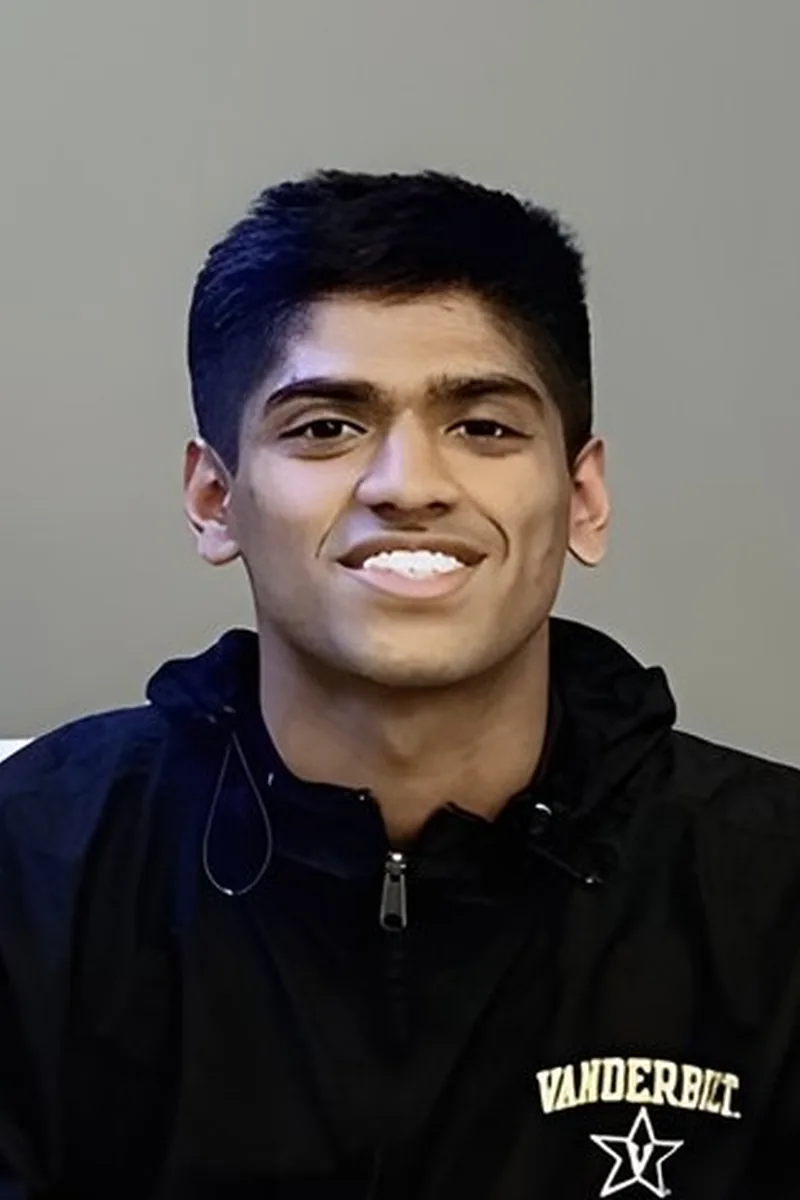
Currently pursuing a PhD in Data Science at NYU after completing an M.S. in the field at UIUC, Abhi lives inside the full data science pipeline — cleaning, exploratory analysis, statistical modeling, and machine learning deployment. He teaches students to move from raw data to actionable insight using tools like Python, SQL, and real-world datasets rather than toy examples.
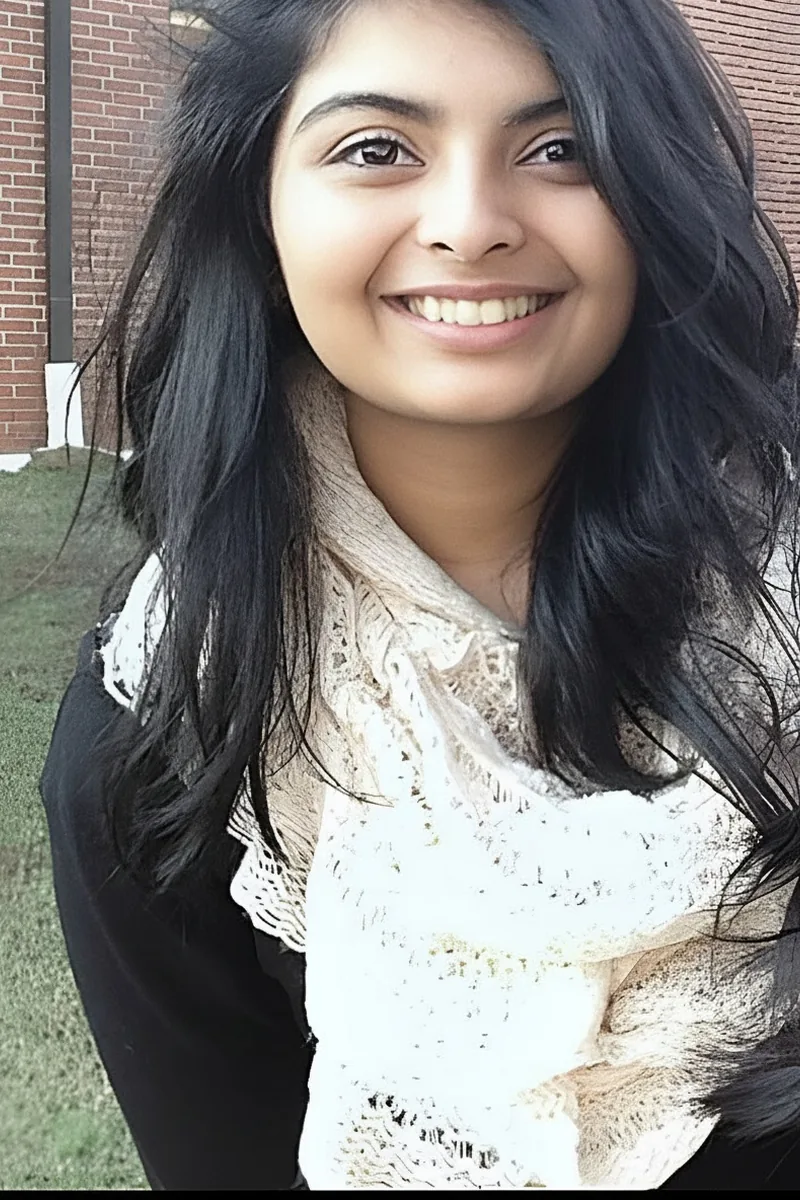
Sitting at the intersection of CS, statistics, and domain knowledge, data science requires someone who can explain both the math behind a model and the code that implements it. Deeptha's bioinformatics training at UAB was essentially applied data science — cleaning biological datasets, running statistical analyses, and building computational pipelines in Python and R. She tackles everything from exploratory data analysis and visualization to the mechanics of regression and classification algorithms.
Cleaning messy datasets is where most data science students lose momentum — missing values, inconsistent formats, and ambiguous features can derail a project before any modeling begins. Bryan brings a computer science engineer's rigor to data wrangling and exploratory analysis, teaching students to think critically about their data before jumping to regression or classification.
As a dedicated tutor with over 2 years of experience, I am passionate about fostering a supportive learning environment where students can thrive in subjects like Algebra, Business Analytics, and Data Science. Currently pursuing my Bachelor's in Informatics at the University of Washington, I incorporate real-world applications into my teaching to engage students and enhance their understanding of complex concepts. My approach emphasizes personalized learning, encouraging students to ask questions and develop critical thinking skills. I find great joy in witnessing my students' growth and success, and I strive to instill a love for learning that extends beyond the classroom.
Courage's unusual combination of computer science and environmental science degrees means he's built data pipelines for both software systems and scientific research — two domains where the data looks very different but the analytical thinking overlaps. He teaches students to connect SQL querying, Python scripting, and statistical reasoning into a coherent workflow, emphasizing how to ask the right question before choosing a model. His additional experience with datamining and biostatistics gives him a practical edge when explaining concepts like feature selection and exploratory analysis.
A PhD in artificial intelligence from Northwestern means Thomas has spent years knee-deep in the statistical modeling, feature engineering, and machine learning pipelines that form the backbone of modern data science. He teaches students to move from raw datasets to actionable insights using Python, SQL, and the kind of mathematical reasoning — probability distributions, linear algebra, optimization — that makes the difference between running a library and actually understanding what it does.
Ecological research is data science in practice: cleaning messy field data, running statistical models, and visualizing population trends over time. Darcey's graduate work at Auburn involves exactly these tasks, and she walks students through core concepts like data wrangling, exploratory analysis, and interpreting model outputs with real datasets as examples.
Studying data science at UW-Madison, Logan lives in the intersection of Python, statistics, and real-world problem-solving every day. He unpacks core concepts like data wrangling with pandas, exploratory visualization, and building predictive models — connecting each tool to the analytical question it's designed to answer. That combination of daily practice and tutoring experience means he can translate complex workflows into clear, step-by-step explanations.
Running genomics and biophysics analyses during her PhD at the University of Toronto, Bianca lives the full data science workflow — cleaning messy datasets, applying statistical models, building visualizations, and drawing defensible conclusions. She unpacks concepts like probability distributions, regression, hypothesis testing, and machine learning fundamentals with the rigor of someone who depends on getting them right in published research.
A software developer with a master's in computer science and an applied math background, Daniel brings both production-level coding skills and statistical grounding to data science concepts like model evaluation, data transformation, and algorithm selection. He teaches Python-based workflows the way he'd architect them professionally — emphasizing clean, reproducible code and understanding why a particular approach fits the problem. Rated 5.0 by students.
Pursuing his master's in Interdisciplinary Data Science at Duke, Eric lives this subject — from exploratory data analysis and feature engineering to building predictive models and communicating results. His prior role as a data analyst in Puerto Rico means he can connect classroom concepts like regression, classification, and data wrangling to the messy datasets students will encounter in real work.
A Mathematical Statistics and Probability major at Smith College, Kate brings real fluency with the quantitative backbone of data science — probability distributions, hypothesis testing, and exploratory data analysis. She breaks down concepts like regression modeling and data visualization so students understand not just the code but the statistical reasoning driving every decision.
Firas's postdoctoral research at Princeton sits squarely at the intersection of machine learning and big data — the two pillars of modern data science. He walks students through the full pipeline, from cleaning and exploring datasets with SQL and Python to building predictive models and evaluating their performance. His industry engineering background means every lesson ties back to how data science actually gets done in production environments.
Cleaning messy datasets, choosing the right model, and interpreting results without overfitting — data science lives at the intersection of statistics, programming, and domain knowledge. Anders tackles all three, drawing on his machine learning expertise and daily Python work to teach everything from exploratory analysis and feature engineering to deploying a model that actually generalizes. He holds a 5.0 rating from students.
Testimonials
Because the right Data Science tutor makes all the difference.
Average Session Rating – Based on 3.4M Learner Ratings
Nearby Data Science Tutors
Other Bronx Tutors
Related Technology and Coding Tutors in Bronx
Frequently Asked Questions
Your first session is an opportunity to discuss your current skill level, specific goals, and any challenges you're facing—whether that's Python programming, statistical analysis, or data visualization. The tutor will assess your understanding of foundational concepts and create a personalized plan tailored to your needs, ensuring subsequent sessions build on a solid foundation.
Many students struggle with the bridge between theory and application—understanding statistical concepts is one thing, but implementing them in code is another. Others find it difficult to work with real, messy datasets or lack confidence in their programming fundamentals. Personalized tutoring addresses these gaps directly by focusing on your specific weak points rather than moving at a classroom pace.
While a solid grasp of statistics, algebra, and basic calculus is helpful, you don't need to be a math prodigy to succeed in data science. Tutors can help you build the mathematical foundations you need while teaching you how to apply them practically. Many students find that learning data science actually strengthens their math skills by showing real-world relevance.
Python and R are the industry standards for data science work, with Python being the most versatile and beginner-friendly. Depending on your goals—whether you're preparing for a career, a college major, or a specific project—tutors can guide you on which language to prioritize and how to build proficiency efficiently.
In a classroom with an 11.8:1 student-teacher ratio like many Bronx schools, instruction moves at one pace for everyone. With personalized tutoring, you get customized explanations, targeted practice on your specific weak areas, and the ability to move faster through concepts you grasp quickly. This individualized approach is especially valuable in data science, where foundational gaps compound quickly.
Absolutely. Tutors can help you build a portfolio of real projects, master interview questions, and develop the technical skills employers look for. Whether you're aiming for an internship, entry-level position, or advancing in your current role, personalized instruction accelerates your readiness and confidence.
If you're considering a data science, computer science, or analytics major in college, tutoring can strengthen both your technical skills and your ability to speak knowledgeably about the field in applications and interviews. Building genuine expertise now also helps you succeed in rigorous college-level coursework from day one.
Look for tutors with hands-on experience in data science—whether through professional work, advanced degrees, or substantial project portfolios. They should be able to explain both the 'why' behind concepts and the 'how' of implementation, and ideally have experience teaching students at your level. Varsity Tutors connects you with expert tutors who meet these standards.
Let’s find your perfect tutor
Answer a few quick questions. We’ll recommend the right plan and match you with a top 5% tutor.