Award-Winning Data Science Tutors
serving Buffalo, NY
Data Science
Tutors in Buffalo
Private 1-on-1 tutoring, weekly live classes for academic support, test prep & enrichment, practice tests and diagnostics, and more to elevate grades and test scores.
Based on 3.4M Learner Ratings
UniversitiesSchools & Universities
DeliveredHours Delivered
ProficiencyGrowth in Proficiency
Who needs tutoring?
No obligation. Takes ~1 minute.
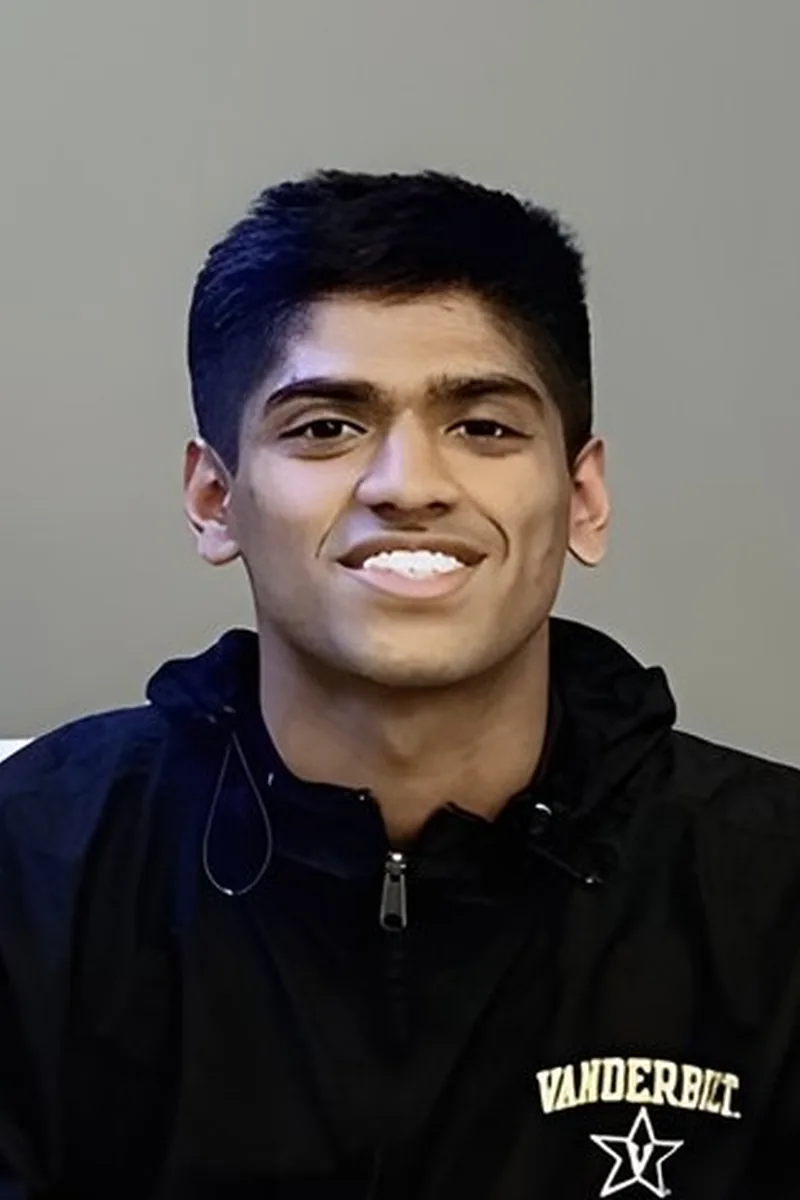
Currently pursuing a PhD in Data Science at NYU after completing an M.S. in the field at UIUC, Abhi lives inside the full data science pipeline — cleaning, exploratory analysis, statistical modeling, and machine learning deployment. He teaches students to move from raw data to actionable insight using tools like Python, SQL, and real-world datasets rather than toy examples.
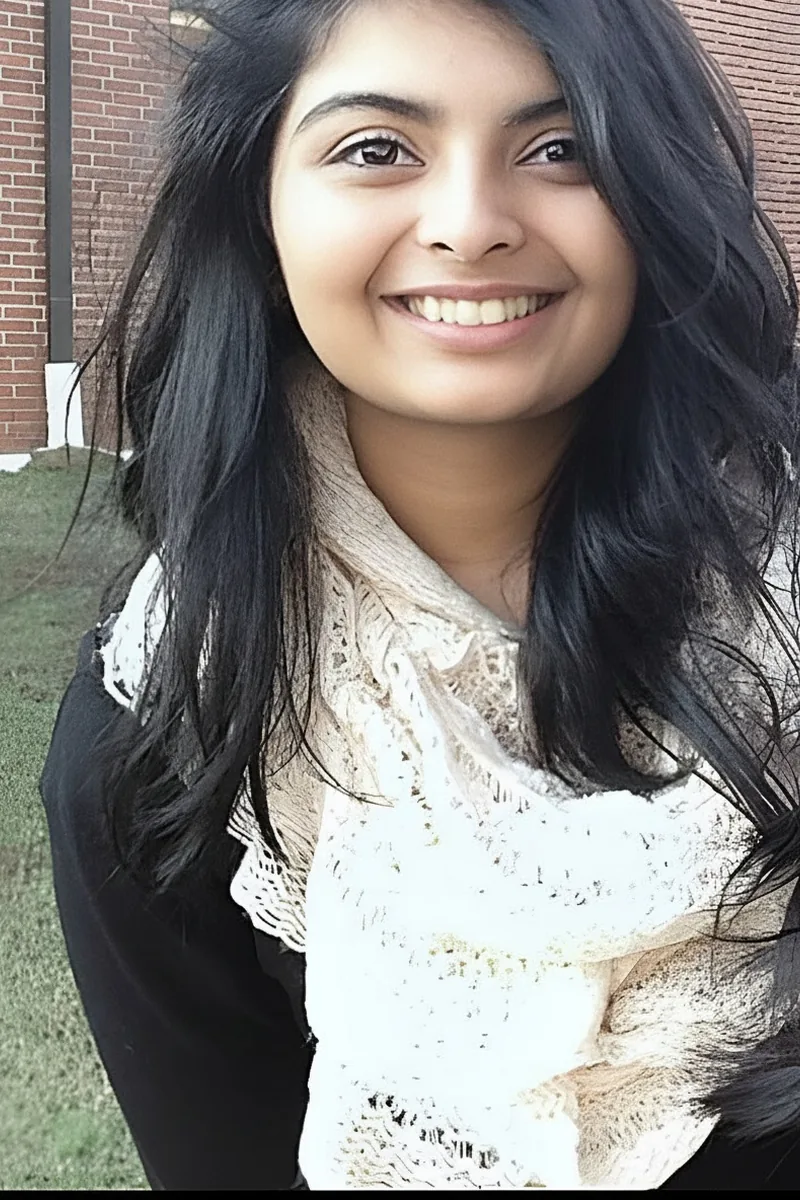
Sitting at the intersection of CS, statistics, and domain knowledge, data science requires someone who can explain both the math behind a model and the code that implements it. Deeptha's bioinformatics training at UAB was essentially applied data science — cleaning biological datasets, running statistical analyses, and building computational pipelines in Python and R. She tackles everything from exploratory data analysis and visualization to the mechanics of regression and classification algorithms.
Statistical reasoning is the backbone of data science, and Irene's PhD in Mathematics and Computer Science means she can teach the probability, optimization, and quantitative logic underneath the algorithms — not just the syntax for running them. Her deep background in biostatistics, graph theory, and applied math translates directly into the kind of analytical thinking that separates someone who understands a model from someone who just calls a library function. Rated 4.9 by students.
Between his economics degree, math minor, and electrical engineering minor at UT Austin, Sameeullah built fluency across the three pillars data science actually rests on: statistical reasoning, programming (Python, SQL, R), and quantitative modeling. He teaches students how econometrics techniques like regression and hypothesis testing translate directly into the data science toolkit — making the leap from academic datasets to real analytical workflows feel natural rather than overwhelming.
A strong math foundation changes everything in data science, where statistical reasoning and algorithmic thinking matter more than just knowing a library's syntax. Joseph pairs his University of Chicago math degree with fluency in Python to teach concepts like data wrangling, exploratory analysis, and basic modeling from the ground up.
Sitting at the intersection of his mathematics degree and computer science certificate at UT Austin, data science is where Austin's two disciplines converge. He digs into the full pipeline — cleaning data in Python or R, exploratory analysis, statistical modeling, and interpreting results — with particular emphasis on the mathematical reasoning behind techniques like regression and classification.
Studying both industrial engineering and statistics gives Juan a natural entry point into data science — he regularly works with regression models, probability distributions, and exploratory data analysis. He unpacks concepts like hypothesis testing, feature selection, and data visualization so students understand not just how to run an analysis but why each step matters for drawing valid conclusions. Rated 4.9 by students.
Pursuing his master's in Interdisciplinary Data Science at Duke, Eric lives this subject — from exploratory data analysis and feature engineering to building predictive models and communicating results. His prior role as a data analyst in Puerto Rico means he can connect classroom concepts like regression, classification, and data wrangling to the messy datasets students will encounter in real work.
Econometrics is essentially data science applied to economic questions — regression modeling, hypothesis testing, cleaning messy datasets to find real signals. Chica brings that statistical rigor to lessons on R programming, exploratory data analysis, and building reproducible workflows from raw data to insight.
A software developer with a master's in computer science and an applied math background, Daniel brings both production-level coding skills and statistical grounding to data science concepts like model evaluation, data transformation, and algorithm selection. He teaches Python-based workflows the way he'd architect them professionally — emphasizing clean, reproducible code and understanding why a particular approach fits the problem. Rated 5.0 by students.
A PhD in statistics and hands-on experience with R programming and SPSS give Bahaeddine a strong grip on the full data science pipeline — from exploratory analysis and probability modeling to regression and visualization. He breaks down concepts like feature selection, hypothesis testing, and predictive modeling in ways that connect statistical theory to practical coding workflows.
Penn's computer science program gave Patrick a solid grounding in the algorithmic and mathematical thinking that data science actually demands — probability, linear algebra, and the logic behind model selection. He teaches Python and SQL not as isolated tools but as parts of a larger analytical process, walking students through how to move from a vague question to a structured dataset to a defensible conclusion.
A Mathematical Statistics and Probability major at Smith College, Kate brings real fluency with the quantitative backbone of data science — probability distributions, hypothesis testing, and exploratory data analysis. She breaks down concepts like regression modeling and data visualization so students understand not just the code but the statistical reasoning driving every decision.
Mehek's computer and information sciences training gives her a programmer's instinct for data science — she teaches students to clean messy datasets, write Python scripts for exploratory analysis, and interpret statistical outputs rather than just running them. Her approach connects the coding side (pandas, NumPy) to the reasoning side, so students understand what their models are actually telling them.
Testimonials
Because the right Data Science tutor makes all the difference.
Average Session Rating – Based on 3.4M Learner Ratings
Nearby Data Science Tutors
Other Buffalo Tutors
Related Technology and Coding Tutors in Buffalo
Frequently Asked Questions
Your first session is an opportunity to assess your current skill level, understand your goals, and identify areas where you need the most support—whether that's Python fundamentals, statistical concepts, or data visualization. A tutor will ask about your background, any specific projects you're working on, and your timeline for improvement, then create a personalized plan tailored to your needs.
Many students struggle with the bridge between theory and practice—understanding statistical concepts is one thing, but applying them to real datasets is another. Others find the programming component intimidating, especially if they're new to Python or R. Personalized tutoring addresses these gaps by breaking down complex concepts into manageable pieces and providing hands-on practice with actual datasets, rather than relying solely on classroom lectures.
No—many students come to data science without prior programming experience. However, learning Python or R is essential for working with real data, so tutors often start by building programming fundamentals alongside data science concepts. If you already have coding experience, a tutor can skip the basics and focus on libraries like pandas, NumPy, and scikit-learn that are specific to data analysis and machine learning.
Data science is increasingly integrated into high school math and computer science courses across Buffalo's 24 school districts, often appearing in AP Statistics, AP Computer Science Principles, or specialized STEM electives. Tutors can align their instruction with your specific course requirements, whether you're preparing for AP exams, working on capstone projects, or building skills for college-level coursework.
You'll develop hands-on abilities like data cleaning and preprocessing, exploratory data analysis, statistical hypothesis testing, and creating meaningful visualizations. Beyond technical skills, you'll learn how to ask the right questions about data, interpret results critically, and communicate findings clearly—all essential for academic success and real-world applications in fields like business, healthcare, and research.
In a classroom with Buffalo's average 10.2:1 student-teacher ratio, instructors must move at a pace that serves the whole group, which means some students fall behind on foundational concepts while others get bored. Personalized tutoring adapts to your speed and learning style, spending extra time on concepts that challenge you and accelerating through material you grasp quickly. You also get immediate feedback on your code and analysis, rather than waiting days for assignments to be graded.
With consistent, focused tutoring, many students see meaningful progress within 4-6 weeks—whether that's understanding statistical concepts, completing coding projects independently, or improving exam performance. The timeline depends on your starting point and goals, but regular practice between sessions and working on real projects accelerates learning significantly more than passive studying.
Varsity Tutors connects you with expert tutors who have deep knowledge of data science concepts and programming languages, and who understand the specific challenges students face. When you share your goals—whether it's acing AP Statistics, mastering machine learning, or preparing for a college program—you'll get matched with a tutor whose expertise and teaching style align with what you need.
Let’s find your perfect tutor
Answer a few quick questions. We’ll recommend the right plan and match you with a top 5% tutor.