Award-Winning Data Science Tutors
serving Yonkers, NY
Data Science
Tutors in Yonkers
Private 1-on-1 tutoring, weekly live classes for academic support, test prep & enrichment, practice tests and diagnostics, and more to elevate grades and test scores.
Based on 3.4M Learner Ratings
UniversitiesSchools & Universities
DeliveredHours Delivered
ProficiencyGrowth in Proficiency
Who needs tutoring?
No obligation. Takes ~1 minute.
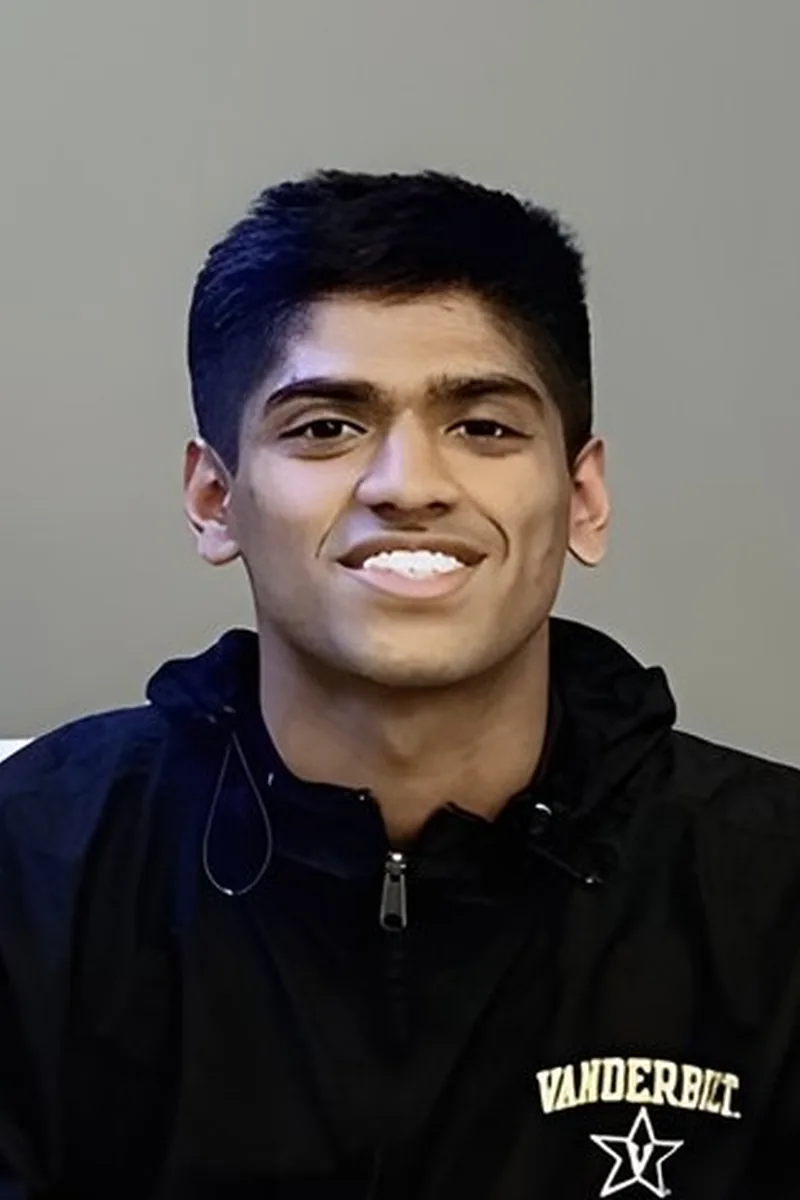
Currently pursuing a PhD in Data Science at NYU after completing an M.S. in the field at UIUC, Abhi lives inside the full data science pipeline — cleaning, exploratory analysis, statistical modeling, and machine learning deployment. He teaches students to move from raw data to actionable insight using tools like Python, SQL, and real-world datasets rather than toy examples.
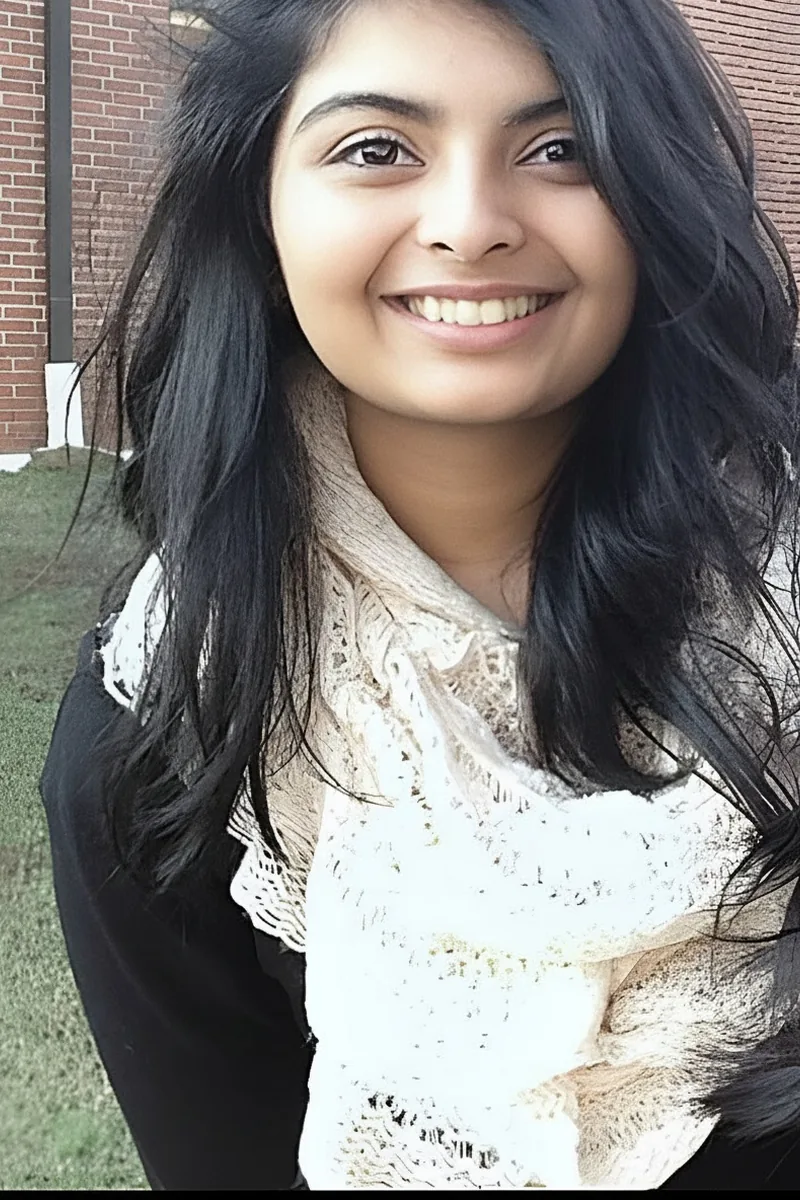
Sitting at the intersection of CS, statistics, and domain knowledge, data science requires someone who can explain both the math behind a model and the code that implements it. Deeptha's bioinformatics training at UAB was essentially applied data science — cleaning biological datasets, running statistical analyses, and building computational pipelines in Python and R. She tackles everything from exploratory data analysis and visualization to the mechanics of regression and classification algorithms.
A PhD in statistics and hands-on experience with R programming and SPSS give Bahaeddine a strong grip on the full data science pipeline — from exploratory analysis and probability modeling to regression and visualization. He breaks down concepts like feature selection, hypothesis testing, and predictive modeling in ways that connect statistical theory to practical coding workflows.
Having built her career at the intersection of computer science and biology — including work in bioinformatics — Samantha understands how to clean, analyze, and draw conclusions from messy real-world datasets. She teaches the full data science pipeline, from exploratory analysis and statistical modeling to visualization and communicating findings clearly.
A Mathematical Statistics and Probability major at Smith College, Kate brings real fluency with the quantitative backbone of data science — probability distributions, hypothesis testing, and exploratory data analysis. She breaks down concepts like regression modeling and data visualization so students understand not just the code but the statistical reasoning driving every decision.
Penn's computer science program gave Patrick a solid grounding in the algorithmic and mathematical thinking that data science actually demands — probability, linear algebra, and the logic behind model selection. He teaches Python and SQL not as isolated tools but as parts of a larger analytical process, walking students through how to move from a vague question to a structured dataset to a defensible conclusion.
Courage's unusual combination of computer science and environmental science degrees means he's built data pipelines for both software systems and scientific research — two domains where the data looks very different but the analytical thinking overlaps. He teaches students to connect SQL querying, Python scripting, and statistical reasoning into a coherent workflow, emphasizing how to ask the right question before choosing a model. His additional experience with datamining and biostatistics gives him a practical edge when explaining concepts like feature selection and exploratory analysis.
I am a recent graduate with a master's in electrical engineering from Case Western Reserve University. I won the Bill and Melinda Gates Millennium Scholarship which covers full tuition up to Ph.D. I was on the Dean's List for three consecutive years. Additionally, I won the OZY Media Genius Award in 2015 to work on high-temperature superconductors. I currently work as a Technology Analyst at Accenture. I am also seriously considering whether I should go for a Ph.D. or not.
Between his economics degree, math minor, and electrical engineering minor at UT Austin, Sameeullah built fluency across the three pillars data science actually rests on: statistical reasoning, programming (Python, SQL, R), and quantitative modeling. He teaches students how econometrics techniques like regression and hypothesis testing translate directly into the data science toolkit — making the leap from academic datasets to real analytical workflows feel natural rather than overwhelming.
Econometrics is essentially data science applied to economic questions — regression modeling, hypothesis testing, cleaning messy datasets to find real signals. Chica brings that statistical rigor to lessons on R programming, exploratory data analysis, and building reproducible workflows from raw data to insight.
Cleaning messy datasets is where most data science students lose momentum — missing values, inconsistent formats, and ambiguous features can derail a project before any modeling begins. Bryan brings a computer science engineer's rigor to data wrangling and exploratory analysis, teaching students to think critically about their data before jumping to regression or classification.
Running genomics and biophysics analyses during her PhD at the University of Toronto, Bianca lives the full data science workflow — cleaning messy datasets, applying statistical models, building visualizations, and drawing defensible conclusions. She unpacks concepts like probability distributions, regression, hypothesis testing, and machine learning fundamentals with the rigor of someone who depends on getting them right in published research.
Mehek's computer and information sciences training gives her a programmer's instinct for data science — she teaches students to clean messy datasets, write Python scripts for exploratory analysis, and interpret statistical outputs rather than just running them. Her approach connects the coding side (pandas, NumPy) to the reasoning side, so students understand what their models are actually telling them.
A strong math foundation changes everything in data science, where statistical reasoning and algorithmic thinking matter more than just knowing a library's syntax. Joseph pairs his University of Chicago math degree with fluency in Python to teach concepts like data wrangling, exploratory analysis, and basic modeling from the ground up.
Testimonials
Because the right Data Science tutor makes all the difference.
Average Session Rating – Based on 3.4M Learner Ratings
Nearby Data Science Tutors
Other Yonkers Tutors
Related Technology and Coding Tutors in Yonkers
Frequently Asked Questions
Varsity Tutors matches Yonkers students with expert Data Science tutors for 1-on-1 instruction. We pair each student with a tutor based on their specific needs, learning style, and goals.
Whether you need homework help, exam prep, or want to get ahead, our Data Science tutors are ready to help.
Common challenges include gaps from earlier material, difficulty with specific concepts, and trouble applying learning to new problems. These issues can snowball quickly in Data Science.
A tutor identifies where you're stuck, fills in gaps, and provides targeted practice. The 1-on-1 format means you get help exactly where you need it.
Tutors work with your student's actual coursework—homework assignments, class notes, and upcoming tests. This keeps tutoring directly relevant to what's happening in the classroom.
When you share information about your student's school and curriculum, we can match you with a tutor who has relevant experience.
All tutors complete background checks, credential verification, and teaching evaluation. Many of our Data Science tutors hold advanced degrees or have years of teaching experience.
You can review tutor profiles to find someone with the right background for your student's level and needs.
Many students see improved grades within a few weeks, along with better understanding of Data Science concepts and more confidence tackling challenging material.
Tutors track progress and adjust their approach to ensure continued improvement.
Most students benefit from 1-2 sessions per week. More frequent sessions help if your student is significantly behind or has an important exam coming up.
Your tutor can recommend a schedule based on your student's specific situation and goals.
Tutoring is purchased in packages of hours, with rates varying by tutor experience. Varsity Tutors offers several options to fit different budgets and needs.
You can discuss pricing during your consultation to find what works best.
Your tutor will assess where your student is, discuss goals, and start working on priority areas. Most students bring current homework or upcoming test material to focus on.
By the end, you'll have a clear sense of how the tutor can help and a plan for moving forward.
Let’s find your perfect tutor
Answer a few quick questions. We’ll recommend the right plan and match you with a top 5% tutor.