Award-Winning AP Computer Science Principles Tutors
serving Grand Rapids, MI
AP Computer Science Principles
Tutors in Grand Rapids
Private 1-on-1 tutoring, weekly live classes for academic support, test prep & enrichment, practice tests and diagnostics, and more to elevate grades and test scores.
Based on 3.4M Learner Ratings
UniversitiesSchools & Universities
DeliveredHours Delivered
ProficiencyGrowth in Proficiency
Who needs tutoring?
No obligation. Takes ~1 minute.
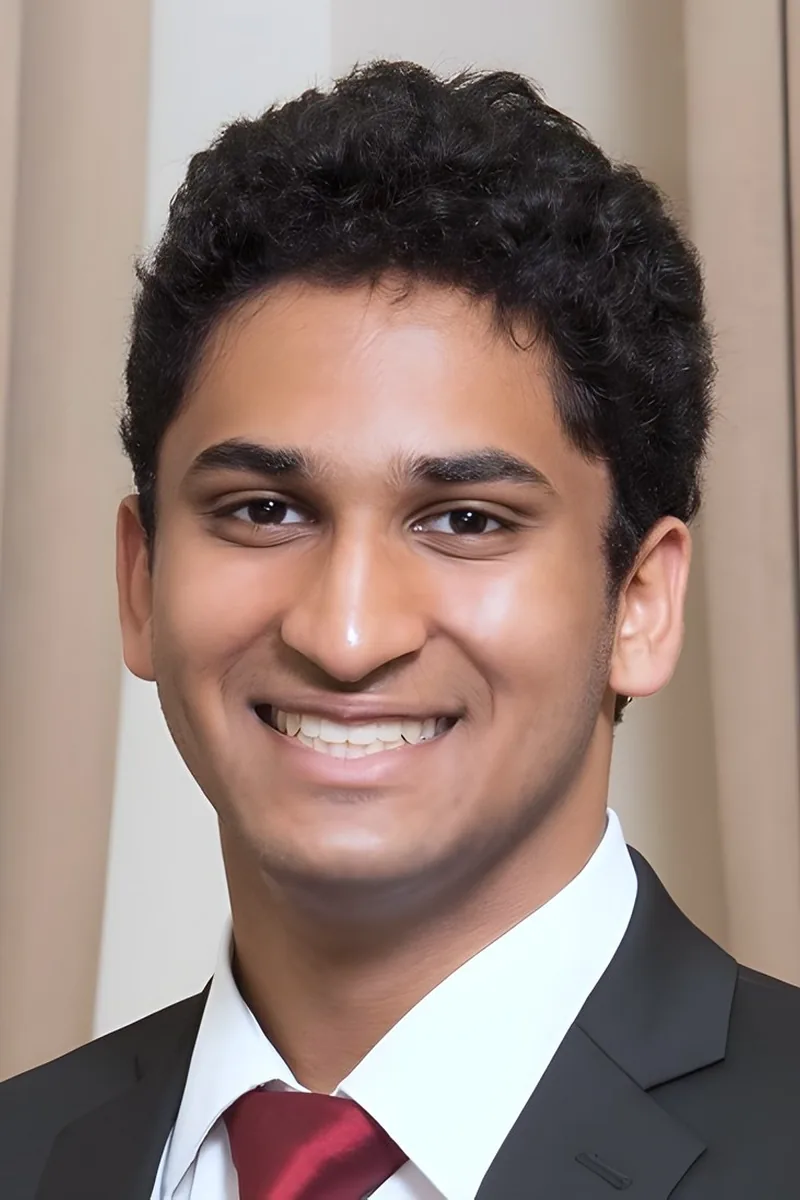
Pratik doesn't come from a traditional CS background, but his premed training at Cornell — where he regularly works with data sets, statistical models, and logical reasoning — maps directly onto the computational thinking AP CSP tests. He's especially effective at breaking down the data analysis and algorithm units, translating abstract pseudocode into the kind of step-by-step problem solving he uses in biology and chemistry every day.
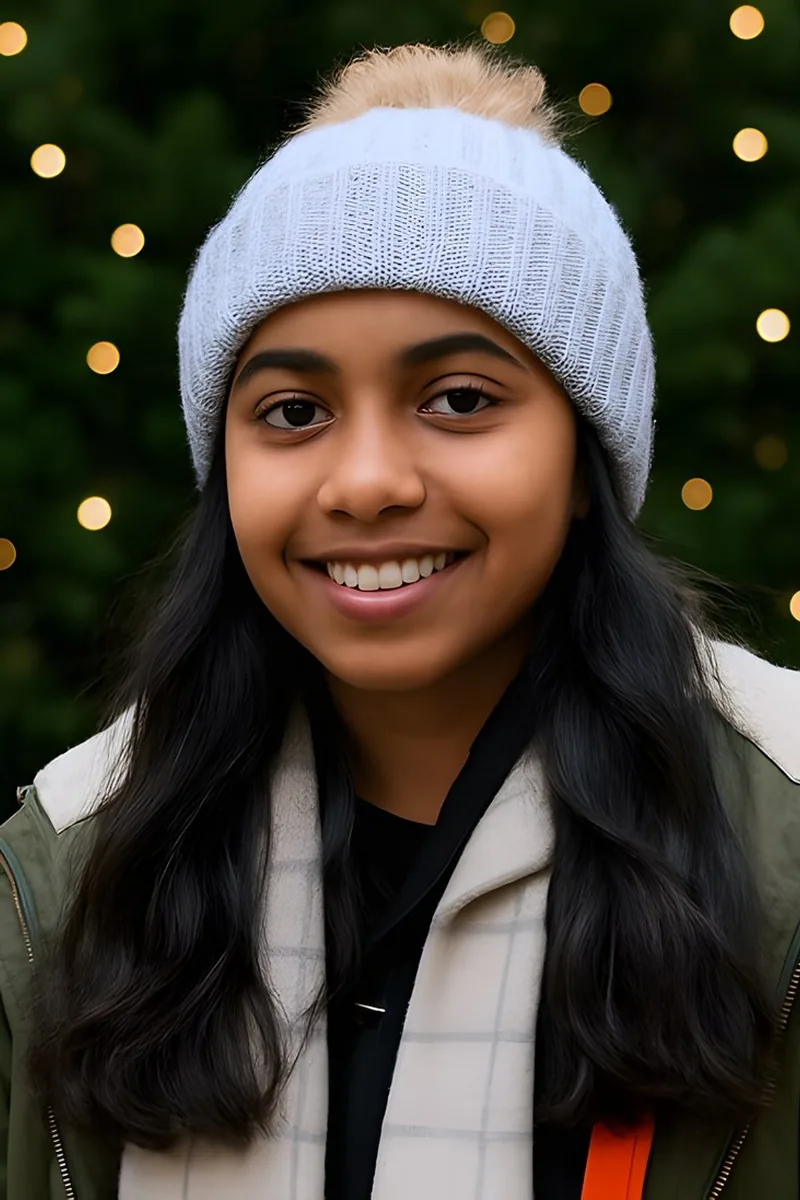
Nikitha earned her CS degree from Michigan writing actual code — which gives her a practical lens on AP CSP's more conceptual terrain, where students often stumble because the material feels too broad to pin down. She zeroes in on the impact-of-computing and cybersecurity threads that many tutors gloss over, tying them back to real design decisions she encountered in her own coursework. Rated 5.0 by students.
I'm working towards a B.S. in Physics at Michigan State University with a minor in Computational Mathematics, Science, and Engineering. I've made the Chancellor's List every semester and am a member of my university's Honors College. I've worked with students as young as 11 and as old as 25 for the past couple of years, both online and in-person. Since I'm still a student myself, I can relate to clients and teach in a way that creates a comfortable and safe space. I tutor a broad range of subjects and would love to help you!
Nicholas codes in Java, Python, JavaScript, C#, and HTML/CSS daily — so when AP CSP asks students to reason about algorithms or data representation in pseudocode, he can instantly translate those abstractions into real programming scenarios that make the logic click. His Penn State CS degree also means he understands the networking and cybersecurity concepts woven through the course at a technical level most high schoolers never see. Rated 5.0 by students.
JF studies mathematical and computational science at Stanford, which means the algorithmic thinking and data representation ideas in AP CSP are woven into his daily coursework — not abstract exam topics. He teaches students to reason through pseudocode problems and structure their Create Task projects so every rubric criterion is addressed with clarity. Rated 5.0 by students.
Two years working in AI and machine learning gave Brandon a firsthand sense of how the Big Ideas in AP CSP — data representation, algorithmic efficiency, the societal implications of computing — play out in industry, especially around bias in datasets and the ethics of automation. He teaches the Internet and cybersecurity portions of the course through the lens of systems he's actually built, and his CS master's work at RIT keeps him sharp on the pseudocode reasoning the exam demands. Rated 4.9 by students.
Teaching discrete math at Penn means Keenan spends his weeks translating abstract computational thinking into language undergraduates actually absorb — a skill that maps directly onto AP CSP's pseudocode reasoning and algorithm analysis questions. His philosophy degree also gives him an unusual edge on the exam's societal-impact questions, where students need to construct clear written arguments about data privacy, bias in algorithms, and computing ethics. Rated 5.0 by students.
Having TA'd computer science courses at MIT and now pursuing a PhD in Operations Research at Georgia Tech, Isabella brings real programming fluency — particularly in Python — to the algorithmic thinking and data analysis threads that run through AP CSP. She digs into how pseudocode on the exam maps to actual code students write for the Create Task, making the connection between abstract logic and working programs click. Rated 5.0 by students.
Victoria's CS coursework at Washington University in St. Louis means she can ground AP CSP's abstract Big Ideas — like how abstraction layers simplify complex systems or why algorithms have different efficiencies — in actual programming experience across Java, Python, and C++. That real coding fluency is especially useful when students need to move from pseudocode on the exam to functional code in the Create Task. Rated 5.0 by students.
Studying computational science at Stanford while coming from a creative arts background at Juilliard's Pre-College program, Julia brings an unusual lens to AP CSP — she naturally bridges the course's technical units on algorithms and data representation with its emphasis on the societal and creative dimensions of computing. Her 1560 SAT and 5.0 tutoring rating back up the analytical chops, but it's that crossover between engineering and the arts that makes her especially effective at coaching the Create Task, where students need both programming logic and clear written explanation.
Electrical engineering taught Jake to think in systems — how signals move, how data gets encoded, how layers of abstraction stack to make hardware and software talk to each other. That mindset maps directly onto AP CSP's trickiest material, from binary representation to internet protocols to algorithm tracing in pseudocode. He also teaches across five programming languages, so the Create Task's coding component comes naturally.
Biomedical engineering at Cornell means Annie writes Python and MATLAB to process real research data — skills that map directly onto AP CSP's emphasis on programming, data analysis, and algorithmic thinking. She teaches the Create Task as a scaled-down version of the same design process she uses in lab: define the problem, plan the logic, build iteratively, then explain your choices clearly. Rated 4.9 by students.
Software engineering internships at Apple and Microsoft gave Jerry a firsthand view of how the concepts in AP CSP — abstraction, algorithm design, data representation — actually play out in production code. He uses that industry context to make the Create Performance Task feel like a real development project rather than a classroom exercise, which sharpens both the programming and the written-response components. Rated 4.9 by students.
Lance studied both theoretical mathematics and computer science as an undergraduate before entering medical school, which means he's written real code in Java, C, and SQL — not just traced pseudocode on a worksheet. That practical depth lets him teach AP CSP's algorithmic thinking and abstraction concepts through actual programming logic, giving students a clearer mental model when they hit the Create Task or encounter unfamiliar algorithm-tracing questions on the exam.
Cognitive science training at Stanford gave David an unusual lens for AP CSP — he studied how humans process information before studying how computers do, which means he can explain abstraction, algorithms, and data representation in terms that actually click. His experience teaching web and app development to high schoolers abroad sharpened his ability to walk students through the Create Task from planning to polished written response.
Testimonials
Because the right AP Computer Science Principles tutor makes all the difference.
Average Session Rating – Based on 3.4M Learner Ratings
Other Grand Rapids Tutors
Related Technology and Coding Tutors in Grand Rapids
Frequently Asked Questions
AP Computer Science Principles covers five big ideas: creative development, data, algorithms, programming, and the internet. The course emphasizes computational thinking and real-world applications rather than heavy coding syntax. For students in Grand Rapids, this means learning how to design solutions, analyze data, understand algorithms, and explore how computing impacts society—skills that appear throughout the exam and the Create Performance Task.
Score improvement depends on your starting point and preparation timeline. Students who work with tutors typically see gains of 1-2 points on the AP scale (1-5), with some reaching a 3 or 4 if they started with foundational gaps. The most significant improvements come from consistent practice with multiple-choice questions, understanding the Create Performance Task rubric deeply, and identifying which big ideas you struggle with most. A tutor can help pinpoint weak areas and build a focused study plan.
The Create Performance Task is worth 30% of your AP score, making it crucial to master. This task requires you to design, implement, and present a computing innovation—which means you need strong coding fundamentals, clear documentation, and the ability to explain your work. Tutors can help you understand the rubric requirements, develop a project that showcases your skills, and practice explaining your code and design choices in a way that earns full credit.
Students often struggle with algorithm design and tracing code logic, especially when working with loops and conditionals. The Create Performance Task also challenges many students because it requires both technical coding skills and strong written communication about your work. Additionally, understanding how the internet works and binary/data representation can feel abstract without hands-on practice. A tutor can break down these concepts with concrete examples and give you targeted practice in your weak areas.
Most students benefit from starting test prep 8-10 weeks before the May exam, dedicating 3-5 hours per week to review and practice. If you're taking the course for the first time, consistent tutoring throughout the year helps you build skills gradually rather than cramming. For students in Grand Rapids with access to personalized instruction, a tutor can create a customized study schedule based on your pace and identify which topics need the most focus so you use your time efficiently.
Practice tests are essential for getting comfortable with the multiple-choice format and timing—you'll have 2 hours for 70 questions, so pacing matters. Take full-length practice tests under timed conditions to identify which question types trip you up, then review those sections deeply. A tutor can help you analyze your practice test results to spot patterns (like questions about algorithms or internet concepts), explain why you missed questions, and build strategies for similar questions on test day.
Test anxiety often stems from feeling unprepared in specific areas. Working with a tutor to build confidence in your weakest topics—whether that's algorithm tracing, the Create Task, or data representation—reduces anxiety significantly. On exam day, remember to read questions carefully, skip difficult ones and return to them, and manage your time across all 70 questions. Tutors can also teach you breathing techniques and help you practice staying calm during timed practice tests.
Look for tutors who have strong computer science backgrounds, ideally with experience teaching or tutoring AP CSP specifically. They should understand the AP exam format, the Create Performance Task rubric, and how to explain complex concepts like algorithms and data structures clearly. Varsity Tutors connects you with expert tutors in Grand Rapids who have proven success helping students master AP Computer Science Principles and improve their exam scores.
Let’s find your perfect tutor
Answer a few quick questions. We’ll recommend the right plan and match you with a top 5% tutor.