Award-Winning Latin Tutors
serving Detroit, MI
Latin
Tutors in Detroit
Private 1-on-1 tutoring, weekly live classes for academic support, test prep & enrichment, practice tests and diagnostics, and more to elevate grades and test scores.
Based on 3.4M Learner Ratings
UniversitiesSchools & Universities
DeliveredHours Delivered
ProficiencyGrowth in Proficiency
Who needs tutoring?
No obligation. Takes ~1 minute.

I am a Dartmouth graduate. I am currently working on my med and business endeavors. I have not only an interest, but a motivation to help others. I have helped students get into Ivy League schools as well as other top universities across the country with top scholarships. I tutor in all subjects from French to Essay Writing and Algebra to Chemistry! I want my students and tutees to see the value in themselves and know that they can accomplish anything with determination and hard work! Realizing you can do it is half the battle and working hard to bring that dream to fruition is the other half!
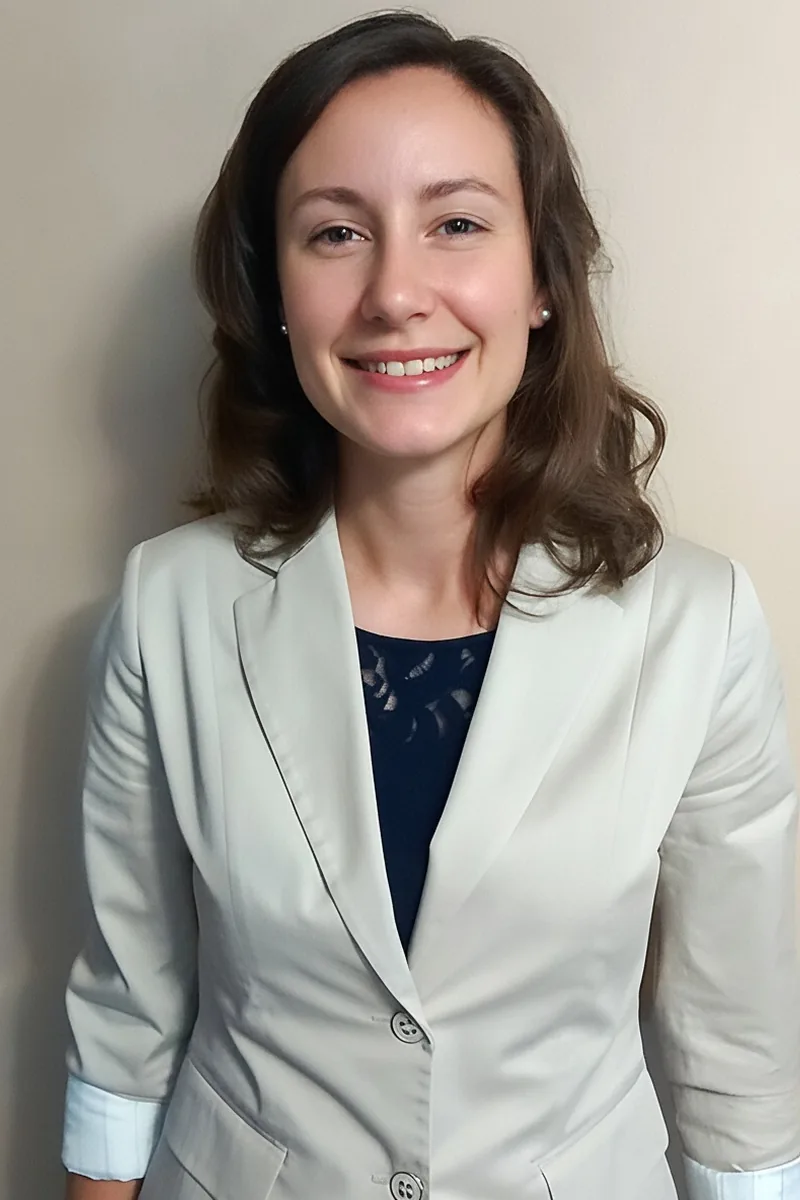
Latin is essentially a giant logic puzzle: every sentence requires students to identify case endings, parse verb forms, and reconstruct meaning from an unfamiliar word order. Mary tackles translation by building systematic habits around declensions and conjugations, then applies them to real passages so students see the language come alive in context.
Dennis's Latin studies through AP level sit alongside his physics and math work at Princeton — an unusual combination that means he treats Latin grammar the way he treats a physics problem, breaking complex sentence structures into their component parts and solving them systematically. He's especially effective with the kind of precise syntactic parsing that AP Latin demands, where identifying an ablative absolute or untangling a periodic sentence requires the same logical rigor as modeling turbulent plasmas.
Skylar took Latin through the graduate level at Johns Hopkins and earned a 5 on the AP Latin exam, so she knows the language from first-declension basics all the way through Vergil and Caesar at an advanced level. She breaks down complex constructions — ablative absolutes, indirect discourse, subjunctive clauses — by connecting grammar to the logic of what a Roman author is actually trying to say. That approach turns translation from guesswork into a skill students can repeat on any unseen passage.
Leonard's math degree from Columbia might seem like an odd fit for Latin, but the same structural reasoning that powers algebraic proofs — isolating variables, applying rules in sequence, testing whether an answer holds up — maps directly onto parsing case endings and conjugating verbs. He leans into that logic-first approach, asking students to defend their translations and articulate *why* a noun is dative or a clause is purpose rather than result. Rated 4.8 by students.
Ruth's University of Chicago English degree and SAT Subject Test preparation in Latin mean she's spent serious time with the language's grammar, vocabulary, and literary roots — not just skimming declension charts but actually working through how Latin sentence structure operates. Her high school teaching background gives her a practical sense of where students get tripped up on things like verb conjugations and case identification, and she builds lessons that make those sticking points click. Rated 4.9 by students.
Having tutored high school Latin students while studying English and journalism at the University of Pennsylvania, Amy knows how to bridge the gap between memorizing paradigm charts and actually reading Latin with confidence. She zeroes in on building the kind of grammatical intuition — recognizing how a subjunctive signals purpose, or why word order shifts in poetry — that turns translation from a grind into something that clicks.
Cristiana earned her BA in Classics from Tor Vergata University in Rome, where Latin wasn't just an academic exercise but part of the scholarly air she breathed daily. She tackles declensions, conjugations, and prose composition by connecting grammar to the literature students actually want to read — Caesar, Cicero, Virgil — so syntax rules stick because they're attached to real sentences.
Working in Sewanee's writing center gave Wallis a sharp eye for how Latin grammatical structures — particularly case usage and participial constructions — surface in English academic prose, making her explanations feel grounded rather than abstract. She also studied at the European University at St. Petersburg, where reading across languages reinforced the kind of close, syntax-level attention that Latin translation demands. Her Latin 1 and Latin 2 teaching covers foundational declensions through more complex sentence parsing.
Four levels of Latin coursework gave Noah deep familiarity with declensions, conjugations, and the sentence structures that trip students up most — ablative absolutes, indirect statements, and purpose clauses. He approaches Latin translation almost like parsing code: breaking a sentence into its grammatical components before assembling meaning. That systematic method makes even dense passages from Caesar or Virgil feel manageable.
Headed to Columbia's medical school, Tyler knows firsthand how Latin vocabulary threads through anatomy, pharmacology, and clinical terminology — but his Latin teaching goes beyond roots and prefixes into the grammatical scaffolding that makes the language work. He covers both Latin 1 and Latin 2, walking students through conjugation patterns and case usage with the same methodical approach he applies to his biology and standardized test prep.
A college English professor with dual degrees in the field, Toni knows how deeply Latin roots and grammatical structures run through the English language — every lesson on cases, conjugations, or syntax doubles as a window into why English works the way it does. She teaches Latin as a discovery process, encouraging students to piece together translations by recognizing patterns rather than relying on word-for-word lookup. Her 4.9 rating speaks to how well that active, student-driven approach lands.
Peter's history degree means he's spent years working with primary sources where Latin isn't decorative — it's the language of legal charters, church records, and the political documents that shaped Western civilization. That historical grounding gives him a concrete reason to teach case endings and verb forms: students learn to parse real inscriptions and texts, not just textbook exercises. Rated 4.8 by students.
Charles teaches both Latin 1 and Latin 2 alongside a full slate of English grammar and literature courses, which means he's constantly working at the intersection of Latin's grammatical structures and their echoes in modern English. That dual focus sharpens his ability to walk students through conjugation patterns and case endings by linking them to syntax rules they already use every day. His two years as a high school peer tutor built an instinct for spotting exactly where a translation starts to fall apart.
Testimonials
Because the right Latin tutor makes all the difference.
Average Session Rating – Based on 3.4M Learner Ratings
Other Detroit Tutors
Related Languages Tutors in Detroit
Frequently Asked Questions
Latin is foundational to understanding English vocabulary, history, and Western culture. Students who study Latin typically improve their performance in other subjects—especially English and science—because Latin roots appear in roughly 60% of English words. For students in Detroit preparing for standardized tests or college applications, Latin demonstrates intellectual rigor and strengthens critical thinking skills.
The biggest hurdles are verb conjugation (which requires memorizing multiple forms across tenses and moods) and building vocabulary retention. Many students also struggle with translating Latin's flexible word order and understanding how cases function grammatically. Personalized 1-on-1 instruction helps address these specific pain points by breaking down complex grammar patterns and creating targeted practice for areas where students get stuck.
A tutor will assess your current level—whether you're just starting or working through advanced texts like Cicero or Virgil—and identify your specific goals (passing a class, preparing for AP Latin, or deepening your understanding of classical texts). They'll discuss which areas feel most challenging and create a personalized plan that focuses on your needs, whether that's grammar fundamentals, translation skills, or cultural context.
Yes. While Latin is primarily a written language in modern education, tutors can guide you through pronunciation, help you read Latin aloud with proper inflection, and discuss the language's structure in ways that deepen comprehension. This kind of active engagement—speaking and hearing the language—strengthens memory and helps you internalize grammar patterns better than silent study alone.
Tutors work with whatever curriculum your school uses—whether that's Cambridge Latin Course, Wheelock's Latin, Jenney's Latin, or AP Latin texts. They can also supplement with additional resources tailored to your learning style. If you're studying independently or preparing for standardized exams, tutors help you build a structured learning path that covers essential grammar, vocabulary, and translation skills.
Latin isn't just grammar and vocabulary—it's a window into Roman history, philosophy, and daily life. Understanding cultural context makes texts more meaningful and memorable. Tutors often weave in historical background, explain references in classical texts, and show how Latin shaped Western civilization, which helps students see the language as a living system rather than abstract rules.
AP Latin tutors focus on the specific texts on the exam (currently Vergil's Aeneid and Ovid's Metamorphoses), build rapid translation skills, and develop strategies for handling unseen passages. They work through past exam questions, help you master the vocabulary and grammatical patterns in those texts, and teach test-taking strategies that maximize your score. With Detroit's 20.7:1 student-teacher ratio in schools, personalized tutoring provides the focused attention needed to excel on this challenging exam.
Pricing varies based on the tutor's experience level and your specific needs. Varsity Tutors connects you with tutors across a range of price points, so you can find an option that fits your budget. During your first conversation, you can discuss rates and what's included—whether that's test prep, homework help, or comprehensive grammar instruction—so there are no surprises.
Let’s find your perfect tutor
Answer a few quick questions. We’ll recommend the right plan and match you with a top 5% tutor.