Award-Winning Latin Tutors
serving Lansing, MI
Latin
Tutors in Lansing
Private 1-on-1 tutoring, weekly live classes for academic support, test prep & enrichment, practice tests and diagnostics, and more to elevate grades and test scores.
Based on 3.4M Learner Ratings
UniversitiesSchools & Universities
DeliveredHours Delivered
ProficiencyGrowth in Proficiency
Who needs tutoring?
No obligation. Takes ~1 minute.
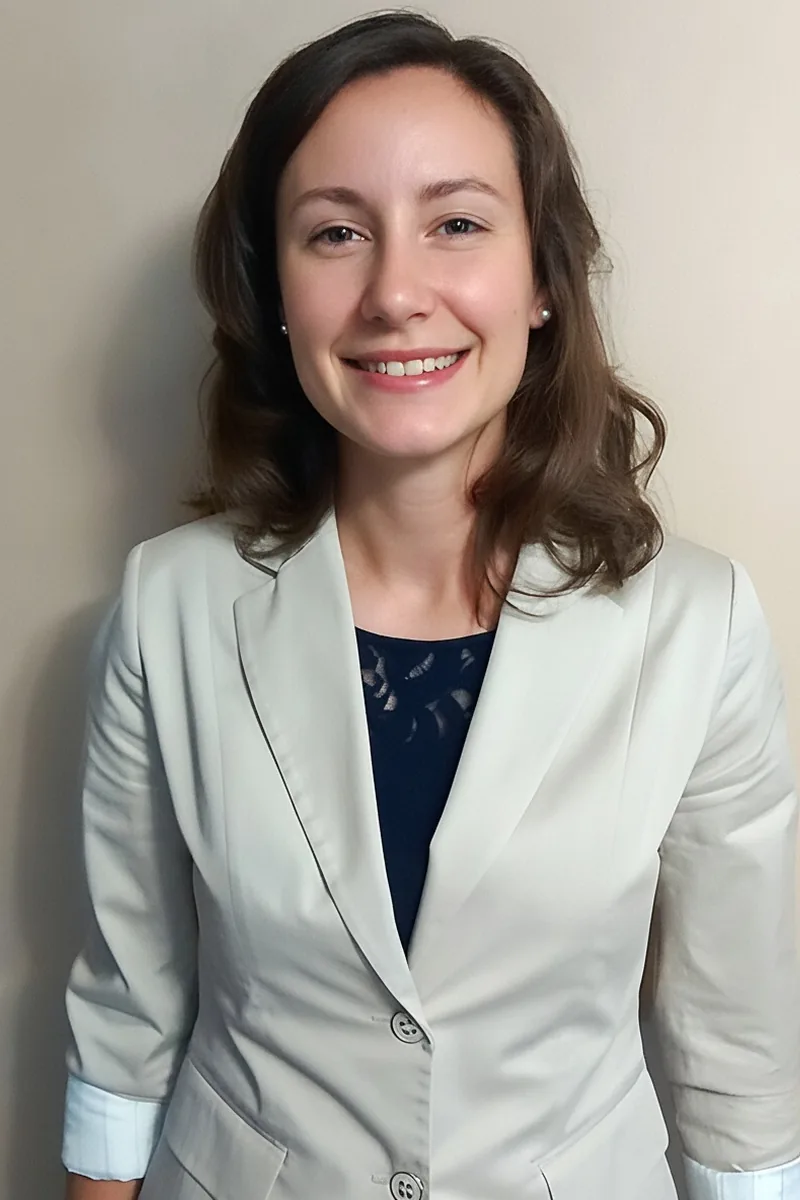
Latin is essentially a giant logic puzzle: every sentence requires students to identify case endings, parse verb forms, and reconstruct meaning from an unfamiliar word order. Mary tackles translation by building systematic habits around declensions and conjugations, then applies them to real passages so students see the language come alive in context.

I am a Dartmouth graduate. I am currently working on my med and business endeavors. I have not only an interest, but a motivation to help others. I have helped students get into Ivy League schools as well as other top universities across the country with top scholarships. I tutor in all subjects from French to Essay Writing and Algebra to Chemistry! I want my students and tutees to see the value in themselves and know that they can accomplish anything with determination and hard work! Realizing you can do it is half the battle and working hard to bring that dream to fruition is the other half!
Having studied Latin intensively through advanced levels at Yale, Malina treats the language as a system of interlocking patterns rather than a list of endings to memorize. She digs into how ablative absolutes, indirect discourse, and subjunctive clauses actually function in passages from Caesar, Virgil, and Cicero — so students learn to read Latin, not just decode it.
Most Yale students encounter Latin roots in passing — Joshua actually studied the language itself, covering all four levels and preparing for the SAT Subject Test in Latin. His Ethics, Politics, and Economics coursework keeps him reading texts steeped in Roman legal and philosophical terminology, which gives him a practical anchor for teaching everything from first-declension basics to translating dense prose passages.
Sarah's liberal arts training across music, theology, and world religions means she's spent years reading texts where Latin isn't just a classroom subject — it's the language sacred music, liturgical history, and philosophical ethics were written in. That lived context makes teaching declensions and conjugations stick, because every grammar concept connects to real hymns, prayers, and historical documents students can actually engage with. Rated 4.8 by students.
Working in Sewanee's writing center gave Wallis a sharp eye for how Latin grammatical structures — particularly case usage and participial constructions — surface in English academic prose, making her explanations feel grounded rather than abstract. She also studied at the European University at St. Petersburg, where reading across languages reinforced the kind of close, syntax-level attention that Latin translation demands. Her Latin 1 and Latin 2 teaching covers foundational declensions through more complex sentence parsing.
Four levels of Latin coursework gave Noah deep familiarity with declensions, conjugations, and the sentence structures that trip students up most — ablative absolutes, indirect statements, and purpose clauses. He approaches Latin translation almost like parsing code: breaking a sentence into its grammatical components before assembling meaning. That systematic method makes even dense passages from Caesar or Virgil feel manageable.
Peter's history degree means he's spent years working with primary sources where Latin isn't decorative — it's the language of legal charters, church records, and the political documents that shaped Western civilization. That historical grounding gives him a concrete reason to teach case endings and verb forms: students learn to parse real inscriptions and texts, not just textbook exercises. Rated 4.8 by students.
Between his psychology studies at Yale and his German coursework through level four, Stephen has built the kind of cross-linguistic awareness that makes Latin's grammatical architecture feel less foreign — German's case system in particular maps closely onto Latin's noun declensions. He also prepared for the SAT Subject Test in Latin, which means he's drilled the vocabulary, syntax, and translation speed that classroom exams and standardized assessments both demand.
William's Classics degree from Boston University means he didn't just study Latin as a requirement — he read it as a living part of the ancient world, translating original texts alongside coursework in linguistics and archaeology. That dual lens lets him explain not only how a subjunctive clause or ablative construction works grammatically, but why Roman authors chose those structures to make their arguments. Rated 4.9 by students.
Paula's psychology and communication studies background means she's constantly bumping into Latin roots — in clinical terminology, rhetorical frameworks, and the academic vocabulary that underpins both fields. She leans on that familiarity to make vocabulary acquisition and grammatical patterns feel connected to words students already use, turning declension drills into something closer to code-breaking. Rated 4.8 by students.
Biomedical sciences coursework means Sam encounters Latin daily — anatomical nomenclature, pharmacological terms, and disease classifications all trace directly back to the language's vocabulary and word-formation rules. That constant exposure to Latin roots and prefixes in a scientific context gives him a practical angle on teaching vocabulary acquisition, while his SAT verbal preparation (1530 composite) sharpened the grammatical parsing skills that make declensions and sentence structure click.
Philosophy and Latin are deeply entangled — Adam's degree means he's spent years encountering Latin terminology, logical structures, and the classical texts where Western philosophical traditions actually originated. He teaches Latin 1 through 3 with a focus on how grammatical concepts like subjunctive mood and indirect discourse carry philosophical nuance, so students learn to read with precision rather than just decode words. His background in Greek reinforces that classical-languages fluency.
Having completed Penn's post-baccalaureate program in Classical Studies, Michael knows Latin from the inside out — not just declension tables but the way a periodic sentence builds suspense or how subjunctive mood signals a Roman author's uncertainty. He takes students through grammar systematically while always connecting forms back to real passages from Caesar, Cicero, and Vergil so that translation feels purposeful rather than mechanical. Rated 5.0 by students.
Testimonials
Because the right Latin tutor makes all the difference.
Average Session Rating – Based on 3.4M Learner Ratings
Other Lansing Tutors
Related Languages Tutors in Lansing
Frequently Asked Questions
Varsity Tutors matches Lansing students with expert Latin tutors for 1-on-1 instruction. We pair each student with a tutor based on their specific needs, learning style, and goals.
Whether you need homework help, exam prep, or want to get ahead, our Latin tutors are ready to help.
Common challenges include gaps from earlier material, difficulty with specific concepts, and trouble applying learning to new problems. These issues can snowball quickly in Latin.
A tutor identifies where you're stuck, fills in gaps, and provides targeted practice. The 1-on-1 format means you get help exactly where you need it.
Tutors work with your student's actual coursework—homework assignments, class notes, and upcoming tests. This keeps tutoring directly relevant to what's happening in the classroom.
When you share information about your student's school and curriculum, we can match you with a tutor who has relevant experience.
All tutors complete background checks, credential verification, and teaching evaluation. Many of our Latin tutors hold advanced degrees or have years of teaching experience.
You can review tutor profiles to find someone with the right background for your student's level and needs.
Many students see improved grades within a few weeks, along with better understanding of Latin concepts and more confidence tackling challenging material.
Tutors track progress and adjust their approach to ensure continued improvement.
Most students benefit from 1-2 sessions per week. More frequent sessions help if your student is significantly behind or has an important exam coming up.
Your tutor can recommend a schedule based on your student's specific situation and goals.
Tutoring is purchased in packages of hours, with rates varying by tutor experience. Varsity Tutors offers several options to fit different budgets and needs.
You can discuss pricing during your consultation to find what works best.
Your tutor will assess where your student is, discuss goals, and start working on priority areas. Most students bring current homework or upcoming test material to focus on.
By the end, you'll have a clear sense of how the tutor can help and a plan for moving forward.
Let’s find your perfect tutor
Answer a few quick questions. We’ll recommend the right plan and match you with a top 5% tutor.