Award-Winning Korean Tutors
serving Boston, MA
Korean
Tutors in Boston
Private 1-on-1 tutoring, weekly live classes for academic support, test prep & enrichment, practice tests and diagnostics, and more to elevate grades and test scores.
Based on 3.4M Learner Ratings
UniversitiesSchools & Universities
DeliveredHours Delivered
ProficiencyGrowth in Proficiency
Who needs tutoring?
No obligation. Takes ~1 minute.
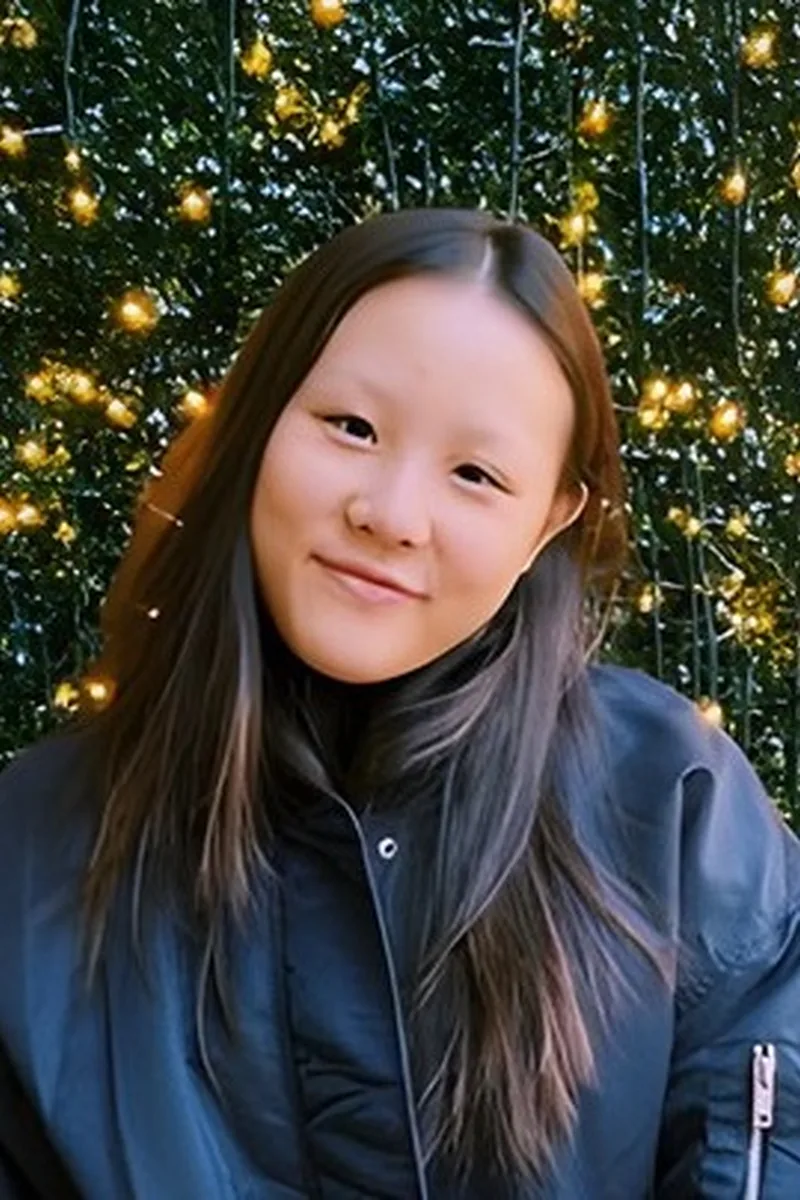
As a Korean speaker, Eunice teaches the language with an emphasis on hangul structure, sentence-building patterns, and the honorific system that trips up so many beginners. She's especially effective at bridging the gap between textbook Korean and how the language is actually spoken, making conversational practice feel natural from early lessons.

I am a graduate of New York University. I received my Bachelor of Science in Childhood (G 1-6) Education and Childhood (G1-6) Special Education. I have gotten my teacher certification in the state of New York, right after graduating. After graduating from NYU, I taught English to students in Elementary School in Korea (G1-6) and I have taught all different levels. I am now pursuing a master's of Education in English Language Learner program at Vanderbilt University. I am passionate about elementary education and teaching English as a foreign language. In my experience of learning and teaching elementary school, I always try to make the activity more engaging and fun. In my spare time, I like to listen to music, watch tv, and hang out with friends.
As a native-level Korean speaker with a philosophy background, Moon breaks down the language's hierarchical speech levels and grammatical particles in a way that actually makes structural sense to English speakers. Whether a student is tackling 존댓말 for the first time or working through reading comprehension of longer passages, the explanations stick because they're grounded in logic, not rote repetition.
Sophia's pharmacy doctorate required years of dense scientific reading and precise technical communication — skills she now channels into teaching Korean at the beginner level, where careful attention to hangul syllable blocks and basic sentence patterns makes all the difference early on. She keeps lessons relaxed and conversational, building vocabulary and grammar fundamentals at a pace that doesn't overwhelm new learners.
As a member of a Korean hip-hop dance group at Cornell, Andrew engages with Korean language and culture well beyond the classroom. He tackles tricky concepts like honorific levels, particle usage, and Hangul reading fluency by grounding them in real conversational contexts — music, media, and everyday dialogue — so students build practical skills alongside formal grammar.
I am an independent artist and filmmaker currently residing in Chicago. I've been tutoring students in test preparation, writing, and math for a little over five years and love every part of it! I make sure to design my teaching methods with the specific needs of each student in mind. My top priority is the success of my students. I am very friendly and also push my students to challenge themselves.
Hi, I'm Sojung, and I enjoy helping students learn in a clear, supportive, and encouraging way. I have teaching experience at the graduate level, and I always try to make lessons easy to understand and comfortable to follow. I like to tailor each lesson to a student's goals, interests, and learning style so that learning feels more meaningful and effective. Whether you want help with Korean for conversation, school, work, or personal interest, I'd be happy to support your progress.
Sean's mathematics and MBA background might seem unrelated to Korean, but his analytical mindset lends itself well to breaking down the language's logical grammar system — particularly how particles and verb conjugations follow consistent, rule-based patterns. He approaches Korean the way he'd approach a math problem: identify the structure, learn the rules, then apply them in increasingly complex contexts.
Michelle grew up bilingual in Korean and English, which gives her an intuitive sense of where English speakers get tripped up — especially with verb conjugation patterns and the cultural context behind choosing the right speech level in conversation. Her International Relations degree from Tufts deepened that cross-cultural awareness, making her particularly effective at explaining not just how Korean works grammatically, but why certain expressions carry the weight they do.
Dawoon's master's in Teaching Korean to Speakers of Other Languages (TKSOL) means she's trained specifically in diagnosing where non-native learners break down — and she's put that training to work preparing students for the Korean Proficiency Test and the Defense Language Proficiency Test, where she's moved learners from Level 2 to Level 3 on the DLPT. She weaves cultural context into every lesson, explaining why native speakers choose particular expressions and speech levels so that grammar rules stick to something meaningful rather than floating in the abstract.
Teresa's double major in Biology and Hispanic Studies at Boston College means she's no stranger to learning languages with discipline and structure — Korean is one she speaks and loves teaching most. She zeroes in on the rhythm of natural conversation, helping learners internalize speech patterns and vocabulary through context rather than isolated drills. Rated 4.8 by her students.
I am a graduate from UCLA and currently working as a CPA; however, I have been enjoying time to teach the Korean language and culture when I have extra time.
As a native-level Korean speaker who also scored a strong ACT composite, Youngbin bridges the gap between Korean and English in ways that clarify both languages. He tackles everything from hangul fundamentals and particle usage to honorific speech levels and nuanced vocabulary for advanced learners. Students preparing for the SAT Korean Subject Test or simply building conversational fluency get structured, practical instruction.
Testimonials
Because the right Korean tutor makes all the difference.
Average Session Rating – Based on 3.4M Learner Ratings
Nearby Korean Tutors
Other Boston Tutors
Related Languages Tutors in Boston
Frequently Asked Questions
Korean involves unique linguistic features—like honorifics, different writing systems (Hangul and Hanja), and grammatical structures quite different from English—that benefit greatly from personalized instruction. With Boston's average student-teacher ratio of 11.2:1, classroom settings may not allow enough time for individual practice with pronunciation, conversation, and writing. Personalized 1-on-1 instruction lets tutors focus on your specific challenges, whether that's mastering Hangul, building conversational confidence, or preparing for AP Korean exams.
During your first session, a tutor will assess your current Korean proficiency level, understand your learning goals (whether you're starting from scratch, preparing for a test, or aiming for fluency), and identify specific areas where you need support. This might include evaluating your listening comprehension, speaking ability, reading skills, and familiarity with Hangul and grammar structures. Based on this assessment, the tutor will create a personalized plan tailored to your pace and objectives.
Many students struggle with Korean's honorific system, which requires understanding social context and relationships to use correct speech levels—something that takes consistent practice. Pronunciation can also be challenging, particularly sounds that don't exist in English like the distinction between aspirated and unaspirated consonants. Additionally, students often find the transition from learning Hangul to reading authentic texts, managing grammar patterns like verb conjugation and particles, and building conversational fluency to be significant hurdles. Personalized tutoring addresses each of these through targeted practice and immediate feedback.
Varsity Tutors connects you with tutors familiar with Korean language curricula across Boston's schools, including standards-based progression from beginner through advanced levels. Whether your school follows a communicative approach focused on speaking and listening, or emphasizes reading and writing skills, tutors can align instruction with your classroom expectations. Tutors can also support AP Korean Language and Culture exam preparation, which requires proficiency across all four skills (reading, writing, listening, speaking) at an advanced level.
Speaking confidence comes from consistent, low-pressure practice with corrective feedback—something that's difficult to get in a large classroom. Tutors create a safe environment to practice conversational Korean, correct pronunciation in real-time, and help you internalize natural speech patterns and honorifics. Through regular dialogue practice, role-playing scenarios, and targeted feedback on grammar and vocabulary usage, you'll build the fluency and confidence needed for real-world communication.
Yes. Tutors can prepare you for AP Korean Language and Culture exams, standardized proficiency tests, and school-based assessments. AP Korean preparation typically involves building advanced reading comprehension, essay writing, listening skills, and cultural knowledge—all areas where personalized instruction accelerates progress. Tutors will work through practice exams, address weak areas, and teach test-specific strategies to help you achieve your target score.
Absolutely. Varsity Tutors connects adult learners and heritage speakers with tutors who can tailor instruction to your specific needs. Heritage speakers may focus on formalizing conversational skills, improving reading and writing, or building academic vocabulary. Adult beginners can work at their own pace, focusing on practical communication or academic goals. Tutors adapt to your schedule and learning style, making Korean accessible regardless of your starting point.
Conversational fluency typically requires 600-750 hours of study according to language learning research, though personalized tutoring accelerates progress by focusing practice on your specific needs and providing immediate feedback. Most students working with a tutor 1-2 times weekly can achieve basic conversational ability within 6-12 months, depending on their starting level and study consistency. Advanced fluency and cultural nuance take longer, but personalized instruction helps you make steady, measurable progress toward your goals.
Let’s find your perfect tutor
Answer a few quick questions. We’ll recommend the right plan and match you with a top 5% tutor.