Award-Winning Executive Functioning Tutors
serving Boston, MA
Executive Functioning
Tutors in Boston
Private 1-on-1 tutoring, weekly live classes for academic support, test prep & enrichment, practice tests and diagnostics, and more to elevate grades and test scores.
Based on 3.4M Learner Ratings
UniversitiesSchools & Universities
DeliveredHours Delivered
ProficiencyGrowth in Proficiency
Who needs tutoring?
No obligation. Takes ~1 minute.
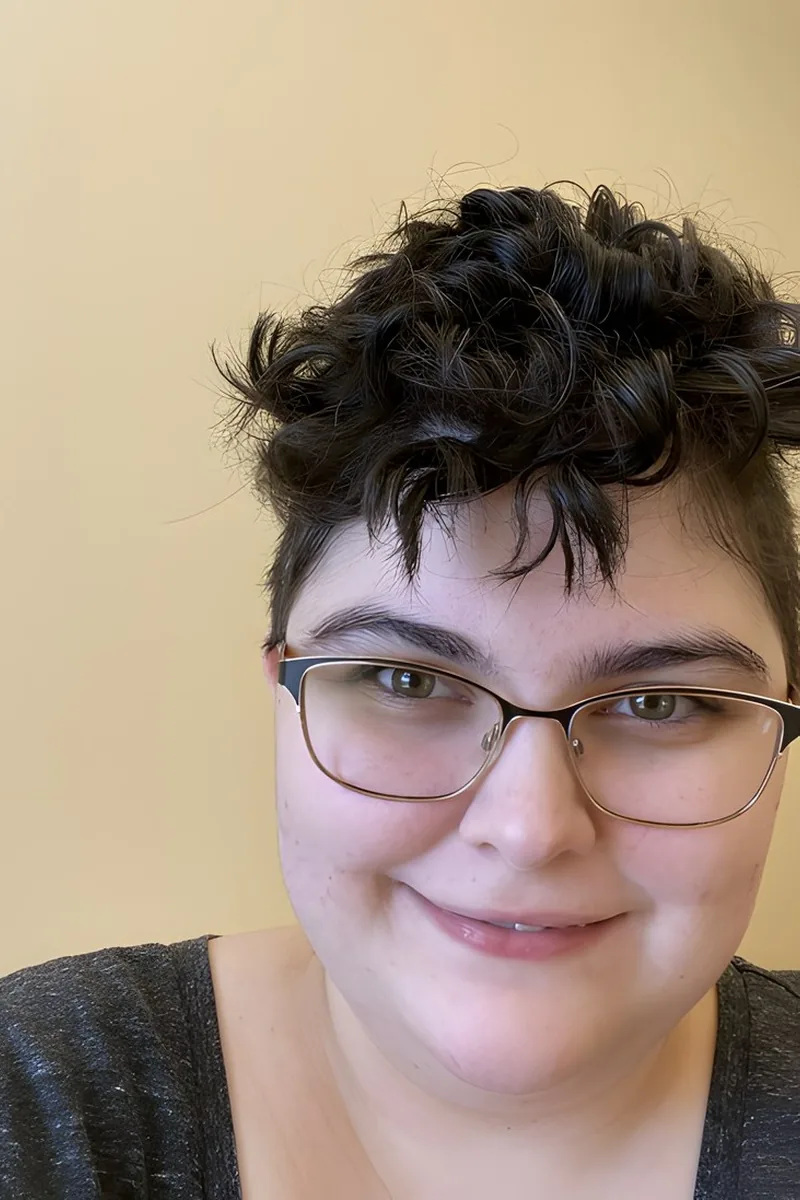
Planning, prioritizing, starting tasks, managing time — executive functioning skills don't come naturally to every student, and they're rarely taught explicitly in school. Hannah's Special Education program at Purdue trained her in scaffolding these skills through structured routines, visual organizers, and self-regulation strategies. She builds systems that students internalize gradually rather than depend on forever.
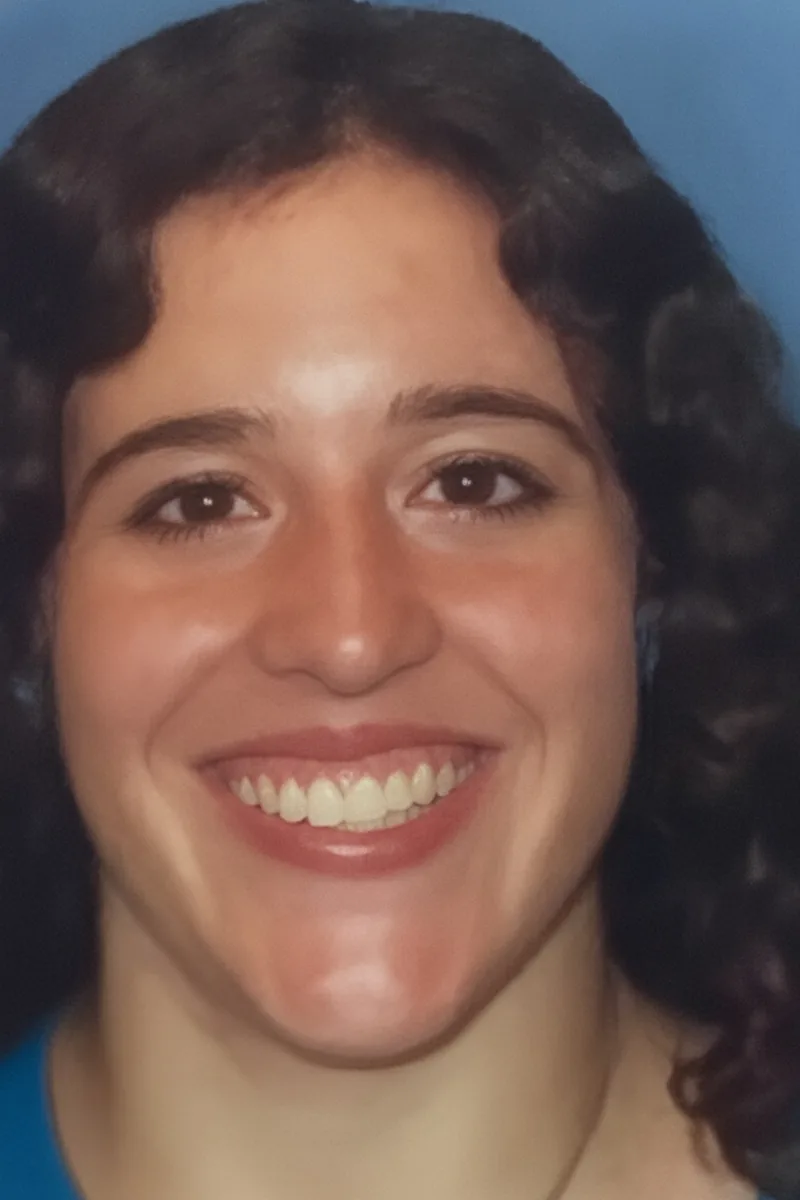
Medical school demands serious executive functioning — juggling anatomy, biochemistry, and clinical rotations means Kaitlyn has battle-tested systems for time management, task prioritization, and breaking large projects into manageable steps. She teaches students how to build their own planning routines, from using calendars effectively to chunking study sessions so material actually sticks. Rated 4.8 by students and families.
Running a natural sciences department at a bilingual elementary school in Ecuador meant Joy wasn't just teaching content — she was building systems for planning, prioritization, and task completion across two languages and multiple grade levels. She applies that same structured approach to executive functioning skills like time management, organization, and breaking long-term assignments into manageable steps.
Planning, prioritizing, managing time, shifting between tasks — these are the invisible skills that school demands but rarely teaches outright. Elise breaks executive functioning into concrete, practicable habits: using checklists to start assignments, setting timers to maintain focus, and building routines for organizing materials. Her special education training means she understands the neurological side of these challenges, not just the behavioral one.
I currently work for an afterschool enrichment program (Best Brains) tutoring elementary English and math, and I have 4+ years of experience as a private ESL tutor for both children and adults. I am working toward my Masters of Science in Secondary English Education and ESL at the University of Wisconsin- Madison. I graduated from the University of Oregon with a Bachelor of Arts in Comparative World Literature and Japanese, and from the University of Wisconsin-Madison with a Master of Arts in Japanese Language and Literature. I began tutoring while I was in high school, assisting with algebra homework. In college, I volunteered as a kindergarten reading assistant through a program called Start Making a Reader Today. I later volunteered while in graduate school at a local high school tutoring students in beginner Japanese. I have also been employed by the University of Wisconsin as a Teaching Assistant, and taught in Religious Studies and East Asian Studies. In all cases, it has been a pleasure watching students progress in their academics and to see them grow as young scholars. I especially enjoy teaching language arts because of the feeling of connection that language can bring. My favorite part of teaching is seeing the smiling face of someone the moment that they finally "get" something they've been struggling with and watching their confidence boost. In my free time, I host a small book club, pen pal with friends around the world, and try my hand at new recipes.
Tutoring across 46 subjects — from elementary math to organic chemistry to college essays — means Adel constantly sees which organizational habits transfer across disciplines and which ones students are missing. His biochemistry training at Georgia Tech required coordinating lab work, problem sets, and writing simultaneously, so he teaches students concrete strategies for prioritizing tasks, estimating how long assignments actually take, and building weekly workflows that prevent last-minute scrambles. Rated 5.0 by clients.
Jennifer's M.Ed. in Curriculum and Instruction trained her to design structured learning sequences — a skill she now applies to teaching students how to plan multi-step projects, estimate time for assignments, and organize materials across classes. Her experience spanning elementary through college-level work means she calibrates these systems to each student's actual academic demands, building routines around real homework and deadlines rather than abstract exercises. Rated 5.0 by clients.
Breaking large assignments into sequenced steps, building weekly planning routines, managing deadlines across multiple classes — Manuel tackles the organizational side of academics that often goes untaught. His structured approach to executive functioning gives students concrete systems they actually use, not just advice to "stay organized." Rated 5.0 by students.
Five years working specifically with students with learning differences taught Sydney where the real sticking points are — the student who knows what the assignment says but can't figure out where to start, or the one who chronically underestimates how long a reading response will take. She ties executive functioning strategies like task breakdown and self-monitoring directly to the English and Spanish coursework she also tutors, so students practice these skills on actual assignments rather than in isolation. Rated 4.9 by clients.
Planning a multi-step essay, breaking a semester-long project into weekly milestones, keeping track of deadlines across six classes — these are executive functioning challenges Gabby addresses directly. Her five-plus years as a tutor and writing coach have centered on building concrete systems for organization, time management, and task prioritization that students can actually maintain on their own.
Hello! My name is Sam Bicking. I am an alumni and student at The University of Pennsylvania studying Pre-health sciences before entering medical school. I have been tutoring for several years with students with disabilities (and amazing students without disabilities).
Kenneth's cognitive neuroscience degree means he understands the brain science behind why some students struggle to initiate tasks, regulate attention, or hold a plan in working memory — and that understanding shapes how he teaches these skills rather than just assigning them. He connects executive functioning strategies like sequencing and self-monitoring directly to the academic work students bring in, whether that's structuring a college essay or mapping out a study plan for chemistry.
Testimonials
Because the right Executive Functioning tutor makes all the difference.
Average Session Rating – Based on 3.4M Learner Ratings
Nearby Executive Functioning Tutors
Other Boston Tutors
Frequently Asked Questions
Executive functioning refers to the mental processes that help us plan, organize, manage time, and complete tasks—skills that are essential for academic success. These include working memory, flexibility, and self-control. Students who struggle with executive functioning often have difficulty organizing assignments, managing deadlines, breaking down complex projects, and staying focused, which can impact grades across all subjects regardless of their actual knowledge.
In Boston's rigorous academic environment across 32 schools and 6 school districts, strong executive functioning skills are particularly valuable. With typical student-teacher ratios of 11.2:1, many students benefit from personalized support that helps them develop these critical skills independent of classroom instruction.
Common challenges include difficulty with organization (losing materials, messy binders or digital folders), procrastination, poor time management, trouble breaking large projects into smaller steps, difficulty with transitions between tasks, and challenges sustaining attention on less preferred activities. Many students also struggle with working memory—holding and manipulating information mentally—which affects their ability to follow multi-step directions or hold information while working through problems.
Some students know the material but struggle to show what they know because they can't organize their thoughts or manage the test-taking process. These challenges aren't about intelligence; they're about the systems and strategies students use to manage their work.
In a classroom setting with 20+ students, teachers focus on content delivery and can't individualize the organizational and planning strategies each student needs. Personalized 1-on-1 instruction allows tutors to assess your student's specific challenges, teach targeted strategies, and practice them with real schoolwork—whether that's an upcoming essay, study plan for a test, or long-term project.
A tutor can work at your student's pace, adjust strategies when something isn't working, and help them develop systems for managing their particular courses and teachers' expectations. This personalized approach helps students build independence and confidence in managing their own academic work.
Executive functioning demands increase significantly at transition points. Middle school (grades 6-8) brings multiple teachers with different expectations, increased independence, and longer-term projects—this is often when organizational struggles become visible. The jump to high school intensifies further, with more complex assignments, self-advocacy expectations, and college preparation.
That said, challenges can emerge earlier in elementary school, and many college-bound high school students still benefit from refining their systems. The key is identifying where your student is struggling and getting support tailored to their current grade-level demands and future goals.
With consistent personalized instruction, students typically show measurable improvements including: turning in assignments on time, less lost or forgotten materials, better organized notes and study materials, ability to break large projects into manageable steps, reduced procrastination, and improved test preparation. Many students also report lower stress and anxiety around schoolwork once they have reliable systems in place.
Perhaps most importantly, students develop independence and transferable skills—strategies they can apply across all their classes and into college and beyond. Progress usually becomes visible within 4-6 weeks of consistent work, though building lasting habits takes longer.
The best time is when you notice patterns of struggle—repeated missed assignments, incomplete homework, difficulty organizing materials, or increasing frustration around schoolwork. Waiting until grades drop significantly or your student is overwhelmed often makes catching up harder. Early intervention (even in elementary or early middle school) helps establish strong habits before students face more demanding coursework.
It's also valuable to address executive functioning proactively during major transitions: moving to middle school, starting high school, or preparing for college. Varsity Tutors can connect you with tutors who specialize in executive functioning and can assess where your student needs the most support.
Start by identifying your student's specific challenges—is it organization, time management, procrastination, working memory, or a combination? Having concrete examples (like a specific assignment that went poorly or a deadline they missed) helps. Then connect with Varsity Tutors to be matched with a tutor who specializes in executive functioning and understands the demands of Boston-area schools.
Your initial conversation with a tutor should cover your student's current grade and course load, their biggest pain points, and what success looks like for your family. A good fit means the tutor can teach strategies your student will actually use and adapt as your student's needs evolve.
Let’s find your perfect tutor
Answer a few quick questions. We’ll recommend the right plan and match you with a top 5% tutor.