Award-Winning AP Chinese Language and Culture Tutors
serving Boston, MA
AP Chinese Language and Culture
Tutors in Boston
Private 1-on-1 tutoring, weekly live classes for academic support, test prep & enrichment, practice tests and diagnostics, and more to elevate grades and test scores.
Based on 3.4M Learner Ratings
UniversitiesSchools & Universities
DeliveredHours Delivered
ProficiencyGrowth in Proficiency
Who needs tutoring?
No obligation. Takes ~1 minute.
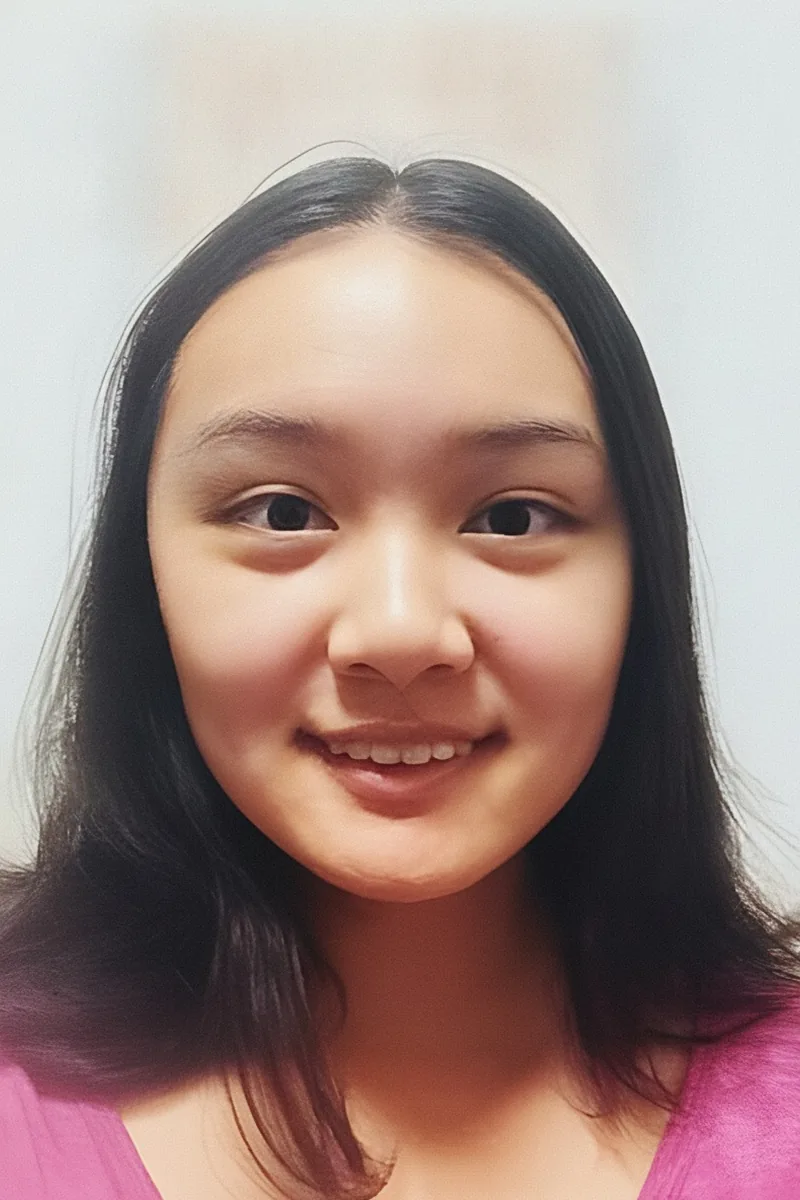
Minoring in Chinese at Northeastern while pursuing a pharmacy degree, Amy uses the language daily in academic contexts — reading research, discussing coursework — which builds the kind of formal register fluency the AP Chinese exam's interpretive reading and presentational writing sections actually test. Her 4.9 rating from students reflects a knack for breaking complex characters and grammatical structures into manageable patterns, and she draws on her own experience as a heritage learner to bridge gaps between conversational Mandarin and the academic-level precision the exam demands.

The AP Chinese Language and Culture exam tests more than vocabulary — it requires students to compare cultural practices, narrate stories in real time, and write structured responses under pressure. Yiyu, educated in Beijing before earning her M.S. in Education, unpacks the cultural knowledge embedded in each task type and drills the specific speaking and writing patterns that earn top scores.
Eileen scored well enough on the SAT Subject Test in Chinese with Listening to understand both the language mechanics and the test strategy behind AP Chinese. She tackles the interpersonal and presentational communication tasks by drilling real conversational patterns and teaching students how to structure spoken and written responses under timed conditions.
Growing up as a native Mandarin speaker and now studying computer science at Georgia Tech, Caleb brings an analytical mindset to the AP Chinese exam's listening comprehension section — breaking down how to process rapid formal Mandarin by isolating key structural cues rather than trying to translate every word. He's especially useful for students who speak conversational Mandarin at home but struggle with the exam's academic register and the presentational speaking prompts that demand organized, formal delivery under time pressure.
Fluent in Mandarin and experienced with the AP Chinese exam format, JF tackles the presentational writing and interpersonal speaking components that trip up even heritage speakers. He digs into the cultural comparison prompts specifically, showing students how to structure responses that hit every rubric criterion.
The AP Chinese Language and Culture exam uniquely blends language proficiency with cultural comparison, asking students to present on practices and perspectives across Chinese-speaking communities. Christina's Mandarin instruction spans beginner through advanced levels, giving her a clear sense of where students' gaps tend to hide — whether it's measure words, aspect markers, or the formal tone the exam's interpersonal writing section expects. She builds targeted practice around the exam's six themes so students aren't just fluent but exam-ready.
The AP Chinese Language and Culture exam tests more than vocabulary — it demands cultural literacy, formal writing conventions, and the ability to switch between interpersonal and presentational communication on the spot. May is a native speaker who has taught Mandarin at multiple levels and understands how to bridge the gap between conversational fluency and the precise, structured responses the exam rewards.
The AP Chinese exam tests far more than vocabulary recall — it demands cultural knowledge, formal register in writing, and the ability to compare Chinese and American perspectives in presentational speaking. Daniel, who has studied Mandarin through advanced levels, breaks down each exam section so students know exactly what the graders are looking for in their responses.
Charles speaks both Cantonese and Mandarin and teaches across all four Mandarin Chinese levels, which means he can pinpoint exactly where a student's tonal accuracy or grammatical structure needs tightening before exam day. His strongest contribution to AP Chinese prep is the interpersonal response tasks — he runs rapid-fire conversational drills that build the kind of spontaneous, register-appropriate Mandarin the exam scores highest.
After a decade teaching middle schoolers in a Chinese immersion school in California, Ruth knows exactly where students' spoken Mandarin starts to buckle under the pressure of timed AP tasks — especially the presentational speaking prompts that demand formal structure and clear tonal precision on the fly. She also taught History and Theater entirely in Chinese, which means her students get exposure to the kind of cross-disciplinary cultural vocabulary that the exam's reading and listening passages actually test. Rated 5.0 by students.
The cultural presentation component of AP Chinese Language and Culture catches many students off guard because it requires genuine knowledge of Chinese traditions, geography, and social customs — not just language proficiency. Christine grew up in Shanghai and brings firsthand cultural context to topics like festival traditions, family structures, and regional differences that students need for both the exam and the interpersonal tasks. Her native fluency means she can coach pronunciation and tonal accuracy in real time.
As a fluent Mandarin speaker studying at Columbia, Zhenyi knows firsthand what it takes to operate at a high level in both English and Chinese — and the AP Chinese exam tests exactly that kind of bilingual agility. She digs into the exam's interpersonal and presentational communication tasks, coaching students on formal register, cultural comparisons, and the idiomatic phrasing that separates a 4 from a 5. Her native fluency means she can catch tonal and grammatical subtleties that non-native instructors often miss.
Most AP Chinese prep zeroes in on language mechanics, but the exam's interpersonal speaking prompts also reward the kind of natural conversational flow that comes from genuine cultural immersion — something Yuyi brings as a native Mandarin speaker who also studied English and psychology at the university level. That dual-language academic background makes her especially effective at coaching students through the interpretive reading section, where parsing formal written Mandarin requires more than character recognition.
Xiansheng's cellular and molecular biology degree might seem like an odd fit here, but he teaches across five levels of Mandarin Chinese and scored 1450 on the SAT — the analytical rigor carries over directly to coaching the AP exam's interpretive reading section, where students must parse dense, formal Mandarin and extract meaning under strict time limits. He's especially useful for students whose conversational Mandarin is solid but who stumble on the written exam components that demand precise character recognition and grammatical accuracy. Rated 4.7 by students.
Testimonials
Because the right AP Chinese Language and Culture tutor makes all the difference.
Average Session Rating – Based on 3.4M Learner Ratings
Nearby AP Chinese Language and Culture Tutors
Other Boston Tutors
Related Languages Tutors in Boston
Frequently Asked Questions
The AP Chinese Language and Culture exam tests proficiency across five key areas: interpersonal communication (conversations and discussions), interpretive communication (reading and listening comprehension), and presentational communication (speaking and writing). The exam includes multiple-choice sections for reading and listening, plus free-response sections where you'll engage in conversations, write emails, and deliver oral presentations on cultural topics. Success requires not just language skills but also deep knowledge of Chinese culture, current events, and social practices.
Across Boston's 32 schools and 6 school districts, thousands of students are studying Chinese at various levels, with a growing number preparing for the AP exam. The Boston area has strong Chinese language programs, reflecting both the region's academic rigor and its diverse population. With an average student-teacher ratio of 11.2:1 in Boston schools, personalized 1-on-1 instruction can be especially valuable for AP Chinese students who need focused help with specific skills like tonal pronunciation or cultural context.
AP Chinese students typically struggle with three main areas: mastering tones and pronunciation accuracy (which affects listening and speaking scores), managing the volume of vocabulary and characters required (typically 2,500+ characters), and understanding cultural nuances needed for the presentational and interpersonal sections. Time management during the exam is also critical—the listening section moves quickly, and the free-response sections require organized, fluent responses. Personalized tutoring helps identify which specific skills need the most attention and creates targeted practice plans.
Score improvement depends on your starting point and how consistently you engage with tutoring. Students who work with tutors typically see the most gains by focusing on their weakest section—whether that's listening comprehension, writing fluency, or cultural knowledge—rather than trying to improve everything at once. Many students improve by 1-2 score points (on the 1-5 scale) over a few months of focused preparation, though some see even larger jumps when addressing fundamental skill gaps. The key is identifying exactly where you're losing points and building targeted practice around those areas.
Most students benefit from 3-4 months of focused AP Chinese preparation, though this varies based on your current proficiency level and how much you studied Chinese in previous years. If you're taking the course, you'll have the full school year, which allows time to build both language skills and cultural knowledge gradually. A typical preparation schedule includes weekly tutoring sessions, regular practice with past exam questions, consistent listening practice, and monthly practice tests to track progress and adjust your study plan as needed.
Work with a tutor to prioritize based on your diagnostic practice test results. If listening is weak, dedicate sessions to understanding rapid speech and regional accents; if speaking is the challenge, focus on fluency drills and cultural discussion topics; if writing lags, practice email and essay structures with feedback. Most students benefit from a mix of skill-building (pronunciation, grammar review) and exam-strategy work (understanding question formats, managing time during the speaking section). Your tutor can help you identify which sections will give you the biggest score boost with focused effort.
Practice tests are essential for AP Chinese because they reveal exactly which question types, cultural topics, or language skills are costing you points. Taking a full practice test every 2-3 weeks helps you understand the exam's pacing and format, especially for the listening section where you can't pause or replay. Beyond full tests, targeted practice with individual sections (like 10-minute listening drills or timed writing tasks) helps build confidence and speed. A tutor can review your practice test results to identify patterns in your mistakes and adjust your study plan accordingly.
The AP Chinese exam explicitly tests cultural understanding because language and culture are inseparable—you can't fully understand a conversation or write authentically without knowing the cultural context. Questions about holidays, social customs, historical events, and contemporary issues appear throughout the exam, especially in the interpersonal and presentational sections. Tutors help you build this knowledge by discussing real cultural topics, analyzing authentic Chinese media, and practicing how to express opinions on culturally relevant subjects—skills that boost both your language proficiency and your exam score.
Let’s find your perfect tutor
Answer a few quick questions. We’ll recommend the right plan and match you with a top 5% tutor.