Award-Winning AP Spanish Language & Culture Tutors
serving Boston, MA
AP Spanish Language & Culture
Tutors in Boston
Private 1-on-1 tutoring, weekly live classes for academic support, test prep & enrichment, practice tests and diagnostics, and more to elevate grades and test scores.
Based on 3.4M Learner Ratings
UniversitiesSchools & Universities
DeliveredHours Delivered
ProficiencyGrowth in Proficiency
Who needs tutoring?
No obligation. Takes ~1 minute.
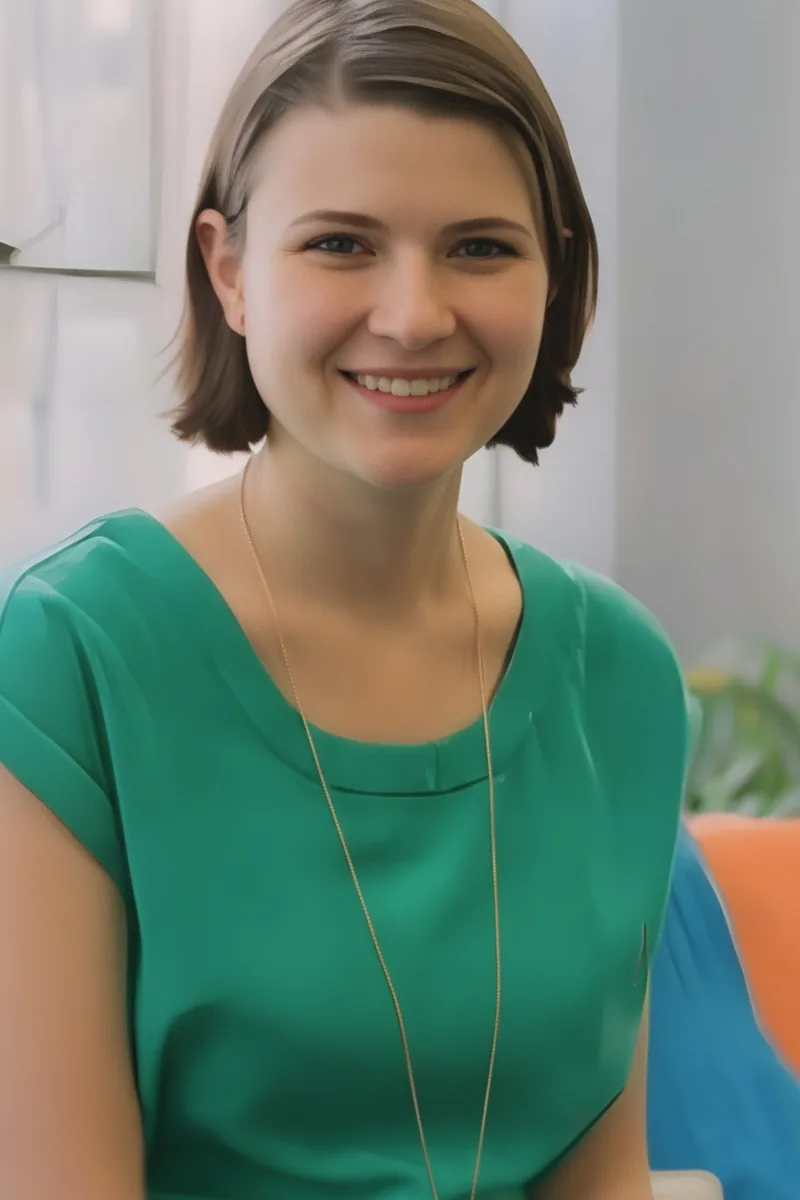
Living in Spain for six months gave Rebecca the kind of immersive fluency that AP Spanish Language & Culture demands — not just grammar accuracy, but the ability to navigate cultural comparisons and presentational speaking with confidence. She tackles the interpersonal and presentational writing tasks by teaching students how to integrate source material and build arguments entirely in Spanish. Her Notre Dame training in close reading also translates directly to the audio and print source analysis on the exam.
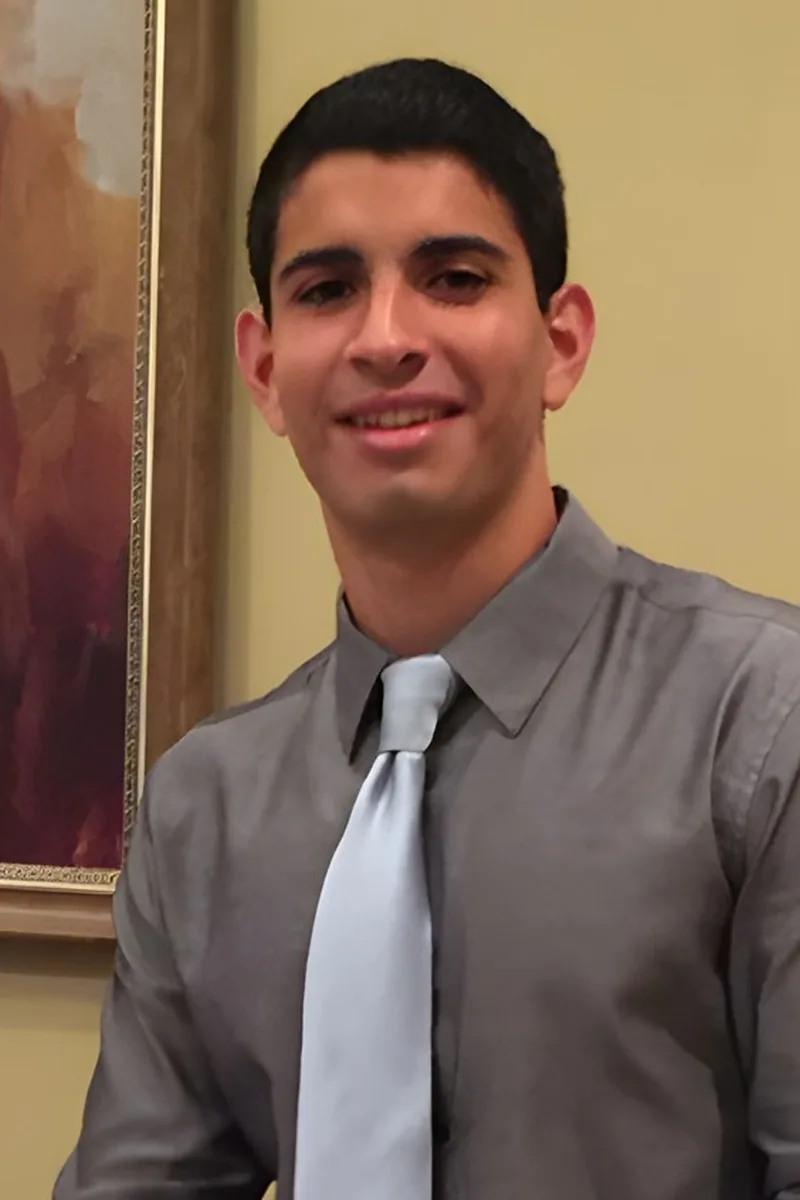
As a fluent Spanish speaker, Peter brings real-world command of the language to AP Spanish — not just textbook grammar but the idiomatic fluency the exam's interpersonal and presentational speaking tasks demand. He digs into the cultural comparison essay format, teaching students how to draw specific parallels between their own communities and Spanish-speaking cultures. That combination of linguistic comfort and exam strategy makes a measurable difference on test day.
Scoring well on AP Spanish Language & Culture means toggling between interpersonal conversation, presentational writing, and rapid-fire audio sources — often in the same exam session. Meagan majored in Spanish at the undergraduate level and has taught ESL, so she understands language acquisition from both directions and can pinpoint where a student's comprehension or production breaks down.
Native fluency changes everything in AP Spanish Language & Culture. Alex grew up speaking, reading, and writing Spanish at home, and his bilingual background means he can explain grammar from the inside — why the subjunctive feels natural in certain contexts, how register shifts between formal and informal speech, and what authentic source material actually sounds like. His English degree also sharpens the presentational writing and speaking skills the exam demands.
The AP Spanish Language & Culture exam tests far more than vocabulary — it demands persuasive essays, formal presentations, and the ability to synthesize Spanish-language sources on the fly. Samantha breaks each task type into concrete steps, from structuring an argumentative essay with transitional phrases to navigating the interpersonal speaking prompts with confidence. Her dual focus on English and Spanish gives her a sharp eye for the interference patterns that trip up bilingual writers.
Grant teaches Spanish across every level from 1 through 4 plus conversational and AP, which means he can quickly diagnose whether a student is struggling with foundational grammar — subjunctive triggers, preterite vs. imperfect — or with the higher-level task of producing formal register under timed conditions. His economics background also gives him a structured, analytical approach to the exam's persuasive essay, where organizing source material into a coherent argument matters as much as the Spanish itself. Rated 5.0 by students.
Having earned a BA in Spanish and studied the language at an advanced academic level, Steven knows exactly where the AP Spanish Language & Culture exam tries to trip students up — from interpreting audio sources in the interpersonal speaking task to weaving cultural comparisons into the presentational essay. He teaches students to think in Spanish rather than mentally translating from English, which is the single biggest factor in scoring well on timed prompts.
Having completed a Spanish major alongside neurobiology, Chris brings genuine bilingual fluency to AP Spanish Language & Culture prep. He tackles the interpersonal and presentational speaking tasks by drilling students on transitional phrases, register shifts, and cultural references that earn top scores. His approach to the audio-source synthesis essay is especially detailed, breaking down how to integrate listening material on the fly.
Molly holds degrees in Spanish from Columbia University, which gives her the academic grounding in grammar, composition, and literary analysis that AP Spanish Language & Culture's written and spoken tasks demand. Her classroom teaching experience across multiple grade levels means she quickly spots the structural weaknesses — verb tense confusion, weak transitions, underdeveloped cultural comparisons — that keep students from reaching a 4 or 5. Rated 5.0 by students.
Alex's chemical engineering and anthropology degrees from Washington and Lee make an unexpectedly useful pairing for AP Spanish — the engineering side builds systematic thinking about grammar structures like subjunctive triggers and pronoun placement, while the anthropology training sharpens the cultural analysis the exam's free-response prompts demand. He teaches Spanish 3 and 4, so he's already comfortable working at the level of complexity the AP exam expects in timed persuasive essays and spoken responses. Rated 4.8 by students.
Earning a strong score on AP Spanish Language & Culture means toggling between interpersonal conversation, presentational writing, and audio-source synthesis — often in the same exam sitting. Sarah's Spanish major and her background in international education give her native-level command of the language and a clear method for tackling the cultural comparison essay, which is where most students lose points.
Gus teaches Spanish across all four levels plus conversational Spanish, and his History degree means he's already wired to think about how cultural contexts shape language — a skill that directly feeds the AP exam's cultural comparison free-response. He approaches the interpersonal speaking and listening tasks by turning grammar patterns into narrative logic, making subjunctive triggers and register shifts stick the way a good story does rather than a conjugation chart.
Fluent in Spanish after living in a Spanish-speaking country, Lisanne brings real-world command of the language to AP Spanish prep — not just textbook knowledge. She tackles the exam's trickiest components, like the persuasive essay and cultural comparison, by teaching students to think and organize ideas directly in Spanish. Her experience tutoring every level from Spanish 1 through AP means she quickly identifies the grammar gaps holding a student back from a top score.
Courtney minored in Spanish during her sociology degree, which means she's comfortable navigating both the language mechanics and the cross-cultural analysis the AP exam demands — particularly the cultural comparison task, where sociological thinking gives her a distinct edge. She also teaches CLEP Spanish and the SAT Subject Tests in Spanish, so she's used to coaching students through timed, high-stakes language assessments where formal register and quick recall matter. Rated 5.0 by students.
Speaking five languages — Gujarati, Hindi, Spanish, Arabic, and French — gives Sahar an intuitive grasp of how Spanish grammar and idiomatic expression actually work in conversation, not just on paper. She digs into the interpersonal and presentational communication modes the AP exam tests, from crafting persuasive essays with proper subjunctive usage to navigating audio sources on cultural topics. Rated 5.0 by students.
Milan's double major in Computer Science and English might seem unrelated to Spanish, but teaching across six Spanish levels — from Spanish 1 through AP — means he knows exactly which grammar gaps trip students up on timed free-response tasks. His English background sharpens how he coaches the persuasive essay's argument structure, while his conversational Spanish teaching keeps the interpersonal speaking prep grounded in real communication rather than rehearsed scripts.
A year as an exchange student at the University of Puerto Rico — taking courses in Spanish linguistics, business Spanish, and constitutional law entirely in Spanish — gave Chiquita the kind of immersive academic fluency that the AP exam's timed persuasive essay and presentational speaking tasks demand. She later earned a graduate certificate in Spanish Interpretation and Translation from UCLA, training that sharpened her ability to move between registers and process Spanish at speed, which is exactly what the interpretive listening section requires. Rated 5.0 by students.
Testimonials
Because the right AP Spanish Language & Culture tutor makes all the difference.
Average Session Rating – Based on 3.4M Learner Ratings
Nearby AP Spanish Language & Culture Tutors
Other Boston Tutors
Related Languages Tutors in Boston
Frequently Asked Questions
AP Spanish Language & Culture tutoring focuses on the five key skills tested on the exam: listening, reading, writing, speaking, and cultural analysis. A tutor will help you develop proficiency across all sections, with particular emphasis on the areas where you need the most support—whether that's mastering the subjunctive mood, improving your conversational fluency, or analyzing authentic Spanish-language texts. Sessions typically include targeted practice with past exam questions, timed drills to build test-taking speed, and personalized feedback on your speaking and writing samples.
Score improvement depends on your starting level and how consistently you engage with tutoring and practice. Students who work with a tutor for 2-3 months before the exam typically see meaningful gains, especially if they combine tutoring sessions with regular independent practice using released exam materials. Many students improve by 1-2 score points (on the 1-5 scale), which can mean the difference between a 3 and a 4, or a 4 and a 5. The key is identifying your specific weak areas early—whether it's the free response writing section, the listening comprehension portion, or cultural analysis—and targeting those systematically.
Most students find the free response speaking section (the interpersonal and presentational speaking tasks) and the written essay most demanding because they require you to produce language under time pressure, not just recognize it. The listening section also trips up many test-takers because you hear authentic Spanish at natural speed with regional accents and colloquial language. Additionally, the cultural analysis questions require both strong reading comprehension and deep knowledge of Spanish-speaking cultures—not just grammar. A tutor can help you practice these high-pressure sections repeatedly so you build confidence and develop effective strategies for each format.
Most students benefit from starting tutoring 3-4 months before the May exam, though this varies based on your current proficiency level. If you're already a strong speaker and reader, you might need focused help for 2-3 months on test-specific strategies and timed practice. If you're working toward fluency, a longer timeline gives you time to build foundational skills while also preparing for the exam's specific demands. Consistency matters more than duration—regular weekly sessions combined with your own practice between appointments will yield better results than cramming closer to test day.
Practice tests are essential because they help you understand the exam's format, pacing, and question types while identifying your specific weak areas before test day. The AP Spanish exam has distinct sections with different time constraints—the reading and listening portions are timed, and the speaking sections require you to respond within set timeframes—so practicing under realistic conditions is crucial. Varsity Tutors connects you with tutors who can review your practice test results with you, pinpoint patterns in your mistakes, and help you develop targeted strategies to address them. Ideally, you should complete at least 2-3 full practice tests in the weeks leading up to the exam.
Speaking anxiety is common, but it diminishes significantly with repeated practice in a low-pressure environment. A tutor can conduct mock speaking tasks that mirror the actual exam format, giving you a chance to practice your responses, receive feedback, and build confidence before test day. Breaking the speaking sections into smaller, manageable pieces—like practicing the interpersonal conversation for 5 minutes at a time, then the presentational speaking separately—makes the task feel less overwhelming. Over time, as you practice more and see yourself improving, anxiety typically decreases and your fluency naturally increases.
Varsity Tutors connects Boston students with expert tutors who specialize in AP Spanish Language & Culture. You can get matched with a tutor who has proven experience helping students prepare for the exam, understands the specific challenges of the test format, and can tailor instruction to your learning style and goals. When you connect with Varsity Tutors, you'll be paired with someone who can work with your schedule and focus on the areas where you need the most support, whether that's grammar, conversation, or test-taking strategy.
The AP Spanish exam explicitly tests cultural knowledge, particularly in the free response writing and speaking sections where you're asked to compare your own culture with Spanish-speaking cultures. You don't need to be an expert, but you should be familiar with major historical events, contemporary issues, artistic contributions, and social practices in Spanish-speaking countries. A tutor can help you build this knowledge efficiently by connecting cultural topics to the language skills you're already developing, and by teaching you how to discuss culture authentically in Spanish during the exam's speaking and writing tasks.
Let’s find your perfect tutor
Answer a few quick questions. We’ll recommend the right plan and match you with a top 5% tutor.