Award-Winning AP Spanish Literature and Culture Tutors
serving Baltimore, MD
AP Spanish Literature and Culture
Tutors in Baltimore
Private 1-on-1 tutoring, weekly live classes for academic support, test prep & enrichment, practice tests and diagnostics, and more to elevate grades and test scores.
Based on 3.4M Learner Ratings
UniversitiesSchools & Universities
DeliveredHours Delivered
ProficiencyGrowth in Proficiency
Who needs tutoring?
No obligation. Takes ~1 minute.
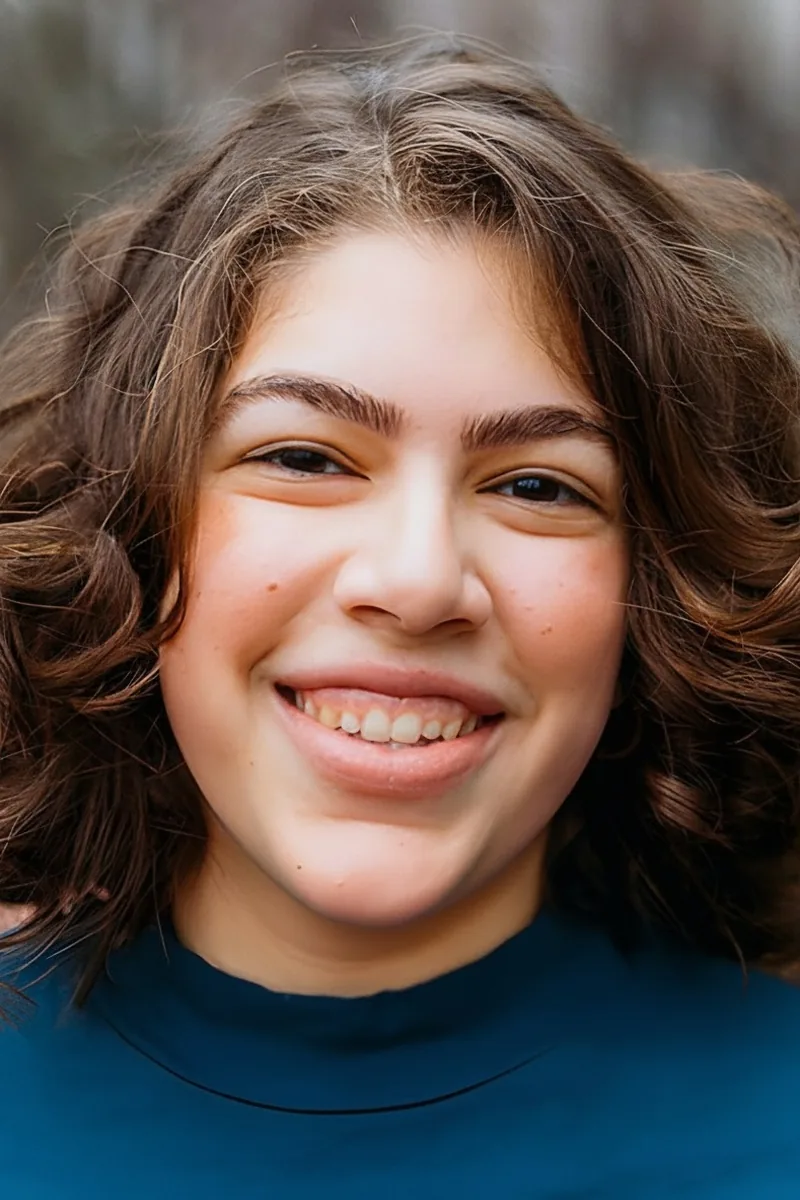
Born and raised in San Juan, Puerto Rico, Carla is a native Spanish speaker whose theater background gives her a distinctive angle on literary analysis — she teaches students to read dramatic texts like *La casa de Bernarda Alba* and poetry by Sor Juana as living performances, not just words on a page. That instinct for voice, tone, and subtext translates directly to the close-reading and essay skills the AP exam rewards. Rated 5.0 by students.
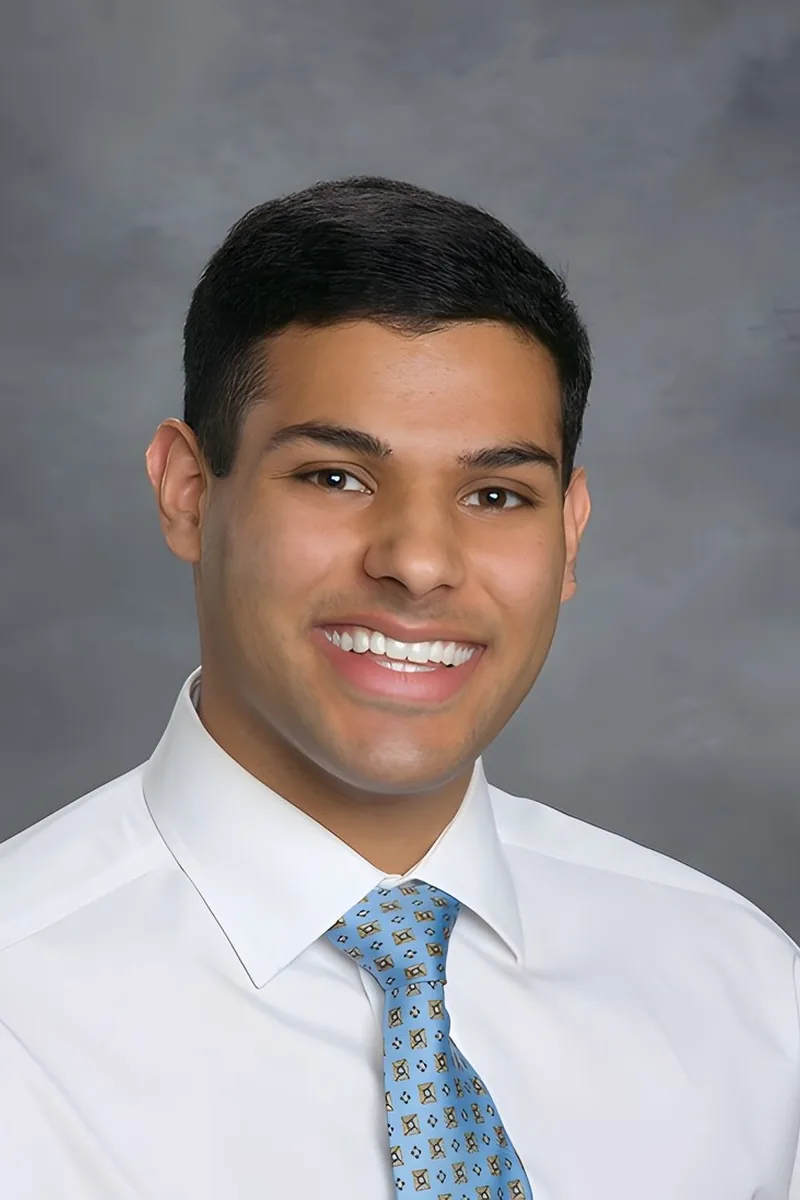
Learning Spanish from scratch starting in second grade and continuing through a medical Spanish interpreting internship at Rice, Sanjay knows exactly where non-native speakers stumble when reading dense literary texts — the archaic syntax in a Cervantes passage or the layered metaphor in a Darío poem. That outsider-turned-fluent trajectory gives him a toolbox of strategies for breaking down AP reading list works into manageable pieces, especially for students who feel intimidated writing timed analytical essays entirely in Spanish. His biochemistry and molecular biology degree from Rice also means he's no stranger to rigorous close reading across disciplines.
Studying at a university in Chile didn't just make Elana fluent — it immersed her in the Latin American literary and cultural landscape that dominates much of the AP reading list. Her training in the Organic World Languages method at Oberlin, where the emphasis is on producing meaningful Spanish in context, shapes how she coaches essay writing: students learn to construct analytical arguments in Spanish that sound like real literary commentary, not translated English. Rated 5.0 by students.
Margaret's psychology training gives her a specific angle on AP reading list texts — she teaches students to analyze how authors construct identity, trauma, and power dynamics in works by Burgos, Quiroga, and others, building the kind of psychologically grounded arguments that stand out in timed free-response essays. Her Spanish coursework through AP-level and her 1550 SAT sharpen the analytical reading and structured writing skills the exam demands, even if literature isn't her primary lane.
Richard's engineering background at the University of Tulsa might seem far from literary analysis, but his Spanish coursework through advanced levels and his instinct for systematic problem-solving give him a practical angle on the AP exam's timed essays — particularly breaking a prompt into a clear thesis, supporting claims, and organizing evidence under pressure. He's upfront that this isn't his deepest subject, so he's best suited for students who already read comfortably in Spanish and need help with the structural mechanics of constructing analytical arguments on exam day.
Living and traveling in Spanish-speaking countries while pursuing Latin American Studies at Wesleyan gave Reta firsthand immersion in the cultural movements — from colonial legacies to contemporary identity politics — that run through the AP reading list. She's taken both the AP Spanish Language and Literature exams herself and spent a semester tutoring a high school student one-on-one, so she knows where the gap between reading comprehension and genuine literary analysis tends to open up. Her government coursework also sharpens how she teaches students to read texts as arguments about power and society, which strengthens thematic essay writing.
Having double-majored in Spanish at Washington University, Megan brings deep literary fluency to AP Spanish Literature and Culture — from close reading of García Márquez's magical realism to analyzing the cultural context behind Sor Juana's poetry. She walks students through the essay and presentational speaking rubrics so they know exactly what earns top scores on exam day.
Reading and writing are Daniela's home base — she's an English major with a 1560 SAT who also tutors across four levels of Spanish, from introductory through AP. For this exam, that combination means she can coach students on the literary analysis and essay-writing mechanics (thesis construction, evidence integration, argumentative flow) while working through the Spanish-language texts on the reading list. Her cross-language fluency keeps sessions grounded in both the literature and the language it's written in.
As a native Spanish speaker studying at Yale, Stephanie brings both cultural fluency and literary analysis skills to AP Spanish Literature and Culture — from close readings of García Márquez and Sor Juana to writing persuasive essays in Spanish about themes like "las sociedades en contacto." Her IB Diploma background means she's intimately familiar with the kind of rigorous textual analysis the AP exam demands. Rated 5.0 by students.
Growing up as a native speaker of Spanish and Galician — two languages with deeply intertwined literary traditions — Andrea brings an intuitive ear for the register shifts, regional idioms, and poetic rhythms that surface in AP reading list texts from both Peninsular and Latin American canons. Her International Relations studies at Princeton, paired with a certificate in Spanish, trained her to read literature through the political and social forces behind it, which strengthens the kind of culturally grounded essay arguments the free-response section rewards. Rated 5.0 by students.
International Relations coursework gives Patrick a lens into the political and social forces behind Latin American and Spanish literary movements — useful context when essays on the AP reading list demand more than surface-level textual analysis. His Spanish studies through AP-level coursework and beyond mean he can conduct close reading and essay practice in the target language, connecting works to the broader historical currents his IR training covers.
A double major in Spanish and Government means Sarah studied the language at an advanced level while also learning to build the kind of thesis-driven, evidence-based arguments that the AP exam's free-response essays demand. She's taught across every level of Spanish from introductory through AP Literature and Culture, so she knows exactly where students stumble — whether it's parsing Sor Juana's baroque syntax or structuring a timed essay on "el tiempo y el espacio" without slipping into summary. Rated 5.0 by students.
Testimonials
Because the right AP Spanish Literature and Culture tutor makes all the difference.
Average Session Rating – Based on 3.4M Learner Ratings
Other Baltimore Tutors
Related Languages Tutors in Baltimore
Frequently Asked Questions
AP Spanish Literature and Culture focuses on reading, analyzing, and discussing literary texts in Spanish across six thematic units: family and community, personal and public identities, folklore and cultural perspectives, beauty and aesthetics, science and technology, and contemporary social issues. Students engage with poetry, drama, short stories, and essays from Spanish-speaking countries, developing critical thinking skills alongside language proficiency. The course emphasizes cultural understanding and the ability to interpret complex texts with nuance.
The exam consists of two main sections: a multiple-choice section (50% of your score) with reading comprehension passages, and a free-response section (50% of your score) with essay writing tasks. You'll have 3 hours total to complete the exam, with time to read passages carefully, analyze literary devices, and compose well-organized essays in Spanish. Understanding the timing and format of each section is crucial for managing test anxiety and maximizing your score.
Many students struggle with literary analysis in a second language—identifying symbolism, tone, and cultural context while reading at AP level requires both strong Spanish skills and analytical thinking. The free-response essays demand sophisticated vocabulary and grammatical accuracy under time pressure, which can feel overwhelming. Additionally, understanding cultural references and historical contexts from diverse Spanish-speaking regions takes dedicated study beyond typical language courses.
Varsity Tutors connects you with expert tutors who can break down complex literary texts, teach you strategies for analyzing poetry and prose, and help you develop confident essay-writing skills in Spanish. Personalized 1-on-1 instruction allows you to focus on your specific weak areas—whether that's understanding metaphor, mastering essay structure, or building vocabulary for literary discussion. Regular practice with authentic AP-level passages and timed essays, guided by a tutor, builds both competence and confidence before test day.
Score improvement depends on your starting point and how consistently you engage with tutoring, but students typically see meaningful gains—often 1-2 points on the AP 5-point scale—when they work with a tutor over several months. The key is combining focused instruction on weak areas with regular practice tests and essay writing. Consistent effort, combined with expert guidance on test-taking strategies and literary analysis techniques, creates the conditions for real improvement.
Successful essays require a clear thesis, specific textual evidence (quotes or references), and analysis of literary devices—all in Spanish. Tutors can teach you how to quickly identify a passage's main idea, plan your essay structure in 2-3 minutes, and write persuasively within the time limit. Practicing essay outlines and timed writing sessions with feedback helps you develop speed and accuracy, reducing anxiety and improving your ability to articulate complex literary interpretations under pressure.
Cultural context is essential—the AP exam expects you to connect literary texts to the historical, social, and cultural circumstances of Spanish-speaking regions. Understanding why an author made certain choices, what themes matter in their culture, and how literature reflects identity enriches your analysis and helps you write more sophisticated essays. A tutor familiar with Hispanic literature and culture can help you build this contextual knowledge alongside your reading skills.
Ideally, you should begin tutoring at the start of the school year to build strong analytical skills and vocabulary throughout the course. However, even if you're closer to exam day, focused tutoring can help you review key texts, refine essay writing, and practice test-taking strategies. For Baltimore students with an average student-teacher ratio of 14.8:1 in our schools, personalized tutoring provides the individual attention needed to master this challenging AP course and feel confident on test day.
Let’s find your perfect tutor
Answer a few quick questions. We’ll recommend the right plan and match you with a top 5% tutor.