Award-Winning German Tutors
serving Chicago, IL
German
Tutors in Chicago
Private 1-on-1 tutoring, weekly live classes for academic support, test prep & enrichment, practice tests and diagnostics, and more to elevate grades and test scores.
Based on 3.4M Learner Ratings
UniversitiesSchools & Universities
DeliveredHours Delivered
ProficiencyGrowth in Proficiency
Who needs tutoring?
No obligation. Takes ~1 minute.
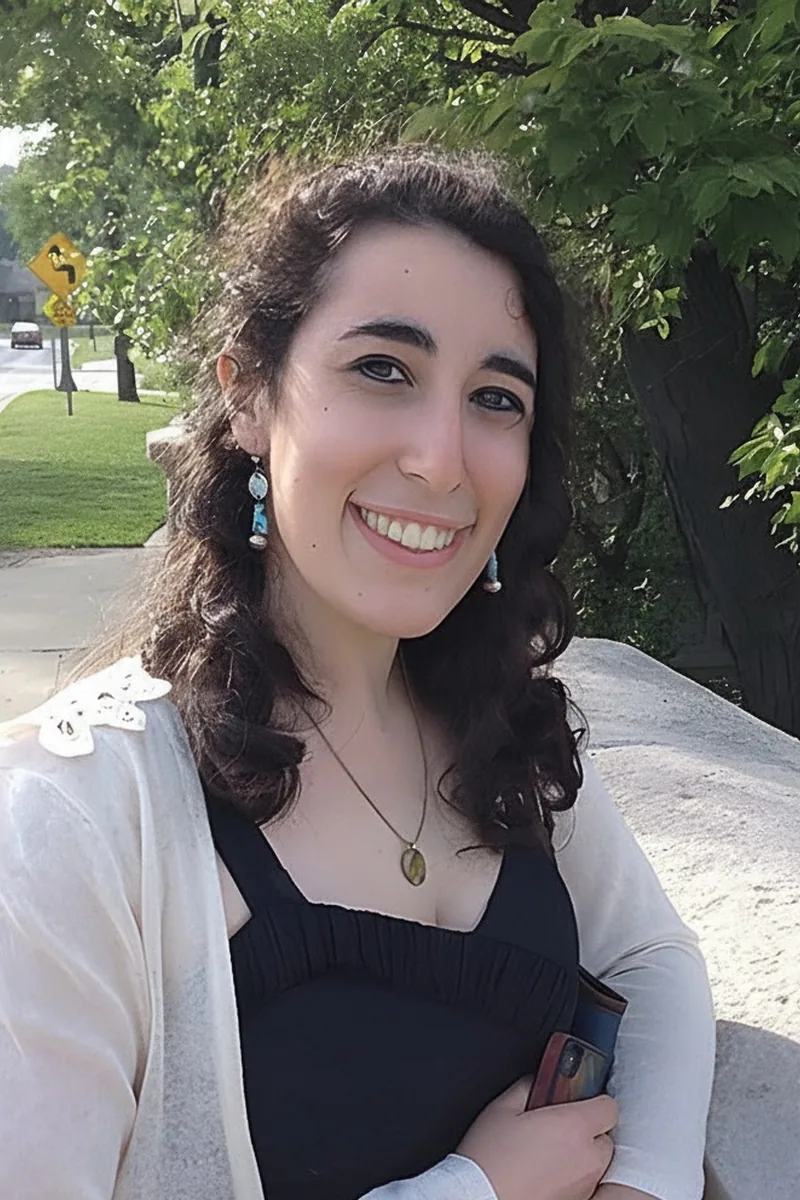
Between her Northwestern coursework and studies in German-language opera repertoire — from Mozart to Strauss — Ilana developed a working fluency that goes beyond classroom German. She tackles tricky grammar concepts like case endings and separable verbs by connecting them to patterns students already recognize, making the logic of German sentence structure feel less foreign. Rated 5.0 by students.
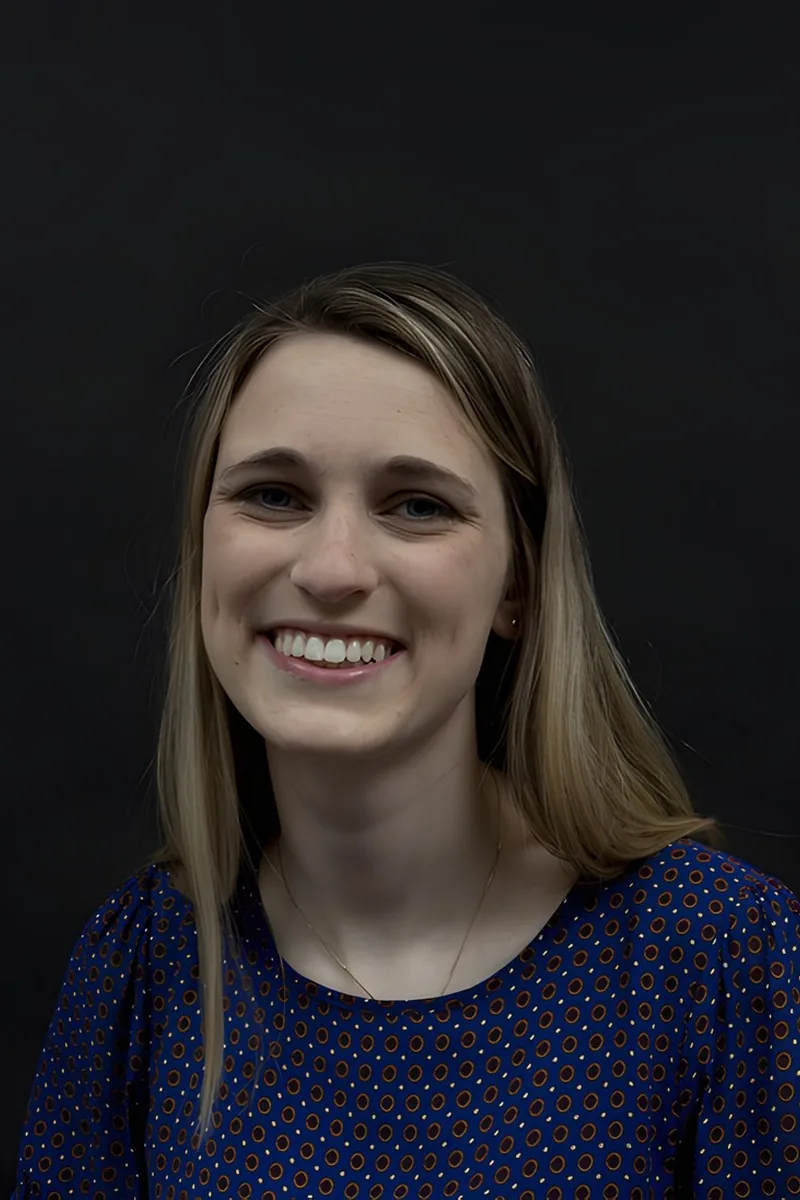
Amber majored in German at Northwestern, which means she didn't just study the language — she read novels, wrote research papers, and debated in it. She teaches grammar concepts like case endings and word order through pattern recognition, showing students the underlying logic so they can construct sentences on their own instead of relying on memorization tables.
German's case system and word-order rules intimidate a lot of learners, but Elise approaches them as a linguist — explaining the underlying logic of accusative versus dative, or why the verb jumps to the end in subordinate clauses. Her coursework through German 4 means she can take students from basic declensions all the way through complex literary and academic texts.
Having lived in Germany for a year and studied German diction as part of his vocal performance training, Andrew brings both textbook grammar and real-world fluency to the language. He's especially strong on the pronunciation challenges that trip up English speakers — vowel length, umlauts, the ch sounds — because his ear is trained to hear and correct subtle phonetic differences. His systematic approach to cases, verb conjugation, and sentence structure gives students a framework they can build on at every level.
Kathryn's engineering background means she approaches German the same way she approaches a technical problem — by identifying the underlying structure first. She zeroes in on verb placement rules and sentence architecture, treating German's rigid syntax as a system to decode rather than a list of exceptions to memorize. Rated 5.0 by students.
German's case system and word order rules intimidate a lot of new learners, but Beth earned her bachelor's degree in the language and knows exactly where students tend to get tangled — dative prepositions, adjective endings, subordinate clause structure. She unpacks the underlying logic of German grammar so each new rule feels like an extension of something already learned rather than another item to memorize.
Grace brings structured thinking and high energy to German lessons, tackling everything from noun genders and case endings to building conversational confidence. While her primary academic focus is American Studies, her experience teaching across multiple subjects means she knows how to break down tricky grammar rules and make vocabulary practice stick.
German's case system and word order trip up almost every learner at some point — accusative versus dative, verb placement in subordinate clauses, adjective endings that seem to follow no pattern. Jhanelle, who holds a degree in German Studies, breaks these grammar rules into logical systems and builds conversational confidence alongside them so students can actually use what they learn.
Learning German grammar — cases, gendered nouns, verb conjugation patterns — rewards the kind of systematic, rule-based thinking that comes naturally to an engineering student. Ash teaches German by breaking down sentence structure into predictable patterns, making the dative-versus-accusative distinction or separable-prefix verbs feel more like logic puzzles than rote memorization.
German's case system and word order rules trip up most English speakers early on, and Shannon breaks these down by pattern rather than by exception list — teaching students to internalize why "dem Hund" makes sense in context. She covers everything from basic conversational vocabulary to the grammatical structures needed for reading and writing at a more advanced level.
German's case system trips up English speakers because suddenly every noun's role in a sentence changes the article in front of it. Andrew unpacks accusative, dative, and genitive cases by connecting them to the underlying logic of how languages assign meaning to word order and inflection — a perspective that comes directly from his linguistics training.
German's case system and verb placement rules trip up nearly every beginner, but they follow a logic that becomes intuitive with the right explanations. Alice teaches German at multiple levels and breaks down concepts like accusative vs. dative usage through pattern recognition rather than rote chart memorization. Her conversational teaching style means grammar drills feel more like a dialogue than a worksheet.
Kate's ESL teaching background gives her a sharp understanding of how language acquisition actually works — the grammar patterns, pronunciation hurdles, and vocabulary-building strategies that apply whether someone is learning English or German. She brings that structured, patient approach to German learners working on case endings, verb conjugation, and sentence construction.
Learning multiple languages — Mandarin, Japanese, French, and German — gave Jacob firsthand insight into what makes German grammar click for English speakers and where the friction points are. He tackles case endings, word order, and verb conjugation by drawing comparisons across languages, which makes abstract rules more concrete. Students consistently rate him 5.0.
A Master's degree in Germanic Languages from Columbia, combined with years living and teaching in Austria, means Jacquelyn doesn't just know textbook German — she knows how dative prepositions sound in a Salzburg café and why Konjunktiv II matters in real conversation. She scored highly enough on the SAT Subject Test in German with Listening to tutor it, and she tackles everything from case endings to advanced reading comprehension.
Teaching German at every level from beginner to advanced, Nadja is a native-level speaker who understands the grammar hurdles — case endings, separable verbs, subordinate clause word order — that trip up English speakers most. She integrates conversation practice with structured grammar drills so students build fluency and accuracy at the same time.
German's case system and word order trip up almost every English speaker, but those patterns become predictable once a student understands the underlying logic. Nicole teaches German at multiple levels — from basic noun genders and accusative/dative distinctions through advanced reading and composition — drawing on her formal linguistics training to make the grammar feel like a puzzle rather than a burden. Her 4.9 rating speaks to how well that analytical approach lands with students.
Cornelia teaches German across all four levels, from nominative case basics to navigating subordinate clauses and the subjunctive mood. She integrates games, images, and cultural context into grammar-heavy lessons — an approach that keeps vocabulary and case endings from feeling like pure memorization. Her 5.0 rating speaks to how well that method lands with students.
Nicholas's primary expertise is in mathematics and statistics, not German — but he's conversational in the language and brings the same structured, analytical thinking that defines his math tutoring to learning grammar rules and vocabulary. For students who respond better to logical pattern-based explanations of things like case endings and verb placement, his approach can be a surprisingly good fit.
Studying German at Carleton College means Amanda uses the language daily — in coursework, in conversation, and in reading original texts. She walks students through everything from noun cases and gendered articles in German 1 to more complex subordinate clause structures in German 2, building each lesson around practical usage so grammar rules actually stick.
As a native German speaker from Austria, Silvia teaches the language the way it's actually spoken — with attention to cases, gendered articles, and verb placement that trips up English speakers most. She tutored her own son in German for four years to maintain his fluency, so she understands exactly where American students stumble with dative versus accusative or separable prefix verbs. Her 5.0 rating speaks to how naturally she makes those tricky grammar patterns stick.
German isn't Lesleigh's core subject, but her graduate training in classical and modern languages gives her a strong grasp of how Germanic grammar systems work — case endings, word order, and verb placement that trip up English speakers. She approaches German the way she approaches Latin: by teaching students to recognize structural patterns rather than memorize phrase lists.
Joel brings structured thinking to German grammar — tackling case endings, verb conjugations, and sentence structure with the same logical precision he applies to his physics work at Cornell. He's particularly effective at demystifying the dative and accusative cases, which trip up most English-speaking learners early on.
Testimonials
Because the right German tutor makes all the difference.
Average Session Rating – Based on 3.4M Learner Ratings
Nearby German Tutors
Other Chicago Tutors
Related Languages Tutors in Chicago
Frequently Asked Questions
In a typical Chicago classroom with a 17.7:1 student-teacher ratio, students get limited opportunity to practice speaking German. With personalized 1-on-1 instruction, you get dedicated conversation practice tailored to your level—whether you're building confidence with basic phrases or refining fluency for advanced discussions. Tutors can provide immediate feedback on pronunciation, help you think through responses naturally, and create scenarios that match your real-world goals, from travel preparation to professional communication.
German grammar—particularly the four cases (nominative, accusative, dative, genitive) and verb conjugation—is challenging because it requires both rule memorization and intuitive understanding. Personalized tutoring helps by breaking down these patterns into manageable pieces, showing you how cases work in real sentences rather than just memorizing tables, and using spaced repetition to reinforce what you've learned. Tutors can identify which grammar concepts are giving you the most trouble and focus practice there, rather than spending time on concepts you've already mastered.
Vocabulary sticks best when you encounter words in meaningful context and use them repeatedly over time. A tutor can help you build vocabulary around topics relevant to your interests—whether that's sports, business, or daily life—and create practice routines using retrieval techniques like spaced repetition and practice testing. Rather than memorizing isolated word lists, you'll learn vocabulary through conversation, reading, and writing, which makes it more memorable and useful.
Yes. Language and culture are deeply connected, and understanding German culture—from social customs to media and literature—makes learning more meaningful and helps you use the language authentically. Tutors can weave cultural elements into lessons through authentic materials like German news articles, films, or music, explain cultural nuances in communication, and help you understand why certain phrases are used in specific contexts. This approach builds both language skills and cultural competence.
Absolutely. Whether you're working through German I, II, III, or AP German coursework in one of Chicago's 12 school districts, a tutor can support your classroom learning by clarifying concepts, preparing you for tests and presentations, and helping you with written assignments. Tutors understand typical German curriculum progression and can help you master the skills your course requires while also building confidence in all four language skills—reading, writing, speaking, and listening.
Pronunciation in German involves specific sounds that don't exist in English—like the guttural 'ch' or the umlauts ä, ö, ü—and these take deliberate practice to master. A tutor can model correct pronunciation, listen to your speech, give you specific feedback on which sounds need work, and provide targeted exercises to help you develop a more natural accent. Regular conversation practice with immediate correction helps train your ear and mouth to produce German sounds more naturally over time.
Reading and writing in German require understanding grammar structures, building vocabulary, and developing confidence with the written language. Tutors can guide you through authentic German texts at your level, help you understand complex sentence structures, and provide feedback on your writing to improve clarity and accuracy. Whether you're working on essay writing for a class or building reading comprehension for exams, personalized instruction helps you progress faster than self-study alone.
Reaching conversational fluency generally requires 600-750 hours of study and practice according to language learning research. With consistent personalized tutoring—combining focused instruction with regular practice—many students reach conversational ability in 6-12 months, depending on their starting level and practice frequency. The key is consistent, quality practice combined with expert guidance that targets your specific gaps and keeps you progressing efficiently.
Let’s find your perfect tutor
Answer a few quick questions. We’ll recommend the right plan and match you with a top 5% tutor.