Award-Winning AP Spanish Language & Culture Tutors
serving Chicago, IL
AP Spanish Language & Culture
Tutors in Chicago
Private 1-on-1 tutoring, weekly live classes for academic support, test prep & enrichment, practice tests and diagnostics, and more to elevate grades and test scores.
Based on 3.4M Learner Ratings
UniversitiesSchools & Universities
DeliveredHours Delivered
ProficiencyGrowth in Proficiency
Who needs tutoring?
No obligation. Takes ~1 minute.
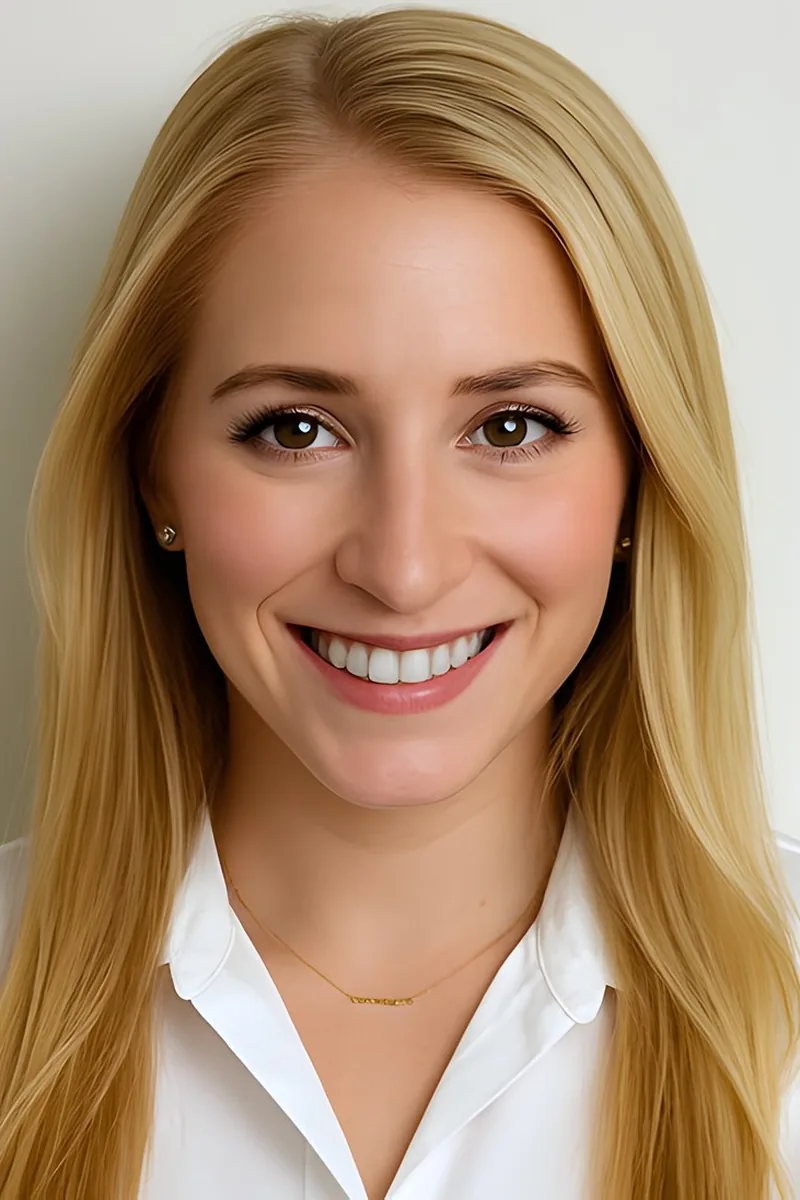
Molly holds degrees in Spanish from Columbia University, which gives her the academic grounding in grammar, composition, and literary analysis that AP Spanish Language & Culture's written and spoken tasks demand. Her classroom teaching experience across multiple grade levels means she quickly spots the structural weaknesses — verb tense confusion, weak transitions, underdeveloped cultural comparisons — that keep students from reaching a 4 or 5. Rated 5.0 by students.
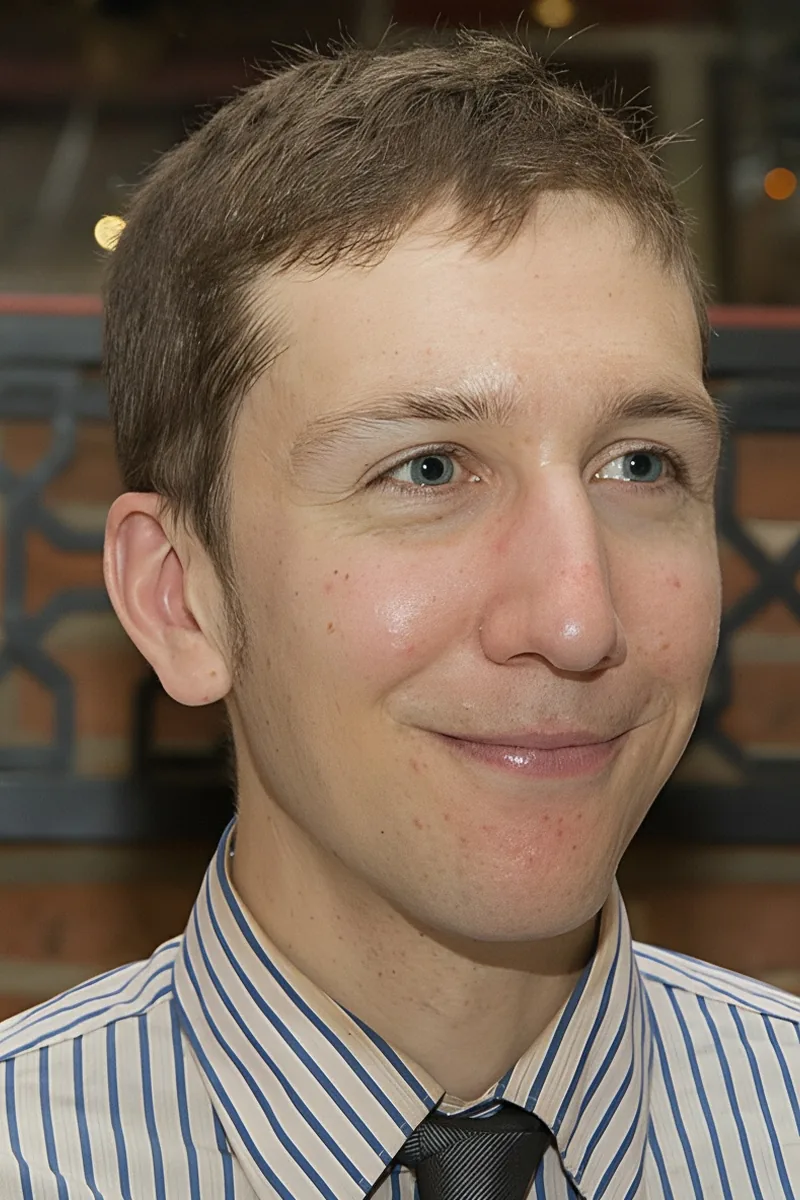
Gabriel's PhD work in Comparative Human Development at the University of Chicago means he approaches the AP Spanish exam's cultural comparison task through an academic lens most tutors can't offer — he's trained to analyze how cultural practices differ across communities, which is exactly what that free-response prompt asks students to do. He teaches Spanish 2 through 4, so he knows which grammar foundations need tightening before students can write a persuasive essay in formal register under timed conditions. Rated 5.0 by students.
Growing up bilingual with dual US-Chilean citizenship, Camilla didn't just learn Spanish at home — she pursued it academically through advanced language and literature coursework. For AP Spanish Language & Culture, she tackles the presentational writing and interpersonal speaking tasks by grounding students in the cultural contexts that make their responses authentic and nuanced.
Richard earned the highest scores on the AP Spanish exam with listening after double-majoring in Spanish at Emory and studying in Spain. He tackles the presentational writing and interpersonal speaking tasks by drilling the idiomatic expressions, subjunctive constructions, and cultural references that push students from competent into the 4–5 scoring range.
Success on the AP Spanish Language exam comes down to thinking in Spanish — not translating from English in your head. Iris builds this fluency by connecting language practice to real cultural content: interpreting audio sources, writing persuasive emails, and constructing spoken presentations on topics like science, community, and global challenges. Her background in anthropology also gives her a genuine comfort with the cultural comparison tasks the exam emphasizes.
Growing up as a native Spanish speaker and then formally studying the language through a Hispanic Studies degree gives Mercedes something the AP exam's interpersonal speaking tasks reward — an instinct for when to shift between informal conversational register and the polished, formal tone the persuasive essay demands. She's a certified high school teacher who also holds a master's in literature, so she approaches the exam's source-synthesis writing tasks the way she'd teach a close reading: pulling evidence, structuring an argument, and controlling tone under timed pressure.
Earning a doctorate in Spanish & Portuguese required Casey to operate at full academic fluency — presenting research, debating theory, and writing at the highest register. She channels that depth into AP Language prep, drilling students on the interpersonal speaking prompts, persuasive essay structures, and audio-source synthesis that make up the exam's trickiest sections.
This isn't Marvin's core subject — his University of Chicago economics degree and current elementary teaching work sit outside the language space. That said, he's listed for AP Spanish Language & Culture alongside broader test prep and study skills, so he can support students on the structural side: organizing persuasive essay outlines, building timed-response strategies, and strengthening the analytical habits the cultural comparison task rewards.
An anthropology doctoral graduate from the University of Arizona, Marijke brings a researcher's instinct for cultural analysis to AP Spanish prep — the kind of thinking that elevates a cultural comparison response from surface-level observation to nuanced argument. She teaches Spanish across all four levels plus conversational Spanish, so she can pinpoint exactly where a student's grammar or register needs tightening before tackling the exam's timed persuasive essay. Rated 5.0 by students.
Juan teaches Spanish across every level — 1 through 4, conversational, and AP — and also tutors college essays and essay editing, which means he's unusually comfortable coaching the AP exam's written tasks where students have to construct a persuasive argument in formal Spanish under time pressure. His painting and studio art background adds a creative dimension to how he approaches the cultural comparison prompt, pushing students to draw on visual and artistic traditions rather than defaulting to generic examples.
Medical school in Chicago keeps Caroline juggling multiple languages daily — she double-majored in Chinese at Notre Dame while also building fluency in Spanish through her coursework up to Spanish 3. That multilingual wiring means she approaches AP Spanish prep by connecting how languages share structural logic, breaking down things like conditional chains and register shifts through cross-linguistic patterns rather than rote drilling. Rated 5.0 by students.
Two years living and teaching in Nicaragua gave Amanda the kind of fluency the AP Spanish Language & Culture exam is actually testing — the ability to compare cultural perspectives, synthesize Spanish-language sources, and speak and write with natural command. She knows the exam's format inside and out and zeroes in on the presentational and interpersonal communication tasks that tend to cost students the most points.
Connor's music performance degree means he already understands how to internalize complex patterns under pressure — sight-reading a trombone part and producing a timed presentational speaking response in Spanish both demand rapid recall and fluid execution without second-guessing. He teaches Spanish alongside AP English and writing, so he can coach students on structuring the persuasive essay's argument in formal register while keeping their grammar tight. Rated 4.9 by students.
Rebecca's anthropology degree trained her to analyze cultural practices across communities — the exact skill the AP Spanish exam's cultural comparison free-response prompt tests. She teaches Spanish at every level from 1 through 4 plus conversational, so she can diagnose whether a student's weak spot is grammar mechanics like subjunctive triggers or the higher-order task of building a nuanced argument in formal register. Her 1550 SAT score reflects the kind of disciplined, timed-test thinking she brings to AP prep.
Planning to minor in Spanish and study abroad in Madrid, Ryan brings real investment in the language to AP Spanish prep. He zeroes in on the presentational and interpersonal speaking tasks that tend to cost students the most points, drilling strategies for organizing spontaneous responses and weaving in cultural comparisons on the fly.
Ryan's American Studies background means he already thinks in terms of cross-cultural comparison — a skill that maps directly onto the AP Spanish exam's cultural comparison task, where students need to connect practices across communities with nuance and specificity. He teaches Spanish from level 2 through AP and conversational Spanish, so he bridges the gap between structured grammar work and the kind of spontaneous communication the interpersonal speaking section rewards.
Fluent in Spanish after living in a Spanish-speaking country, Lisanne brings real-world command of the language to AP Spanish prep — not just textbook knowledge. She tackles the exam's trickiest components, like the persuasive essay and cultural comparison, by teaching students to think and organize ideas directly in Spanish. Her experience tutoring every level from Spanish 1 through AP means she quickly identifies the grammar gaps holding a student back from a top score.
The AP Spanish exam's persuasive essay asks students to synthesize sources and argue in formal register — skills that Miguel's English degree sharpened on the analytical side, even though Spanish isn't his core teaching area. His computer science training adds a systematic, pattern-based approach to grammar structures like subjunctive triggers and pronoun placement that can make those rules feel less arbitrary. Rated 4.9 by students.
Living in Spain for six months gave Rebecca the kind of immersive fluency that AP Spanish Language & Culture demands — not just grammar accuracy, but the ability to navigate cultural comparisons and presentational speaking with confidence. She tackles the interpersonal and presentational writing tasks by teaching students how to integrate source material and build arguments entirely in Spanish. Her Notre Dame training in close reading also translates directly to the audio and print source analysis on the exam.
Native fluency gives Solange an ear for the idiomatic phrasing and natural register that score well on AP Spanish Language's interpersonal and presentational tasks. She digs into the cultural comparison essays and audio-response prompts that trip up even advanced students, coaching them to move beyond translated English and into authentic Spanish expression. Rated 5.0 by her students.
While Spanish isn't Vivian's primary teaching area, her extensive experience with standardized test prep and essay writing transfers directly to the AP Spanish Language exam's presentational writing and interpersonal communication tasks. She brings a structured, strategy-first approach to tackling the exam's source-comparison essays and audio-response prompts.
Growing up speaking French, Haitian Creole, and English before learning Spanish and Italian academically, Muriel understands from the inside how multilingual thinkers process a new language's grammar, idioms, and register shifts — the exact skills the AP exam's persuasive essay and interpersonal speaking tasks test under pressure. Her BA in Spanish and Italian Literature means she reads and writes in formal academic Spanish, not just conversational Spanish, which is the register gap that trips up most AP students on exam day.
While AP Spanish Language & Culture isn't Orlando's primary teaching area, his background in the arts and economics gives him a strong handle on the interpretive and presentational communication skills the exam demands — particularly the persuasive essay and cultural comparison tasks. He approaches language study with the same analytical rigor he brings to his core subjects, breaking down source materials and building argument structure.
Born in Bolivia and fluent in Spanish from childhood, Geraldine brings native-level command to the AP Spanish Language & Culture exam's trickiest components: the persuasive essay, the cultural comparison, and the simulated conversation. She drills students on transitional phrases, formal register, and the specific cultural knowledge the College Board expects. Her familiarity with Latin American customs and idioms gives students an authentic reference point beyond the textbook.
Courtney minored in Spanish during her sociology degree, which means she's comfortable navigating both the language mechanics and the cross-cultural analysis the AP exam demands — particularly the cultural comparison task, where sociological thinking gives her a distinct edge. She also teaches CLEP Spanish and the SAT Subject Tests in Spanish, so she's used to coaching students through timed, high-stakes language assessments where formal register and quick recall matter. Rated 5.0 by students.
Testimonials
Because the right AP Spanish Language & Culture tutor makes all the difference.
Average Session Rating – Based on 3.4M Learner Ratings
Nearby AP Spanish Language & Culture Tutors
Other Chicago Tutors
Related Languages Tutors in Chicago
Frequently Asked Questions
The AP Spanish Language & Culture exam tests your ability to read, write, listen to, and speak Spanish at an advanced level. The exam has five sections: multiple-choice reading, multiple-choice listening, free-response writing, free-response speaking, and cultural comparisons. You'll need to demonstrate comprehension of authentic Spanish materials, analyze cultural perspectives, and communicate effectively across all four language skills.
Expert tutors can help you master each exam section through targeted practice, personalized feedback on your speaking and writing, and strategies for managing the timed components. Tutors work with you to identify weak areas—whether that's listening comprehension, essay writing, or conversational fluency—and build a study plan that addresses your specific needs. With personalized 1-on-1 instruction, you'll get real-time correction and guidance that's impossible to get in a classroom setting.
Score improvement depends on your starting point, how consistently you study, and how much time you dedicate to practice. Students who work with tutors typically see meaningful gains when they focus on their weakest sections and practice regularly with authentic AP materials. Many students improve by 2-4 points on the 1-5 scale, though your individual progress will depend on your baseline knowledge and commitment to the preparation process.
The speaking section requires you to think quickly, organize your thoughts in Spanish, and deliver coherent responses under time pressure—all without a script. Many students struggle with fluency, pronunciation, and organizing complex ideas on the fly. A tutor can help by conducting regular speaking practice, providing immediate feedback on pronunciation and grammar, teaching you how to structure responses effectively, and building your confidence through repeated practice with timed prompts.
Practice tests are essential for understanding the exam format, identifying weak areas, and building test-taking stamina. Take full-length practice tests under timed conditions every 1-2 weeks, then review every question you missed to understand why. A tutor can help you analyze your practice test results, pinpoint patterns in your mistakes, and adjust your study strategy accordingly. This diagnostic approach is much more effective than simply taking test after test without reflection.
Most students benefit from 3-6 months of focused preparation, though your ideal timeline depends on your current Spanish proficiency level. If you're already comfortable with Spanish from classroom instruction, 3-4 months of targeted tutoring can help you master exam-specific strategies and refine your skills. If you need to build foundational skills or improve significantly, starting earlier gives you more time to practice and gain confidence before test day.
Varsity Tutors connects you with tutors who have deep expertise in AP Spanish Language & Culture and understand the specific demands of the exam. When you get matched with a tutor, you can discuss your goals, current level, and any specific sections where you need the most help. Tutors will customize their approach to your learning style and timeline, ensuring you get the targeted preparation you need to succeed.
Listening comprehension challenges many students because you hear authentic Spanish at natural speed without pauses or repetition. Key strategies include previewing questions before listening, listening for main ideas rather than every word, and practicing with authentic Spanish audio from podcasts, news, and films. A tutor can teach you active listening techniques, help you recognize common vocabulary and expressions, and provide targeted listening practice with feedback so you build comprehension skills over time.
Let’s find your perfect tutor
Answer a few quick questions. We’ll recommend the right plan and match you with a top 5% tutor.