Award-Winning AP Spanish Literature and Culture Tutors
serving Chicago, IL
AP Spanish Literature and Culture
Tutors in Chicago
Private 1-on-1 tutoring, weekly live classes for academic support, test prep & enrichment, practice tests and diagnostics, and more to elevate grades and test scores.
Based on 3.4M Learner Ratings
UniversitiesSchools & Universities
DeliveredHours Delivered
ProficiencyGrowth in Proficiency
Who needs tutoring?
No obligation. Takes ~1 minute.
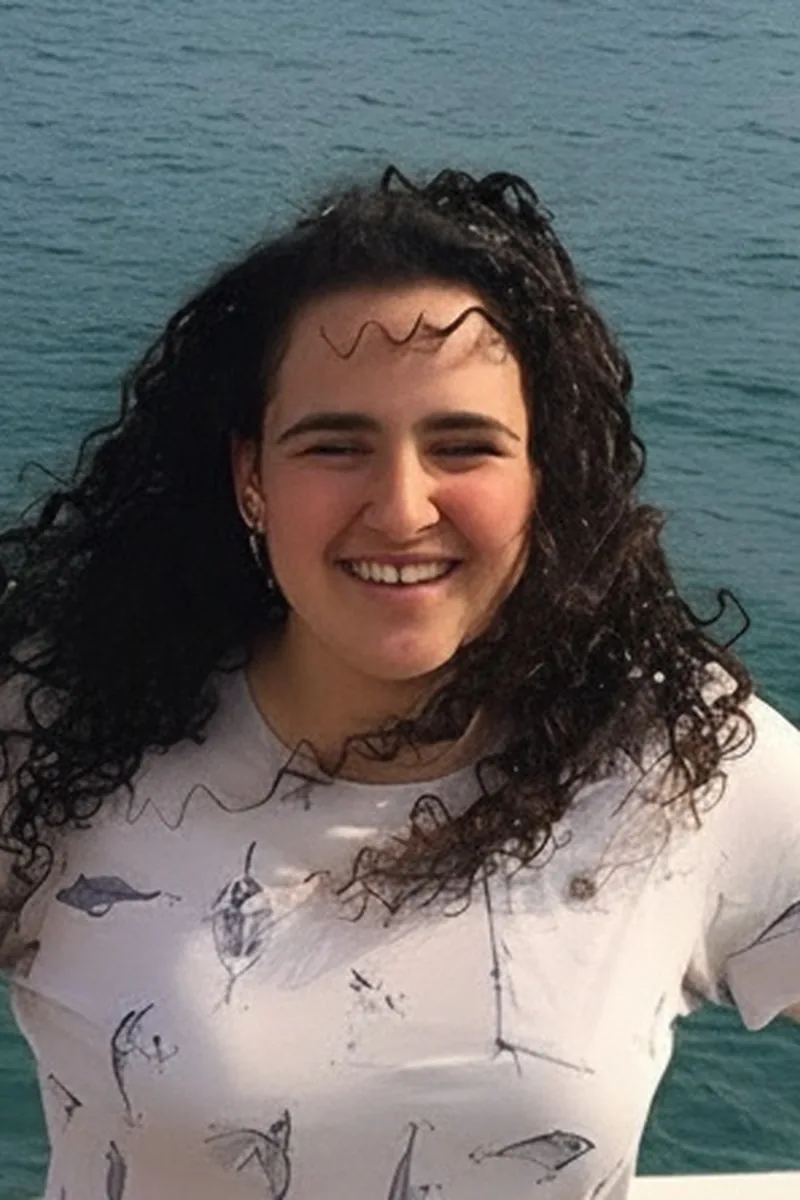
Iris's University of Chicago training in History and Philosophy of Science taught her to trace how ideas move across cultures and time periods — a skill that translates directly to the AP exam's thematic units, where students must connect a Borges story or a Sor Juana poem to broader cultural movements like "las sociedades en contacto" or "el tiempo y el espacio." Her anthropology background adds a layer most Spanish lit tutors lack: she reads texts for the cultural systems embedded in them, which strengthens the kind of contextualized argumentation the free-response essays demand.
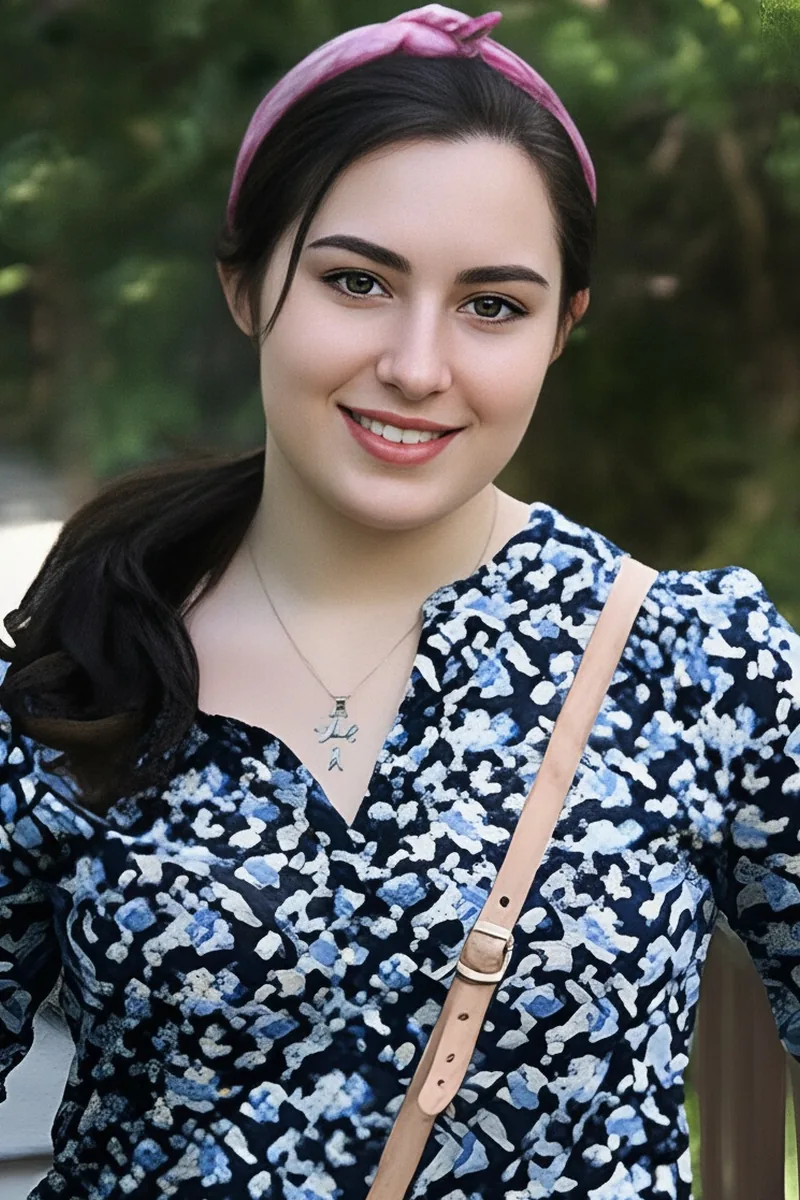
Studying four languages — including Armenian, which she's currently acquiring — gives Araxie a firsthand understanding of how grammar, idiom, and cultural context interact in ways that matter for close reading of AP reading list texts in Spanish. Her Linguistics major at the University of Chicago sharpens that instinct: she can teach students to notice how a poet's syntax or verb mood carries meaning, then build that observation into a structured analytical essay entirely in Spanish.
A PhD in Spanish & Portuguese means Casey has spent years inside the texts that define this exam — from medieval romances and Sor Juana's baroque poetry to García Márquez's magical realism and Borges's labyrinths. She teaches students to build the kind of close-reading arguments in Spanish that earn top scores on the literary analysis free-response questions. Rated 5.0 by students.
Pre-health biology majors with Hispanic Studies minors don't always land on this page — but Jaina's coursework in Spanish literature and culture, combined with the analytical rigor of her science training, gives her a structured approach to breaking down texts on the AP reading list and building essay arguments in Spanish. She's strongest as a fit for students who need help organizing their ideas under timed conditions, applying the same methodical thinking she uses in lab work to thesis construction and textual evidence. Rated 5.0 by students.
Analytical chemistry and Spanish literature sound worlds apart, but Hannahlore's 35 ACT and 5.0 rating reflect the same precise, evidence-driven thinking that timed AP literary essays demand — identifying a pattern in a text and building a structured argument around it, much like interpreting data in a lab. For students who already have strong Spanish language skills and need coaching on the mechanics of constructing a thesis, selecting textual evidence, and writing a coherent analytical essay under time pressure, her systematic approach translates effectively to the free-response format.
Robert's psychology degree gives him a specific angle on AP reading list texts — he's trained to analyze motivation, identity, and emotional conflict, which surface constantly in works by authors like Borges, Quiroga, and Burgos. His Spanish coursework across multiple levels (through AP) means he can conduct that analysis in Spanish, and his 4.9 rating suggests the approach clicks for students tackling timed interpretive essays.
Kiara's psychology training — both her BA and her MA in Urban Education — gives her a particular angle on AP reading list texts where identity, power, and social structures drive the narrative, from Lazarillo de Tormes to Burgos's poetry of selfhood. She teaches across multiple levels of Spanish and conducts literary analysis practice in the target language, connecting psychological and cultural frameworks to the thematic essay prompts the exam actually asks. Rated 4.8 by students.
Between his CLEP Spanish preparation, SAT Spanish with Listening work, and a Political Science degree that demands close reading of argumentative texts, Manuel has built the exact skill set AP Spanish Literature rewards: analyzing how authors construct meaning and defending an interpretation under timed conditions. He teaches students to treat essay prompts as arguments to win — identifying a thesis in the text's formal and thematic choices, then marshaling evidence efficiently in Spanish. Rated 5.0 by students.
Having double-majored in Spanish at Washington University, Megan brings deep literary fluency to AP Spanish Literature and Culture — from close reading of García Márquez's magical realism to analyzing the cultural context behind Sor Juana's poetry. She walks students through the essay and presentational speaking rubrics so they know exactly what earns top scores on exam day.
Honest assessment: AP Spanish Literature and Culture isn't Morgan's wheelhouse — her strengths are English literature, writing, and standardized test prep (she scored a 34 ACT and holds a 5.0 rating). That said, her English degree at Washington University in St. Louis means she lives inside literary analysis daily, and for students who already have strong Spanish fluency but struggle with essay structure — building a thesis, integrating textual evidence, constructing an argument under time pressure — those skills transfer directly to the AP free-response format.
Spanning Spanish 1 through AP-level coursework and the SAT Subject Test in Spanish with Listening, Alma has built her tutoring practice around the language from every angle — grammar, conversation, reading, and writing. For this exam specifically, her creative writing and essay editing experience shapes how she coaches timed literary analysis essays, teaching students to move from a raw reading of a passage to a focused, thesis-driven argument written entirely in Spanish.
Studying at a university in Chile didn't just make Elana fluent — it immersed her in the Latin American literary and cultural landscape that dominates much of the AP reading list. Her training in the Organic World Languages method at Oberlin, where the emphasis is on producing meaningful Spanish in context, shapes how she coaches essay writing: students learn to construct analytical arguments in Spanish that sound like real literary commentary, not translated English. Rated 5.0 by students.
Studying Latin American Studies at Columbia alongside her American Studies major, Grace reads and analyzes Spanish-language literature at the university level daily. She unpacks the thematic and stylistic demands of the AP exam — from close reading García Márquez's magical realism to writing persuasive literary analysis essays in Spanish — with the cultural context that the rubric rewards.
Studying psychology alongside Spanish through AP-level coursework gives Marissa a particular angle on the reading list's most character-driven texts — she's sharp at teaching students how to articulate a character's internal conflict or a poet's emotional logic in timed analytical essays written entirely in Spanish. Her 35 ACT reflects the kind of disciplined, evidence-based reasoning she brings to constructing thesis statements and weaving in textual support under exam pressure.
A biology major who also tutors across five levels of Spanish — from beginner through AP Language and AP Literature — Mikkel brings the same analytical precision he uses in organic chemistry to dissecting how a Borges story or a Sor Juana poem builds its argument through structure and language. His 4.8 rating suggests that methodical, science-trained approach to breaking down texts and constructing timed essays in Spanish works well for students who want clear frameworks rather than impressionistic literary hand-waving.
Four years of TA'ing Spanish at Dartmouth using the Rassias method — an approach built around verb structure, syntax, and pronunciation drills — gave Elise an instinct for how language mechanics shape literary meaning, which is exactly what the AP exam's analytical essays reward. Her Comparative Literature degree with a Spanish concentration means she's trained to read across traditions and trace how formal choices in a Sor Juana sonnet or a Rulfo story carry thematic weight. Rated 5.0 by students.
Molecular biology and literary analysis share more than people think — both require pulling apart complex structures to understand how smaller components create meaning. Alana's science training sharpens how she teaches students to dissect a passage's formal choices, and her Spanish coursework through AP-level literature means she can coach essay construction and textual analysis in the target language. Rated 5.0 by students.
A double major in Spanish and Government means Sarah studied the language at an advanced level while also learning to build the kind of thesis-driven, evidence-based arguments that the AP exam's free-response essays demand. She's taught across every level of Spanish from introductory through AP Literature and Culture, so she knows exactly where students stumble — whether it's parsing Sor Juana's baroque syntax or structuring a timed essay on "el tiempo y el espacio" without slipping into summary. Rated 5.0 by students.
Testimonials
Because the right AP Spanish Literature and Culture tutor makes all the difference.
Average Session Rating – Based on 3.4M Learner Ratings
Nearby AP Spanish Literature and Culture Tutors
Other Chicago Tutors
Related Languages Tutors in Chicago
Frequently Asked Questions
AP Spanish Literature and Culture focuses on reading and analyzing literary texts in Spanish across six thematic units: family and community, personal and public identities, beauty and aesthetics, science and technology, contemporary life, and global challenges. Students develop skills in textual analysis, literary interpretation, and cultural understanding through poetry, prose, drama, and essays. The course emphasizes close reading, vocabulary development in context, and the ability to discuss complex themes in Spanish.
The exam consists of two sections: a 80-minute multiple-choice section with reading comprehension questions about literary passages, and a 100-minute free-response section with three essay prompts (textual analysis, thematic analysis, and comparative analysis). Success requires both strong reading comprehension skills and the ability to construct well-organized arguments in Spanish under timed conditions. Understanding the specific question formats and time management strategies is critical for maximizing your score.
Students often struggle with the density and complexity of literary Spanish, which uses more sophisticated vocabulary and stylistic devices than conversational Spanish. Many find it difficult to analyze abstract themes and support interpretations with textual evidence, while others struggle with essay organization and time management during the free-response section. Additionally, understanding cultural context and historical references embedded in texts can be challenging without guided exploration of the works.
Varsity Tutors connects you with expert tutors who can break down complex literary texts, teach you how to identify literary devices and thematic patterns, and guide you through the analytical writing process. Tutors work with you on reading comprehension strategies, essay structure, time management during practice exams, and building confidence with the exam format. Personalized 1-on-1 instruction allows your tutor to focus on your specific weak areas, whether that's vocabulary retention, textual analysis, or essay composition.
Score improvement depends on your starting point, consistency with studying, and how actively you engage with your tutor's guidance. Students who work regularly with a tutor typically see meaningful gains by focusing on their weakest areas—whether that's close reading skills, essay organization, or time management. Most students benefit from starting tutoring at least 2-3 months before the exam to allow time for skill development and practice test review.
Your first session is an opportunity for your tutor to assess your current reading comprehension level, understand your strengths and challenges with literary analysis, and learn about your AP exam goals. You'll likely discuss the texts you're studying in class, review sample exam questions, and identify which areas need the most focus. This diagnostic approach helps your tutor create a personalized study plan tailored to your needs for the weeks leading up to the exam.
Practice tests are essential for AP Spanish Literature and Culture success because they help you understand the exam format, identify your weak areas, and build time management skills under realistic testing conditions. Working through full-length practice exams with your tutor allows them to provide targeted feedback on your essay writing, reading comprehension strategies, and pacing. Regular practice also builds confidence and reduces test anxiety by making the exam format familiar.
Varsity Tutors connects Chicago students with expert tutors who specialize in AP Spanish Literature and Culture and understand the specific demands of the exam. You can get matched with a tutor who fits your schedule and learning style, whether you prefer to work in the mornings, evenings, or weekends. The matching process takes into account your goals, current level, and any specific areas where you need the most support.
Let’s find your perfect tutor
Answer a few quick questions. We’ll recommend the right plan and match you with a top 5% tutor.