Award-Winning German Tutors
serving Peoria, IL
German
Tutors in Peoria
Private 1-on-1 tutoring, weekly live classes for academic support, test prep & enrichment, practice tests and diagnostics, and more to elevate grades and test scores.
Based on 3.4M Learner Ratings
UniversitiesSchools & Universities
DeliveredHours Delivered
ProficiencyGrowth in Proficiency
Who needs tutoring?
No obligation. Takes ~1 minute.
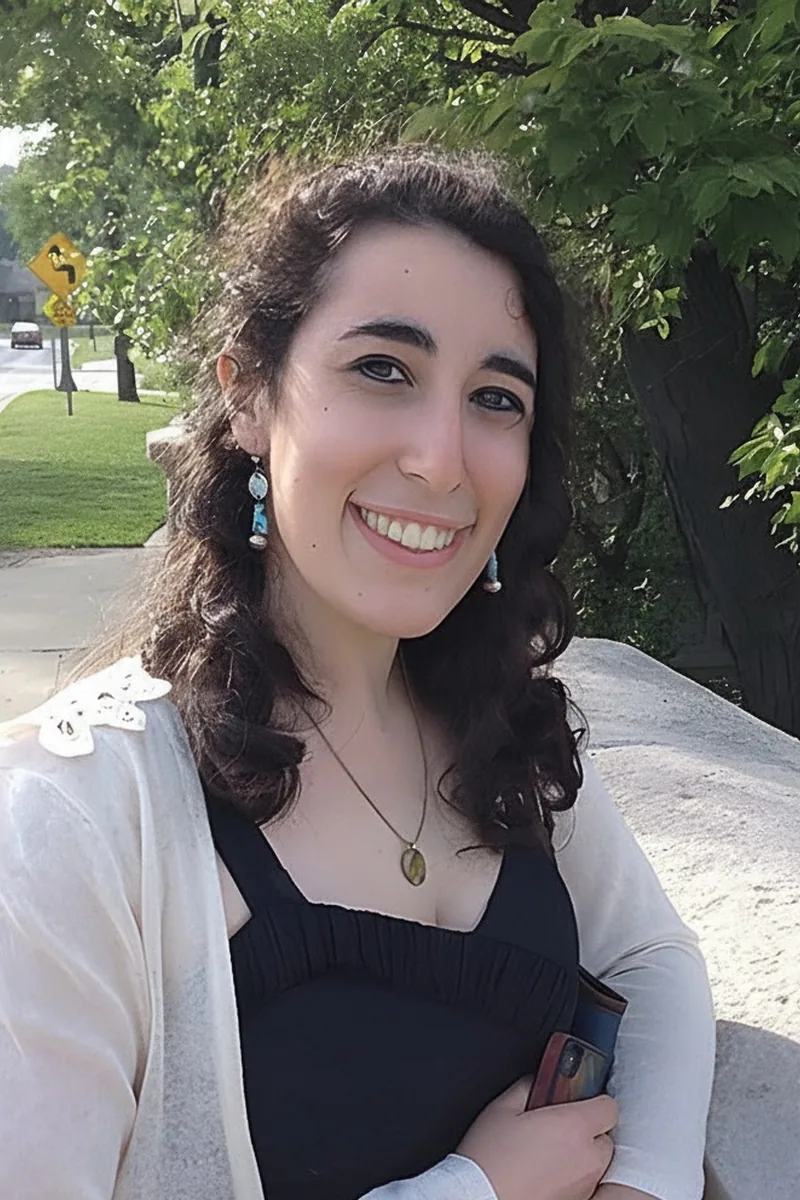
Between her Northwestern coursework and studies in German-language opera repertoire — from Mozart to Strauss — Ilana developed a working fluency that goes beyond classroom German. She tackles tricky grammar concepts like case endings and separable verbs by connecting them to patterns students already recognize, making the logic of German sentence structure feel less foreign. Rated 5.0 by students.
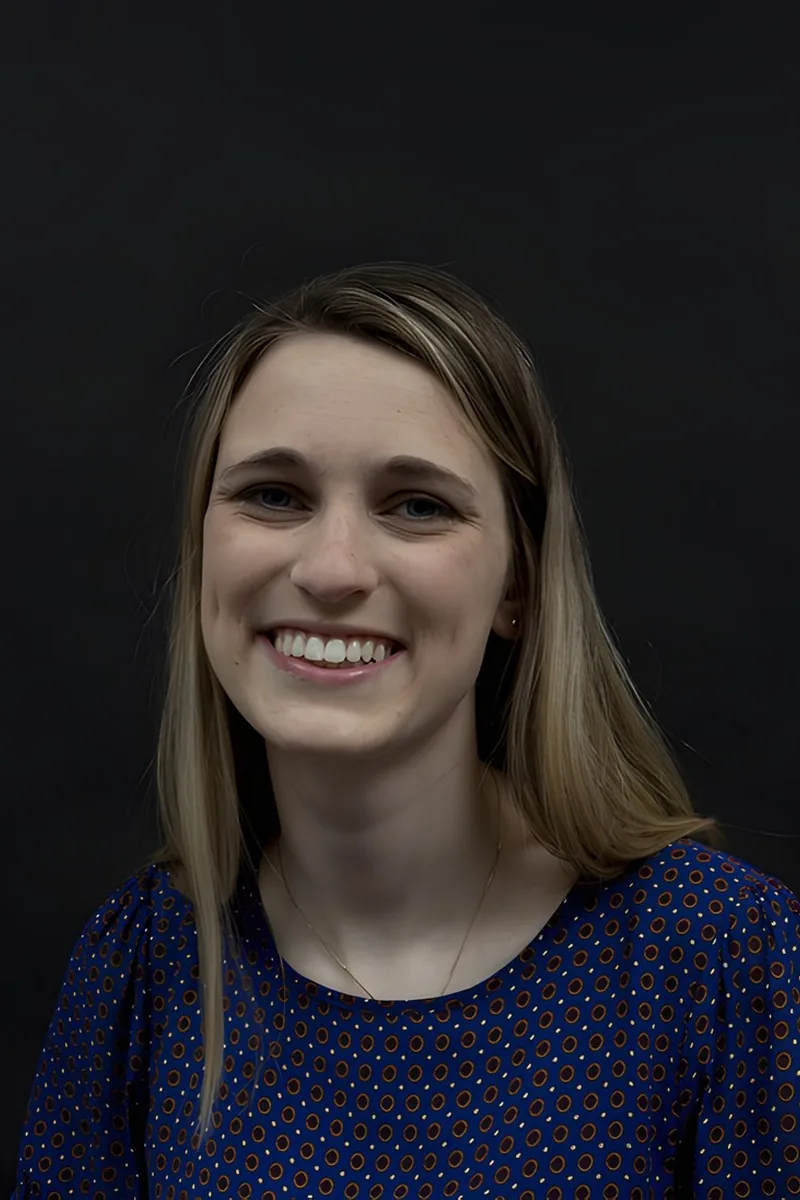
Amber majored in German at Northwestern, which means she didn't just study the language — she read novels, wrote research papers, and debated in it. She teaches grammar concepts like case endings and word order through pattern recognition, showing students the underlying logic so they can construct sentences on their own instead of relying on memorization tables.
Grace brings structured thinking and high energy to German lessons, tackling everything from noun genders and case endings to building conversational confidence. While her primary academic focus is American Studies, her experience teaching across multiple subjects means she knows how to break down tricky grammar rules and make vocabulary practice stick.
German's case system and word order trip up almost every learner at some point — accusative versus dative, verb placement in subordinate clauses, adjective endings that seem to follow no pattern. Jhanelle, who holds a degree in German Studies, breaks these grammar rules into logical systems and builds conversational confidence alongside them so students can actually use what they learn.
German's case system and word-order rules intimidate a lot of learners, but Elise approaches them as a linguist — explaining the underlying logic of accusative versus dative, or why the verb jumps to the end in subordinate clauses. Her coursework through German 4 means she can take students from basic declensions all the way through complex literary and academic texts.
Learning German grammar — cases, gendered nouns, verb conjugation patterns — rewards the kind of systematic, rule-based thinking that comes naturally to an engineering student. Ash teaches German by breaking down sentence structure into predictable patterns, making the dative-versus-accusative distinction or separable-prefix verbs feel more like logic puzzles than rote memorization.
Having lived in Germany for a year and studied German diction as part of his vocal performance training, Andrew brings both textbook grammar and real-world fluency to the language. He's especially strong on the pronunciation challenges that trip up English speakers — vowel length, umlauts, the ch sounds — because his ear is trained to hear and correct subtle phonetic differences. His systematic approach to cases, verb conjugation, and sentence structure gives students a framework they can build on at every level.
Kathryn's engineering background means she approaches German the same way she approaches a technical problem — by identifying the underlying structure first. She zeroes in on verb placement rules and sentence architecture, treating German's rigid syntax as a system to decode rather than a list of exceptions to memorize. Rated 5.0 by students.
German's case system and word order rules trip up most English speakers early on, and Shannon breaks these down by pattern rather than by exception list — teaching students to internalize why "dem Hund" makes sense in context. She covers everything from basic conversational vocabulary to the grammatical structures needed for reading and writing at a more advanced level.
German's case system and word order rules intimidate a lot of new learners, but Beth earned her bachelor's degree in the language and knows exactly where students tend to get tangled — dative prepositions, adjective endings, subordinate clause structure. She unpacks the underlying logic of German grammar so each new rule feels like an extension of something already learned rather than another item to memorize.
German's case system trips up English speakers because suddenly every noun's role in a sentence changes the article in front of it. Andrew unpacks accusative, dative, and genitive cases by connecting them to the underlying logic of how languages assign meaning to word order and inflection — a perspective that comes directly from his linguistics training.
As a native German speaker from Austria, Silvia teaches the language the way it's actually spoken — with attention to cases, gendered articles, and verb placement that trips up English speakers most. She tutored her own son in German for four years to maintain his fluency, so she understands exactly where American students stumble with dative versus accusative or separable prefix verbs. Her 5.0 rating speaks to how naturally she makes those tricky grammar patterns stick.
Learning German grammar — cases, verb conjugation, word order — rewards the same kind of systematic pattern recognition that Eric uses in his science background. He tackles tricky concepts like accusative vs. dative case by connecting rules to practical usage, so the logic behind the language starts to feel intuitive rather than arbitrary.
Nicholas's primary expertise is in mathematics and statistics, not German — but he's conversational in the language and brings the same structured, analytical thinking that defines his math tutoring to learning grammar rules and vocabulary. For students who respond better to logical pattern-based explanations of things like case endings and verb placement, his approach can be a surprisingly good fit.
Two years of teaching German as a camp counselor gave Adam something most language tutors lack: practice explaining grammar concepts like case endings and separable-prefix verbs to students who've never encountered them before. He's completing a German certificate at UW-Madison and knows how to break down everything from der/die/das confusion to subordinate clause word order.
Natalie studied German alongside her English and Film coursework at Cornell, giving her a solid grasp of the language's notoriously tricky case system, separable verbs, and gendered nouns. She approaches German grammar with the same structural thinking she applies to English — breaking down sentence patterns so students understand the logic behind der, die, and das rather than relying on brute memorization.
A full exchange year in Germany through the CBYX scholarship gave Clive the kind of immersive fluency that's hard to replicate in a classroom — navigating bureaucracy, university lectures, and daily life entirely in German. He teaches grammar concepts like case endings and verb conjugation through practical context that makes the rules stick.
Being fluent in German and studying it through the lens of computational linguistics gives Justin an unusual ability to explain the language's trickiest features — case endings, separable verbs, subordinate clause word order — as logical systems rather than arbitrary rules. He walks students through German sentence structure the way a programmer would debug code: piece by piece, until the pattern is clear.
Learning multiple languages — Mandarin, Japanese, French, and German — gave Jacob firsthand insight into what makes German grammar click for English speakers and where the friction points are. He tackles case endings, word order, and verb conjugation by drawing comparisons across languages, which makes abstract rules more concrete. Students consistently rate him 5.0.
Cognitive science trains you to think about how people actually learn — how memory encodes new information, why certain practice patterns stick and others don't — and Megan applies that lens directly to picking up German vocabulary and grammar. She's not a German major, but her adaptive, learner-first approach means she tailors drills, mnemonics, and visual aids to how each student's brain best absorbs a new language. Rated 5.0 by students.
German's case system, separable prefixes, and word order rules intimidate a lot of learners, but Jamie tackles them through immersion in compelling, context-rich material rather than isolated grammar exercises. Students pick up Akkusativ and Dativ distinctions by hearing and reading them repeatedly in stories and cultural content that actually holds their attention. The result is German that sticks because it was acquired, not just memorized.
Learning German means wrestling with case endings, separable verbs, and word order rules that feel completely alien to English speakers. Colin breaks these grammar patterns into logical systems, connecting each rule to how German actually sounds and reads in practice so the structure clicks instead of feeling arbitrary.
Joshua teaches German across three levels, with particular attention to case systems and verb conjugation patterns that trip up English speakers. His approach connects grammar rules to the underlying logic of the language, drawing on the same analytical rigor he developed studying philosophy.
Testimonials
Because the right German tutor makes all the difference.
Average Session Rating – Based on 3.4M Learner Ratings
Nearby German Tutors
Other Peoria Tutors
Related Languages Tutors in Peoria
Frequently Asked Questions
Varsity Tutors matches Peoria students with expert German tutors for 1-on-1 instruction. We pair each student with a tutor based on their specific needs, learning style, and goals.
Whether you need homework help, exam prep, or want to get ahead, our German tutors are ready to help.
Common challenges include gaps from earlier material, difficulty with specific concepts, and trouble applying learning to new problems. These issues can snowball quickly in German.
A tutor identifies where you're stuck, fills in gaps, and provides targeted practice. The 1-on-1 format means you get help exactly where you need it.
Tutors work with your student's actual coursework—homework assignments, class notes, and upcoming tests. This keeps tutoring directly relevant to what's happening in the classroom.
When you share information about your student's school and curriculum, we can match you with a tutor who has relevant experience.
All tutors complete background checks, credential verification, and teaching evaluation. Many of our German tutors hold advanced degrees or have years of teaching experience.
You can review tutor profiles to find someone with the right background for your student's level and needs.
Many students see improved grades within a few weeks, along with better understanding of German concepts and more confidence tackling challenging material.
Tutors track progress and adjust their approach to ensure continued improvement.
Most students benefit from 1-2 sessions per week. More frequent sessions help if your student is significantly behind or has an important exam coming up.
Your tutor can recommend a schedule based on your student's specific situation and goals.
Tutoring is purchased in packages of hours, with rates varying by tutor experience. Varsity Tutors offers several options to fit different budgets and needs.
You can discuss pricing during your consultation to find what works best.
Your tutor will assess where your student is, discuss goals, and start working on priority areas. Most students bring current homework or upcoming test material to focus on.
By the end, you'll have a clear sense of how the tutor can help and a plan for moving forward.
Let’s find your perfect tutor
Answer a few quick questions. We’ll recommend the right plan and match you with a top 5% tutor.