Award-Winning AP Chinese Language and Culture Tutors
serving Chicago, IL
AP Chinese Language and Culture
Tutors in Chicago
Private 1-on-1 tutoring, weekly live classes for academic support, test prep & enrichment, practice tests and diagnostics, and more to elevate grades and test scores.
Based on 3.4M Learner Ratings
UniversitiesSchools & Universities
DeliveredHours Delivered
ProficiencyGrowth in Proficiency
Who needs tutoring?
No obligation. Takes ~1 minute.
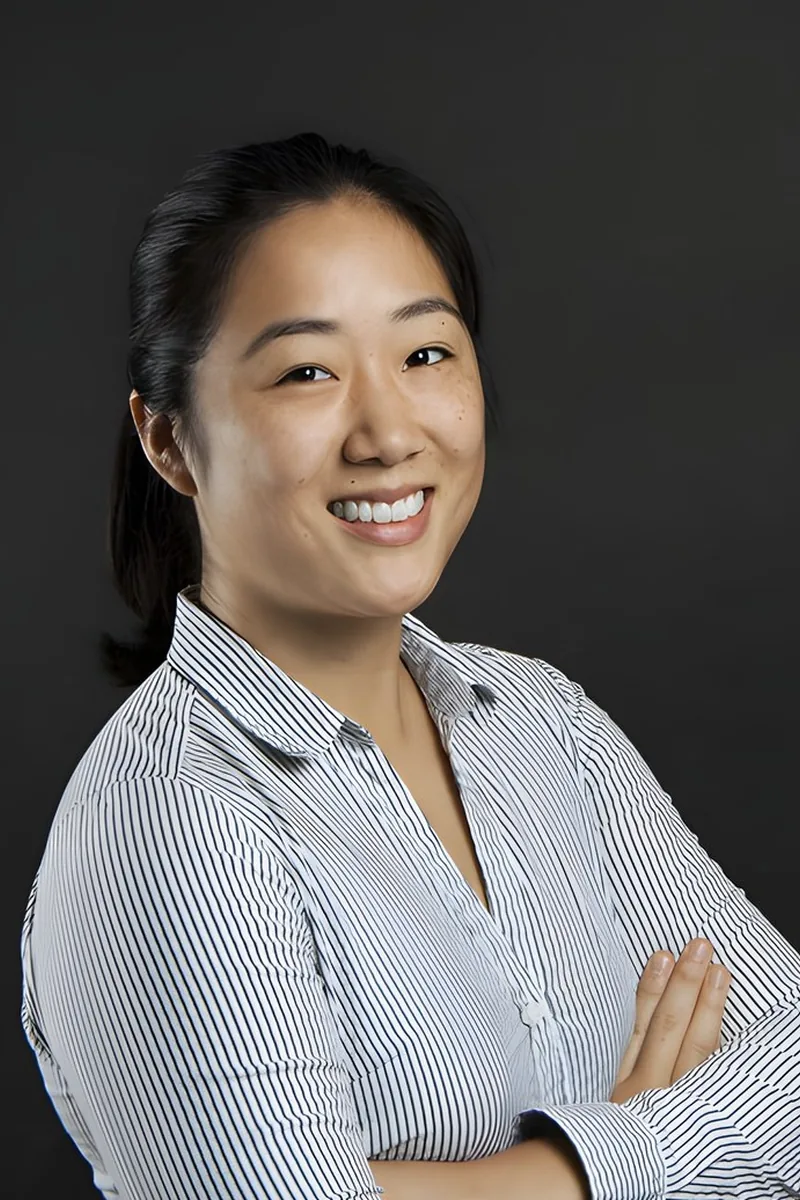
Having tutored the SAT Subject Test in Chinese with Listening and spent time working in Hong Kong, Asta understands both the linguistic and cultural dimensions the AP Chinese exam tests. She digs into the presentational writing and interpersonal speaking tasks that trip up even heritage speakers, breaking down how to structure responses that earn top marks on the rubric.

Scoring well on AP Chinese Language and Culture means navigating presentational writing, interpersonal speaking prompts, and cultural comparison essays — all in Mandarin. Alex is fluent in Mandarin Chinese and understands the tonal pitfalls and character-recognition challenges that trip up American students. He connects language drills to real cultural contexts so the exam's thematic units feel less like abstract categories and more like actual conversations.
The AP Chinese Language and Culture exam tests more than vocabulary — it demands cultural literacy, formal writing conventions, and the ability to switch between interpersonal and presentational communication on the spot. May is a native speaker who has taught Mandarin at multiple levels and understands how to bridge the gap between conversational fluency and the precise, structured responses the exam rewards.
The cultural presentation component of AP Chinese Language and Culture catches many students off guard because it requires genuine knowledge of Chinese traditions, geography, and social customs — not just language proficiency. Christine grew up in Shanghai and brings firsthand cultural context to topics like festival traditions, family structures, and regional differences that students need for both the exam and the interpersonal tasks. Her native fluency means she can coach pronunciation and tonal accuracy in real time.
I am an experienced tutor specializing in english, essay writing, communications and business. After completing the IB program at an international high school, I recently graduated from Northwestern University with a Bachelor of Science in Communication Studies, Business, and Integrated Marketing Communications. I grew up in a Korean household in China, so I am fluent in Korean and Chinese as well. Feel free to reach out for general inquiries on any classes or essay/writing help you need!
The AP Chinese Language and Culture exam tests far more than vocabulary — it demands cultural literacy and the ability to switch between interpersonal, interpretive, and presentational communication modes. As a fluent Mandarin speaker with a science-trained discipline for systematic preparation, Jing tackles each section's unique format so students know exactly what the exam expects.
Having studied French through level 4 and Mandarin Chinese across multiple levels, Noah approaches AP Chinese prep as someone who understands the mechanics of learning tonal languages from the inside — particularly the listening comprehension sections where untrained ears miss contextual shifts in rapid spoken Mandarin. His actuarial science training also lends an unusually methodical structure to exam prep, breaking the cultural comparison essays into scoreable components so students know exactly what earns points.
Wei's PhD research in language acquisition at UGA directly informs how she teaches the AP Chinese exam's trickiest section: presentational writing, where students must produce organized, culturally grounded Mandarin that reads as more than translated English. Her background teaching bilingual Chinese American children means she's skilled at diagnosing whether a student's errors stem from interference between their two languages — a distinction that changes the entire tutoring approach. Rated 5.0 by students.
The AP Chinese Language and Culture exam tests listening, reading, speaking, and writing in a single sitting, which means students need more than vocabulary drills — they need fluency under pressure. Nova's real-world Mandarin teaching experience and her SAT Subject Test preparation in Chinese with Listening give her a sharp sense of where American-educated students typically lose points. She zeroes in on the story narration and cultural comparison sections that carry heavy weight on exam day.
The AP Chinese exam's cultural comparison essays reward students who can draw on genuine cross-cultural experience — and as a Mandarin Chinese speaker studying at the University of Minnesota, Amy lives that dual perspective daily. She also teaches across multiple Mandarin levels, so she can identify gaps in a student's formal written register or listening comprehension and target those specific weaknesses before exam day.
Melody teaches Mandarin Chinese and is currently studying at Columbia, where her coursework in AP Chinese Language and Culture aligns closely with the exam's cultural comparison prompts — the section where students need to articulate specific, nuanced differences between Chinese and American practices rather than recite generalities. Her 4.9 rating from students speaks to her ability to break down both the interpretive listening tasks and the presentational speaking prompts, where tonal clarity and organized delivery under timed pressure make the difference.
As a fluent Mandarin speaker studying at Columbia, Zhenyi knows firsthand what it takes to operate at a high level in both English and Chinese — and the AP Chinese exam tests exactly that kind of bilingual agility. She digs into the exam's interpersonal and presentational communication tasks, coaching students on formal register, cultural comparisons, and the idiomatic phrasing that separates a 4 from a 5. Her native fluency means she can catch tonal and grammatical subtleties that non-native instructors often miss.
With an economics degree and fluency across four levels of Mandarin Chinese, Alexander brings a practical, content-rich angle to AP Chinese prep — particularly the interpretive listening passages, where students need to process real-world topics like trade, policy, and social trends discussed in rapid, formal Mandarin. He also tackles the exam's cultural comparison essays by drawing on his cross-cultural academic background to teach students how to move beyond surface-level observations and anchor their responses in specific, substantive examples.
After a decade teaching middle schoolers in a Chinese immersion school in California, Ruth knows exactly where students' spoken Mandarin starts to buckle under the pressure of timed AP tasks — especially the presentational speaking prompts that demand formal structure and clear tonal precision on the fly. She also taught History and Theater entirely in Chinese, which means her students get exposure to the kind of cross-disciplinary cultural vocabulary that the exam's reading and listening passages actually test. Rated 5.0 by students.
Fluent in Mandarin and experienced with the AP Chinese exam format, JF tackles the presentational writing and interpersonal speaking components that trip up even heritage speakers. He digs into the cultural comparison prompts specifically, showing students how to structure responses that hit every rubric criterion.
Eight years of teaching Chinese language and culture across elementary, middle, and high school levels — plus directing a K-12 language enrichment program — makes Amanda one of the rare tutors who understands the full arc of the AP Chinese exam. She tackles the interpersonal and presentational speaking tasks head-on, coaching students to respond with cultural nuance and grammatical precision under timed conditions. Rated 5.0 by students.
The cultural comparison essay on the AP Chinese Language and Culture exam trips up even strong speakers because it requires analytical writing, not just language proficiency. Julie's philosophy training at Princeton sharpens exactly that skill — breaking down a prompt, organizing a clear argument, and supporting it with specific cultural knowledge. She brings that structured thinking to every section of the exam.
As a native Mandarin speaker who taught a beginning Chinese course at the Wheeler School in Providence, Jennifer knows exactly where English-speaking learners stumble — tonal accuracy, measure words, and the leap from textbook dialogue to real conversation. She covers all four AP exam skills (interpersonal and presentational speaking, listening, and reading) with particular attention to the cultural comparison essay, where strong structure can make or break a score.
Minoring in Chinese at Northeastern while pursuing a pharmacy degree, Amy uses the language daily in academic contexts — reading research, discussing coursework — which builds the kind of formal register fluency the AP Chinese exam's interpretive reading and presentational writing sections actually test. Her 4.9 rating from students reflects a knack for breaking complex characters and grammatical structures into manageable patterns, and she draws on her own experience as a heritage learner to bridge gaps between conversational Mandarin and the academic-level precision the exam demands.
Testimonials
Because the right AP Chinese Language and Culture tutor makes all the difference.
Average Session Rating – Based on 3.4M Learner Ratings
Nearby AP Chinese Language and Culture Tutors
Other Chicago Tutors
Related Languages Tutors in Chicago
Frequently Asked Questions
The AP Chinese Language and Culture exam tests proficiency across five key areas: interpretive listening, interpretive reading, interpersonal speaking, presentational speaking, and presentational writing. The exam is designed for students who have completed 2-4 years of high school Chinese or equivalent study and assesses your ability to communicate in Mandarin Chinese across real-world contexts like school, family, work, and community settings. The full exam takes about 3 hours and includes both multiple-choice and free-response sections.
A score of 3 or higher is considered passing and earns college credit at most universities, though some schools require a 4 or 5 for credit. The exam is scored on a scale of 1-5, with most successful students scoring between 3-5. Your target score depends on your college goals and current proficiency level—working with a tutor can help you assess your baseline and create a realistic improvement plan based on your starting point and timeline.
Many students struggle most with the timed speaking sections, where you have limited time to formulate responses in Mandarin without preparation. Reading comprehension can also be challenging due to the volume of characters and cultural context required to understand passages fully. Additionally, students often find the writing section difficult because it requires not just grammatical accuracy but also appropriate tone and cultural awareness. Targeted practice with timed drills and exposure to authentic Chinese materials can help address these specific challenges.
Varsity Tutors connects you with expert tutors who can provide personalized 1-on-1 instruction tailored to your specific weak areas—whether that's listening comprehension, character recognition, speaking fluency, or essay writing. Tutors can conduct mock exams to identify gaps, teach test-taking strategies for each section, and provide intensive practice with timed responses. They can also help you develop cultural knowledge and authentic language patterns that go beyond textbook Chinese, which is essential for scoring well on the culture component of the exam.
Most students benefit from beginning focused exam preparation 3-4 months before test day, though this depends on your current proficiency level and how much Chinese you've already studied. If you're starting from a lower baseline, beginning 6 months in advance allows time to build foundational skills while also practicing exam-specific strategies. A tutor can help you create a personalized study schedule that balances skill-building with practice tests, ensuring you're making efficient progress toward your target score.
The AP Chinese speaking sections require you to think and respond quickly in Mandarin, so regular practice with timed drills is essential. Working with a tutor allows you to do mock speaking tasks where you receive immediate feedback on pronunciation, grammar, and fluency—something you can't get from self-study. Tutors can also help you develop strategies for organizing your thoughts quickly and using filler phrases naturally, which builds confidence and helps you sound more native-like under pressure.
In your first session, a tutor will assess your current Chinese proficiency across all five skill areas—listening, reading, speaking, and writing—to understand your strengths and gaps. You'll discuss your target score, timeline, and any specific challenges you're facing with the exam. From there, the tutor will create a personalized study plan focused on the areas where you need the most improvement, and you'll begin working through targeted practice and strategies right away.
Yes, Varsity Tutors connects students in Chicago with expert tutors who specialize in AP Chinese Language and Culture exam preparation. Whether you're in the Chicago Public Schools system or one of the surrounding districts, you can get matched with a tutor who understands the AP curriculum and can provide personalized instruction at your pace. Tutoring is available to fit your schedule and learning preferences.
Let’s find your perfect tutor
Answer a few quick questions. We’ll recommend the right plan and match you with a top 5% tutor.