Award-Winning AP World History Tutors
serving Savannah, GA
AP World History
Tutors in Savannah
Private 1-on-1 tutoring, weekly live classes for academic support, test prep & enrichment, practice tests and diagnostics, and more to elevate grades and test scores.
Based on 3.4M Learner Ratings
UniversitiesSchools & Universities
DeliveredHours Delivered
ProficiencyGrowth in Proficiency
Who needs tutoring?
No obligation. Takes ~1 minute.
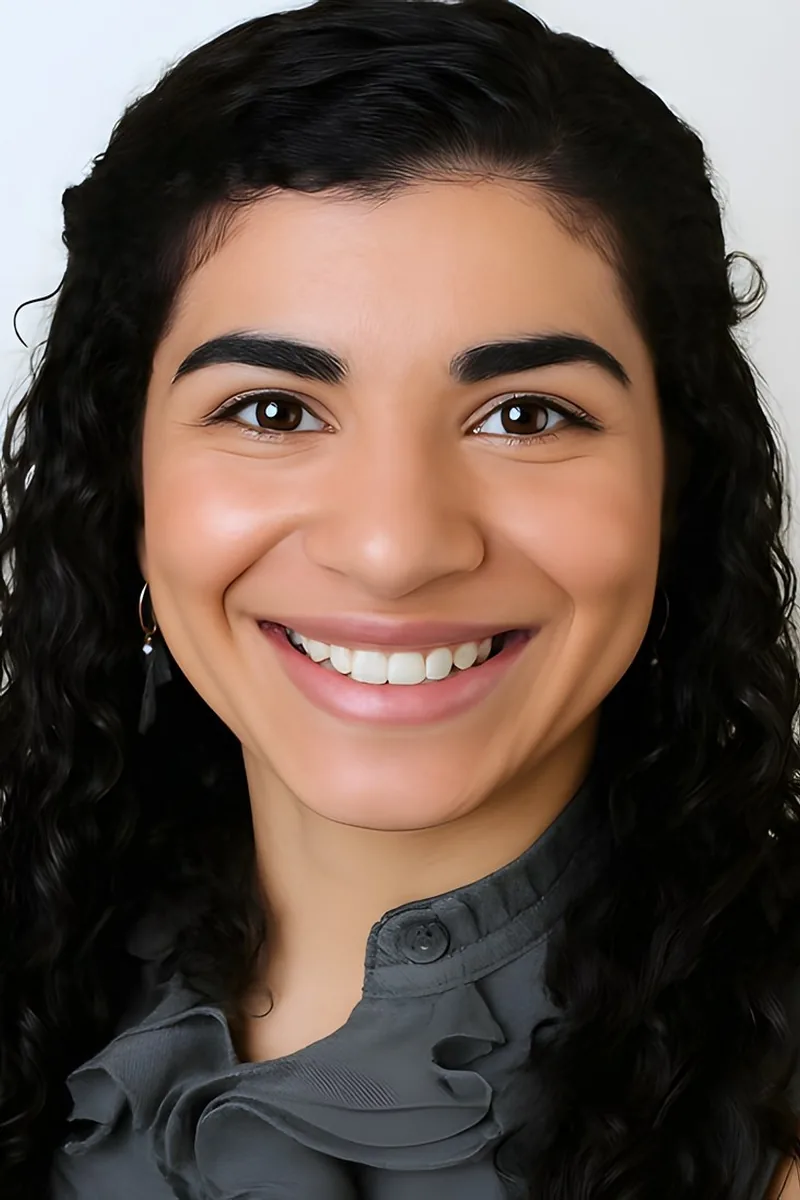
Covering thousands of years across every continent, AP World History overwhelms students who try to memorize everything instead of learning to spot patterns — trade networks, empire-building, cultural diffusion. Paula's Communication Studies background makes her especially effective at teaching the comparative and continuity-and-change essay formats the exam demands, where clear argumentation matters more than encyclopedic recall.

Covering ten thousand years of global history means students need a framework, not just a timeline. Jean's Latin American History specialization at Duke gave her deep practice in cross-cultural comparison — exactly the skill AP World History's essay prompts demand. She teaches students to identify patterns like empire-building, trade network expansion, and cultural diffusion, then deploy those patterns in timed writing.
Scoring a 1600 SAT and 35 ACT through self-study taught Dhruv something directly useful for AP World History: how to break massive amounts of material into patterns that stick, then deploy that knowledge under timed pressure. He applies that same structured approach to the exam's nine periods, teaching students to spot the recurring threads — trade networks, empire-building, cultural diffusion — that turn a mountain of content into manageable, essay-ready arguments. Rated 4.9 by students.
Studying international affairs and economics at UGA while speaking five languages — Gujarati, Hindi, Spanish, Arabic, and French — Sahar has an intuitive grasp of how trade networks, cultural diffusion, and imperial expansion actually worked across regions, not just how textbooks describe them. That multilingual, cross-cultural lens is especially useful on continuity-and-change essays where students need to explain how interactions along routes like the Indian Ocean or trans-Saharan networks transformed societies over centuries. Rated 5.0 by students.
Political science at UGA means Monroe spends most of his time analyzing how states form, consolidate power, and collapse — the exact throughline that connects AP World History's nine periods, from early empires to twentieth-century decolonization. That government lens is especially useful on the LEQ and comparative prompts where students need to explain why similar political structures emerged independently across regions. His 35 ACT and 4.9 rating speak to the timed analytical writing chops the exam's free-response sections demand.
Covering thousands of years of global history means AP World students need a framework, not a timeline to memorize. Ethan zeroes in on the comparison and continuity-and-change skills the exam tests, teaching students to link developments across regions — like connecting Mongol trade networks to the spread of the Black Death — so they can tackle any prompt the College Board throws at them.
I am able to offer tutoring in a wide variety of History classes and standardized tests because I have spent the last two years as a high school History teacher for Teach For America, which has made me familiar with teaching practices that translate well into one-on-one instruction. I am also familiar with test-taking strategies and test preparation in the SAT, LSAT, GMAT and AP Exams because I have taken each exam myself and have previous experience tutoring others for those exams. My approach to tutoring focuses on building self-confidence and connecting each student's individual strengths and experiences to the subject matter to make it easier to master.
Covering thousands of years across every continent, AP World History overwhelms students who try to memorize their way through it. Samantha turns the course into a set of recurring themes — trade networks, empire-building, cultural diffusion — so students can compare the Mongol expansion to the Columbian Exchange without losing the thread. Her background in writing and literature also sharpens the essay skills the exam demands.
Practicing law in Georgia sharpened Ryan's ability to build arguments from documentary evidence under time pressure — the same skill AP World History's DBQ section tests when students must synthesize unfamiliar sources into a coherent thesis in minutes. His history degree grounds him in the periodization and cross-regional analysis the exam demands, while his legal training makes him especially effective at teaching students to construct claims that are precise, evidence-driven, and structured to satisfy rubric criteria. Rated 5.0 by students.
The comparison and continuity-and-change essays in AP World History trip students up because they require thinking across civilizations and centuries simultaneously. Daniel approaches these by teaching students to identify structural patterns — how trade networks, empire-building, or religious diffusion operated differently in, say, Song China versus Abbasid Baghdad — and turn those observations into coherent, evidence-backed arguments.
The AP World History exam covers thousands of years across every continent, which means students need frameworks, not just facts. Reid tackles this by teaching comparative analysis — showing how trade networks, state-building, and cultural exchange follow recognizable patterns from the Silk Roads to the Columbian Exchange. His political science background makes him especially sharp on empire, governance, and power dynamics.
Anthropology is essentially world history with the volume turned up on culture — and Jorge's Harvard degree in Social Anthropology means he reads AP World History's units on cultural diffusion, belief systems, and social hierarchies the way they were meant to be read, as interconnected human patterns rather than isolated facts to memorize. His Columbia MA in Human Rights adds a sharp lens for the exam's questions about empire, resistance, and power, especially in the post-1750 periods where human rights movements reshape the political landscape. He also tutors AP Human Geography and AP Comparative Government, so he naturally connects the geographic and political threads that earn top scores on cross-regional comparison essays.
Years working as an educator at the Rubin Museum of Art — a collection centered on Himalayan and South Asian civilizations — gave Harry a tactile, artifact-driven way of teaching the cross-cultural encounters that AP World History's DBQ and LEQ prompts demand. His ongoing independent research trips to India studying Tibetan language and culture mean he can unpack topics like the spread of Buddhism along trade networks or Mughal-era cultural syncretism with firsthand context most tutors simply can't offer. That combination of museum pedagogy and regional immersion is especially useful for students who need to move beyond memorizing timelines and start building source-driven arguments.
Covering ten thousand years of global history means students need a mental framework, not a memorized timeline. Jake approaches AP World History through recurring themes like empire-building, trade networks, and cultural diffusion, then shows students how to deploy that thematic knowledge in the continuity-and-change and comparison essays the exam actually tests.
Jonah's history degree and 1590 SAT give him both the content depth and the timed analytical writing skills that AP World History's essay sections punish students for lacking — particularly on LEQ prompts where a vague thesis about, say, imperialism's impact across regions earns almost no credit. He teaches students to anchor broad comparative claims in specific evidence, turning a sprawling nine-period timeline into arguments that actually score.
Having studied both history and Spanish as undergraduate majors, Adam reads AP World History's cross-cultural content — Islamic Spain, the Columbian Exchange, Latin American independence movements — with the kind of bilingual, dual-perspective lens that makes primary source analysis richer than a single-language approach allows. He digs into the document-based questions by teaching students to interrogate authorship and purpose before summarizing content, a skill honed through his library science graduate work in evaluating sources. His 1500 SAT speaks to the timed analytical reading the exam's free-response sections demand.
The AP World History exam tests whether students can synthesize broad patterns — trade networks, empire-building, cultural diffusion — into tightly argued essays in under forty minutes. John approaches this as a writing and analytical reasoning problem, teaching students to structure comparison and causation arguments that hit every rubric point.
Covering thousands of years across every continent, AP World History overwhelms students who try to memorize everything. Maxwell zeroes in on the comparative and continuity-and-change-over-time frameworks the exam actually tests, teaching students to spot patterns — like how trade networks reshape cultures — across regions and eras. That analytical lens turns an impossibly broad course into something manageable.
Penn's political science program drills students in analyzing how institutions form, consolidate power, and collapse — which is essentially what AP World History asks on every LEQ and DBQ from early empires through decolonization. Noah leans into that political lens when teaching students to build arguments about state-building, revolutions, and shifts in governance across all nine periods. Rated 5.0 by students, with a 34 ACT backing up the timed writing and analytical reading the exam demands.
Philosophy and theology training — the kind Jonathan earned through both a Bachelor's in Philosophy and a Master of Divinity — builds the exact muscle AP World History's essay prompts test: constructing arguments about how belief systems, cultural frameworks, and institutional power shaped civilizations from the spread of Buddhism along trade routes to the Protestant Reformation's political fallout. He digs into the comparative and continuity-and-change questions where students need to explain why ideas took root in some regions and not others, drawing on his deep background in how religious and philosophical traditions interact across cultures.
Dual degrees in Anthropology and History from Northwestern mean Lucia doesn't just teach the content AP World History covers — she's trained in the exact disciplines the course draws from, particularly when it comes to understanding how societies organize, stratify, and interact across cultural boundaries. That anthropological lens is especially useful on units covering belief systems, social hierarchies, and cultural syncretism, where the exam asks students to explain not just contact between civilizations but what changed inside them as a result. Her 35 ACT reflects the timed reading and argumentation skills the DBQ demands.
Testimonials
Because the right AP World History tutor makes all the difference.
Average Session Rating – Based on 3.4M Learner Ratings
Practice AP World History
Free practice tests, flashcards, and AI tutoring for AP World History
Nearby AP World History Tutors
Other Savannah Tutors
Related Social Studies Tutors in Savannah
Frequently Asked Questions
Varsity Tutors matches Savannah students with expert AP World History tutors for 1-on-1 instruction. We pair each student with a tutor based on their specific needs, learning style, and goals.
Whether you need homework help, exam prep, or want to get ahead, our AP World History tutors are ready to help.
Common challenges include gaps from earlier material, difficulty with specific concepts, and trouble applying learning to new problems. These issues can snowball quickly in AP World History.
A tutor identifies where you're stuck, fills in gaps, and provides targeted practice. The 1-on-1 format means you get help exactly where you need it.
Tutors work with your student's actual coursework—homework assignments, class notes, and upcoming tests. This keeps tutoring directly relevant to what's happening in the classroom.
When you share information about your student's school and curriculum, we can match you with a tutor who has relevant experience.
All tutors complete background checks, credential verification, and teaching evaluation. Many of our AP World History tutors hold advanced degrees or have years of teaching experience.
You can review tutor profiles to find someone with the right background for your student's level and needs.
Many students see improved grades within a few weeks, along with better understanding of AP World History concepts and more confidence tackling challenging material.
Tutors track progress and adjust their approach to ensure continued improvement.
Most students benefit from 1-2 sessions per week. More frequent sessions help if your student is significantly behind or has an important exam coming up.
Your tutor can recommend a schedule based on your student's specific situation and goals.
Tutoring is purchased in packages of hours, with rates varying by tutor experience. Varsity Tutors offers several options to fit different budgets and needs.
You can discuss pricing during your consultation to find what works best.
Your tutor will assess where your student is, discuss goals, and start working on priority areas. Most students bring current homework or upcoming test material to focus on.
By the end, you'll have a clear sense of how the tutor can help and a plan for moving forward.
Let’s find your perfect tutor
Answer a few quick questions. We’ll recommend the right plan and match you with a top 5% tutor.