Award-Winning AP World History Tutors
serving Augusta, GA
AP World History
Tutors in Augusta
Private 1-on-1 tutoring, weekly live classes for academic support, test prep & enrichment, practice tests and diagnostics, and more to elevate grades and test scores.
Based on 3.4M Learner Ratings
UniversitiesSchools & Universities
DeliveredHours Delivered
ProficiencyGrowth in Proficiency
Who needs tutoring?
No obligation. Takes ~1 minute.

Covering ten thousand years of global history means students need a framework, not just a timeline. Jean's Latin American History specialization at Duke gave her deep practice in cross-cultural comparison — exactly the skill AP World History's essay prompts demand. She teaches students to identify patterns like empire-building, trade network expansion, and cultural diffusion, then deploy those patterns in timed writing.
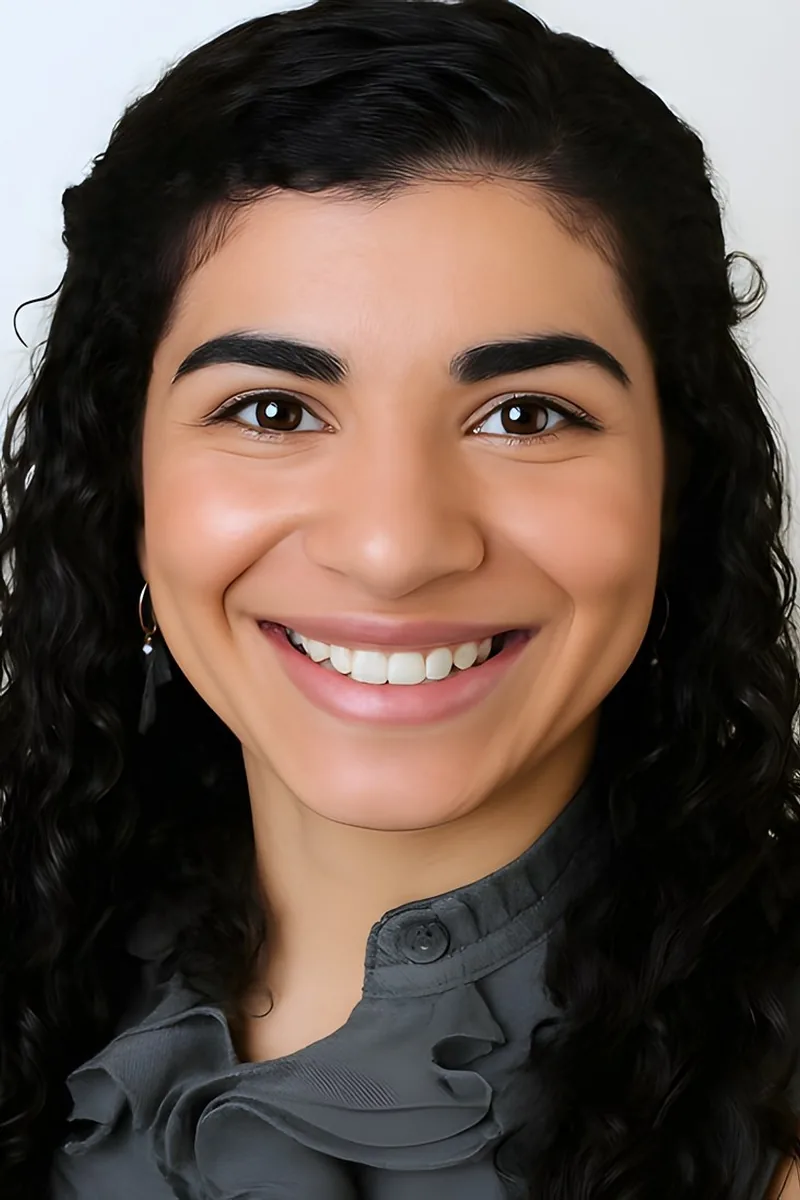
Covering thousands of years across every continent, AP World History overwhelms students who try to memorize everything instead of learning to spot patterns — trade networks, empire-building, cultural diffusion. Paula's Communication Studies background makes her especially effective at teaching the comparative and continuity-and-change essay formats the exam demands, where clear argumentation matters more than encyclopedic recall.
Scoring a 1600 SAT and 35 ACT through self-study taught Dhruv something directly useful for AP World History: how to break massive amounts of material into patterns that stick, then deploy that knowledge under timed pressure. He applies that same structured approach to the exam's nine periods, teaching students to spot the recurring threads — trade networks, empire-building, cultural diffusion — that turn a mountain of content into manageable, essay-ready arguments. Rated 4.9 by students.
Studying international affairs and economics at UGA while speaking five languages — Gujarati, Hindi, Spanish, Arabic, and French — Sahar has an intuitive grasp of how trade networks, cultural diffusion, and imperial expansion actually worked across regions, not just how textbooks describe them. That multilingual, cross-cultural lens is especially useful on continuity-and-change essays where students need to explain how interactions along routes like the Indian Ocean or trans-Saharan networks transformed societies over centuries. Rated 5.0 by students.
Covering thousands of years of global history means AP World students need a framework, not a timeline to memorize. Ethan zeroes in on the comparison and continuity-and-change skills the exam tests, teaching students to link developments across regions — like connecting Mongol trade networks to the spread of the Black Death — so they can tackle any prompt the College Board throws at them.
I am able to offer tutoring in a wide variety of History classes and standardized tests because I have spent the last two years as a high school History teacher for Teach For America, which has made me familiar with teaching practices that translate well into one-on-one instruction. I am also familiar with test-taking strategies and test preparation in the SAT, LSAT, GMAT and AP Exams because I have taken each exam myself and have previous experience tutoring others for those exams. My approach to tutoring focuses on building self-confidence and connecting each student's individual strengths and experiences to the subject matter to make it easier to master.
Political science at UGA means Monroe spends most of his time analyzing how states form, consolidate power, and collapse — the exact throughline that connects AP World History's nine periods, from early empires to twentieth-century decolonization. That government lens is especially useful on the LEQ and comparative prompts where students need to explain why similar political structures emerged independently across regions. His 35 ACT and 4.9 rating speak to the timed analytical writing chops the exam's free-response sections demand.
Covering thousands of years across every continent, AP World History overwhelms students who try to memorize their way through it. Samantha turns the course into a set of recurring themes — trade networks, empire-building, cultural diffusion — so students can compare the Mongol expansion to the Columbian Exchange without losing the thread. Her background in writing and literature also sharpens the essay skills the exam demands.
Practicing law in Georgia sharpened Ryan's ability to build arguments from documentary evidence under time pressure — the same skill AP World History's DBQ section tests when students must synthesize unfamiliar sources into a coherent thesis in minutes. His history degree grounds him in the periodization and cross-regional analysis the exam demands, while his legal training makes him especially effective at teaching students to construct claims that are precise, evidence-driven, and structured to satisfy rubric criteria. Rated 5.0 by students.
Covering ten thousand years of human history in one course means students need frameworks, not just facts — understanding how trade networks, empire-building, and cultural diffusion repeat across civilizations. Paul's graduate training at Brandeis emphasized comparative and cross-cultural historical analysis, which maps directly onto the way the AP World exam asks students to draw connections across time periods and regions.
Covering ten thousand years of human history means AP World History can feel impossibly broad — until a student learns to think in patterns. Iris's anthropology training at the University of Chicago is built around exactly that: tracing how trade networks, belief systems, and state structures evolve and interact across cultures. She teaches students to spot those cross-cultural comparisons and continuity-and-change themes that the AP exam tests hardest.
Felix's Classical, Ancient Mediterranean, and Near Eastern Studies degree at Brown means he's spent serious time with the pre-1200 CE civilizations that many AP World History students rush past — Mesopotamian state-building, Greco-Roman political models, and the trade networks connecting the Mediterranean to Central and South Asia. That deep familiarity with early periods gives him a real edge when teaching students to tackle periodization questions and trace how foundational developments in governance and belief systems ripple forward through the entire course timeline. His 1540 SAT and fluency in Japanese add particular strength on comparative prompts involving East Asian content.
Having studied both history and Spanish as undergraduate majors, Adam reads AP World History's cross-cultural content — Islamic Spain, the Columbian Exchange, Latin American independence movements — with the kind of bilingual, dual-perspective lens that makes primary source analysis richer than a single-language approach allows. He digs into the document-based questions by teaching students to interrogate authorship and purpose before summarizing content, a skill honed through his library science graduate work in evaluating sources. His 1500 SAT speaks to the timed analytical reading the exam's free-response sections demand.
Studying philosophy at MIT trained Tim to do exactly what AP World History's essay prompts demand — construct an argument from limited evidence, weigh competing interpretations, and defend a thesis under pressure. He applies that analytical rigor to DBQ prep and the causation essays where students need to explain not just what happened but why one development in, say, Song Dynasty China reverberates through Indian Ocean trade networks centuries later. Rated 4.9 by students.
High school teaching in Boston means Max deals daily with the challenge of making nine periods of world history land for students who'd rather not read another textbook chapter — and his Master's in Teaching sharpened his ability to break sprawling content into the specific comparisons and cause-and-effect chains the AP exam actually scores. His history degree gives him the sourcing instincts the DBQ demands, particularly when students face unfamiliar documents and need to contextualize them on the spot. Rated 5.0 by students.
Covering ten thousand years of global history means students need a mental framework, not a memorized timeline. Jake approaches AP World History through recurring themes like empire-building, trade networks, and cultural diffusion, then shows students how to deploy that thematic knowledge in the continuity-and-change and comparison essays the exam actually tests.
Connecting civilizations across time periods is the core challenge of AP World History, whether it's tracing trade networks from the Silk Roads to the Indian Ocean or comparing empire-building strategies across continents. Stephanie's graduate studies at Penn and her Cornell history training give her a deep command of the comparative and continuity-and-change frameworks the exam demands. She also teaches the document analysis skills that turn a 3 essay into a 5.
Having taught and tutored across Colombia, Mexico, Germany, Canada, and the United States, Esteban brings an anthropologist's instinct for reading how cultures interact — the exact skill AP World History's DBQ and comparative essays test when students must explain why civilizations borrowed, resisted, or transformed each other's practices. His anthropology training means he teaches cultural diffusion and state formation not as textbook vocabulary but as lived human patterns, connecting concepts like syncretism or tributary systems to real-world examples he's encountered firsthand. Rated 4.9 by students.
Terry's Wharton economics training — analyzing how markets form, trade networks expand, and institutions shape incentives — gives him a practical framework for the economic systems questions that run through every AP World History period, from early agrarian societies to globalization. He's particularly sharp on the continuity-and-change prompts where students need to explain how something like mercantilism or tributary systems evolved rather than just identifying them. A 1530 SAT scorer, he brings strong timed writing instincts to DBQ and LEQ prep.
Covering ten thousand years of human history means AP World History students need a framework, not just a timeline. Taylor breaks the course into recurring themes — trade networks, empire-building, cultural diffusion — so students can tackle comparison and continuity-and-change essays with real analytical depth. Her humanities training at NYU gives her the cross-cultural perspective the exam demands, especially for periods and regions that textbooks tend to rush through.
The sheer scope of AP World History — from river valley civilizations to globalization — overwhelms most students long before exam day. Tessa, a History major at Yale, teaches students to organize that breadth through comparative and continuity-and-change frameworks that the AP rubric actually rewards. She zeroes in on building the skill of connecting specific evidence to broader historical processes, which is where most essays lose points.
Testimonials
Because the right AP World History tutor makes all the difference.
Average Session Rating – Based on 3.4M Learner Ratings
Practice AP World History
Free practice tests, flashcards, and AI tutoring for AP World History
Nearby AP World History Tutors
Other Augusta Tutors
Related Social Studies Tutors in Augusta
Frequently Asked Questions
Varsity Tutors matches Augusta students with expert AP World History tutors for 1-on-1 instruction. We pair each student with a tutor based on their specific needs, learning style, and goals.
Whether you need homework help, exam prep, or want to get ahead, our AP World History tutors are ready to help.
Common challenges include gaps from earlier material, difficulty with specific concepts, and trouble applying learning to new problems. These issues can snowball quickly in AP World History.
A tutor identifies where you're stuck, fills in gaps, and provides targeted practice. The 1-on-1 format means you get help exactly where you need it.
Tutors work with your student's actual coursework—homework assignments, class notes, and upcoming tests. This keeps tutoring directly relevant to what's happening in the classroom.
When you share information about your student's school and curriculum, we can match you with a tutor who has relevant experience.
All tutors complete background checks, credential verification, and teaching evaluation. Many of our AP World History tutors hold advanced degrees or have years of teaching experience.
You can review tutor profiles to find someone with the right background for your student's level and needs.
Many students see improved grades within a few weeks, along with better understanding of AP World History concepts and more confidence tackling challenging material.
Tutors track progress and adjust their approach to ensure continued improvement.
Most students benefit from 1-2 sessions per week. More frequent sessions help if your student is significantly behind or has an important exam coming up.
Your tutor can recommend a schedule based on your student's specific situation and goals.
Tutoring is purchased in packages of hours, with rates varying by tutor experience. Varsity Tutors offers several options to fit different budgets and needs.
You can discuss pricing during your consultation to find what works best.
Your tutor will assess where your student is, discuss goals, and start working on priority areas. Most students bring current homework or upcoming test material to focus on.
By the end, you'll have a clear sense of how the tutor can help and a plan for moving forward.
Let’s find your perfect tutor
Answer a few quick questions. We’ll recommend the right plan and match you with a top 5% tutor.