Award-Winning AP Biology Tutors
serving Atlanta, GA
AP Biology
Tutors in Atlanta
Private 1-on-1 tutoring, weekly live classes for academic support, test prep & enrichment, practice tests and diagnostics, and more to elevate grades and test scores.
Based on 3.4M Learner Ratings
UniversitiesSchools & Universities
DeliveredHours Delivered
ProficiencyGrowth in Proficiency
Who needs tutoring?
No obligation. Takes ~1 minute.
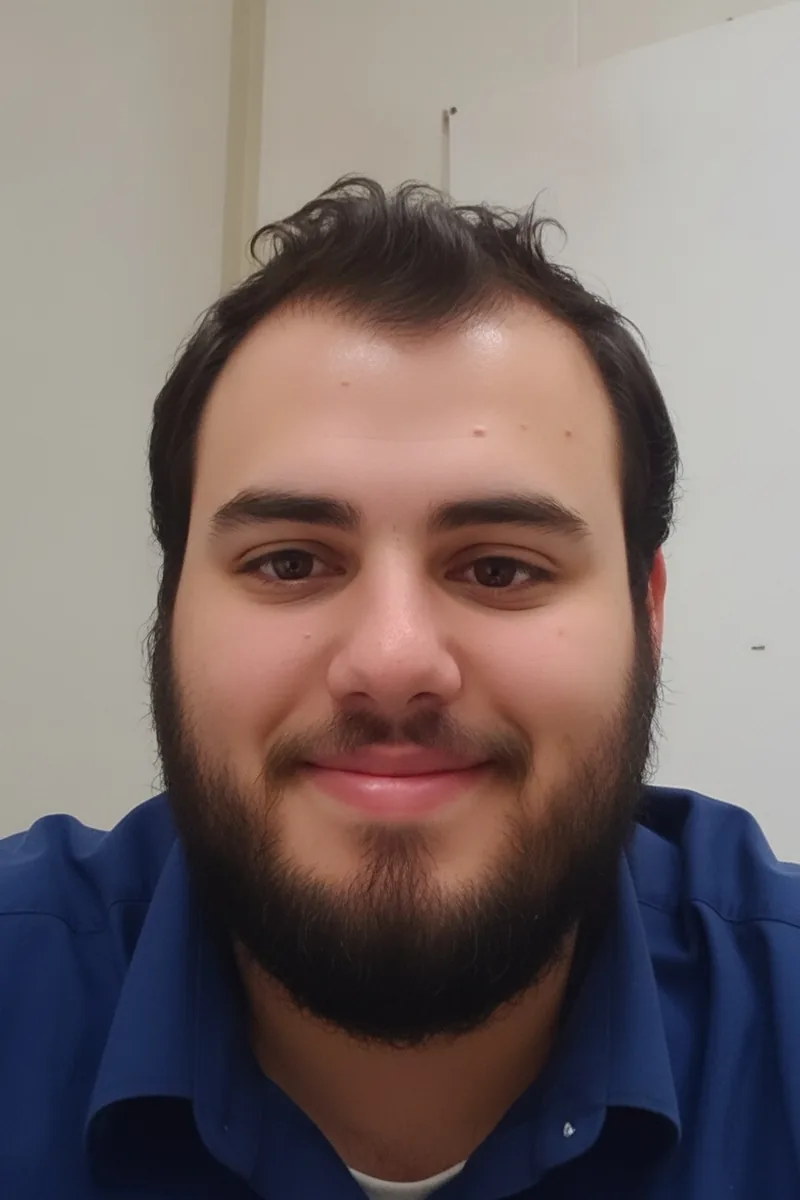
I am a certified biology and social studies teacher for grades 7-12. My time teaching has been both rewarding and challenging. One of my focuses as a lead science teacher was to work with students on college readiness. From ACT prep to rigorous lab based science instruction, we saw students grow five points on the ACT and increased the pass rate on the state exam. As my time with Teach for America comes to an end, I am excited to continue my commitment to education with Varsity Tutors. Currently I am working on a Master’s in Public Health at Emory University.
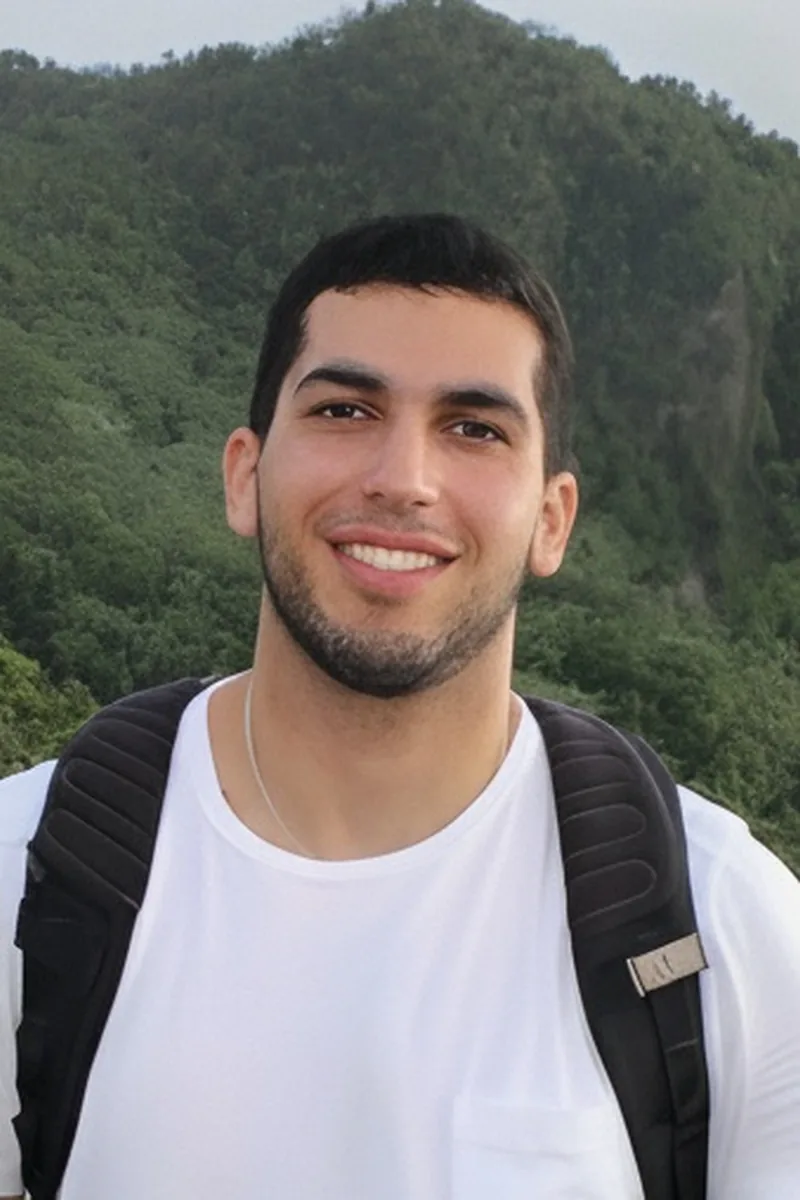
I am a 4th year medical student who has been tutoring since college. I love working with people and teaching students. I have a strong background in the sciences and look forward to helping make science easy for everyone. I look forward to working with you.
AP Biology's free-response questions demand more than recall — they require students to design experiments, interpret data, and connect concepts across units like cell signaling, gene expression, and ecology. Naomi's medical school training sharpened exactly these skills, and she teaches students to think like scientists when tackling multi-part prompts. She breaks down each unit's big ideas so the connections between, say, cellular respiration and feedback mechanisms click on exam day.
Saniya's neuroscience degree at Rhodes College required her to learn biology from the molecular scale up — gene expression, cell signaling, neural communication — which means she's tackled AP Bio's toughest conceptual territory in a context where every pathway had to connect to a bigger physiological story. She's continued auditing advanced coursework in anatomy, histology, and embryology since graduating, so the organism-level units on body systems and development are still sharp. Rated 5.0 by students.
AP Bio covers an enormous range — from cellular respiration pathways to population genetics to signal transduction — and the exam rewards students who can apply concepts, not just recall them. Vignesh breaks each unit into its core mechanisms and then runs practice with free-response and data-analysis questions until students can explain processes like photosynthesis or gene expression under timed conditions. His science background complements a study approach built on high-volume repetition.
Northwestern's pre-med biology track puts Manideep through the same cellular processes, genetics, and physiology that AP Bio tests — except at a pace and depth that makes the AP curriculum feel manageable by comparison. He also TAs university science courses, so he's practiced at spotting exactly where a student's understanding of something like mitosis or protein synthesis goes fuzzy and rebuilding it on the spot. Rated 5.0 by students.
Brittany earned her biology degree at UGA and currently conducts stem cell research, so AP Bio topics like cell signaling, gene expression, and cellular energetics are part of her daily work. She teaches students to think like the exam demands — designing experiments, analyzing data sets, and constructing explanations that earn full free-response credit. That blend of active research experience and exam strategy makes a real difference on test day.
I am a 3rd year bio major at GT with minors in biochemistry and computer science. My tutoring subjects are math, bio, and chem. I have tutored for a few years, and I have also TAed! My favorite subjects are general chemistry and molecular biology (: My personal belief is that anyone can enjoy a subject once they truly understand it.
Scoring a perfect 5 on the AP Biology exam through self-study required Dhruv to build his own systems for mastering dense material — from cellular respiration pathways to gene regulation to ecological modeling. He teaches students how to organize that volume of content and, more importantly, how to apply it to the experiment-based free-response questions that determine exam scores.
Studying for AP Bio while already knowing what the exam actually tests makes a huge difference. Vraj earned his biology degree at Emory and is now in medical school, so he knows which cellular respiration pathways, genetics problems, and experimental design concepts the College Board emphasizes most heavily. He teaches students to connect themes across units — like how signal transduction links to gene expression links to evolution — instead of memorizing each topic in isolation.
While Sally's primary expertise is mathematics, her Science, Technology, & Culture concentration at Georgia Tech means she's studied how biological concepts intersect with quantitative and analytical reasoning — which is useful for the data-interpretation and chi-square analysis questions that trip up many AP Bio students. She's strongest on the math-heavy side of the course, like calculating Hardy-Weinberg equilibrium frequencies or interpreting graphical data in ecology experiments, and rated 4.9 by students.
I am interesting in reading, Zumba, sewing and growing.
Two years of tutoring students from wildly different academic backgrounds — including refugees building science literacy from scratch — taught Akshadha how to explain concepts like cellular respiration or gene expression without assuming any prior knowledge, then layer complexity on top. Her biology degree means she's comfortable across all eight AP Bio units, but she's especially sharp on anatomy and physiology connections, like tracing how a mutation at the molecular level produces a visible change in an organism's phenotype. Rated 4.9 by students.
Cognitive science sits at the intersection of biology and psychology, and Victor's coursework at UGA meant studying how neural signaling, gene expression, and evolutionary pressures shape cognition — topics that overlap directly with AP Bio's units on communication, heredity, and natural selection. He's especially good at unpacking the behavioral biology questions students tend to rush through, connecting animal behavior and nervous system function back to the underlying molecular mechanisms the exam expects in free-response answers.
As a pre-med biology major at Emory, Ibaad is currently taking the same cell biology, genetics, and ecology coursework that AP Bio draws from — so he knows exactly which concepts are clicking in lecture and which ones need extra time to land. He's particularly good at breaking down the heredity and evolution units, where students have to connect molecular-level details like gene expression back to population-scale patterns. Rated 4.9 by students.
As a passionate educator pursuing a Doctorate in Medicine and a Bachelor's in Literature from Dartmouth College, I have over 5 years of experience tutoring subjects such as Biology, Psychology, and test prep (ACT/MCAT/USMLE). I look forward to connecting!
Studying biological sciences at Cornell means Viraj is immersed in the same cellular processes, genetics pathways, and ecological principles that AP Biology tests at a college level. He teaches students to think in terms of energy flow and information transfer — the two conceptual threads the College Board uses to connect every unit on the exam. His 5.0 rating speaks to how well that framework translates to exam-day performance.
The premedicine track at Rochester means Ian has taken the full sequence of biology courses — genetics, cell biology, physiology — alongside the chemistry that makes AP Bio's trickier units on enzyme kinetics and cellular energetics click. He's especially good at unpacking how molecules actually behave during processes like photosynthesis or signal transduction, giving students the mechanistic detail that earns full credit on free-response questions. Holds a 5.0 rating.
AP Biology's shift toward data analysis and experimental design catches many students off guard — it's no longer enough to memorize cell structures and metabolic pathways. Noel's policy-analysis training at the University of Chicago sharpened his ability to interpret graphs, evaluate experimental controls, and construct evidence-based arguments, which maps directly onto the AP exam's free-response demands. He pairs content review with targeted practice on the analytical skills the College Board actually tests.
Studying biology at Washington University in St. Louis means Laura encounters AP Bio topics like cell signaling, gene regulation, and metabolic pathways in her own coursework every week — so she knows which details matter at the AP level and which are just noise. Her 35 ACT reflects the same kind of precise, analytical reading that the exam's data-interpretation and experimental-design questions demand. Rated 5.0 by students.
AP Biology's free-response questions demand more than memorized facts — they want students to design experiments, interpret data, and argue from evidence about topics like gene regulation or ecosystem dynamics. Andrew's ongoing work in biochemical laboratories means he teaches these skills from firsthand experience, walking students through cellular respiration or signal transduction the way a researcher actually thinks about them.
A Yale biochemistry degree plus a year of wet lab research at the NIH means Matthew knows AP Biology's toughest units — molecular genetics, cellular energetics, signal transduction — from the inside out. He teaches the exam's data-analysis questions the way a working scientist reads them: by identifying variables, controls, and what the graph is actually telling you. His 4.9 rating speaks to how well that real-world perspective translates in sessions.
Running an immunology lab at Columbia Medical Center means Matthew doesn't just remember AP Biology content — he uses cellular signaling, gene expression, and immune system mechanics in active research. He teaches the course's trickiest units, like cell communication and ecology data analysis, by connecting textbook diagrams to what actually happens at the bench. That real-world grounding is especially useful for the AP exam's experimental-design and data-interpretation questions.
Ellie's biomedical engineering coursework at Yale — plus her autism research in the School of Medicine — means she's working with the molecular and cellular biology that AP Bio tests at a level where she can explain not just what happens during signal transduction or gene regulation, but why it matters in a living system. She also tutors a Differential Equations course weekly, so she's comfortable with the quantitative reasoning behind chi-square problems and data analysis that trips up students on the exam's free-response sections. Rated 5.0 by students.
Graduate research in Chemical and Physical Biology at Vanderbilt meant Dennis spent years at the intersection of chemistry and living systems — dissecting metabolic pathways, protein interactions, and cellular energetics at a level that makes AP Bio's toughest biochemistry content second nature. His biochemistry undergraduate degree adds even more depth to the molecular biology and genetics units, where he can unpack processes like enzyme kinetics or gene regulation by grounding them in the actual chemistry students rarely get to see in a high school course. Rated 5.0 by students.
A neuroscience degree plus a master's in biotechnology means Rithi has spent serious time with the molecular and cellular content that trips up most AP Bio students — think signal transduction pathways, gene regulation, and how neurons actually fire. She's now in medical school at Robert Wood Johnson, so she's applying these concepts daily at a level well beyond what the exam demands, which makes her especially sharp at unpacking the mechanistic "explain how" questions the free-response section loves to ask.
Teaching 10th-grade Biochemistry at a competitive Philadelphia magnet school means Kathleen lives in the overlap between biology and chemistry that defines the AP Bio exam. She digs into the molecular details — enzyme kinetics, cellular respiration energetics, gene expression regulation — with the depth the College Board expects on free-response questions. Rated 5.0 by students.
As a Cornell biology student on a pre-med track, Karim is actively studying the same cellular processes, genetics, and ecological concepts that AP Bio tests — so his explanations come with the freshness of someone working through this material at the college level right now. He's especially strong at breaking down how organisms maintain homeostasis and how evolutionary pressures shape populations, the kinds of big-picture connections the exam's data-interpretation questions demand. Rated 5.0 by students.
Testimonials
Because the right AP Biology tutor makes all the difference.
Average Session Rating – Based on 3.4M Learner Ratings
Practice AP Biology
Free practice tests, flashcards, and AI tutoring for AP Biology
Nearby AP Biology Tutors
Other Atlanta Tutors
Related Science Tutors in Atlanta
Frequently Asked Questions
Score improvement depends on your starting point and commitment level, but students working with personalized tutoring often see meaningful gains. Many students who struggled with foundational concepts jump from a 2 or 3 to a 4 or 5 with focused preparation. If you're already scoring a 4, reaching a 5 typically requires mastering the most challenging free-response questions and reducing careless errors on the multiple-choice section. The key is identifying your specific weak areas—whether that's genetics, cellular respiration, or essay structure—and targeting those gaps systematically.
AP Biology covers eight major units: cell structure, cell processes, genetics, natural selection, organisms and populations, energy and homeostasis, animal behavior, and ecology. Expert tutors structure sessions around your course timeline and learning goals. Whether you need help understanding photosynthesis early in the year, tackling the genetics unit (often the trickiest), or doing comprehensive review before the exam in May, personalized tutoring adapts to your pace. Many tutors also incorporate practice with the AP Biology lab practicum skills, which account for roughly 25% of the exam.
Free-response questions require you to explain biological concepts in depth—not just identify them. Students often lose points for vague language, missing connections between concepts, or failing to address all parts of the prompt. Common mistakes include explaining "what happens" without explaining "why it happens" at the molecular or cellular level. Working with a tutor, you'll practice structuring responses to hit all the rubric requirements, use precise biological terminology, and organize multi-part answers effectively. This skill develops best through repeated practice with feedback on actual AP prompts.
The AP Biology exam has 60 multiple-choice questions in 90 minutes (about 1.5 minutes per question) and 6 free-response questions in 90 minutes. Many students rush through multiple-choice without reading carefully or spend too much time perfecting one free-response essay and run out of time for others. An effective strategy: spend 60-70 minutes on multiple-choice to leave room for checking, then allocate roughly 12-15 minutes per free-response question. Practice exams under timed conditions reveal your pacing weaknesses—whether you need to work faster or slow down to avoid careless mistakes. Tutors can help you build a personalized timing strategy that matches your natural pace.
Taking at least 3-5 full-length practice tests under exam conditions is ideal, ideally starting 4-6 weeks before the May exam. This gives you enough data to identify patterns in what you're missing—whether it's specific topics, question types, or sections. After each practice test, review mistakes thoroughly to understand not just the answer but why you chose wrong initially. Many students benefit from taking untimed practice tests first to build content knowledge, then switching to timed practice as the exam approaches. A tutor can help you select quality practice materials (official College Board resources are best) and develop a review strategy that actually sticks.
Ideally, tutoring begins early in the school year to build a strong foundation in challenging units like genetics, cellular respiration, and photosynthesis. Students who start in the fall have time to address conceptual gaps before they pile up. That said, starting in spring is still valuable—many students do focused review and exam prep in the final 6-8 weeks with great results. If you're taking the exam in May, starting by March gives you solid time for systematic review. The Atlanta area has 19 school districts with varying course pacing, so connecting with a tutor who understands your specific course timeline is especially helpful.
Take a diagnostic practice test or review your recent unit exams and quizzes to spot patterns. Do you consistently miss genetics questions? Struggle with essay structure? Get tripped up on experimental design? Many students find that their weak areas fall into three categories: conceptual understanding (not grasping why something happens), vocabulary and terminology (mixing up similar processes), or question interpretation (misreading what the prompt is asking). A tutor can analyze your practice test results and quiz performance to pinpoint exactly where you're losing points. From there, they'll create targeted sessions to rebuild those foundations before moving to higher-level application questions.
Let’s find your perfect tutor
Answer a few quick questions. We’ll recommend the right plan and match you with a top 5% tutor.