Award-Winning AP Environmental Science Tutors
serving Atlanta, GA
AP Environmental Science
Tutors in Atlanta
Private 1-on-1 tutoring, weekly live classes for academic support, test prep & enrichment, practice tests and diagnostics, and more to elevate grades and test scores.
Based on 3.4M Learner Ratings
UniversitiesSchools & Universities
DeliveredHours Delivered
ProficiencyGrowth in Proficiency
Who needs tutoring?
No obligation. Takes ~1 minute.
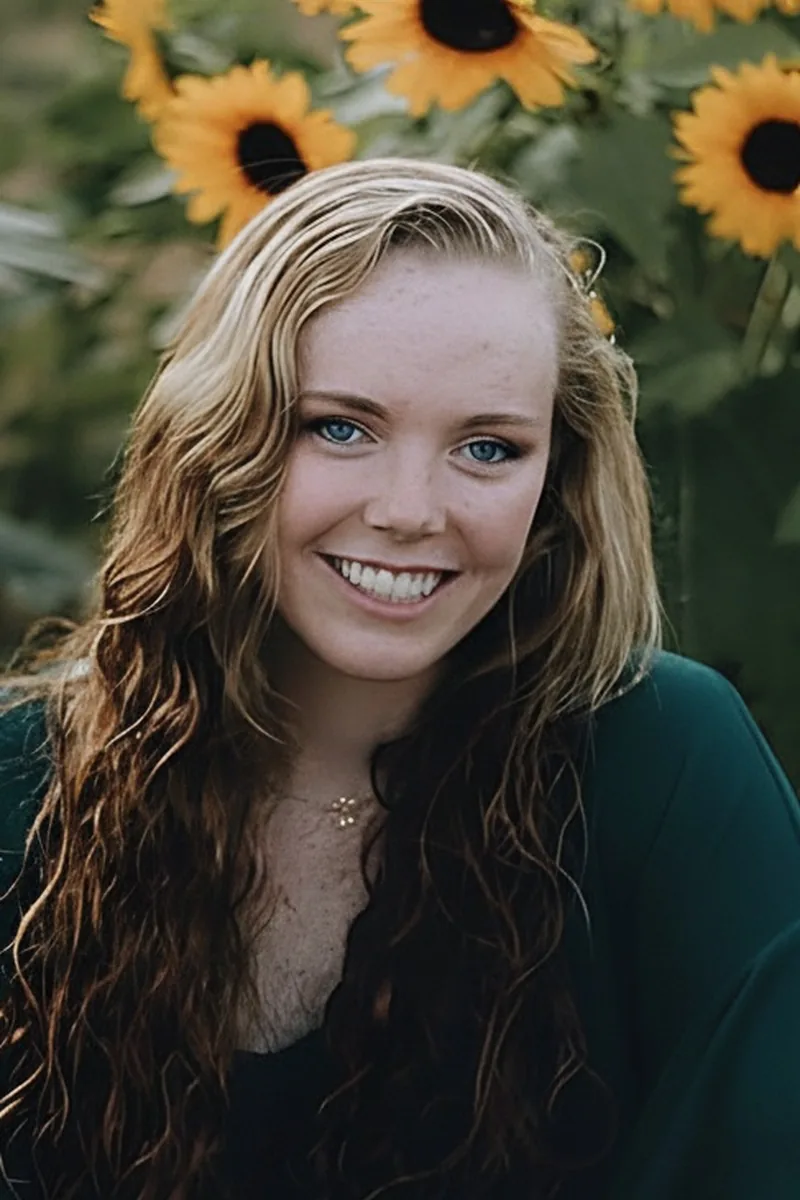
Shea's Sustainable Communities minor at Georgia Tech gives her direct academic grounding in the ecosystems, resource cycles, and policy frameworks that drive AP Environmental Science. She unpacks topics like biogeochemical cycles and human impact on biodiversity by connecting them to real sustainability case studies rather than treating them as isolated vocabulary lists. That cross-disciplinary perspective is exactly what the APES free-response questions reward.

Finance majors learn to model complex systems with multiple interacting variables — resource scarcity, cost-benefit trade-offs, long-term risk — and Rinky applies that same analytical framework to APES topics like resource depletion, environmental cost analysis, and sustainability trade-offs that show up heavily in free-response prompts. Her 1520 SAT and 5.0 tutoring rating speak to the precision she brings when walking through the data-interpretation and calculation questions that surprise students expecting a soft science course.
I am a 3rd year bio major at GT with minors in biochemistry and computer science. My tutoring subjects are math, bio, and chem. I have tutored for a few years, and I have also TAed! My favorite subjects are general chemistry and molecular biology (: My personal belief is that anyone can enjoy a subject once they truly understand it.
Pharmacy students spend semesters on toxicology, chemical fate in biological systems, and dose-response relationships — concepts Amy applies directly to APES units on pollution, bioaccumulation, and human health impacts. Her biology minor at Northeastern reinforces the ecological side, from nutrient cycling to population dynamics, and a 1550 SAT signals the quantitative precision needed for the exam's calculation-heavy free-response questions. Rated 4.9 by students.
As a PhD student researching microbial ecology, Isaac lives the material that AP Environmental Science covers — biogeochemical cycles, ecosystem dynamics, biodiversity loss, and human impact on natural systems. He brings current research context into exam prep, connecting FRQ strategies to the kind of scientific reasoning the College Board actually rewards. His 5.0 rating speaks to how well that approach lands with students.
An anthropology degree might seem like an unusual background for APES, but it's surprisingly relevant — Libby understands human-environment interactions, resource use patterns, and cultural dimensions of environmental policy, which are exactly the themes the exam's free-response questions probe. She teaches students to think about ecological problems through the lens of human systems, connecting topics like land use, pollution, and sustainability to the societal forces driving them. Rated 5.0 by students.
A Harvard-trained researcher who wrote his senior thesis on John Dewey's philosophy of education, Henry connects AP Environmental Science topics like biogeochemical cycles and ecosystem dynamics to the real-world policy debates that make them matter. He teaches students to interpret data sets and construct free-response answers that earn full credit by linking evidence to scientific claims.
Eric's degree in Ecology & Evolutionary Biology means he studied the actual science behind APES — population ecology, species interactions, and ecosystem-level processes — not just the survey-course version. He teaches students to think about environmental problems the way an ecologist would, tracing how a disturbance like deforestation or nutrient loading ripples through trophic levels and feedback loops until the full picture clicks.
Geology is the backbone of half the APES curriculum — soil composition, rock cycles, groundwater contamination, plate tectonics shaping biomes — and David studied it as his actual major at Occidental College, with economics coursework that adds context for the resource-management and cost-benefit policy questions. He breaks down earth systems into their component processes so students can trace how a single change, like aquifer depletion or volcanic emissions, ripples through connected environmental outcomes on the free-response section. Rated 5.0 by students.
Katie holds a master's in science education and a bachelor's in natural resources and conservation — meaning she didn't just study APES topics like land use, biodiversity, and resource management as exam content; they were her actual field of study. She teaches students to think in cause-and-effect chains across units, connecting deforestation to soil erosion to water quality decline, which is exactly the kind of multi-step reasoning the free-response rubrics reward. Rated 5.0 by students.
Sophie's Peace and Justice Studies program at Tufts dives deep into the social and policy dimensions of environmental issues, giving her a perspective on AP Environmental Science that goes well beyond textbook ecology. She connects topics like biodiversity loss, resource management, and pollution legislation to the real-world case studies that frequently appear on the AP exam's free-response questions.
Kiera is majoring in Ecology and Evolutionary Biology at Dartmouth, which means she's studying biodiversity, population dynamics, and ecosystem interactions at a level well beyond what the APES exam requires — and her engineering modification adds the quantitative rigor needed for calculations like energy transfer efficiency and ecological footprint math. She scored a 35 on the ACT and holds a 5.0 tutoring rating, bringing that same precision to the data-analysis and experimental-design questions that make up the bulk of the free-response section.
Todd's biology degree from UIUC gives him the ecological and cellular foundations that underpin APES topics like nutrient cycling, energy flow through trophic levels, and ecosystem disruption — and his social work training adds a surprisingly useful lens for the policy and human-impact questions that dominate the free-response section. He teaches students to trace cause-and-effect across units, which is the skill the exam actually scores on. Rated 5.0 by students.
Having earned her degree in Environmental Studies from Temple, Annie knows AP Environmental Science inside and out — from biogeochemical cycles and ecosystem energy flow to the policy and human-impact questions that dominate the free-response section. She also spent a gap year working on organic farms in New Zealand, which means topics like soil science, sustainable agriculture, and biodiversity loss come with firsthand context that sticks.
Stanford's Science, Technology, and Society major sits at the exact intersection APES lives in — where ecological science meets human systems, policy decisions, and technological trade-offs. Rithika's IB and National AP Scholar background means she's already navigated the kind of interdisciplinary, essay-heavy exams that APES models itself on, and she uses that experience to teach students how to connect scientific evidence to real-world environmental consequences in their free-response answers.
Testimonials
Because the right AP Environmental Science tutor makes all the difference.
Average Session Rating – Based on 3.4M Learner Ratings
Practice AP Environmental Science
Free practice tests, flashcards, and AI tutoring for AP Environmental Science
Nearby AP Environmental Science Tutors
Other Atlanta Tutors
Related Science Tutors in Atlanta
Frequently Asked Questions
AP Environmental Science covers eight major units: The Living World, Biodiversity, Populations, Earth Systems and Resources, Land and Water Use, Energy Resources and Consumption, Atmospheric Pollution, and Global Change. The course emphasizes real-world environmental problems and scientific principles, requiring you to understand both ecological concepts and their practical applications. You'll study everything from ecosystems and energy flow to climate change, pollution, and sustainable resource management, with an emphasis on data analysis and fieldwork.
The exam consists of two sections: a 90-minute multiple-choice section with 80 questions and a 90-minute free-response section with 3 questions. The multiple-choice section tests your understanding of concepts and ability to apply them to scenarios, while the free-response section requires you to analyze environmental problems, interpret data, and provide detailed explanations. Success requires both quick recall of key concepts and the ability to think critically about complex environmental issues under time pressure.
Score improvement depends on your starting point and effort level, but most students see meaningful gains with focused preparation. If you're struggling with conceptual understanding, tutors can help you grasp difficult topics like energy flow, population dynamics, or biogeochemical cycles—areas where many students struggle. If you're already scoring well, tutoring can help you refine your free-response writing, improve your test-taking strategy, and identify weak spots in your knowledge before exam day. Consistent practice with released exams and personalized feedback typically yields the best results.
Students often find energy flow and trophic levels challenging because they require understanding both the underlying physics and ecological principles. Population ecology—particularly carrying capacity, exponential vs. logistic growth, and population models—is another major stumbling block. Additionally, many students struggle with data interpretation on the exam, especially when they need to analyze graphs, calculate percentages, or draw conclusions from unfamiliar datasets. Biogeochemical cycles and atmospheric chemistry also tend to trip up students who haven't mastered the quantitative components of the course.
The free-response section rewards clear, organized thinking and specific environmental examples. Start by identifying what each question is asking—whether it's asking you to explain a concept, design a solution, or analyze data. Use the four-point rubric: provide a clear answer, support it with evidence or examples, explain the reasoning, and connect to broader environmental principles when appropriate. Practice writing under timed conditions to build confidence, and study sample responses from the College Board to understand what high-scoring answers look like. Many students benefit from learning to create quick outlines before writing to stay organized and hit all the points needed for full credit.
For the 90-minute multiple-choice section, aim to spend about one minute per question, leaving time to review difficult questions. For the free-response section, allocate roughly 30 minutes per question, which gives you time to read carefully, organize your thoughts, and write a complete response. Many students rush through the multiple-choice section and run out of time for free-response, so practice with a timer to find your rhythm. Prioritize accuracy over speed—it's better to answer 75 questions carefully than to rush through all 80 and make careless mistakes. Identify which question types slow you down and practice those specifically.
Varsity Tutors connects you with expert tutors for students in Atlanta who specialize in AP Environmental Science. When searching for a tutor, look for someone with strong knowledge of the AP curriculum, experience helping students prepare for the exam, and the ability to explain complex concepts clearly. Personalized 1-on-1 instruction is particularly valuable for AP prep because a tutor can assess your strengths and weaknesses, focus on challenging topics like energy flow or population dynamics, and give you targeted feedback on your free-response writing. Many students benefit from starting tutoring a few months before the exam to build a solid foundation.
Let’s find your perfect tutor
Answer a few quick questions. We’ll recommend the right plan and match you with a top 5% tutor.