Award-Winning Japanese Tutors
serving Atlanta, GA
Japanese
Tutors in Atlanta
Private 1-on-1 tutoring, weekly live classes for academic support, test prep & enrichment, practice tests and diagnostics, and more to elevate grades and test scores.
Based on 3.4M Learner Ratings
UniversitiesSchools & Universities
DeliveredHours Delivered
ProficiencyGrowth in Proficiency
Who needs tutoring?
No obligation. Takes ~1 minute.
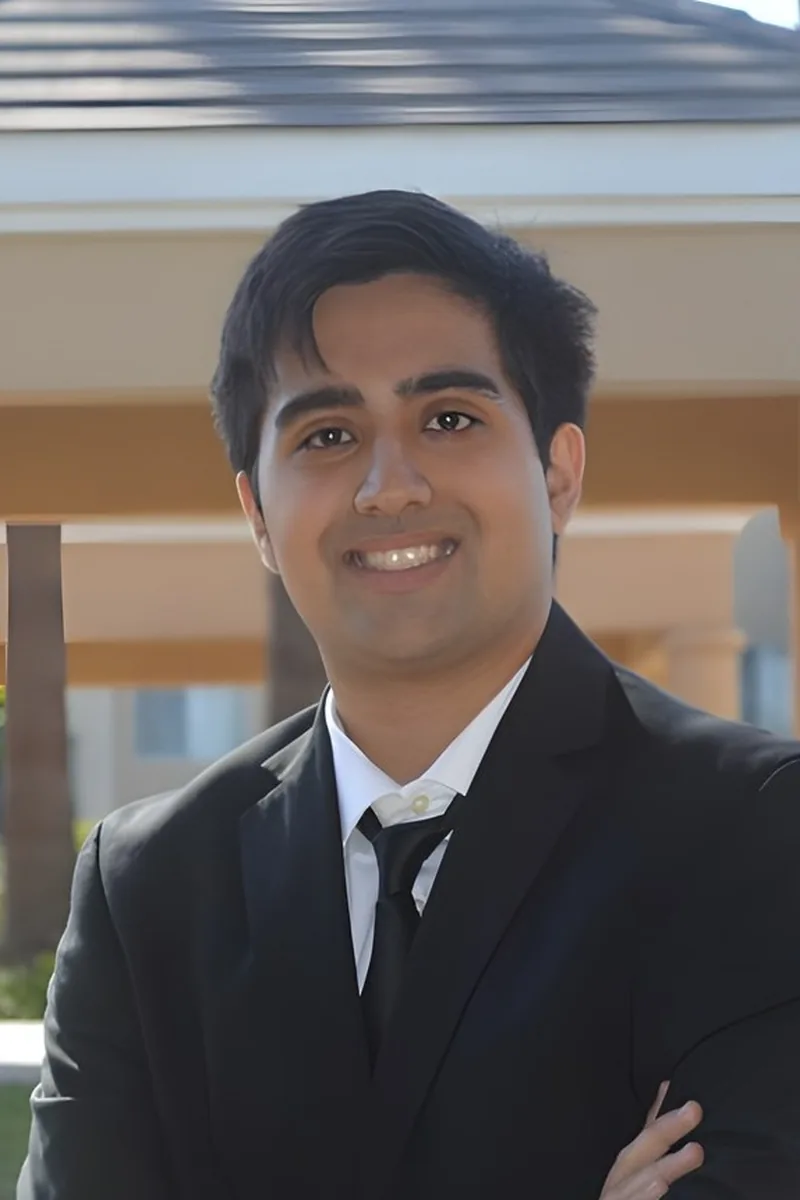
Having completed an Asian Languages minor at UCLA, Abrahim brings formal training in Japanese grammar, kanji acquisition, and reading comprehension to his tutoring. He approaches the language methodically — building from particle usage and verb conjugation patterns up to reading authentic texts — which works especially well for students who want structure rather than immersion-only learning.
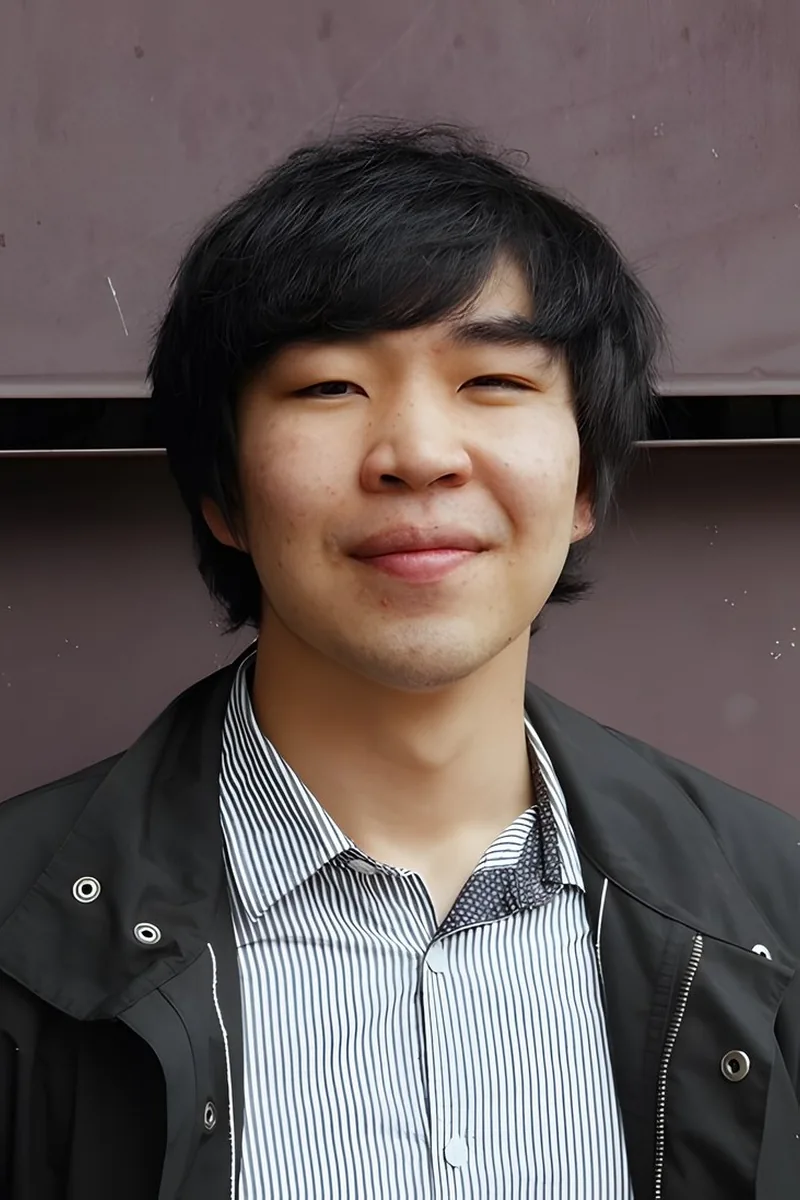
During his final summer at NYU, William traveled to Japan to study the language alongside traditional music and wartime film, grounding his Japanese in real cultural context. That immersive experience means he connects vocabulary and grammar to the situations where they're actually used — from reading signs and menus to discussing historical texts. He's especially strong at bridging the gap between textbook Japanese and how the language sounds in practice.
I am currently finishing my thesis. For the past two years I was an adjunct instructor at The City College of New York, teaching statistics and introductory neuroscience, where I learned the importance of communicating complicated concepts clearly at an individualized level. All of my classes performed above average, and I discovered how satisfying it is to help people understand difficult ideas. I've found that by creating a good rapport with my students I am able to more effectively impart difficult concepts to them while causing them less stress. My passion is people, which first led me to study psychology, leading to my work in statistics, and later into teaching.
Few Japanese tutors can combine formal academic study with real teaching experience in Japan — Sophie has both. Her East Asian Studies work at Princeton included intensive Japanese language training, and she spent time teaching English in Japan, which gave her deep familiarity with how the two languages map onto (and diverge from) each other. She tackles everything from hiragana and katakana basics to particle usage and keigo politeness levels.
As an Asian Studies major at Duke, Caitlin engages with Japanese language in an academic context that goes beyond textbook dialogues — she understands how kanji, hiragana, and katakana each function within the writing system and why particles like は and が trip up English speakers. She walks through sentence structure and honorific levels with cultural context that makes the grammar patterns memorable.
As a dedicated language tutor with several years of experience, I bring both expertise and enthusiasm to every lesson. I specialize in Chinese, Japanese, and basic Arabic, and I have had the privilege of guiding students of diverse ages and backgrounds through their language-learning journeys.
Studying Japanese as a minor at Columbia — with plans to eventually work in Japan's renewable energy sector — Shin uses the language as a living tool, not just a classroom exercise. He teaches everything from hiragana and katakana basics to intermediate grammar patterns like ~てしまう and ~ことにする, adjusting to each student's level and building real conversational confidence alongside written accuracy.
Cori is pursuing a Japanese minor at MIT, which means she's actively working through the grammar structures, kanji readings, and particle usage that trip up most learners. That proximity to the learning process gives her a practical sense of what sticks and what needs extra repetition.
Sho teaches Japanese with attention to the details that trip up English speakers most — particle usage, verb conjugation groups, and the shift between casual and polite registers. Whether a student is learning hiragana for the first time or working through intermediate kanji and grammar patterns, he brings structured practice to a language that rewards consistency.
Briana minored in Japanese at Michigan State, giving her a grounded understanding of the language's grammar patterns, particle usage, and writing systems — hiragana, katakana, and introductory kanji. She approaches Japanese as someone who learned it systematically in an academic setting, which means she can explain the "why" behind structures that often confuse English speakers.
I am particularly passionate about math as well as standardized test prep. I studied math on a double-accelerated track throughout middle school and high school, covering math from algebra to multivariable calculus. Aside from teaching academic subjects, I am also trained in playing the piano and violin, having taken lessons for piano from the ages of 4 to 18 and playing violin in my school orchestra from 5th to 12th grade. I love working with students to improve their skills in an area of study, and my favorite part is getting to see them gain confidence in themselves and their own abilities!
I'm a student at Brown University with an eclectic set of interests. I am trilingual, analytical, and creative and look forward to tutoring you! :)
Testimonials
Because the right Japanese tutor makes all the difference.
Average Session Rating – Based on 3.4M Learner Ratings
Nearby Japanese Tutors
Other Atlanta Tutors
Related Languages Tutors in Atlanta
Frequently Asked Questions
Verb conjugation is one of the trickiest aspects of Japanese grammar, but it becomes manageable with targeted practice. A tutor can break down conjugation patterns into logical groups, show you how they actually function in real conversations, and create personalized drills that focus on the specific verb forms you struggle with most. Rather than memorizing every conjugation as an isolated rule, tutors help you understand the underlying patterns so conjugation feels intuitive rather than memorized.
In a typical Atlanta classroom with a 12.7:1 student-teacher ratio, each student gets limited speaking time. With personalized 1-on-1 instruction, you're speaking continuously—not waiting for your turn. Tutors can adjust conversation difficulty in real-time, correct your pronunciation immediately, and focus on the specific situations you actually need to communicate in, whether that's casual conversation, business Japanese, or cultural contexts. This consistent, responsive speaking practice is what develops true conversational confidence.
Rather than memorizing kanji in isolation, effective tutoring combines multiple strategies: learning characters alongside vocabulary in context, using spaced repetition to revisit characters over time, and understanding kanji building blocks (radicals) so new characters feel logical rather than random. Tutors can also help you recognize which characters appear most frequently in reading materials you care about, helping you prioritize learning. This strategic approach makes kanji feel like a puzzle to solve rather than an endless memorization task.
Absolutely. While textbooks teach grammar rules, native speakers of Japanese use language in ways that don't always follow textbook patterns. Tutors can expose you to real conversations, explain cultural nuances in how language is actually used, and help you understand when formal vs. casual speech is appropriate. They can also incorporate authentic materials—podcasts, news, anime, or business correspondence—into your lessons so you're building intuition for how native speakers actually communicate rather than just learning isolated rules.
If you're taking Japanese in one of Atlanta's 219 schools, a tutor can review your class materials and curriculum to provide targeted support exactly where you need it. They can reinforce what you're learning in class, help you prepare for tests and presentations, and fill in gaps in understanding. For students not yet in Japanese classes but wanting to get ahead, tutors can follow standard Japanese proficiency progressions—typically starting with hiragana and katakana, moving through JLPT-aligned grammar, and building toward conversational fluency.
Japanese pronunciation is actually more consistent than English—once you learn the sound patterns, you can read most words correctly. However, pitch accent (where the stress falls in a word) and natural intonation patterns are important for sounding fluent and being understood. A tutor can train your ear to recognize pitch patterns, give you immediate feedback on your pronunciation, and help you develop the muscle memory for sounds that don't exist in English. Regular practice with a native or near-native speaker significantly accelerates accent improvement.
Language experts estimate approximately 2,200 hours of study to reach professional proficiency in Japanese, but conversational fluency comes much sooner—typically 600-750 hours of focused study for many learners. The timeline varies based on your starting point, how frequently you study, and how much you practice speaking. With personalized tutoring combined with consistent self-study, many students can hold basic conversations within several months and reach intermediate conversational ability within a year. Tutors help accelerate this progress by providing efficient, targeted instruction rather than generic classroom pacing.
Let’s find your perfect tutor
Answer a few quick questions. We’ll recommend the right plan and match you with a top 5% tutor.