Award-Winning French Tutors
serving Miami, FL
French
Tutors in Miami
Private 1-on-1 tutoring, weekly live classes for academic support, test prep & enrichment, practice tests and diagnostics, and more to elevate grades and test scores.
Based on 3.4M Learner Ratings
UniversitiesSchools & Universities
DeliveredHours Delivered
ProficiencyGrowth in Proficiency
Who needs tutoring?
No obligation. Takes ~1 minute.
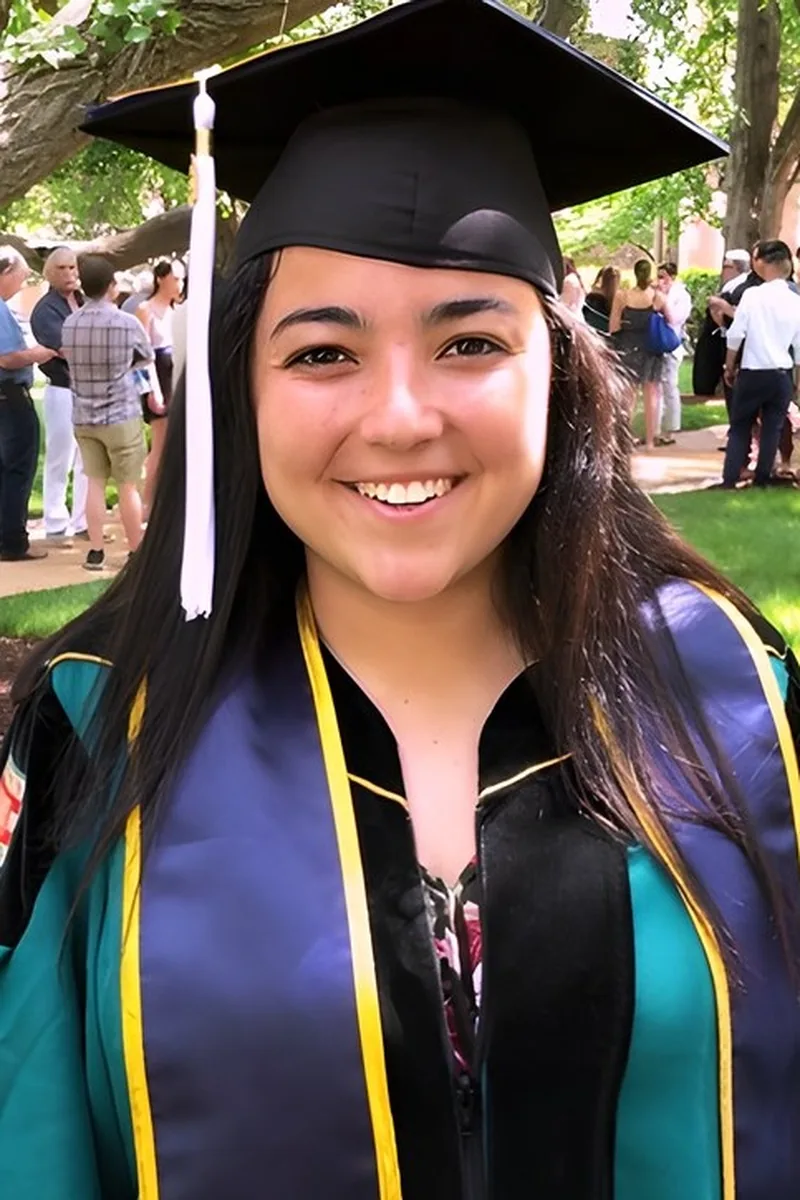
Spending a semester abroad in France during high school immersed Manuela in everyday French — navigating conversations, reading local news, and picking up the informal speech patterns that classroom French often skips. She pairs that real-world fluency with a Romance Languages degree, so she can unpack tricky concepts like the passé composé vs. imparfait distinction or pronoun placement in compound tenses with genuine clarity.
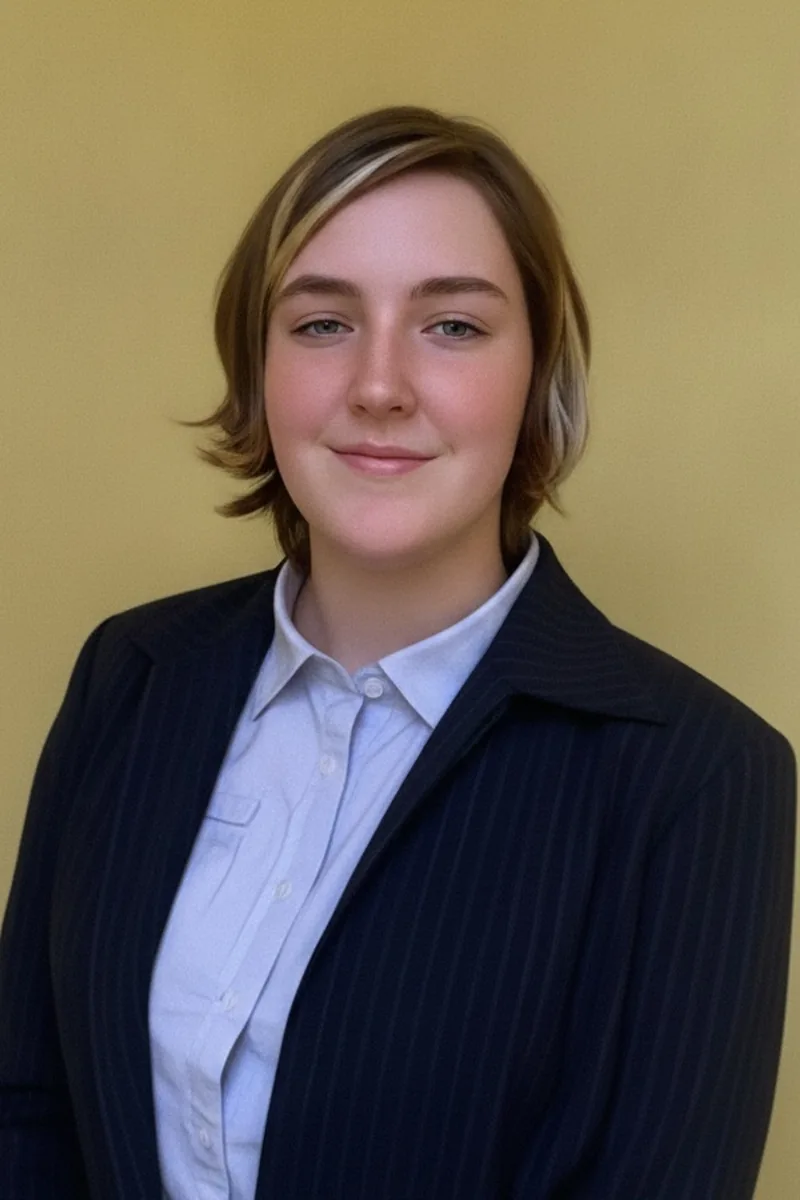
Kelsey's background in French covers foundational grammar — verb conjugations, gendered nouns, and essential sentence structures — along with reading comprehension and basic composition. Her liberal arts training makes her especially effective at teaching students to parse written French, since close reading is the backbone of her entire education at St. John's College.
I am currently graduating from School for Advanced Studies high school and Miami Dade College with my Associates in Art both simultaneously. I am going to continue my education at Carnegie Mellon University. I tutor my peers and anyone that needs help in my family. I have a pretty wide range of what I can teach because of all the different people that need help. I am also able to teach in different ways to make sure that the student understands and masters the materials given. I tutor in all types of math and am flexible with the type of math students need help with. On my free time I play the French Horn with my school band and hang out with family and friends.
I am committed to providing a well-rounded, tailored, and fulfilling educational experience for your child.
I am passionate about business, economics, and management and have nearly ten years of experience. I believe that when one teaches, two learn-the student and the teacher.
As a native French speaker who also mastered English, Spanish, Italian, and Haitian Creole, Muriel approaches French instruction with an ear for the subtle pronunciation and liaison rules that textbooks gloss over. She digs into the grammatical details that separate intermediate learners from fluent ones — partitive articles, subjunctive mood in subordinate clauses, and the nuances of formal versus informal register. Students get a tutor who can explain why French works the way it does, not just what the rules are.
A double major in Drama and French and Francophone Studies, Charley studied the language through literature, theater, and cultural history — not just grammar textbooks. That background means she teaches everything from conversational basics to intermediate reading with an ear for how French actually sounds and a sense for the cultural context behind the words. Rated 5.0 by students.
I am a highly dedicated, creative, and passionate educator with a Master of Arts in Teaching Foreign Languages with a Major in French from the Lewis & Clark Graduate School of Education & Counseling, and a Bachelor of Arts in Music from Lewis & Clark College, with whom I had a full tuition undergraduate scholarship. I have over 15 years of experience in education, including over 10 years of experience teaching French. I earned my 5-year FL Professional Certificate for World Language - French, Grades K-12, the highest teaching certificate the state of FL has to offer.
Living in Paris gave Emily the kind of French fluency that textbooks can't replicate — an ear for liaison, a feel for register, and comfort navigating everything from formal written correspondence to casual spoken slang. She teaches grammar concepts like the subjunctive and passé composé vs. imparfait by grounding them in real French usage, so students internalize the logic instead of just memorizing rules.
With degrees in Romance Languages and a deep background in Spanish at multiple levels, Osmel understands how Romance language grammar systems connect — making it easier to unpack French verb conjugations, gendered nouns, and sentence structure by highlighting patterns shared across the language family. He teaches French alongside conversational Spanish and literature, so lessons naturally weave in the kind of cross-linguistic awareness that speeds up vocabulary retention and grammatical intuition. Rated 5.0 by students.
Maria studied French through all four levels and brings a methodical approach to the language, breaking down verb conjugations, grammatical gender, and sentence structure so patterns become visible instead of arbitrary. She's particularly effective at connecting new grammar concepts back to fundamentals, which keeps students from getting lost as French gets more complex. Rated 5.0 by students.
Aubrie holds a bachelor's degree in French, which means she doesn't just teach verb conjugations — she explains the logic behind gendered nouns, the nuances of passé composé versus imparfait, and the pronunciation patterns that make spoken French feel natural. Whether a student is starting with bonjour or preparing to read Camus, she adapts her approach to the level.
Studying linguistics at Boston University gave Zachary a deep understanding of how languages are structured — from phonology and morphology to syntax — which he applies directly to teaching French grammar patterns like subjunctive triggers, pronoun placement, and gendered agreement. He approaches French as a system with predictable rules rather than a list of exceptions to memorize.
Learning French grammar — verb conjugations, gendered nouns, the subjunctive — benefits from systematic thinking. Parker's computer science training means he naturally breaks language rules into logical patterns, making concepts like passé composé versus imparfait feel more like solvable puzzles than arbitrary memorization.
Gabriel studied French through the advanced level, covering verb conjugation systems, pronoun usage, and conversational fluency across multiple course levels. He unpacks tricky grammar concepts like the subjunctive and passé composé vs. imparfait distinction in ways that make the underlying logic visible, not just the rules.
Learning French grammar — verb conjugations, gendered nouns, the subjunctive — goes faster when a student understands the patterns behind the rules. Lane teaches across every level from beginner to advanced, so he knows exactly which foundations to reinforce before introducing more complex structures like relative pronouns or the passé composé versus imparfait distinction.
I am a student at Juniata College in Pennsylvania studying Environmental Science and French. I am passionate about tutoring and I have worked as a tutor for international studentsl. I have been taking French for eight years and will study abroad this coming June. I firmly believe that every student is capable of reaching their full potential with the right training for them. I believe in the importance of tutor flexibility and I am willing to meet students where they are, accommodating a wide variety of student learning styles.
As a French major who studied the language through advanced literature and cultural analysis, Xaviera brings depth that goes well beyond conjugation drills. She connects grammar concepts like the subjunctive and passé composé to real usage — showing students how French actually sounds and functions in context. From beginning vocabulary to complex written expression, she adapts to each level.
While French isn't Cindy's primary language specialty, her experience learning and teaching multiple languages gives her a structured approach to grammar, verb conjugation, and vocabulary acquisition. She's especially effective at showing students how to decode reading passages and write clear, grammatically sound compositions.
Teaching Spanish, Italian, and French gives Katherine a Romance language toolkit — she can show students exactly how French conjugation patterns, gendered nouns, and sentence structures map onto (and diverge from) languages they may already know. Her English degree and graduate work in religious studies also mean she's comfortable guiding learners through French reading comprehension, from simple passages to more nuanced texts. Rated 5.0 by students.
Margot's French studies span grammar, reading comprehension, and cultural context — from mastering passé composé versus imparfait to navigating authentic French texts. She connects language rules to real usage patterns so that conjugation tables start making intuitive sense rather than feeling like rote memorization.
Grammar tables and verb conjugations only stick when they're connected to actual communication, not drilled in isolation. Ruthie teaches French by linking structures like the passé composé and imparfait to the situations where each one naturally appears, building both accuracy and confidence. Her 5.0 rating speaks to an approach that keeps students engaged rather than overwhelmed.
From navigating gendered nouns to mastering the passé composé versus imparfait distinction, French is full of concepts that need more than rote memorization. Daniel studied French through the advanced level at Penn and uses that depth to explain not just what the rules are but why they exist. He connects reading, writing, and speaking practice so students build genuine comfort with the language.
Learning French well means internalizing patterns — when to use the subjunctive, how object pronouns rearrange in compound tenses, why certain prepositions follow certain verbs. Martha treats these not as arbitrary rules but as a system students can reason through, drawing on her background in psychology to understand how learners actually acquire and retain new structures. She's taught French from introductory through advanced levels and holds a 5.0 client rating.
Though her primary expertise runs through biology and medicine, Amanda's structured, analytical approach to learning transfers well to picking apart French grammar — she treats verb conjugation patterns and noun-gender rules like systems to decode rather than lists to memorize. Her experience preparing for the SAT Spanish with Listening exam also means she's familiar with the discipline of foreign language study, from building vocabulary systematically to training your ear for spoken comprehension.
Having prepared for and taught the SAT French and SAT French with Listening exams, Andrew brings real familiarity with French grammar — verb conjugations, pronoun usage, subjunctive triggers, and the idiomatic phrases that trip up intermediate learners. He takes an analytical approach to the language, which works especially well for students who think in logical structures.
Eight months living and studying in France gave Kate the kind of fluency that textbooks alone can't provide — she knows how French actually sounds and flows in real conversation. She covers everything from passé composé vs. imparfait distinctions to advanced reading comprehension, and she's tutored both high school and adult learners.
Sarah teaches French through all four levels, from foundational verb conjugations and gendered nouns in French 1 through the literary analysis and advanced grammar of French 4. Her approach ties vocabulary and structure together so that irregular verbs and subjunctive constructions start to feel like patterns rather than exceptions.
Jenna teaches French across all four levels, from foundational verb conjugations and gender agreement through advanced reading comprehension and composition. Her background in political science means she often draws on French-language news and political texts to make grammar and vocabulary feel purposeful rather than abstract.
Testimonials
Because the right French tutor makes all the difference.
Average Session Rating – Based on 3.4M Learner Ratings
Nearby French Tutors
Other Miami Tutors
Related Languages Tutors in Miami
Frequently Asked Questions
Speaking practice is one of the biggest challenges in traditional classrooms, where students often get limited time to talk. Varsity Tutors connects you with French tutors who dedicate sessions to conversation, helping you build confidence and fluency through real dialogue. Your tutor can focus on pronunciation, natural phrasing, and responding quickly—skills that are hard to develop without a dedicated conversation partner.
French verb conjugation is notoriously complex with multiple tenses, moods, and irregular verbs that don't follow predictable patterns. A tutor can break down conjugation systematically, showing you the logic behind patterns and giving you targeted practice on your specific weak areas. With personalized 1-on-1 instruction, you'll work through conjugation in context rather than memorizing tables, which helps the patterns stick.
Research on learning shows that spaced repetition and using words in meaningful contexts are far more effective than cramming vocabulary lists. Tutors use retrieval practice—asking you to recall and use words across conversations and writing—which strengthens memory retention. Your tutor can also help you connect new vocabulary to words you already know and to cultural contexts, making words more memorable.
Miami's public schools follow the Florida Department of Education standards for world languages, which emphasize communicative competency across reading, writing, speaking, and listening. Most schools use standards-based curricula that align with ACTFL (American Council on the Teaching of Foreign Languages) proficiency levels. If your student is working toward AP French, IB French, or a specific school curriculum, a tutor can align instruction with those exact requirements.
French pronunciation involves sounds that don't exist in English (like the French 'r' and nasal vowels), which requires targeted ear training and mouth positioning. A tutor can model correct pronunciation, listen to your speech in real-time, and give immediate feedback—something that's difficult to get in a classroom of 20+ students. Over time, this personalized feedback helps you internalize the sounds and develop a more natural accent.
Yes. Language and culture are deeply connected, and understanding French culture helps you use the language more naturally and authentically. Tutors can incorporate French media, current events, literature, and cultural discussions into lessons, giving you exposure to how native speakers actually communicate. This immersion-style approach makes learning more engaging and helps you understand the 'why' behind language choices, not just the grammar rules.
Your first session is an assessment and planning meeting. Your tutor will evaluate your current level across all four skills—reading, writing, speaking, and listening—and learn about your specific goals, whether that's improving conversation, preparing for an exam, or building foundational skills. From there, they'll create a personalized plan tailored to your needs and learning style, so every session that follows is focused and productive.
The best approach combines both. Understanding grammar rules gives you a framework and helps you avoid mistakes, but learning grammar in isolation often doesn't stick. Effective tutoring teaches grammar in context—through reading, conversation, and writing—so you understand the rules and naturally internalize them. Your tutor will balance explicit instruction with communicative practice, helping you develop both accuracy and fluency.
Let’s find your perfect tutor
Answer a few quick questions. We’ll recommend the right plan and match you with a top 5% tutor.