Award-Winning Executive Functioning Tutors
serving Miami, FL
Executive Functioning
Tutors in Miami
Private 1-on-1 tutoring, weekly live classes for academic support, test prep & enrichment, practice tests and diagnostics, and more to elevate grades and test scores.
Based on 3.4M Learner Ratings
UniversitiesSchools & Universities
DeliveredHours Delivered
ProficiencyGrowth in Proficiency
Who needs tutoring?
No obligation. Takes ~1 minute.
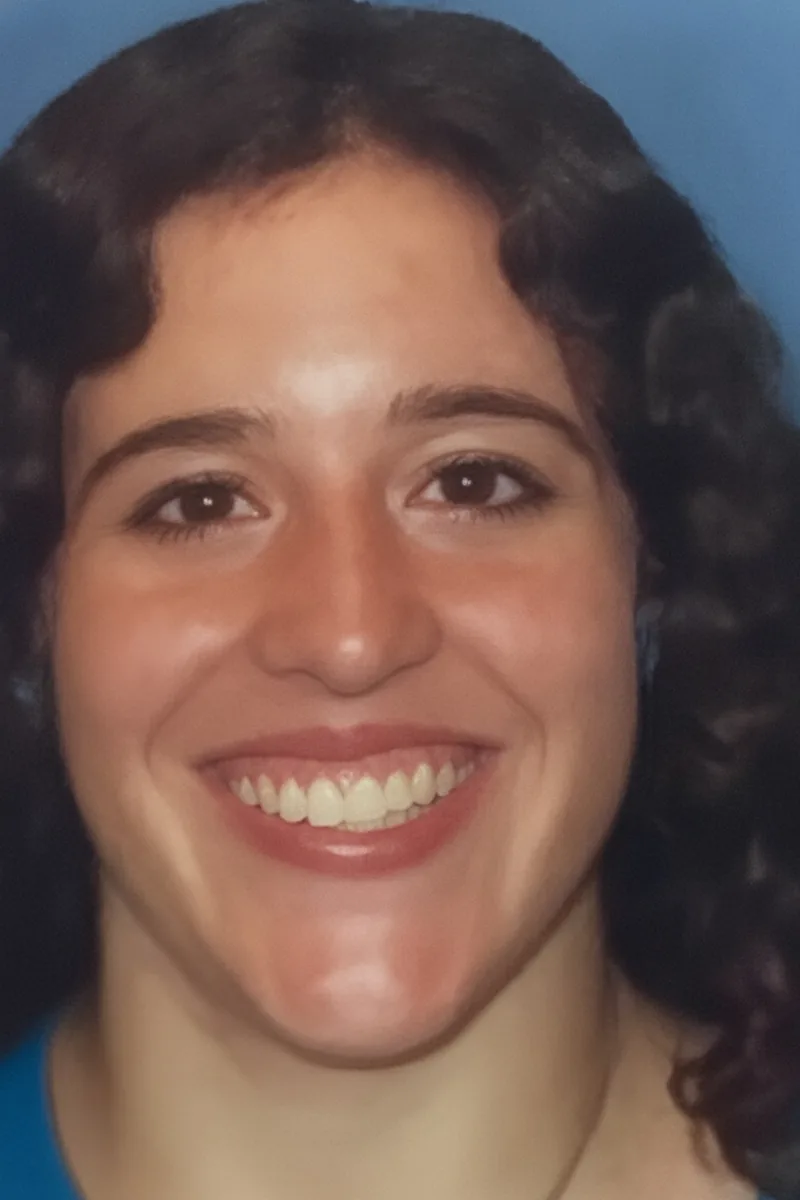
Medical school demands serious executive functioning — juggling anatomy, biochemistry, and clinical rotations means Kaitlyn has battle-tested systems for time management, task prioritization, and breaking large projects into manageable steps. She teaches students how to build their own planning routines, from using calendars effectively to chunking study sessions so material actually sticks. Rated 4.8 by students and families.
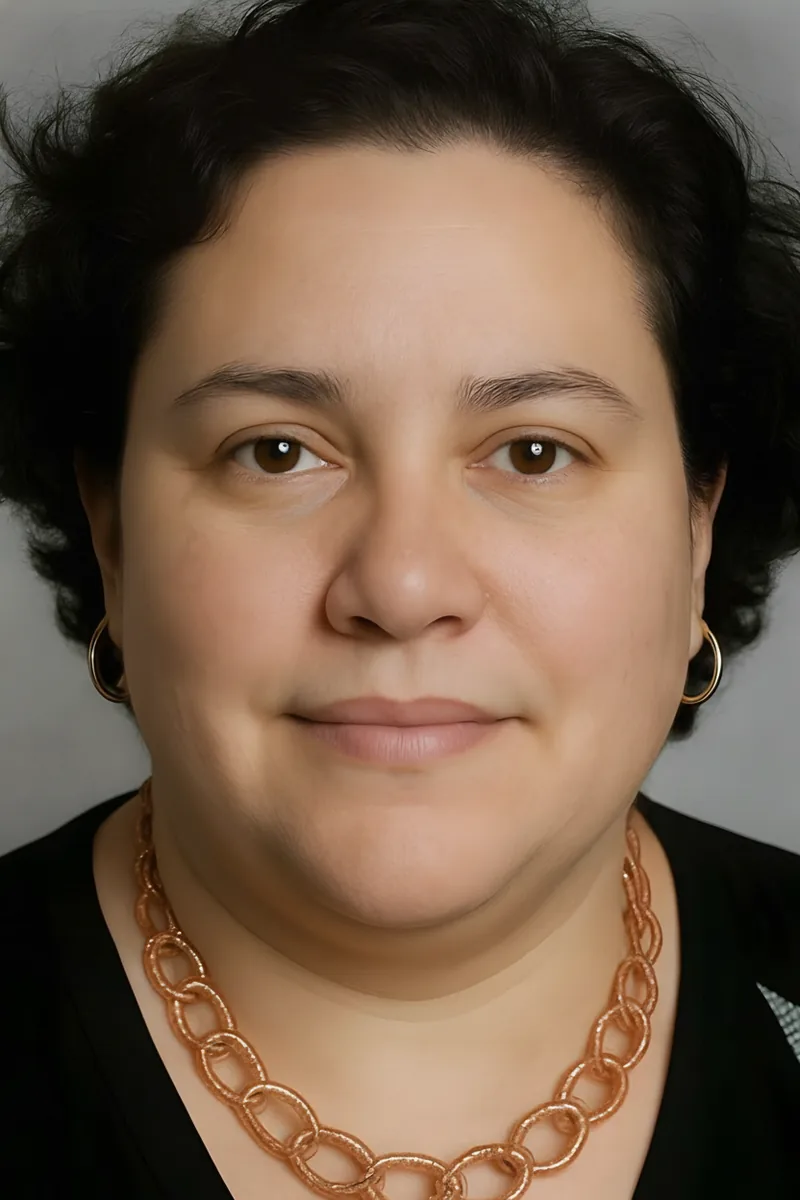
All students can learn, however, not all students learn the same way. The key to learning and the most important part of any teachers job is helping students understand how they learn best. That is what I do well.
Over two decades working with students on IEPs and 504 plans taught Dolmecia exactly where the hidden breakdowns happen — the kid who understands the math but can't start the problem set, or the one whose binder is a black hole of lost worksheets. Her special education certification and finance training give her both the behavioral framework and the structured, systems-oriented mindset to build concrete routines around task initiation, material tracking, and assignment planning tied to a student's actual schoolwork.
As a dedicated tutor with a Master's degree in Forensic Psychology from George Washington University and a Bachelor's in Psychology with a Minor in Special Education from James Madison University, I am passionate about fostering a supportive learning environment for my students. With over 2 years of experience in special education, I utilize a personalized approach that focuses on each student's unique strengths and challenges. My teaching philosophy centers on creating engaging and interactive lessons that promote critical thinking and confidence. I am motivated by the opportunity to help students achieve their academic goals and develop a love for learning. I have a passion for the language arts and love reading and writing while also valuing math and science. In my free time, I enjoy playing and watching sports, traveling, and spending time with family and friends.
Hello! My name is Sam Bicking. I am an alumni and student at The University of Pennsylvania studying Pre-health sciences before entering medical school. I have been tutoring for several years with students with disabilities (and amazing students without disabilities).
Kenneth's cognitive neuroscience degree means he understands the brain science behind why some students struggle to initiate tasks, regulate attention, or hold a plan in working memory — and that understanding shapes how he teaches these skills rather than just assigning them. He connects executive functioning strategies like sequencing and self-monitoring directly to the academic work students bring in, whether that's structuring a college essay or mapping out a study plan for chemistry.
Candice's Fulbright teaching experience in Taiwan and her years as a classroom aide and afterschool mentor gave her constant practice recognizing when a student's real obstacle isn't the content but the inability to start, sequence, or sustain a task independently. She weaves executive functioning strategies — like breaking a writing assignment into discrete stages or building a nightly homework launch routine — directly into the English and literacy work she already does with students. That integrated approach means kids practice planning and self-monitoring on real schoolwork, not hypothetical scenarios.
Tutoring across 46 subjects — from elementary math to organic chemistry to college essays — means Adel constantly sees which organizational habits transfer across disciplines and which ones students are missing. His biochemistry training at Georgia Tech required coordinating lab work, problem sets, and writing simultaneously, so he teaches students concrete strategies for prioritizing tasks, estimating how long assignments actually take, and building weekly workflows that prevent last-minute scrambles. Rated 5.0 by clients.
Planning a multi-step essay, breaking a semester-long project into weekly milestones, keeping track of deadlines across six classes — these are executive functioning challenges Gabby addresses directly. Her five-plus years as a tutor and writing coach have centered on building concrete systems for organization, time management, and task prioritization that students can actually maintain on their own.
Breaking large assignments into sequenced steps, building weekly planning routines, managing deadlines across multiple classes — Manuel tackles the organizational side of academics that often goes untaught. His structured approach to executive functioning gives students concrete systems they actually use, not just advice to "stay organized." Rated 5.0 by students.
Jamie's Master's in Special Education gave her direct training in breaking executive functioning into teachable skills — things like planning multi-step assignments, managing time with visual schedules, and self-monitoring progress without constant prompting. She builds these strategies into real schoolwork so students practice organization and task initiation where it actually matters, not in isolation.
Planning a multi-step assignment, managing time across subjects, keeping materials organized — these are skills most schools expect but rarely teach explicitly. Charles's counseling psychology training gives him concrete strategies for building these executive functioning habits, from using visual task breakdowns to teaching students how to self-monitor their own focus and prioritize effectively.
Planning, time management, task initiation, emotional regulation — executive functioning deficits show up differently in every student, and Mati's doctoral training in learning disabilities means she can pinpoint which skills are lagging and why. She builds individualized systems like visual schedules, chunked assignments, and self-monitoring checklists that students actually use because they're designed around how each person's brain works, not a generic planner template.
Planning a multi-step project or breaking a semester's worth of material into a weekly study schedule requires the same structured thinking Andrew used throughout his engineering and MBA programs. He teaches students concrete systems for prioritizing tasks, managing time, and organizing materials so that deadlines stop feeling like emergencies. Rated 4.8 by students and families.
Balancing a double major in psychology and biology while preparing for medical school forced Karim to build real systems for task prioritization, time blocking, and breaking long-term projects into manageable steps. He teaches those same strategies — planning backwards from deadlines, organizing materials, and self-monitoring progress — so students can manage their own workloads independently.
Testimonials
Because the right Executive Functioning tutor makes all the difference.
Average Session Rating – Based on 3.4M Learner Ratings
Nearby Executive Functioning Tutors
Other Miami Tutors
Frequently Asked Questions
Executive functioning refers to the mental processes that help us plan, organize, manage time, and complete tasks—skills that are essential for academic success and daily life. Many students in Miami's schools struggle with executive functioning because classroom environments often don't provide individualized support for these specific skill gaps. With an average student-teacher ratio of 18.6:1 across Miami's districts, teachers have limited ability to work one-on-one with students who need extra help developing organizational systems, breaking down assignments, or managing distractions. Students with weak executive functioning may appear capable academically but still struggle to submit work on time, keep materials organized, or approach complex projects systematically.
In a traditional classroom setting, teachers must deliver instruction to 18+ students with varying needs, making it difficult to customize organizational strategies or time-management systems for individual learners. Personalized 1-on-1 instruction allows tutors to assess exactly where a student struggles—whether it's planning multi-step projects, managing competing deadlines, or organizing digital files—and build targeted strategies that match their learning style and specific challenges. A tutor can also work directly with a student's existing assignments and teachers' expectations, helping them apply executive functioning skills in real time rather than practicing abstract techniques. This focused approach leads to measurable improvements because strategies are customized to the student's actual school environment and workload.
Elementary students should build foundational skills like following multi-step directions, organizing materials, and completing tasks with reminders. Middle school students need stronger time management, the ability to break larger projects into smaller steps, and basic planning for assignments due across multiple classes. High school students must develop advanced skills including managing complex project timelines, maintaining multiple organizational systems, prioritizing competing deadlines, and independently monitoring their progress. Miami students also need these skills to successfully navigate the transition between grade levels and to handle the increased independence expected in high school and beyond. Personalized instruction helps students master age-appropriate executive functioning skills and build on them progressively, rather than falling behind due to skill gaps.
The most frequent challenges include: difficulty breaking large projects into manageable steps (which leads to procrastination and rushed work), struggling to organize materials across multiple classes or subjects, trouble tracking multiple assignment deadlines simultaneously, difficulty transitioning between tasks or classes, and challenges with sustained focus when work feels overwhelming. Many Miami students also struggle with what's called "task initiation"—knowing how to start an assignment even when they understand the material. Additionally, working memory challenges can make it hard for students to hold multiple instructions in mind while completing complex tasks. Tutors help students develop concrete systems and habits to address each of these areas, turning abstract advice like "stay organized" into specific, actionable strategies.
Signs that your student may benefit from executive functioning tutoring include: frequently losing assignments or materials despite understanding the content, struggling to start or complete homework even with clear instructions, having trouble estimating how long tasks will take, missing deadlines despite having plenty of time, appearing disorganized despite being intelligent, difficulty managing multiple assignments at once, or having assignments that are incomplete or messy even though the student clearly knows the material. You might also notice that your student can explain what they need to do but struggles to actually do it, or that they need constant reminders to stay on task. These are red flags that executive functioning skills—rather than academic ability or effort—are the barrier to success. An initial consultation can help identify specific skill gaps and whether personalized instruction is the right fit.
Absolutely. Executive functioning skills are learnable strategies and habits, not fixed traits. Research on learning and skill development shows that with structured practice, explicit instruction, and consistent application, students can significantly improve their ability to plan, organize, and manage tasks. The key is that improvement requires personalized coaching—students need someone to help them understand their specific weaknesses, practice new strategies in real contexts (like their actual homework and projects), and gradually internalize these skills until they become automatic. Many students see measurable improvement in grades, assignment completion, and overall organization within weeks of starting personalized instruction, because the strategies are tailored to their unique needs and applied immediately to their schoolwork. Improvement accelerates when students consistently practice these skills across different subjects and assignments.
Varsity Tutors connects you with expert tutors who specialize in executive functioning and understand how to teach organizational and time-management skills to Miami students. The process starts with a conversation about your student's specific challenges—whether they struggle most with organization, time management, task initiation, or managing multiple deadlines. Based on that information, you'll be matched with a tutor whose expertise and teaching style align with your student's needs. You can then meet with the tutor to discuss goals and begin personalized instruction that focuses on building concrete systems and habits your student can apply immediately to their classes. Most students and families find it helpful to start with an initial session to see if the fit is right before committing to ongoing tutoring.
Let’s find your perfect tutor
Answer a few quick questions. We’ll recommend the right plan and match you with a top 5% tutor.