Award-Winning AP Chinese Language and Culture Tutors
serving Miami, FL
AP Chinese Language and Culture
Tutors in Miami
Private 1-on-1 tutoring, weekly live classes for academic support, test prep & enrichment, practice tests and diagnostics, and more to elevate grades and test scores.
Based on 3.4M Learner Ratings
UniversitiesSchools & Universities
DeliveredHours Delivered
ProficiencyGrowth in Proficiency
Who needs tutoring?
No obligation. Takes ~1 minute.
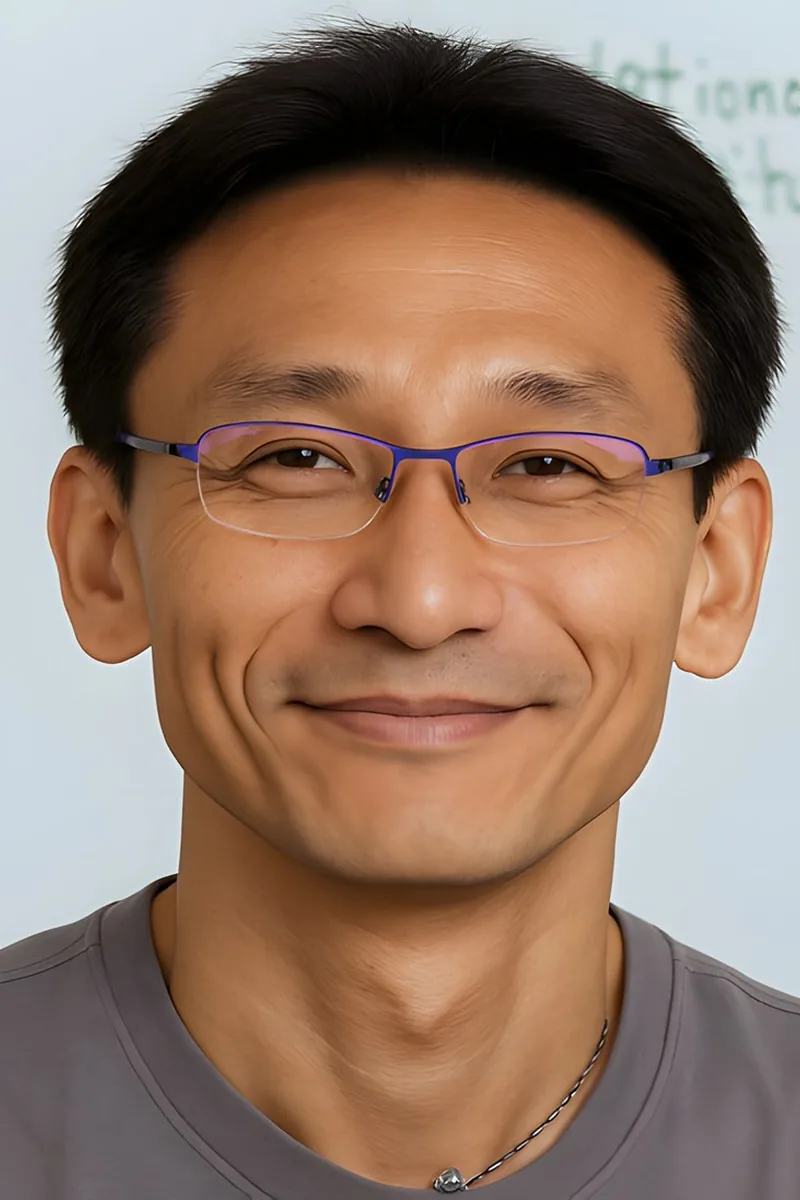
Ten years teaching Mandarin in public schools — from absolute beginners through AP — means Paulkey has watched hundreds of students hit the same walls on the AP Chinese exam, especially the interpersonal response tasks where students freeze up trying to produce spontaneous, culturally appropriate Mandarin in real time. He pairs that classroom experience with a computer science background that makes his prep unusually structured: timed drills, systematic vocabulary review, and targeted practice on the listening comprehension passages that reward quick processing over perfect translation.

The AP Chinese Language and Culture exam tests more than vocabulary — it requires students to compare cultural practices, narrate stories in real time, and write structured responses under pressure. Yiyu, educated in Beijing before earning her M.S. in Education, unpacks the cultural knowledge embedded in each task type and drills the specific speaking and writing patterns that earn top scores.
Patricia's favorite subjects to tutor include beginner's and intermediate Chinese, and she brings that same enthusiasm to AP-level prep — particularly the listening comprehension and reading sections where students need to parse formal written Mandarin beyond everyday conversation. She also teaches across multiple Mandarin levels, so she can quickly identify which foundational gaps in grammar or vocabulary are holding a student back on timed exam tasks.
Fluent in Mandarin and experienced with the AP Chinese exam format, JF tackles the presentational writing and interpersonal speaking components that trip up even heritage speakers. He digs into the cultural comparison prompts specifically, showing students how to structure responses that hit every rubric criterion.
A literature degree paired with fluency in both Mandarin and Cantonese gives Bronwen an unusual edge on the AP Chinese exam's interpretive reading section, where students encounter texts that demand literary analysis skills — not just language ability. She teaches across all four Mandarin levels and scored 1530 on the SAT, reflecting the kind of close-reading discipline she brings to coaching students through the exam's densest written passages. Rated 5.0 by students.
Having grown up in China and studied at both UW-Madison and Bonn University in Germany, Mingxi brings native Mandarin fluency and a multilingual learner's awareness of how language structures differ — an edge that's especially useful for the AP Chinese exam's interpersonal response tasks, where students must produce natural, register-appropriate Mandarin on the spot. She also teaches across three levels of Mandarin Chinese, so she can quickly diagnose whether a student's weak spots are tonal, grammatical, or rooted in limited exposure to formal written conventions. Rated 4.7 by students.
Barry grew up in China, took the AP Chinese Language and Culture exam himself, and spent years tutoring Chinese 4 students in high school. He knows exactly where the exam tests cultural nuance — from interpreting idiomatic expressions to navigating the presentational writing and speaking prompts — and prepares students for those specific demands.
The AP Chinese Language and Culture exam tests more than vocabulary — it demands cultural literacy, formal register switching, and the ability to compare Chinese and American perspectives in real time. Ya grew up in Taiwan and earned her master's in Foreign Language Education (Chinese) at NYU, so she teaches students to navigate the interpersonal and presentational speaking tasks with native-level cultural nuance. She also drills the specific reading and listening strategies that trip up heritage and non-heritage speakers alike.
Most AP Chinese prep zeroes in on language mechanics, but the exam's interpersonal speaking prompts also reward the kind of natural conversational flow that comes from genuine cultural immersion — something Yuyi brings as a native Mandarin speaker who also studied English and psychology at the university level. That dual-language academic background makes her especially effective at coaching students through the interpretive reading section, where parsing formal written Mandarin requires more than character recognition.
Beyond typical classroom exposure, Cynthia pursued Chinese seriously enough to earn a university minor in the language, which means she's comfortable with the reading comprehension, listening, and cultural knowledge components the AP exam tests. She walks students through strategies for the interpersonal and presentational speaking tasks, where scoring well depends on fluid responses and appropriate use of idiomatic expressions.
Paul is one of those rare tutors who operates at an advanced level in both Mandarin Chinese and a second foreign language, giving him unusual insight into how tonal languages, character-based writing systems, and cultural frameworks interact on the AP exam. He zeroes in on the interpersonal and presentational communication tasks, coaching students through the real-time speaking and writing prompts that carry the most weight.
After a decade teaching middle schoolers in a Chinese immersion school in California, Ruth knows exactly where students' spoken Mandarin starts to buckle under the pressure of timed AP tasks — especially the presentational speaking prompts that demand formal structure and clear tonal precision on the fly. She also taught History and Theater entirely in Chinese, which means her students get exposure to the kind of cross-disciplinary cultural vocabulary that the exam's reading and listening passages actually test. Rated 5.0 by students.
With an economics degree and fluency across four levels of Mandarin Chinese, Alexander brings a practical, content-rich angle to AP Chinese prep — particularly the interpretive listening passages, where students need to process real-world topics like trade, policy, and social trends discussed in rapid, formal Mandarin. He also tackles the exam's cultural comparison essays by drawing on his cross-cultural academic background to teach students how to move beyond surface-level observations and anchor their responses in specific, substantive examples.
Testimonials
Because the right AP Chinese Language and Culture tutor makes all the difference.
Average Session Rating – Based on 3.4M Learner Ratings
Nearby AP Chinese Language and Culture Tutors
Other Miami Tutors
Related Languages Tutors in Miami
Frequently Asked Questions
The AP Chinese Language and Culture exam tests proficiency across reading, writing, listening, and speaking in Mandarin Chinese. The exam includes multiple-choice sections for reading and listening comprehension, free-response writing tasks, and a speaking component with interpersonal and presentational elements. Success requires not just language skills but also cultural knowledge, as the exam integrates authentic Chinese media, texts, and cultural contexts throughout.
AP Chinese requires sustained study over years to build the vocabulary, grammar, and cultural literacy needed for the exam—it's not something you can cram for in a few weeks. The speaking and writing sections demand real-time production under pressure, and the listening comprehension features native-speed audio with regional accents and colloquial language. For students in Miami without regular immersion in Chinese language environments, personalized tutoring can help bridge gaps in pronunciation, tonal accuracy, and cultural context that classroom instruction alone may not address.
Expert tutors can provide targeted practice in your weakest areas—whether that's tonal pronunciation, writing formal essays, or understanding colloquial listening passages. They'll help you develop test-taking strategies specific to each section, build confidence in the speaking exam through mock conversations, and expose you to authentic Chinese materials that go beyond textbook content. Personalized 1-on-1 instruction also allows tutors to correct errors in real-time and adapt pacing to your learning style, which is especially valuable for a language exam where consistency and feedback matter.
Score improvement depends on your starting point, consistency, and the time you invest. Students who work with tutors typically see meaningful gains in specific sections—for example, improving listening comprehension accuracy or reducing errors in the free-response writing section. The AP Chinese exam scores range from 1 to 5, and moving from a 3 to a 4 or 4 to a 5 often requires targeted work on weak skills and test-specific strategies, which personalized tutoring is designed to provide. Your tutor can help you identify exactly where you're losing points and create a focused study plan.
The speaking section feels intimidating because it's real-time and unscripted, but practice and familiarity reduce anxiety significantly. Tutors can conduct mock speaking exams that simulate the actual test format, giving you repeated exposure to the types of prompts you'll face and feedback on pronunciation, fluency, and content. Building confidence through low-stakes practice conversations helps you internalize that you can think and respond in Chinese under pressure, which translates directly to better performance on test day.
Most students benefit from at least 6-12 months of focused preparation, though this varies based on your current proficiency level and how long you've been studying Chinese. If you're already in an AP Chinese class, tutoring in the months leading up to the exam can accelerate your readiness by targeting specific weak areas. A tutor can assess your current level, identify gaps, and help you create a realistic timeline that balances consistent practice with the other demands on your schedule.
The College Board provides official AP Chinese practice exams and sample prompts, which should be your foundation since they reflect the actual test format and difficulty. Beyond that, authentic materials like Chinese news websites, podcasts, films, and social media help you encounter real language and cultural contexts. Your tutor can recommend materials matched to your proficiency level and help you use them strategically—for example, practicing listening with transcripts first, then without, or analyzing writing samples to understand what earns high scores.
Varsity Tutors connects you with expert tutors in Miami who have specific experience preparing students for AP Chinese Language and Culture. When you get matched with a tutor, you can discuss their background with the exam, their approach to addressing common weak areas like tonal accuracy or cultural knowledge, and how they structure sessions to maximize your progress. Most tutors offer flexibility in scheduling and can tailor instruction to your specific needs, whether you're aiming for a 4 or 5 or need foundational work on a particular skill.
Let’s find your perfect tutor
Answer a few quick questions. We’ll recommend the right plan and match you with a top 5% tutor.