Award-Winning Japanese Tutors
serving Miami, FL
Japanese
Tutors in Miami
Private 1-on-1 tutoring, weekly live classes for academic support, test prep & enrichment, practice tests and diagnostics, and more to elevate grades and test scores.
Based on 3.4M Learner Ratings
UniversitiesSchools & Universities
DeliveredHours Delivered
ProficiencyGrowth in Proficiency
Who needs tutoring?
No obligation. Takes ~1 minute.

As an Asian Studies major at Duke, Caitlin engages with Japanese language in an academic context that goes beyond textbook dialogues — she understands how kanji, hiragana, and katakana each function within the writing system and why particles like は and が trip up English speakers. She walks through sentence structure and honorific levels with cultural context that makes the grammar patterns memorable.
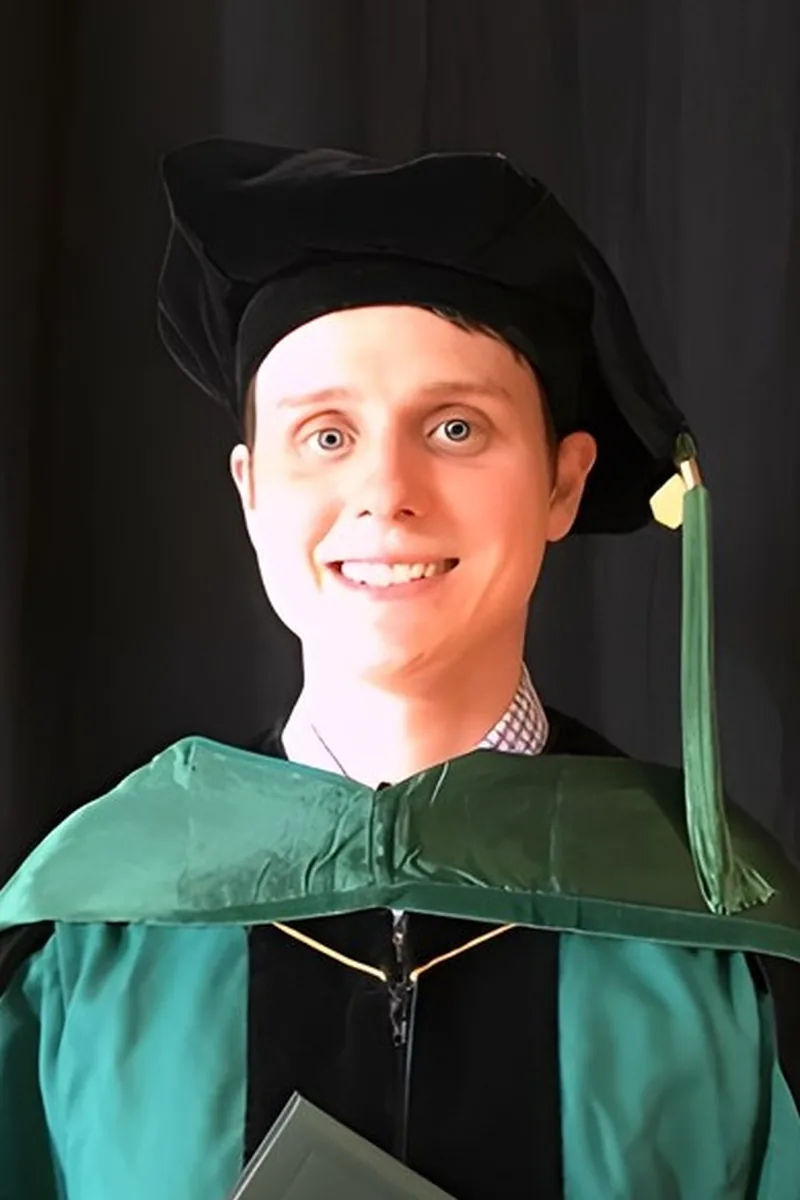
Having majored in Japanese at SUNY Albany, James doesn't just know the language — he understands the grammar architecturally, from particle usage and verb conjugation tiers to the nuances of honorific speech. He teaches reading and writing through cultural context, connecting kanji compounds to their historical roots so students retain them long-term rather than cramming and forgetting. Rated 4.9 by students.
Earning a full bachelor's degree in Japanese — not just a minor or a few semesters — means Jina can teach well beyond survival phrases into kanji readings, grammar particles like は vs. が, and the nuances of keigo (formal speech). She brings the same analytical rigor from her science training to breaking down sentence structure and verb conjugation patterns.
Few Japanese tutors can combine formal academic study with real teaching experience in Japan — Sophie has both. Her East Asian Studies work at Princeton included intensive Japanese language training, and she spent time teaching English in Japan, which gave her deep familiarity with how the two languages map onto (and diverge from) each other. She tackles everything from hiragana and katakana basics to particle usage and keigo politeness levels.
I am a current student at the University of Vermont. I am completing two Bachelors in Linguistics and Japanese, and am a researcher for both departments. From high school to the present day I have tutored people my age and younger, and I have experience working with refugee/ELL students; I have collected 2 years of experience. Though I can tutor several subjects, I am most passionate for Japanese, and feel it is my true calling. In my experience helping those who want to learn a foreign language like Japanese, I have found that scaffolding, or building off of, your interests in film, food, literature and culture has a profound and positive effect on your learning. I love education and learning for the sake of learning, and I will soon graduate and plan to teach English in Japan; sharing language and culture is my way of helping others and the world.
Jacob's degree in East Asian Languages and Civilizations from the University of Chicago means his Japanese instruction is rooted in deep study of the culture, history, and linguistic traditions behind the language. He connects vocabulary and grammar to their cultural logic — explaining why certain verb endings carry social weight or how kanji compounds reflect Chinese origins — giving students a richer understanding than drills alone provide. Rated 5.0 by students.
Emily minored in Japanese at Texas A&M and continues to engage with the language through media and self-study. She teaches hiragana, katakana, and foundational grammar patterns like particle usage with the same structured approach she applies to her other languages, making the writing systems feel systematic rather than overwhelming.
Mechanical engineering at the University of Dayton doesn't obviously connect to Japanese, but Nicholas's systematic problem-solving mindset lends itself well to breaking down kanji radicals, verb conjugation groups, and particle logic into repeatable patterns. He's also genuinely social and talkative — a trait that matters more than you'd think when practicing conversational Japanese, where comfort with speaking aloud is half the battle.
Most students learning Japanese hit a wall somewhere between mastering hiragana and actually constructing sentences with particles, verb conjugations, and counters. Kai has been teaching Japanese through the student organization meetings on campus, building lessons that move learners from basic self-introductions to reading short passages and holding simple conversations.
Most students stall in Japanese once they move past hiragana and katakana into kanji recognition and grammatical particles like は versus が. Wahala minors in Japanese at Indiana University Bloomington and treats the language as a system to decode — connecting sentence structure, verb conjugation patterns, and cultural context so that reading and conversation reinforce each other.
Crystal minored in Japanese Language and Culture at Northern Kentucky University, so she brings both formal study and genuine cultural curiosity to teaching everything from kana writing to grammar fundamentals. Her day job as a K-12 reading and ESL instructor means she's trained to break down unfamiliar language structures for learners at any level — a skill that pays off when explaining Japanese concepts like sentence-final particles or basic verb tenses that have no English equivalent. Rated 5.0 by students.
Hi! It's Wataru. I am originally from Japan and have been living in New York since 2000. I had a career as an industrial newspaper pressman/editor in Tokyo so that I know newspaper level strict grammar and manner of business speech. I watch anime and I can talk about Japanese subculture with you if you like. I have been teaching Japanese language in person and online. I have taught from beginners to JLPT N3 certificate prep students. I've taught American, Canadian, English, Indian, German, Australian, Mexican, and so on. Teaching is one of my way to feel the joy of supporting people. I'll help you master the language and dive into Japanese culture and subculture. Once you start to think in Japanese, you will notice that your way of communication changes. English is good for business, law, and science while Japanese is more about sharing feelings. The waiters in Japan may be reluctant to serve your table, but my students prepare well to make them feel at ease and they have fantastic travel in Japan.
I am also fluent (reading/listening/writing) in Cantonese and mandarin Chinese because of my upbringing. Half of my childhood education was received in Hong Kong and the other half was in Australia.
Having prepared for and taken the SAT Subject Test in Japanese with Listening, Dylan brings practical fluency in grammar structures like particle usage, verb conjugation groups, and honorific registers. He tackles reading comprehension by teaching students to decode kanji compounds in context rather than relying purely on rote memorization. Rated 5.0 by students.
Testimonials
Because the right Japanese tutor makes all the difference.
Average Session Rating – Based on 3.4M Learner Ratings
Nearby Japanese Tutors
Other Miami Tutors
Related Languages Tutors in Miami
Frequently Asked Questions
One of the biggest challenges with Japanese is finding consistent speaking practice—most classroom settings don't provide enough conversation time for students to build confidence. With personalized 1-on-1 instruction, you get dedicated time to speak, make mistakes, and receive immediate feedback from a tutor who understands your level. Tutors can simulate real conversation scenarios, help you develop natural pronunciation and rhythm, and correct accent patterns that classroom teachers often can't address individually. Regular practice with a tutor, even just 2-3 times per week, accelerates your ability to think and respond in Japanese rather than translate from English.
Hiragana and katakana are essential phonetic systems that form the foundation for reading and writing Japanese. The most effective approach combines frequent exposure with active recall—learning a few characters at a time and practicing them daily through writing, reading simple sentences, and recognizing them in context. A tutor can help you move beyond repetitive flashcard drills by incorporating writing into meaningful practice and explaining the logic behind each character's strokes. Most students become proficient in both scripts within 4-8 weeks with consistent practice. Once you're solid with phonetics, you'll have a much easier time approaching kanji systematically, since you'll already understand Japanese phonetic structure.
Japanese verb conjugation feels overwhelming because there are many forms (present, past, conditional, potential, causative, passive), and verbs change based on tense, politeness level, and whether they're positive or negative. Rather than memorizing conjugation tables, the most effective approach is understanding the underlying patterns—most regular verbs follow the same rules once you recognize their verb class (u-verbs, ru-verbs, and irregulars). A tutor can break conjugation into smaller, logical chunks and show you how these forms actually show up in real conversations, making them feel less abstract. With targeted practice using sentences you care about—not textbook examples—verb patterns become automatic much faster.
Japanese vocabulary retention struggles often come from how words are studied—memorizing translations doesn't activate the same memory systems as learning words in context and through repeated retrieval practice. The most effective method combines spaced repetition (revisiting words at increasing intervals), learning words grouped by topic or situation rather than random lists, and using them actively in conversations or writing. A tutor can help you learn vocabulary through stories, dialogues, and real usage patterns that connect words to meaning rather than English translations. When you encounter new words through listening and reading materials that match your interests, then practice using them in conversation, retention improves dramatically.
Understanding cultural context significantly deepens Japanese language learning, especially when it comes to politeness levels, formality, and expressions that don't translate directly to English. For example, certain phrases and speech patterns are deeply tied to Japanese social customs, and using the wrong level of politeness or phrase can change meaning entirely. Many tutors naturally weave cultural insights into lessons—explaining why certain expressions exist, how to communicate respectfully in different contexts, and what cultural knowledge native speakers take for granted. This background makes Japanese feel less like a puzzle of grammatical rules and more like a real system of communication. For Miami students, this cultural lens also opens doors to enjoying Japanese media, literature, and eventually connecting with Japanese communities more authentically.
The timeline depends heavily on your starting level and how frequently you practice, but language research suggests reaching professional-level proficiency typically requires around 2,200 hours of study. For conversational fluency—where you can handle everyday situations, ask questions, and understand native speakers—most students need 600-1,000 hours of focused study combined with consistent speaking practice. This might take 1-2 years with 10+ hours per week, or longer with less frequent practice. Working with a tutor accelerates this because personalized instruction targets your specific gaps and conversation practice happens every session, rather than relying solely on self-study or classroom time where you might speak only a few minutes per week.
Miami has a diverse population and growing interest in Japanese culture, so you'll find resources beyond tutoring: Japanese cultural centers, anime clubs, conversation meetups, and streaming platforms with Japanese media. Consuming Japanese content—shows, podcasts, YouTube channels, and books at your level—provides immersive listening and reading practice. For speaking practice specifically, language exchange partners or conversation groups are valuable, though they work best when combined with structured guidance from a tutor who can correct patterns and answer grammar questions. Using tutoring sessions to build foundational skills and address specific challenges, then reinforcing learning through community resources and media consumption, creates a well-rounded practice environment that accelerates progress.
Let’s find your perfect tutor
Answer a few quick questions. We’ll recommend the right plan and match you with a top 5% tutor.