Award-Winning AP Latin Tutors
serving Port St. Lucie, FL
AP Latin
Tutors in Port St. Lucie
Private 1-on-1 tutoring, weekly live classes for academic support, test prep & enrichment, practice tests and diagnostics, and more to elevate grades and test scores.
Based on 3.4M Learner Ratings
UniversitiesSchools & Universities
DeliveredHours Delivered
ProficiencyGrowth in Proficiency
Who needs tutoring?
No obligation. Takes ~1 minute.
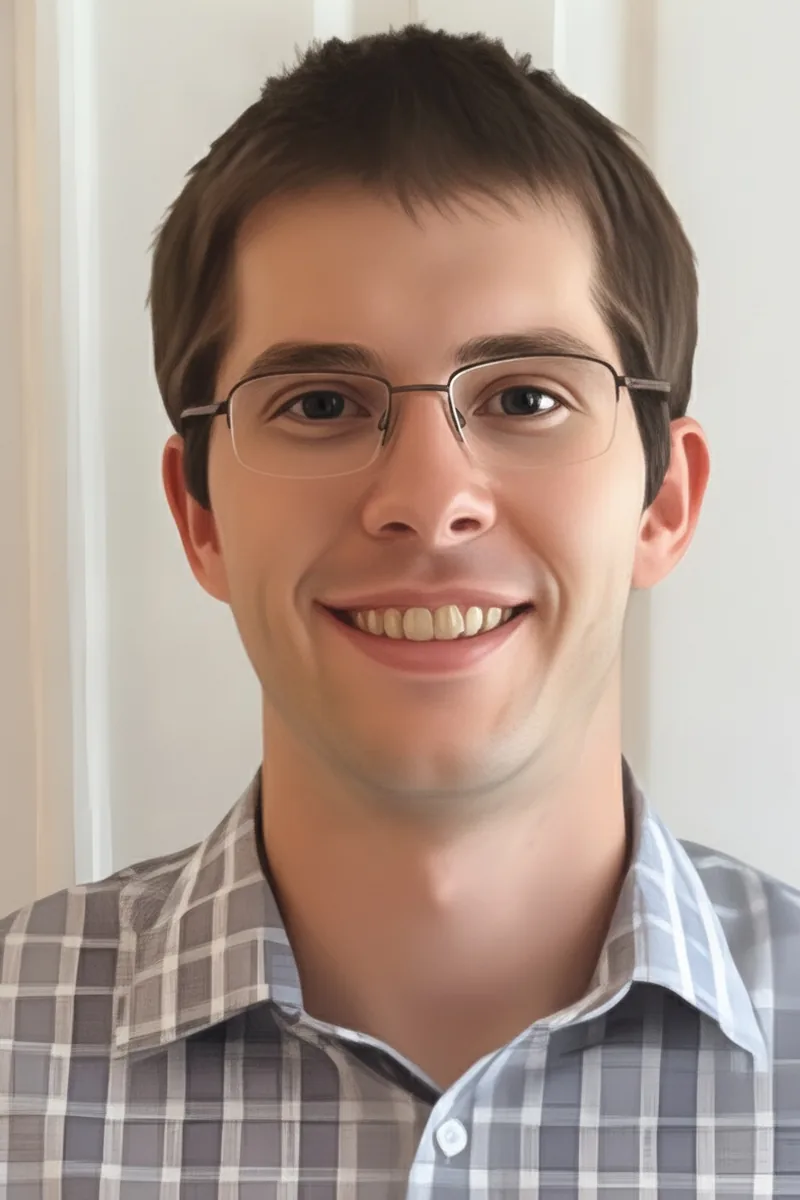
A computer science PhD candidate with a bachelor's in applied mathematics might seem like an unusual pick for AP Latin, but Daniel's formal training in Latin through multiple levels gives him genuine facility with the language — and his mathematical mindset turns complex syntax into logical puzzles, breaking periodic sentences into dependency trees the way a programmer would parse nested functions. He's especially effective on the grammar-intensive portions of the exam, where systematic pattern recognition matters more than literary intuition. Rated 5.0 by students.

AP Latin's exam asks students to do more than translate — they need to analyze Vergil's and Caesar's rhetorical strategies, scan dactylic hexameter, and write sight-reading commentary under time pressure. Vivian's Classics minor at Fordham immersed her in exactly these texts and techniques. She breaks down complex grammatical constructions like ablative absolutes and indirect discourse so students build genuine reading speed.
A Classics degree means Leslie didn't just take Latin — she built her entire undergraduate education around the ancient world, reading the same Vergil and Caesar passages that AP students face on exam day. Her coursework through Latin 4 and AP-level material gives her the grammatical depth to walk through tricky constructions like ablative absolutes and purpose clauses, while her 4.9 rating speaks to how well that knowledge translates into actual tutoring sessions.
Wyatt's Classics degree means he didn't just dabble in Latin — he built his entire undergraduate education around the ancient world, reading the same Vergil and Caesar passages that dominate the AP exam as part of his daily coursework. That deep textual familiarity pays off when students need to quickly identify how an ablative absolute or a fear clause functions in a real passage rather than a textbook exercise. Rated 5.0 by students.
Reading Vergil's Aeneid and Caesar's Bellum Gallicum at AP speed requires more than vocabulary — it means parsing ablative absolutes, indirect discourse, and fear-of-the-subjunctive moments without losing the thread of the narrative. Alex studied Classics as an undergraduate and reads Latin fluently, so he can walk students through both the grammatical architecture and the literary analysis the AP exam demands.
Dennis has studied Latin through the advanced level, but what sets him apart is the analytical precision he brings from his physics research at Princeton — parsing a complex periodic sentence in Vergil isn't so different from breaking down a multi-variable equation, and he teaches students to decompose Latin syntax the same way. He's particularly strong on the grammar-heavy side of the AP exam, walking through indirect discourse and subjunctive constructions with the kind of systematic rigor that makes sight-reading feel less like guesswork.
Majoring in both French/Francophone Studies and Linguistics at William & Mary, Tristan brings a linguist's eye to Latin — the kind of cross-language structural awareness that makes it easier to explain why Vergil inverts word order for emphasis or how Caesar's subjunctive clauses signal intent. He's completed Latin through the advanced level and scored a 1590 SAT, reflecting the close-reading precision that pays off on both translation and free-response sections. Rated 5.0 by students.
Four levels of Latin study give June deep familiarity with the grammar, syntax, and literary analysis the AP exam demands — from scanning dactylic hexameter in Vergil to unpacking Caesar's rhetorical strategies in De Bello Gallico. Her linguistics interest at Brown adds an extra dimension, connecting Latin constructions to broader patterns in how languages work.
Double-majoring in Latin and Ancient Greek means Shawn didn't just translate the AP syllabus texts — he studied them within the full ecosystem of classical languages, which sharpens his ability to explain why a subjunctive shows up in one clause but not another, or how Vergil's word order creates effects that a straight English translation flattens. His 33 ACT and 5.0 tutoring rating back up the reading precision and communication skills he brings to both translation work and the free-response essays.
Brendan studied Latin through AP level and beyond, tackling authors like Virgil and Caesar in their original texts. For the AP exam specifically, he digs into sight-reading strategy, scansion of dactylic hexameter, and the analytical essay prompts that trip students up most. Rated 5.0 by students.
Few AP Latin tutors can say they hold a PhD that required reading Latin as a working research language. Alexander's doctoral work in Indo-European Studies at UCLA means he doesn't just translate Vergil and Caesar — he understands the grammatical structures, poetic meters, and rhetorical strategies at a level that lets him explain why a subjunctive appears in a particular clause or how enjambment shapes meaning in the Aeneid.
Studying Classical Studies at Columbia means Sean reads Latin not as a classroom exercise but as the living backbone of his degree — translating the same Vergil and Caesar passages that drive the AP exam while simultaneously studying the historical and philosophical contexts that make those texts click. That dual lens is especially useful for the free-response essays, where connecting a grammatical choice to an author's larger purpose separates strong answers from surface-level ones.
Latin at the AP level is essentially a translation and literary analysis exam — students need to sight-read Vergil and Caesar with speed and then write intelligent commentary on style and context. Emma's Latin studies run through Level 4 and AP, and she unpacks complex syntactic structures like ablative absolutes and indirect discourse by connecting them to the narrative choices authors are making. That blend of grammar precision and literary enthusiasm is exactly what the AP exam demands.
Translating Vergil and Caesar under AP exam conditions requires more than vocabulary recall; it demands recognizing how ablative absolutes, indirect discourse, and subjunctive clauses reshape meaning in real passages. Meghna digs into the grammar underlying each line so students can parse unfamiliar constructions confidently and write the kind of analytical essays the exam rewards.
Three years of peer tutoring Latin in high school gave Brooke a knack for explaining the grammatical structures that trip students up most — and now, studying engineering at Duke, she brings that same systematic thinking to helping AP students decode Vergil's layered word order and Caesar's winding periodic sentences. She's particularly good at turning intimidating constructions into step-by-step logic, which makes sight-reading passages feel less like a guessing game. Rated 5.0 by students.
Testimonials
Because the right AP Latin tutor makes all the difference.
Average Session Rating – Based on 3.4M Learner Ratings
Practice AP Latin
Free practice tests, flashcards, and AI tutoring for AP Latin
Nearby AP Latin Tutors
Other Port St. Lucie Tutors
Related Languages Tutors in Port St. Lucie
Frequently Asked Questions
AP Latin focuses on reading comprehension and analysis of classical Latin texts, primarily works by Virgil (Aeneid) and Livy (Ab Urbe Condita). The exam tests your ability to translate passages, understand grammar and syntax, and analyze the historical and cultural context of Roman literature. The course emphasizes close reading skills and understanding Latin prose and poetry conventions that have shaped Western literature.
The AP Latin exam consists of two sections: a multiple-choice section (50% of your score) with reading comprehension questions about provided passages, and a free-response section (50% of your score) requiring you to translate and analyze unseen Latin texts. You'll have 3 hours total, with time allocated to demonstrate both translation accuracy and analytical thinking about the texts' meaning and significance.
Many students struggle with the pace of reading unfamiliar passages under timed conditions, especially when encountering complex sentence structures or rare vocabulary. Others find it difficult to balance accurate translation with analytical interpretation—the exam rewards both precision and deeper understanding of context. Building confidence with timed practice and developing strategies for tackling unknown words are key to overcoming these obstacles.
Score improvement depends on your starting point and study intensity, but many students see meaningful gains—typically 1-2 score points—with focused preparation and targeted practice on weak areas. Personalized 1-on-1 instruction helps you identify whether you need to strengthen translation skills, improve reading speed, or develop better test-taking strategies. Consistent practice with released exam questions and feedback on your analytical writing makes the biggest difference.
Most students benefit from 3-6 months of focused preparation, with 5-10 hours of study per week depending on your current level and target score. If you're starting from a weaker foundation, beginning earlier allows time to build vocabulary and grammar confidence before tackling full-length practice exams. A tutor can help you create a personalized study schedule that balances translation practice, passage analysis, and timed exam simulations.
Varsity Tutors connects you with expert tutors who specialize in AP Latin and understand the specific demands of the exam. You can work with a tutor who tailors instruction to your learning style, whether you need help building foundational Latin skills, improving translation speed, or mastering test-taking strategies. Getting matched with the right tutor means personalized guidance that addresses your unique challenges and goals.
Effective strategies include reading the English questions first to anticipate what you're looking for in the Latin text, marking unfamiliar words to address later, and prioritizing high-confidence passages to build momentum. For the free-response section, spend a few minutes planning your translation and analysis before writing. Practicing these strategies during timed mock exams helps you develop confidence and pacing that carries through to test day.
While the AP exam doesn't require memorizing every possible Latin word, knowing core vocabulary and common word patterns significantly speeds up your reading and translation. More importantly, understanding how Latin word roots connect to English helps you make educated guesses on unfamiliar terms. A tutor can help you focus on high-frequency vocabulary and teach you strategies for decoding unknown words rather than relying on pure memorization.
Let’s find your perfect tutor
Answer a few quick questions. We’ll recommend the right plan and match you with a top 5% tutor.