Award-Winning AP Latin Tutors
serving Palm Bay, FL
AP Latin
Tutors in Palm Bay
Private 1-on-1 tutoring, weekly live classes for academic support, test prep & enrichment, practice tests and diagnostics, and more to elevate grades and test scores.
Based on 3.4M Learner Ratings
UniversitiesSchools & Universities
DeliveredHours Delivered
ProficiencyGrowth in Proficiency
Who needs tutoring?
No obligation. Takes ~1 minute.
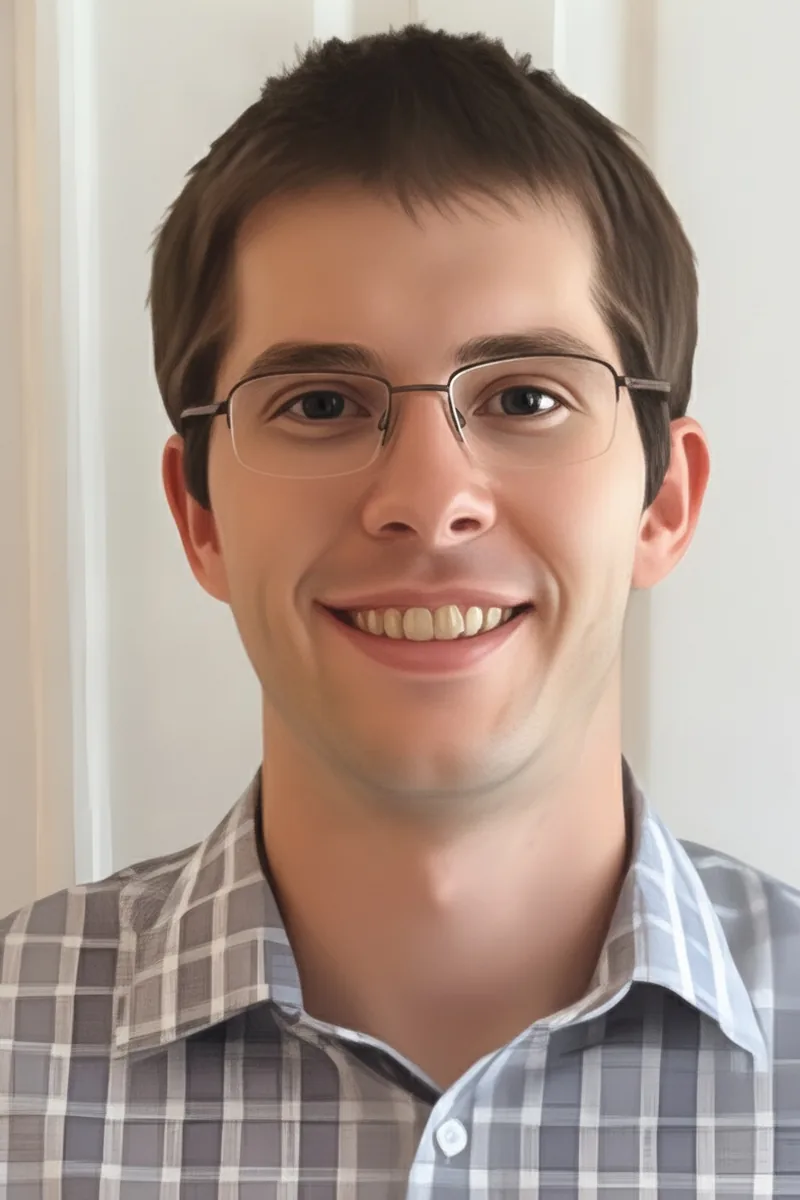
A computer science PhD candidate with a bachelor's in applied mathematics might seem like an unusual pick for AP Latin, but Daniel's formal training in Latin through multiple levels gives him genuine facility with the language — and his mathematical mindset turns complex syntax into logical puzzles, breaking periodic sentences into dependency trees the way a programmer would parse nested functions. He's especially effective on the grammar-intensive portions of the exam, where systematic pattern recognition matters more than literary intuition. Rated 5.0 by students.

AP Latin's exam asks students to do more than translate — they need to analyze Vergil's and Caesar's rhetorical strategies, scan dactylic hexameter, and write sight-reading commentary under time pressure. Vivian's Classics minor at Fordham immersed her in exactly these texts and techniques. She breaks down complex grammatical constructions like ablative absolutes and indirect discourse so students build genuine reading speed.
A Classics degree means Leslie didn't just take Latin — she built her entire undergraduate education around the ancient world, reading the same Vergil and Caesar passages that AP students face on exam day. Her coursework through Latin 4 and AP-level material gives her the grammatical depth to walk through tricky constructions like ablative absolutes and purpose clauses, while her 4.9 rating speaks to how well that knowledge translates into actual tutoring sessions.
Rebecca is a Classics major who reads Vergil and Caesar daily as part of her undergraduate coursework — the exact texts the AP Latin exam tests. That immersion, combined with her applied psychology training, means she understands both the Latin on the page and how to adjust her explanations when a student's grasp of something like indirect discourse or scansion isn't solidifying. Rated 5.0 by students.
Philosophy trained Daniel to read dense, argumentative texts with precision — a skill that translates directly to unpacking Caesar's rhetorical strategies and Vergil's syntactic inversions on the AP Latin exam. He's studied Latin through four levels, so he's comfortable with the grammar, but his real edge is teaching students how to construct the kind of tightly reasoned free-response essays that earn top marks. Rated 4.9 by students.
Latin at the AP level is essentially a translation and literary analysis exam — students need to sight-read Vergil and Caesar with speed and then write intelligent commentary on style and context. Emma's Latin studies run through Level 4 and AP, and she unpacks complex syntactic structures like ablative absolutes and indirect discourse by connecting them to the narrative choices authors are making. That blend of grammar precision and literary enthusiasm is exactly what the AP exam demands.
Few AP Latin tutors can say they hold a PhD that required reading Latin as a working research language. Alexander's doctoral work in Indo-European Studies at UCLA means he doesn't just translate Vergil and Caesar — he understands the grammatical structures, poetic meters, and rhetorical strategies at a level that lets him explain why a subjunctive appears in a particular clause or how enjambment shapes meaning in the Aeneid.
Three years of peer tutoring Latin in high school gave Brooke a knack for explaining the grammatical structures that trip students up most — and now, studying engineering at Duke, she brings that same systematic thinking to helping AP students decode Vergil's layered word order and Caesar's winding periodic sentences. She's particularly good at turning intimidating constructions into step-by-step logic, which makes sight-reading passages feel less like a guessing game. Rated 5.0 by students.
Reading Vergil's Aeneid and Caesar's Bellum Gallicum at AP speed requires more than vocabulary — it means parsing ablative absolutes, indirect discourse, and fear-of-the-subjunctive moments without losing the thread of the narrative. Alex studied Classics as an undergraduate and reads Latin fluently, so he can walk students through both the grammatical architecture and the literary analysis the AP exam demands.
A Reed College Classics degree means Marilyn didn't just study Latin — she lived in the language alongside Ancient Greek, building the kind of cross-linguistic intuition that makes tricky AP constructions like fear clauses and conditions contrary to fact easier to explain from multiple angles. She's especially sharp on Vergil's poetry, where understanding meter and word order simultaneously is half the battle for students tackling sight-reading passages under exam pressure. Rated 4.8 by students.
Studying at Yale with Latin on his transcript and an SAT score of 1500, Stephen brings sharp reading comprehension instincts to the AP Latin texts — skills that transfer directly to unpacking Caesar's dense periodic sentences and Vergil's hyperbatic word order. His psychology background also gives him an edge when coaching students through the essay prompts, since analyzing an author's intent to persuade or evoke emotion is as much about understanding human motivation as it is about grammar.
Studying Classical Studies at Columbia means Sean reads Latin not as a classroom exercise but as the living backbone of his degree — translating the same Vergil and Caesar passages that drive the AP exam while simultaneously studying the historical and philosophical contexts that make those texts click. That dual lens is especially useful for the free-response essays, where connecting a grammatical choice to an author's larger purpose separates strong answers from surface-level ones.
Having studied Latin through three levels — including AP — Sarah knows firsthand where students get tripped up on the exam's translation and essay demands. Her English degree sharpens the literary analysis side, especially when students need to articulate how Vergil's word order or Caesar's sentence structure creates meaning in free-response prompts. Rated 5.0 by students.
Katherine's psychology major gives her an unusual angle on the AP Latin essays — when students need to analyze how Vergil manipulates emotion or how Caesar constructs persuasive narratives, understanding human motivation becomes a genuine asset. She's studied Latin and brings that foundation to translation work, though her real strength is coaching the free-response section where rhetorical analysis and clear argumentative writing determine the score.
Catherine earned her MA in Latin, which means she's read Caesar and Vergil not just for exams but as the center of her graduate research — the kind of deep textual familiarity that lets her explain why a subjunctive shift matters for meaning, not just how to identify it. She's particularly effective at training students to handle the timed translation passages, where recognizing periodic sentence structure quickly is often the difference between finishing and running out of time. Rated 5.0 by students.
Testimonials
Because the right AP Latin tutor makes all the difference.
Average Session Rating – Based on 3.4M Learner Ratings
Practice AP Latin
Free practice tests, flashcards, and AI tutoring for AP Latin
Nearby AP Latin Tutors
Other Palm Bay Tutors
Related Languages Tutors in Palm Bay
Frequently Asked Questions
AP Latin focuses on reading comprehension and analysis of classical Latin texts, primarily works by Virgil and Livy. The exam tests your ability to translate passages, understand grammar and syntax, answer multiple-choice questions about text comprehension, and write analytical essays about the literature. Most students spend the year building vocabulary, mastering complex grammatical structures, and developing strategies for tackling unfamiliar passages under timed conditions.
Many students struggle with the volume of vocabulary and complex sentence structures in classical texts, especially when encountering unfamiliar passages on the exam. Time management is another major challenge—translating accurately while answering comprehension questions within the exam's constraints requires both precision and speed. Additionally, the analytical essay section demands that students not only translate but also interpret authorial intent and literary devices, which requires deeper engagement with the texts than memorization alone.
Expert tutors can identify your specific weak areas—whether that's particular grammar concepts, vocabulary retention, or essay writing strategies—and create a focused study plan. Personalized 1-on-1 instruction allows you to work through practice passages at your own pace, receive immediate feedback on translations, and develop test-taking strategies tailored to your learning style. Tutors can also help you build confidence by simulating exam conditions and teaching you how to manage time effectively across different question types.
Score improvement depends on your starting point and how consistently you engage with tutoring and practice. Students who work with tutors typically see the most gains by focusing on targeted skill-building—mastering challenging grammar patterns, expanding vocabulary in context, and refining essay analysis techniques. Most students benefit from starting tutoring several months before the exam to allow time for practice, review, and strategy refinement rather than last-minute cramming.
Practice tests are essential for AP Latin success because they help you understand the exam format, identify weak areas, and build stamina for the full exam length. Working through official AP Latin practice materials under timed conditions reveals which grammar concepts or vocabulary areas need more focus and helps you develop pacing strategies. Tutors can review your practice test performance with you, pinpoint patterns in your mistakes, and help you refine your approach before test day.
Your first session typically involves an assessment of your current Latin skills—your comfort with grammar, vocabulary level, and translation speed. The tutor will discuss your goals, timeline, and any specific challenges you're facing with the curriculum. From there, you'll develop a personalized study plan that targets your needs, whether that's foundational grammar review, vocabulary building, passage analysis techniques, or essay writing strategies.
Look for tutors with strong classical Latin backgrounds—ideally those who have studied Latin at an advanced level, taught AP Latin, or have significant experience preparing students for the exam. Tutors should be familiar with the specific texts on the AP Latin syllabus (Virgil's Aeneid and Livy's Ab Urbe Condita) and understand the exam format and scoring rubrics. Experience helping students improve their scores and manage test anxiety is also valuable, as is the ability to explain complex grammar concepts clearly.
Most students benefit from starting tutoring 3-4 months before the AP exam in May, meeting weekly or bi-weekly depending on their starting level and goals. Beyond tutoring sessions, aim to spend 30-60 minutes daily on independent practice—reading passages, building vocabulary, and working through practice problems. Combining regular tutoring sessions with consistent self-study allows you to reinforce concepts, build fluency with the texts, and develop the confidence needed to perform well on exam day.
Let’s find your perfect tutor
Answer a few quick questions. We’ll recommend the right plan and match you with a top 5% tutor.