Award-Winning Biology Tutors
serving Aurora, CO
Biology
Tutors in Aurora
Private 1-on-1 tutoring, weekly live classes for academic support, test prep & enrichment, practice tests and diagnostics, and more to elevate grades and test scores.
Based on 3.4M Learner Ratings
UniversitiesSchools & Universities
DeliveredHours Delivered
ProficiencyGrowth in Proficiency
Who needs tutoring?
No obligation. Takes ~1 minute.
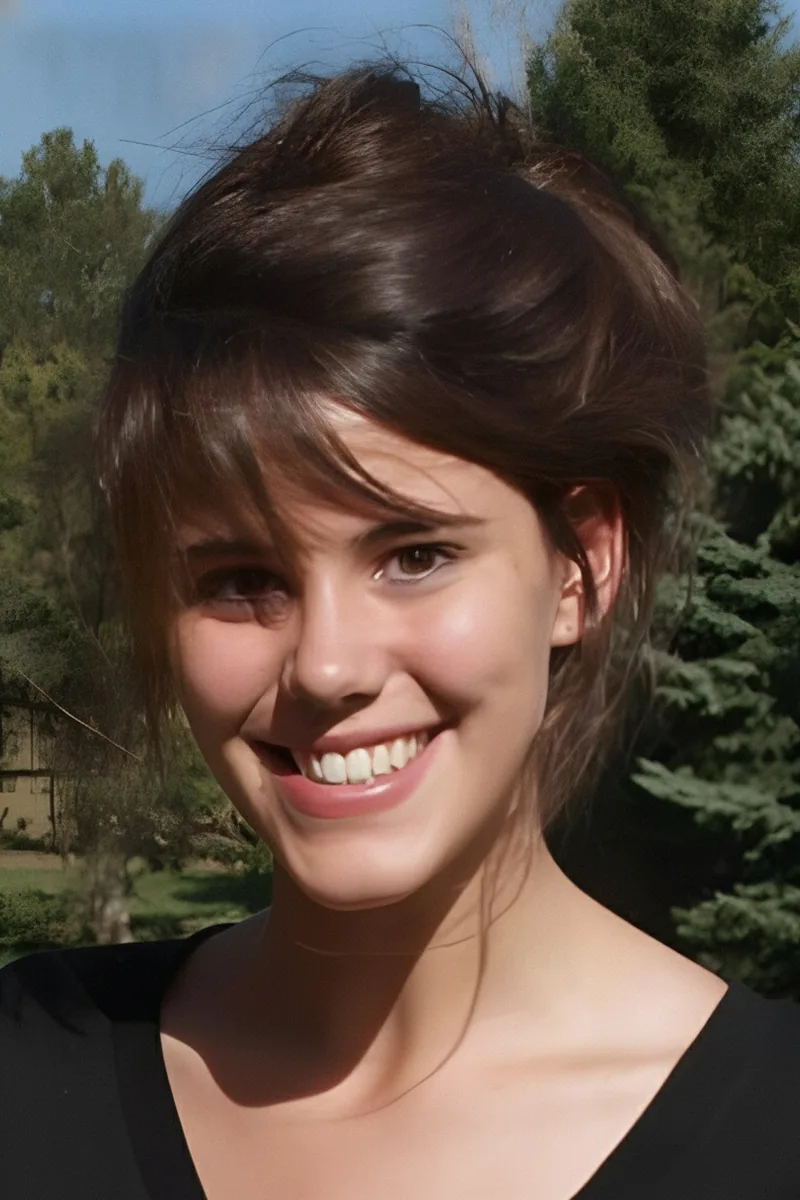
Studying physical therapy at UCD means Michelle is constantly revisiting biology concepts — muscle physiology, cellular energy systems, tissue adaptation — in applied clinical contexts, which sharpens how she teaches the foundational material back to high school and introductory college students. Her Trinity University biology degree built the framework, and her 4.8 rating suggests she's effective at getting students to think through processes like photosynthesis or inheritance at a conceptual level rather than just pattern-matching answers on a worksheet.
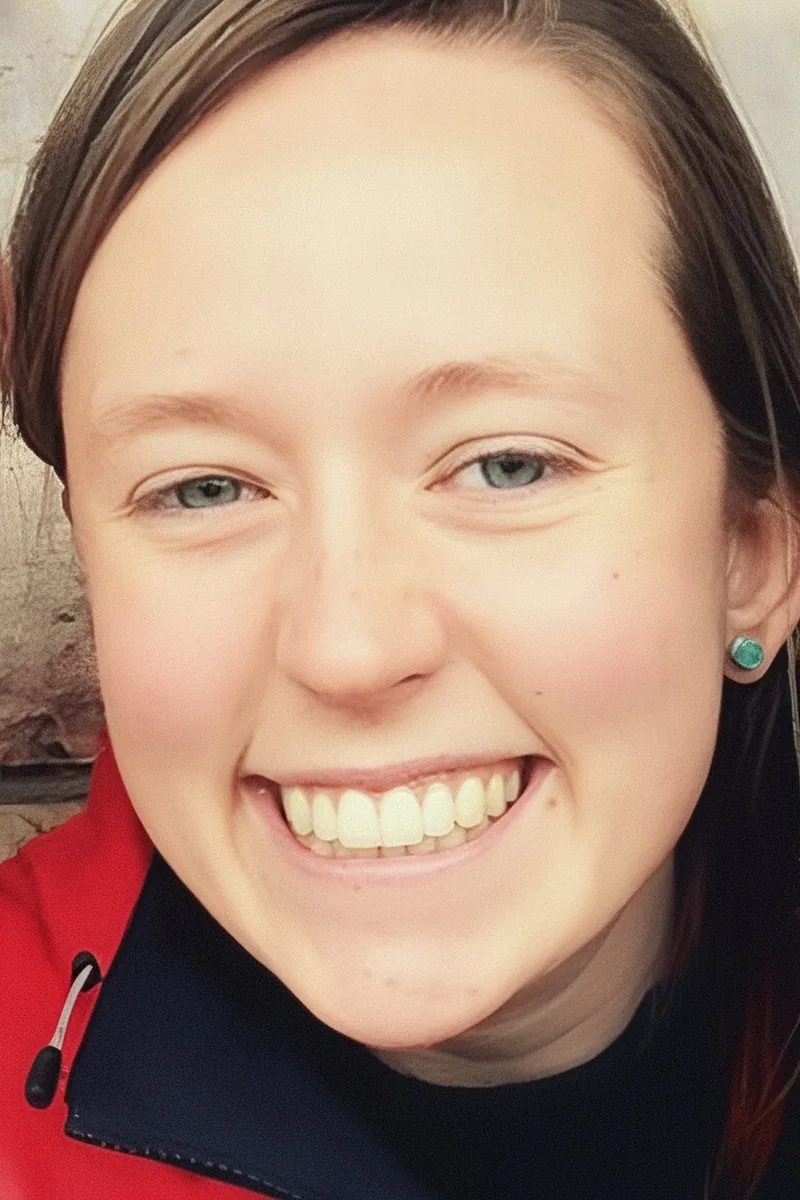
Brown's math curriculum required Zofia to take substantial coursework in the natural sciences, which means she's worked through biology with the quantitative rigor that makes topics like population genetics, enzyme kinetics, and ecological modeling actually click. She's especially effective at turning the math-heavy corners of biology — Hardy-Weinberg equilibrium, Michaelis-Menten curves, statistical analysis of experimental data — into something approachable for students who freeze when numbers show up in a life science course.
Oliver's dual degrees in Biochemistry and MCD Biology from CU Boulder mean he's studied living systems from two complementary angles — the chemical reactions driving metabolism and the cellular architecture those reactions build. That combination is particularly useful when a student needs to understand how something like signal transduction or gene expression connects molecular detail to what's actually happening inside a cell. Rated 5.0 by students.
Most biology courses move fast from cells to genetics to ecology, and students fall behind when they try to memorize each unit in isolation. Marcus earned his biology degree studying animal physiology and behavior at Arizona State, so he teaches the subject as one connected story — showing how DNA replication in Chapter 5 directly explains the inheritance patterns in Chapter 10. That connective approach turns biology from a vocabulary marathon into something that actually makes sense.
Graham approaches biology through a chemistry and physics lens, which makes topics like cellular respiration, enzyme kinetics, and membrane transport click in ways that pure memorization never will. Currently carrying a 4.0 GPA in his astrophysics and chemistry coursework at CU Boulder, he brings cross-disciplinary thinking to every biological system he explains.
As a registered nutritionist with a Master's in Public Health Nutrition, Hannah sees biology through the lens of how living systems actually function in the body — from cellular respiration to enzyme kinetics. She unpacks complex processes like DNA replication and metabolic pathways by tying them to real physiological outcomes students can grasp.
Katie's Environmental Studies-Biology degree means she learned biology through the lens of living systems in context — population dynamics, nutrient cycling, species interactions — rather than purely at the molecular bench. That ecological grounding makes her especially effective at teaching the big-picture connections in biology, like how energy flows through trophic levels or how evolutionary pressures shape adaptation, while still being able to dig into the cell biology and genetics underneath.
Carson's English degree might seem like an unlikely path into biology, but it gave him something surprisingly useful: the ability to read dense material carefully and pull out what actually matters — a skill that pays off when students are wading through textbook chapters on genetics, ecology, or cellular processes. He teaches biology as a subject you can reason through by understanding key terms and relationships, turning overwhelming vocabulary into a narrative that connects.
I am a certified teacher in English as a foreign language, certified to teach high school science abroad, and have developed my own independent program to teach elementary school children. I have tutored in all levels of algebra as well as geometry. I have 4 years of experience teaching biology, from AP/Honors level biology to 3rd grade level "Making Neuroscience Fun" programs.
I am a undergraduate student who is willing to help other students in subjects that they may be experiencing difficulties in.
Phillip's biomedical engineering studies at Brown mean he encounters biology through the lens of design — how tissues are engineered, how physiological systems can be modeled, how feedback loops in the body mirror control systems in machines. That perspective makes him especially effective at teaching topics like homeostasis, organ system integration, and cell membrane transport, where engineering intuition clarifies what pure memorization can't. Rated 5.0 by students.
Between his molecular biochemistry major and hands-on lab work with gene-editing technology, Matthew lives biology at a level that makes high school and introductory concepts second nature to explain. He's particularly effective at walking through cellular respiration and photosynthesis as interconnected energy systems rather than two separate chapters to memorize.
Sugi's dual undergraduate degrees in Cognitive Science and Biochemistry & Cell Biology at Rice mean she studied living systems from two directions at once — the molecular machinery inside cells and the neural architecture that emerges from it. Now a fourth-year medical student at Baylor, she teaches biology by linking foundational topics like signal transduction or gene expression to the cognitive and clinical contexts that make them stick. Rated 5.0 by students.
Jake's Human Biology concentration at Stanford — with its focus on health policy — means he studies biological systems through the lens of real-world outcomes, which gives his teaching a practical edge when covering topics like genetics, immunology, or human physiology. He breaks down dense material by connecting it to the health scenarios that make it relevant, and his 5.0 client rating speaks to how well that approach lands.
Chemical engineering at Cornell meant Rahul had to master biology's molecular underpinnings — enzyme kinetics, metabolic pathways, cellular transport — as working tools for reactor design and bioprocess modeling, not just exam material. That engineering mindset makes him especially effective at teaching students to think through biological systems as logical, step-by-step processes rather than lists of vocabulary to memorize. Rated 4.9 by students.
A molecular biology major at Yale who spends his research hours investigating gene expression and stem cell dynamics, Maxwell teaches biology with the depth of someone immersed in the field. He's particularly strong on genetics, cellular processes, and ecology, and he draws on current scientific literature to make concepts like DNA replication and natural selection feel immediate and relevant. Rated 5.0 by students.
Three years running a Cell Biology lab course at Notre Dame gave Connor a front-row seat to the exact moments students lose track of what's happening — whether it's the logic connecting mitosis stages or how gene expression actually produces a functional protein. His master's work in Biomedical Sciences at Loyola Chicago layered on the molecular and physiological depth to explain those sticking points from multiple angles. Rated 5.0 by students.
From cell division to ecological systems, biology requires connecting processes across wildly different scales. Kristin's BA in Biological Sciences from the University of Chicago gave her deep fluency with molecular biology, genetics, and physiology — and her current nursing program at Penn keeps that knowledge sharp and clinically relevant.
Rice University's Biochemistry and Cell Biology program forced Michelle to master biology at the molecular level — protein interactions, metabolic regulation, signal transduction — before she ever set foot in medical school at Baylor. Now in her second year of clinical training, she teaches topics like gene expression and cellular energetics by connecting them to the disease mechanisms she's actively studying, which gives students a concrete reason to care about each pathway.
Li's medical doctoral training and undergraduate work in speech and hearing gave her a deep understanding of biological systems — from cellular respiration and DNA replication to the physiology of complex organ systems. She breaks down dense topics like gene expression and enzyme kinetics into clear, logical steps that stick.
Students who find biology's vocabulary overwhelming often do better when someone shows them the logic underneath the terms. Dennis approaches topics like cell respiration, DNA replication, and membrane transport by connecting each process to the energy and chemistry driving it — a perspective that comes naturally from his physics background and makes the material easier to retain.
Todd earned his B.S. in Biology from the University of Illinois at Urbana-Champaign, giving him deep grounding in everything from cellular respiration and mitosis to ecology and evolutionary theory. He breaks down complex processes like DNA replication and protein synthesis into clear, logical steps that stick. Rated 5.0 by students.
Testimonials
Because the right Biology tutor makes all the difference.
Average Session Rating – Based on 3.4M Learner Ratings
Practice Biology
Free practice tests, flashcards, and AI tutoring for Biology
Nearby Biology Tutors
Other Aurora Tutors
Related Science Tutors in Aurora
Frequently Asked Questions
Varsity Tutors matches Aurora students with expert Biology tutors for 1-on-1 instruction. We pair each student with a tutor based on their specific needs, learning style, and goals.
Whether you need homework help, exam prep, or want to get ahead, our Biology tutors are ready to help.
Common challenges include gaps from earlier material, difficulty with specific concepts, and trouble applying learning to new problems. These issues can snowball quickly in Biology.
A tutor identifies where you're stuck, fills in gaps, and provides targeted practice. The 1-on-1 format means you get help exactly where you need it.
Tutors work with your student's actual coursework—homework assignments, class notes, and upcoming tests. This keeps tutoring directly relevant to what's happening in the classroom.
When you share information about your student's school and curriculum, we can match you with a tutor who has relevant experience.
All tutors complete background checks, credential verification, and teaching evaluation. Many of our Biology tutors hold advanced degrees or have years of teaching experience.
You can review tutor profiles to find someone with the right background for your student's level and needs.
Many students see improved grades within a few weeks, along with better understanding of Biology concepts and more confidence tackling challenging material.
Tutors track progress and adjust their approach to ensure continued improvement.
Most students benefit from 1-2 sessions per week. More frequent sessions help if your student is significantly behind or has an important exam coming up.
Your tutor can recommend a schedule based on your student's specific situation and goals.
Tutoring is purchased in packages of hours, with rates varying by tutor experience. Varsity Tutors offers several options to fit different budgets and needs.
You can discuss pricing during your consultation to find what works best.
Your tutor will assess where your student is, discuss goals, and start working on priority areas. Most students bring current homework or upcoming test material to focus on.
By the end, you'll have a clear sense of how the tutor can help and a plan for moving forward.
Let’s find your perfect tutor
Answer a few quick questions. We’ll recommend the right plan and match you with a top 5% tutor.