Award-Winning AP US History Tutors
serving Oxnard, CA
AP US History
Tutors in Oxnard
Private 1-on-1 tutoring, weekly live classes for academic support, test prep & enrichment, practice tests and diagnostics, and more to elevate grades and test scores.
Based on 3.4M Learner Ratings
UniversitiesSchools & Universities
DeliveredHours Delivered
ProficiencyGrowth in Proficiency
Who needs tutoring?
No obligation. Takes ~1 minute.
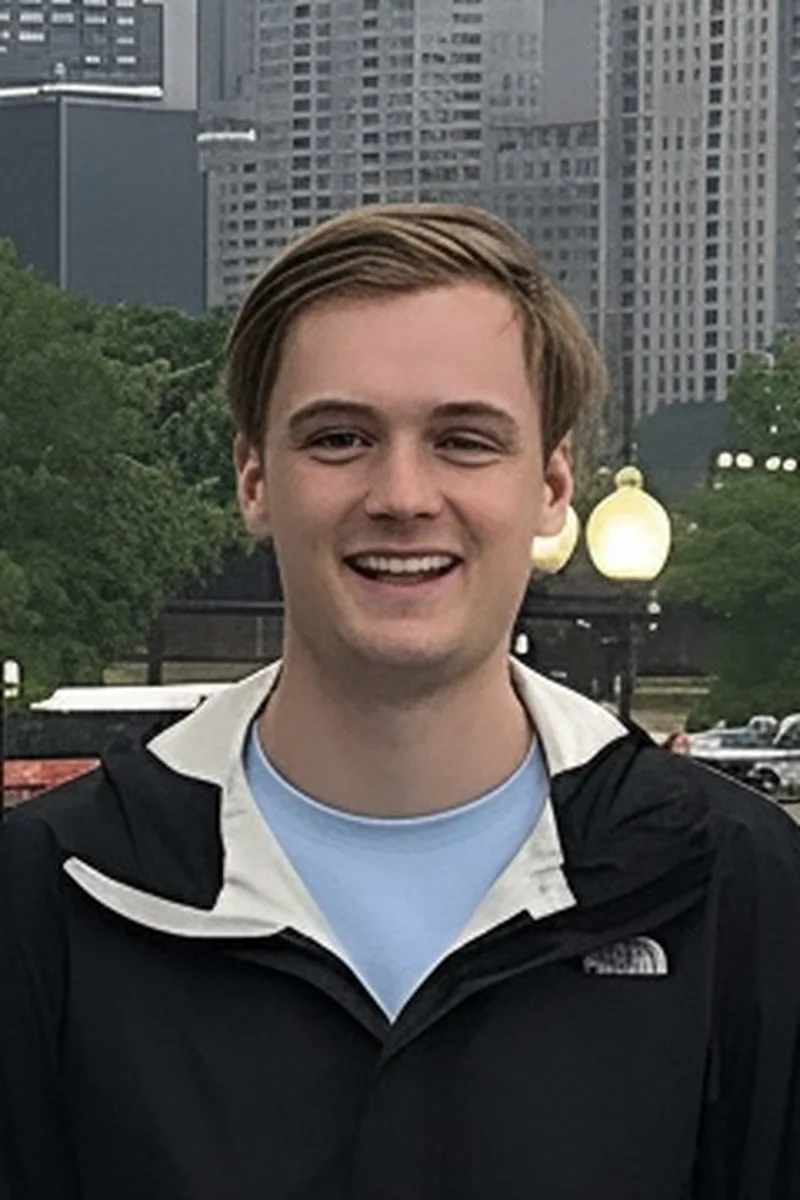
Studying visual and environmental studies at Harvard means Tom spends his time analyzing how images, spaces, and cultural artifacts carry meaning — a skill that translates directly to reading APUSH primary sources for context, audience, and purpose. His 1560 SAT reflects the kind of timed analytical reading the exam's document-based questions actually demand, and his writing and literature background gives him a sharp eye for helping students build thesis-driven essays that do more than just summarize.

I am a recent graduate of the University of Virginia living in Los Angeles. While at UVA, I earned a 3.95 GPA and graduated my major program with Highest Distinction. I have eight years of tutoring experience (including starting my own tutoring program) and have worked with students of all ages. I'm looking forward to helping people with their studies in any way I can.
Biology majors spend their time evaluating evidence, identifying patterns, and building arguments from data — skills that transfer directly to APUSH's document-based questions, where students must read sources critically and construct thesis-driven essays under pressure. Alan's UC Santa Barbara coursework and his own love of U.S. history (he calls it one of his favorite subjects to teach) mean he digs into the political and social turning points that show up most on the exam, from sectional crises through Cold War policy debates. Rated 4.7 by students.
The AP US History exam rewards students who can construct a defensible thesis under time pressure — not just recall facts but deploy them as evidence in a DBQ or LEQ. Aaron unpacks primary documents with students, teaching them to identify point of view, purpose, and historical context before writing a single sentence. His interdisciplinary background in geology and biochemistry also brings an unusual lens to topics like industrialization and environmental policy.
I'm excited to work with you or your child either on standardized test preparation or on generally improving performance in history, English, and social studies!
The IB program's emphasis on extended essays and Theory of Knowledge — where students defend interpretive claims with structured evidence — builds the exact muscles APUSH's DBQ and LEQ require. Dalton completed the full IB diploma and now draws on that training to teach how to frame a historical argument around periodization or causation rather than just retelling events. His 35 ACT and 4.9 rating speak to the timed analytical performance the exam rewards.
A biology undergrad who went on to earn a Master of Social Work brings an unusual combination to APUSH — Todd understands both the scientific and social dimensions of American history, from public health crises to Progressive Era reform to the policy debates that shaped the modern welfare state. That social work training means he naturally thinks in terms of systems, institutions, and their impact on communities, which is exactly the kind of causation and contextualization reasoning the DBQ and LEQ reward. Holds a 5.0 rating.
AP US History's Document-Based Questions are really argumentation exercises disguised as history prompts, and Jean's legal background makes her a natural fit for teaching them. She earned her BA in History from Duke and unpacks how to synthesize primary sources into a coherent, evidence-driven essay under time pressure. Her approach to periodization and causation gives students the analytical vocabulary the exam rewards.
Jake's marketing degree might seem like an odd fit for APUSH, but marketing is fundamentally about understanding how audiences are persuaded — the same skill students need when analyzing primary sources for purpose, context, and intended effect on the DBQ. He pairs that rhetorical instinct with strong SAT-level reading and writing chops (1580 composite) to drill the thesis construction and evidence integration that separate high-scoring essays from ones that just retell history. Rated 4.9 by students.
Molly's Columbia University history degree means she studied the same primary source debates and historiographical arguments that APUSH condenses into a single exam — from constitutional crises to westward expansion to twentieth-century reform. Her classroom teaching experience across elementary grades sharpened her ability to break complex ideas into clear, layered explanations, which pays off when walking students through the periodization and causation reasoning that separates a 3 from a 5. Rated 5.0 by students.
A European history major at Johns Hopkins who also tutored AP US and World History for years, Alexander knows exactly where the overlap between these curricula pays off — students who can trace how Enlightenment thought shaped the Declaration of Independence or how WWI's aftermath drove American isolationism earn the cross-period connections APUSH essays reward. He zeroes in on the causation and contextualization skills that turn a content-dump essay into one that actually scores well on the DBQ and LEQ. Rated 4.7 by students.
A psychology and communication studies background gives Paula a dual lens that's particularly useful for APUSH's trickiest essay prompts — the ones asking students to analyze how rhetoric, propaganda, and public persuasion shaped movements from the Revolution through the Cold War. She teaches document analysis as an exercise in reading audience and intent, skills her communication training made second nature. Rated 4.8 by students.
Kirstie's liberal arts training and Master's in Education come together most visibly in APUSH's essay sections, where students need to do two things at once — read primary sources with a literary eye and marshal them into a historically grounded argument. She leans heavily on her AP English skills when teaching document analysis, showing students how to identify an author's purpose and audience before they ever start writing their thesis. Rated 5.0 by students.
John's English and writing background translates directly to the essay-heavy demands of APUSH — the DBQ and LEQ are fundamentally persuasive writing tasks that happen to use historical evidence. He teaches students to treat each document like a text to be analyzed for purpose and audience, then build that analysis into a thesis-driven argument. His 4.9 rating and 36 ACT suggest the kind of analytical precision that makes timed essay writing click.
Teaching in the US Peace Corps means explaining American institutions and historical turning points to audiences with no built-in assumptions about them — a skill that translates directly to APUSH's contextualization and causation demands, where students can't just name events but must explain why they mattered. Chris's International Relations master's degree adds the policy and diplomacy framework that sharpens analysis of everything from the Treaty of Versailles to containment strategy. Rated 4.8 by students.
Testimonials
Because the right AP US History tutor makes all the difference.
Average Session Rating – Based on 3.4M Learner Ratings
Practice AP US History
Free practice tests, flashcards, and AI tutoring for AP US History
Nearby AP US History Tutors
Other Oxnard Tutors
Related Social Studies Tutors in Oxnard
Frequently Asked Questions
Varsity Tutors matches Oxnard students with expert AP US History tutors for 1-on-1 instruction. We pair each student with a tutor based on their specific needs, learning style, and goals.
Whether you need homework help, exam prep, or want to get ahead, our AP US History tutors are ready to help.
Common challenges include gaps from earlier material, difficulty with specific concepts, and trouble applying learning to new problems. These issues can snowball quickly in AP US History.
A tutor identifies where you're stuck, fills in gaps, and provides targeted practice. The 1-on-1 format means you get help exactly where you need it.
Tutors work with your student's actual coursework—homework assignments, class notes, and upcoming tests. This keeps tutoring directly relevant to what's happening in the classroom.
When you share information about your student's school and curriculum, we can match you with a tutor who has relevant experience.
All tutors complete background checks, credential verification, and teaching evaluation. Many of our AP US History tutors hold advanced degrees or have years of teaching experience.
You can review tutor profiles to find someone with the right background for your student's level and needs.
Many students see improved grades within a few weeks, along with better understanding of AP US History concepts and more confidence tackling challenging material.
Tutors track progress and adjust their approach to ensure continued improvement.
Most students benefit from 1-2 sessions per week. More frequent sessions help if your student is significantly behind or has an important exam coming up.
Your tutor can recommend a schedule based on your student's specific situation and goals.
Tutoring is purchased in packages of hours, with rates varying by tutor experience. Varsity Tutors offers several options to fit different budgets and needs.
You can discuss pricing during your consultation to find what works best.
Your tutor will assess where your student is, discuss goals, and start working on priority areas. Most students bring current homework or upcoming test material to focus on.
By the end, you'll have a clear sense of how the tutor can help and a plan for moving forward.
Let’s find your perfect tutor
Answer a few quick questions. We’ll recommend the right plan and match you with a top 5% tutor.