Award-Winning AP US History Tutors
serving Santa Ana, CA
AP US History
Tutors in Santa Ana
Private 1-on-1 tutoring, weekly live classes for academic support, test prep & enrichment, practice tests and diagnostics, and more to elevate grades and test scores.
Based on 3.4M Learner Ratings
UniversitiesSchools & Universities
DeliveredHours Delivered
ProficiencyGrowth in Proficiency
Who needs tutoring?
No obligation. Takes ~1 minute.

I am a recent graduate of the University of Virginia living in Los Angeles. While at UVA, I earned a 3.95 GPA and graduated my major program with Highest Distinction. I have eight years of tutoring experience (including starting my own tutoring program) and have worked with students of all ages. I'm looking forward to helping people with their studies in any way I can.
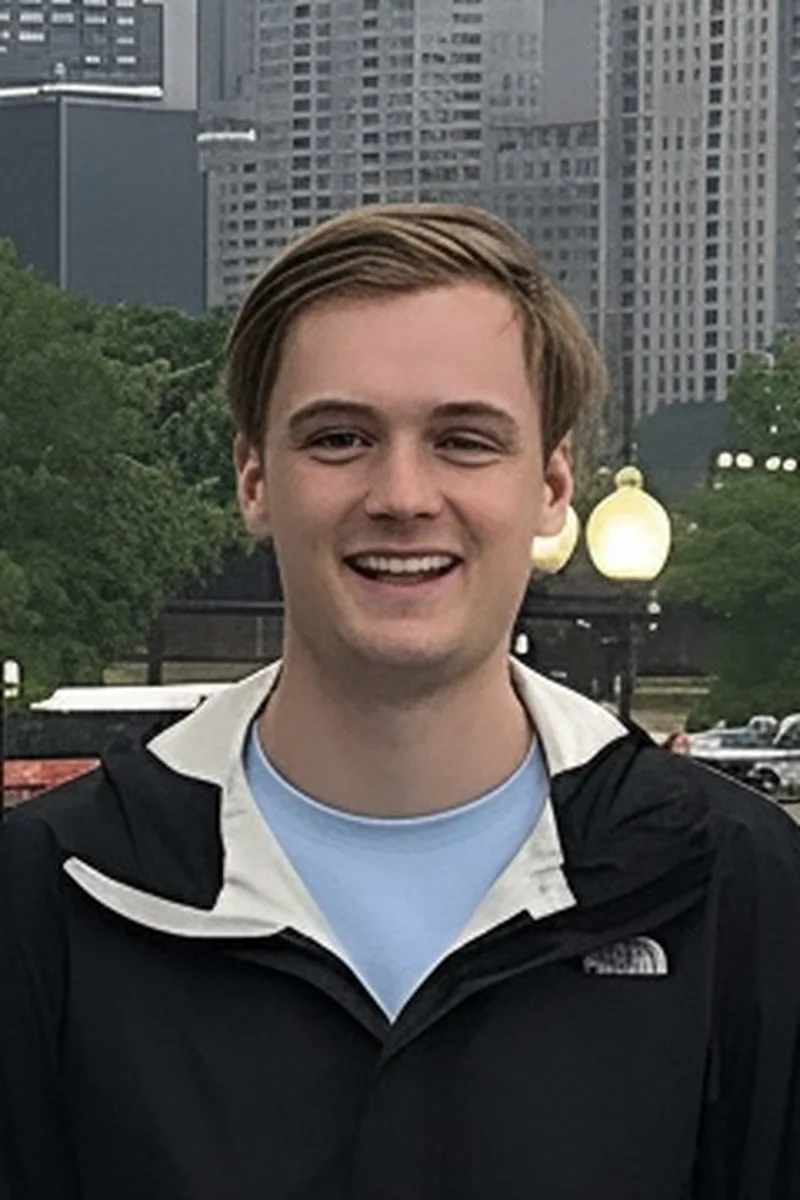
Studying visual and environmental studies at Harvard means Tom spends his time analyzing how images, spaces, and cultural artifacts carry meaning — a skill that translates directly to reading APUSH primary sources for context, audience, and purpose. His 1560 SAT reflects the kind of timed analytical reading the exam's document-based questions actually demand, and his writing and literature background gives him a sharp eye for helping students build thesis-driven essays that do more than just summarize.
Biology majors spend their time evaluating evidence, identifying patterns, and building arguments from data — skills that transfer directly to APUSH's document-based questions, where students must read sources critically and construct thesis-driven essays under pressure. Alan's UC Santa Barbara coursework and his own love of U.S. history (he calls it one of his favorite subjects to teach) mean he digs into the political and social turning points that show up most on the exam, from sectional crises through Cold War policy debates. Rated 4.7 by students.
The AP US History exam rewards students who can do two things fast: identify historical causation and write a thesis-driven essay under time pressure. Scott tackles both by teaching students to read documents like an anthropologist — pulling out perspective, audience, and purpose before jumping to conclusions. His deep background in social studies and essay writing makes the DBQ and LEQ feel far less intimidating.
I'm excited to work with you or your child either on standardized test preparation or on generally improving performance in history, English, and social studies!
A senior thesis on the Byzantine Basilica of San Vitale taught Elena to read historical sources the way APUSH expects — analyzing context, audience, and purpose rather than just summarizing what happened. Her double background in Art History and History from Washington University in St. Louis means she's practiced at connecting cultural evidence to broader political and social narratives, which is exactly the skill that separates strong DBQ and LEQ essays from mediocre ones.
A high school history teacher with a B.S. in History, Ben treats APUSH not as a march through dates but as a series of arguments — teaching students to trace themes like federalism, westward expansion, and civil rights across periods so they can tackle the DBQ and LEQ with real analytical depth. His experience working with students across the academic spectrum means he knows how to adjust pacing whether someone is struggling with periodization or pushing for a 5.
Tessa is pursuing a double major in Mathematics and History, which means she's actively immersed in the kind of source analysis and historiographical thinking that APUSH tests — not recalling it from years ago. That combination also gives her a quantitative edge for the exam's data-interpretation questions, where students need to read economic charts or demographic tables and fold them into a larger argument. Her 36 ACT and 4.9 rating speak for themselves.
Studying political science and government means Sarah spends her coursework inside the same constitutional debates, legislative battles, and shifts in federal power that APUSH tests most heavily — she's not reviewing this material secondhand but actively working through it in her current classes. That real-time fluency with American political development gives her a sharp handle on periodization and causation questions, especially from the founding era through twentieth-century policy reform. Rated 5.0 by students.
A Master of Public Policy degree means Erika spent graduate school analyzing how American institutions evolved and why specific policy decisions — from the New Deal to the Great Society — reshaped the country. That lens gives her a natural edge when teaching APUSH's thematic threads around government power, reform movements, and political realignment. Rated 5.0 by students, she connects policy context to the kind of argumentation the exam actually scores.
A psychology and communication studies background gives Paula a dual lens that's particularly useful for APUSH's trickiest essay prompts — the ones asking students to analyze how rhetoric, propaganda, and public persuasion shaped movements from the Revolution through the Cold War. She teaches document analysis as an exercise in reading audience and intent, skills her communication training made second nature. Rated 4.8 by students.
Studying religion and psychology alongside Spanish gave Sydney an unusual toolkit for APUSH — she reads primary sources through the lens of cultural belief systems and social motivation, which is exactly what document-based questions reward when they ask about audience, purpose, and historical context. Her CLEP prep across American government, American literature, and humanities means she's already fluent in the political and cultural turning points the exam covers most heavily. Rated 4.9 by students.
Studying health policy at Stanford means Jake spends his coursework tracing how government decisions — from Progressive-era public health campaigns to the ACA — reshape American life, which is exactly the kind of policy-to-impact reasoning APUSH essays reward. His 34 ACT and dual background in SAT US History and Spanish give him both the timed analytical speed and the multicultural lens that strengthen document analysis on topics like immigration, expansion, and reform. Rated 5.0 by students.
Studying molecular biology at Yale might seem unrelated to APUSH, but Maxwell's scientific training sharpens exactly the kind of evidence-based reasoning the exam demands — evaluating sources, identifying patterns across data, and defending a thesis. He applies that analytical rigor to helping students dissect documents for context and purpose, particularly in periods where science, policy, and society collide, like industrialization or Cold War-era politics. Rated 5.0 by students.
Before medical school, Jessica earned her history degree at Penn — meaning she studied American political and constitutional development at a university where those debates literally happened, steps from Independence Hall and the National Constitution Center. That immersion in primary-source-rich coursework carries over to APUSH's document-based questions, where she teaches students to read for authorial intent and historical context before building their thesis. Rated 4.8 by students.
Testimonials
Because the right AP US History tutor makes all the difference.
Average Session Rating – Based on 3.4M Learner Ratings
Practice AP US History
Free practice tests, flashcards, and AI tutoring for AP US History
Nearby AP US History Tutors
Other Santa Ana Tutors
Related Social Studies Tutors in Santa Ana
Frequently Asked Questions
Varsity Tutors matches Santa Ana students with expert AP US History tutors for 1-on-1 instruction. We pair each student with a tutor based on their specific needs, learning style, and goals.
Whether you need homework help, exam prep, or want to get ahead, our AP US History tutors are ready to help.
Common challenges include gaps from earlier material, difficulty with specific concepts, and trouble applying learning to new problems. These issues can snowball quickly in AP US History.
A tutor identifies where you're stuck, fills in gaps, and provides targeted practice. The 1-on-1 format means you get help exactly where you need it.
Tutors work with your student's actual coursework—homework assignments, class notes, and upcoming tests. This keeps tutoring directly relevant to what's happening in the classroom.
When you share information about your student's school and curriculum, we can match you with a tutor who has relevant experience.
All tutors complete background checks, credential verification, and teaching evaluation. Many of our AP US History tutors hold advanced degrees or have years of teaching experience.
You can review tutor profiles to find someone with the right background for your student's level and needs.
Many students see improved grades within a few weeks, along with better understanding of AP US History concepts and more confidence tackling challenging material.
Tutors track progress and adjust their approach to ensure continued improvement.
Most students benefit from 1-2 sessions per week. More frequent sessions help if your student is significantly behind or has an important exam coming up.
Your tutor can recommend a schedule based on your student's specific situation and goals.
Tutoring is purchased in packages of hours, with rates varying by tutor experience. Varsity Tutors offers several options to fit different budgets and needs.
You can discuss pricing during your consultation to find what works best.
Your tutor will assess where your student is, discuss goals, and start working on priority areas. Most students bring current homework or upcoming test material to focus on.
By the end, you'll have a clear sense of how the tutor can help and a plan for moving forward.
Let’s find your perfect tutor
Answer a few quick questions. We’ll recommend the right plan and match you with a top 5% tutor.